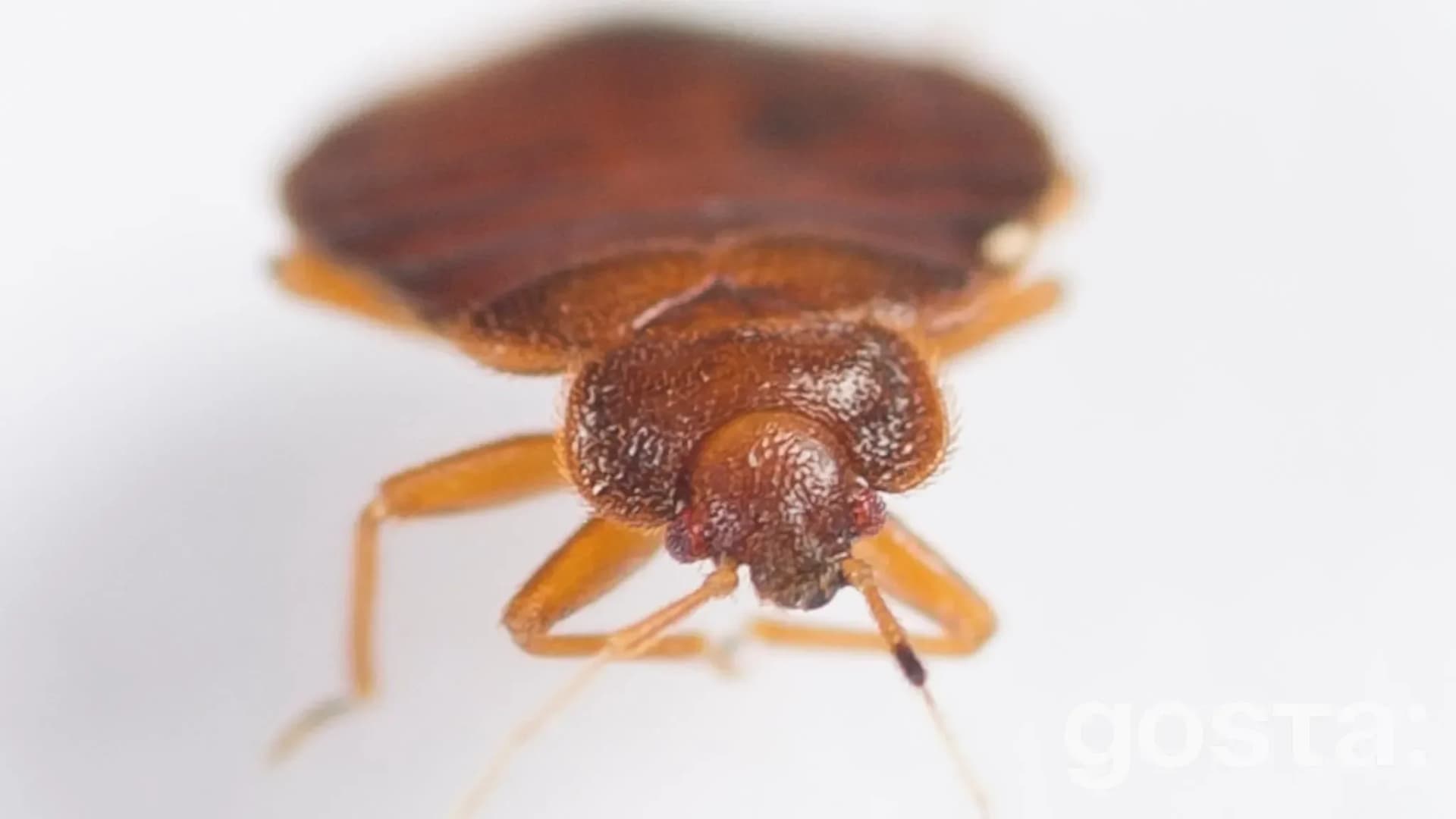
Even perfect cleanliness can't guarantee your home is safe from bed bugs. These tiny parasites don't care about dirt – they seek warmth, blood, and a place to hide. Their presence doesn't mean your home is messy, but rather that they've found a way in. Finding them is unpleasant, but not a disaster. Let's talk about what they are, how to spot them, and how to get rid of them.
The Dirt Myth: Why Cleanliness Doesn't Keep Bed Bugs Away
Many people think bed bugs appear only in dirty homes. But that's a myth – pest control experts have debunked it long ago. Bed bugs don't eat trash, spoil food, or look for dust. They only need one thing – people, because they feed on blood.
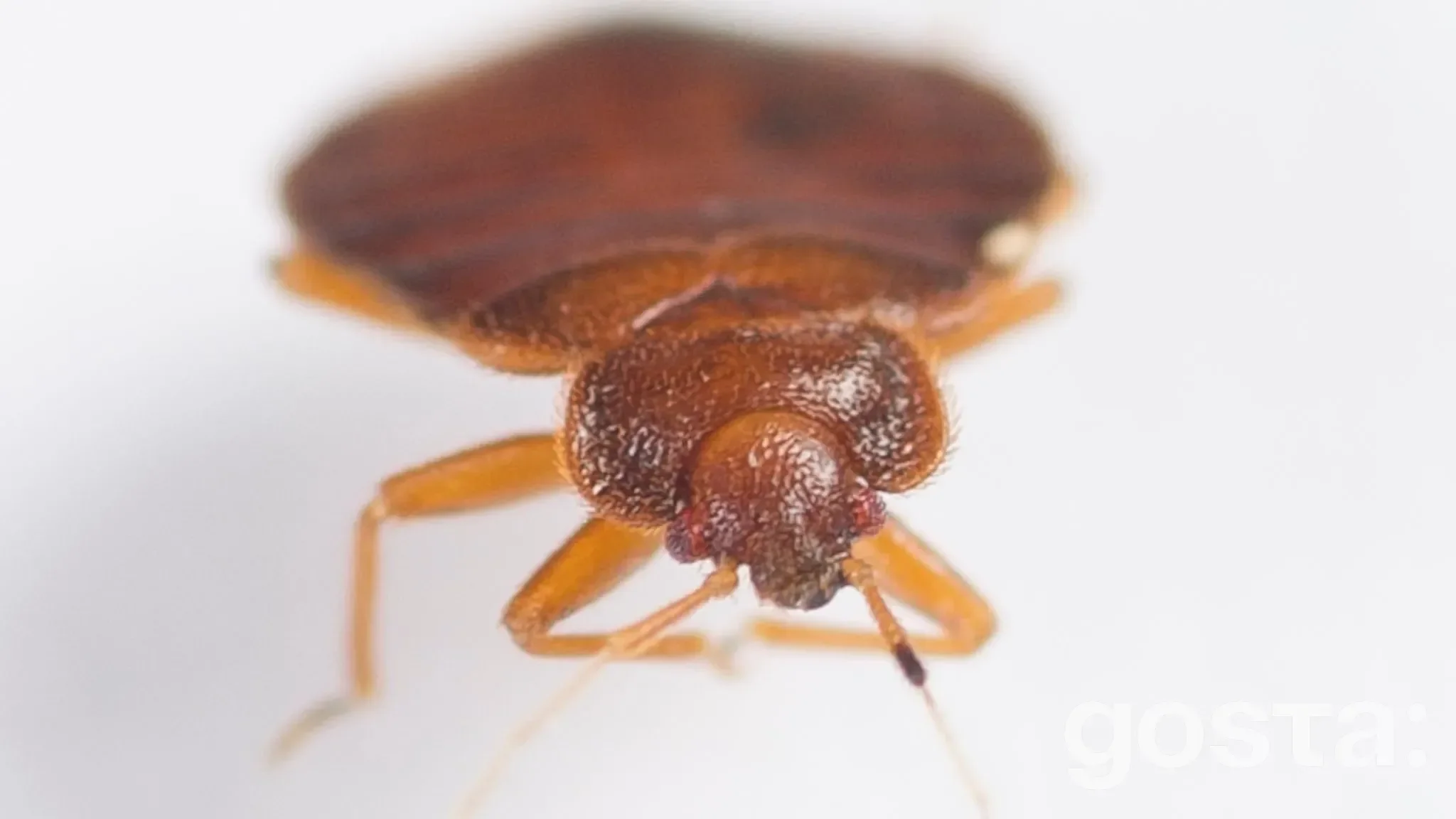
Experts often find bed bugs in new buildings or luxury hotels. The reason is simple: they can survive for months without food, waiting for new hosts. They're attracted to body heat and the carbon dioxide we exhale. Cleanliness doesn't matter to them, so even the neatest apartment isn't safe once they get inside.
How Bed Bugs Get Into Your Home: Main Sources of Infestation
Bed bugs are real "travelers." They can get into your home in dozens of ways, some of them unexpected. The main ones include:
- After traveling. Eggs or adult bugs may hide in suitcases, bags, or clothes.
- Used furniture. Sofas, mattresses, and even books can be "Trojan horses."
- From neighbors. In apartment buildings, they move easily through vents or cracks.
- Through guests. People might unknowingly carry them on their clothes.
- From public places. Theaters, buses, cinemas, dorms – perfect transfer points.
Even if you vacuum and mop daily, that's not enough. Bed bug eggs are tiny and easy to miss. Experts advise checking your luggage after trips and washing clothes at 60°C or higher.
Not everyone is equally susceptible to bedbugs. There are groups that encounter this problem more often:
If you travel often or live in a building with poor insulation, your risk is higher. Bed bugs don't care about status – they just look for warmth and a human nearby.
How to Tell if Bed Bugs Are Already in Your Apartment
Most people discover bed bugs too late. They're active at night, so the first few weeks often go unnoticed. Common signs include:
- Small red bites on your skin, especially in the morning
- A line of several bites on exposed areas
- Dark spots or tiny stains on bedding – signs of their waste
- A musty or "spoiled raspberry" smell
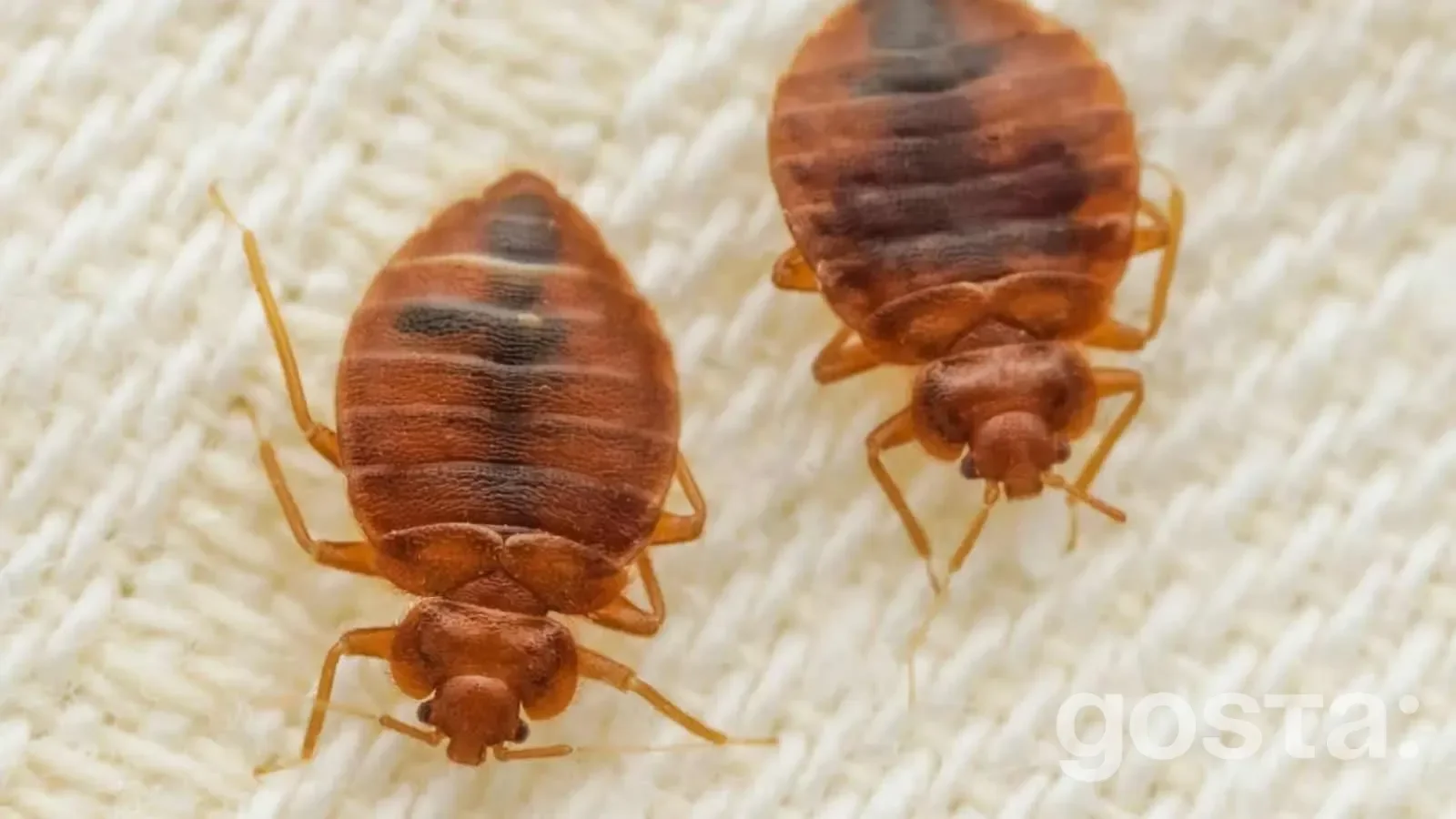
- Tiny eggs or shed skins in furniture seams or mattresses
If you notice any of these, act fast. Bed bugs multiply quickly: one female can lay up to 500 eggs in her lifetime. A few bugs can turn into hundreds in just weeks.
How to Protect Your Home: Expert Advice
Prevention is the best defense. Experts recommend a few simple steps that really work. Bed Bug Prevention Checklist:
- Inspect beds and furniture in hotels before unpacking.
- Don't place suitcases on the floor or near the headboard.
- Check and wash clothes at high temperatures after trips.
- Avoid buying used mattresses or sofas without inspection.
- Seal cracks near baseboards, outlets, and pipes.
- Vacuum hard-to-reach spots every few months.
It also helps to use protective mattress covers that stop bugs from breeding. Remember: prevention is cheaper and less stressful than dealing with an infestation.
What to Do if You Find Bed Bugs
If you spot the first signs of bed bugs, don't panic – but don't delay either. Getting rid of them on your own is tough since they hide in cracks, furniture, outlets, and even floorboards. What to do:
- Wash bedding, clothes, and linens at 60°C or higher.
- Leave mattresses and furniture in direct sunlight or cold temperatures.
- Recheck everything after 2–3 weeks.
- For the best results, call a professional pest control service.
Experts warn that home sprays and folk remedies only kill a few bugs, not the eggs – meaning the problem returns in weeks.
Who Bed Bugs Are and What Types Exist – Video
Bed bugs are unpleasant little parasites. Besides being annoying, they're also fascinating creatures. Learn more about them in this video:
Living Without Fear of Bed Bugs
Bed bugs don't choose victims based on income or cleanliness. They simply look for warmth and a source of blood. No one is immune – not residents of new luxury apartments or owners of old houses. The key is awareness and prevention. Check your bedding regularly, inspect things before bringing them inside, and don't hesitate to call professionals. Bed bugs won't disappear on their own, but they're easy to eliminate if you act fast.
Frequently Asked Questions
Where Do Bed Bugs Come From?
They often enter homes through luggage after travel, second-hand furniture, or from neighbors. Sometimes guests unknowingly carry them on clothes or bags. People usually bring them in accidentally without noticing tiny eggs or larvae.
What Smells Do Bed Bugs Hate?
They dislike strong natural scents like lavender, mint, and eucalyptus essential oils. Vinegar and alcohol also repel them. However, these remedies work only temporarily and don't kill the bugs completely.
What Are Bed Bugs Afraid Of?
Bed bugs can't handle extreme temperatures. They die when heated above 50°C and freeze at -20°C. That's why washing fabrics in hot water or leaving items in freezing conditions can help reduce their numbers.