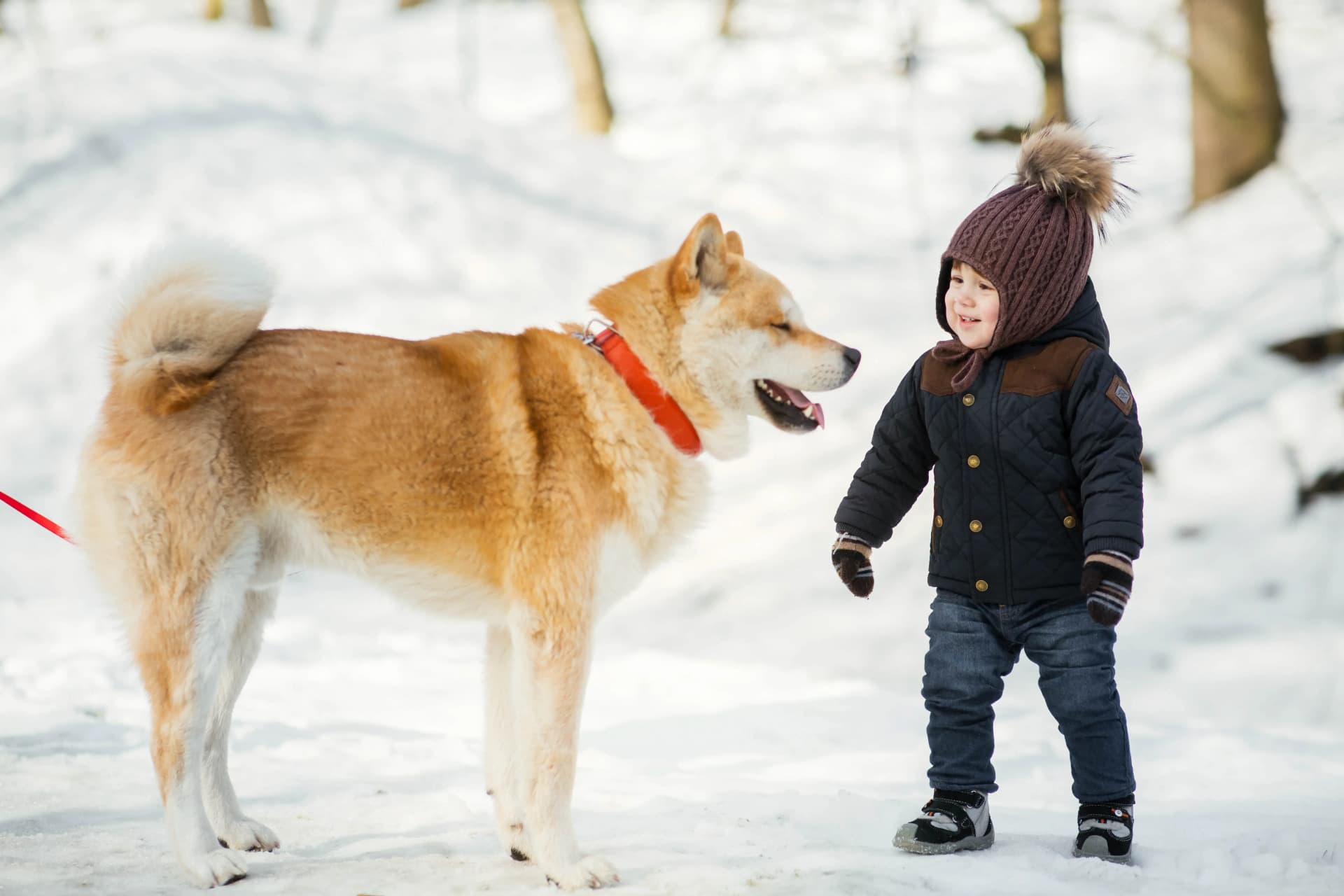
The Akita stands out thanks to its large size, intelligence and quiet strength. Behind its noble looks, however, is an independent character and strong instincts. This is a dog that forms a close bond with its family, keeps a careful eye on its surroundings and is used to making its own decisions, so it needs an experienced owner, consistent rules and respect for its space. When you choose an Akita, it is important to look beyond the emotions from the Hachikō story and think about the real everyday work with training, walks, care and preventive health checks.
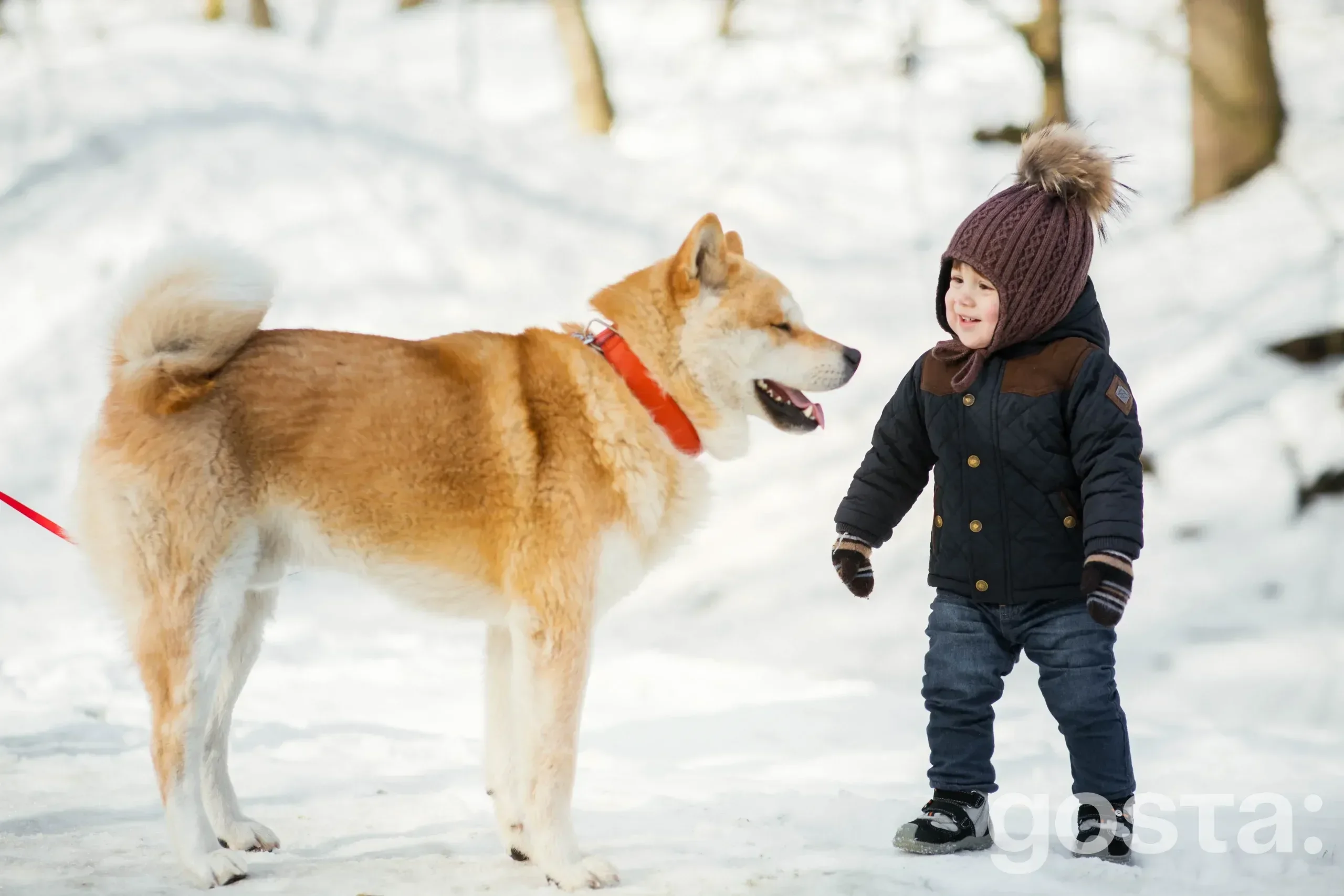
Main characteristics of the Akita breed
The Akita is a large breed and belongs to Group 5 – spitz and primitive-type dogs. This means the breed developed mostly through natural selection, so it kept its independence, self-reliance and strong instincts. Females are usually about 58–66 cm tall, males 64–71 cm, and weight is often around 30–45 kg for females and up to 59 kg for males, depending on the line. This height and body weight mean you must be physically able to manage the dog.
This is not a "light" decorative dog, but a large companion you need to take seriously and plan for a long life together.
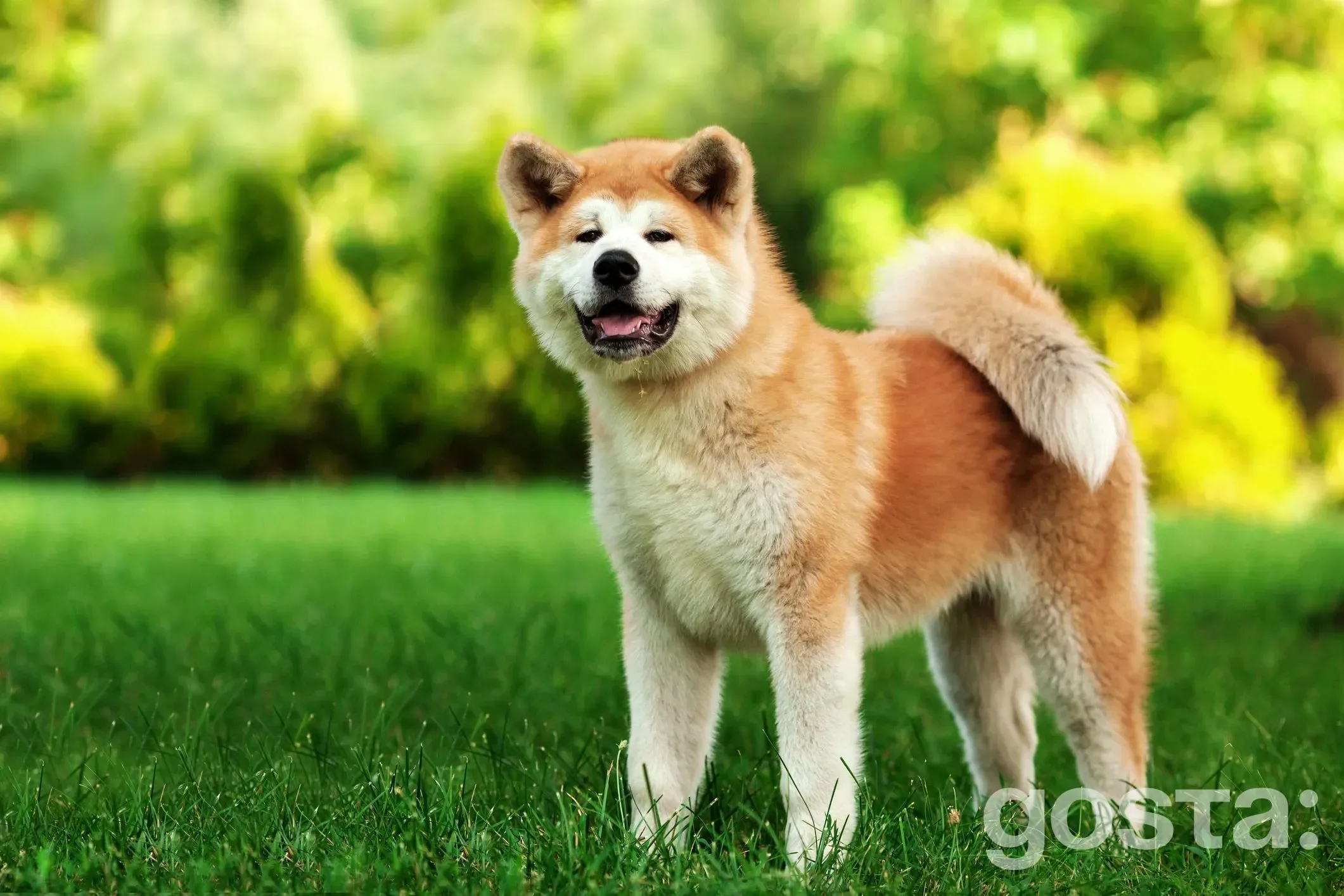
Akitas have medium-length coats with dense undercoats that protect them from cold and damp. The coat type is close to a regular or "wild" type – it holds its shape well but needs regular brushing. The average lifespan of the breed is 10–12 years, provided they get a balanced diet, enough exercise and health care.
History of the Akita breed and type differences
The Akita has ancient Japanese roots. For centuries these dogs were used to guard homes, hunt large game and perform various service tasks. Over time the Akita became a symbol of strength, courage and loyalty, and in Japan the breed was recognised as a national treasure. The Akita gained worldwide fame thanks to the story of Hachikō, the dog who waited at a station for his owner for many years.
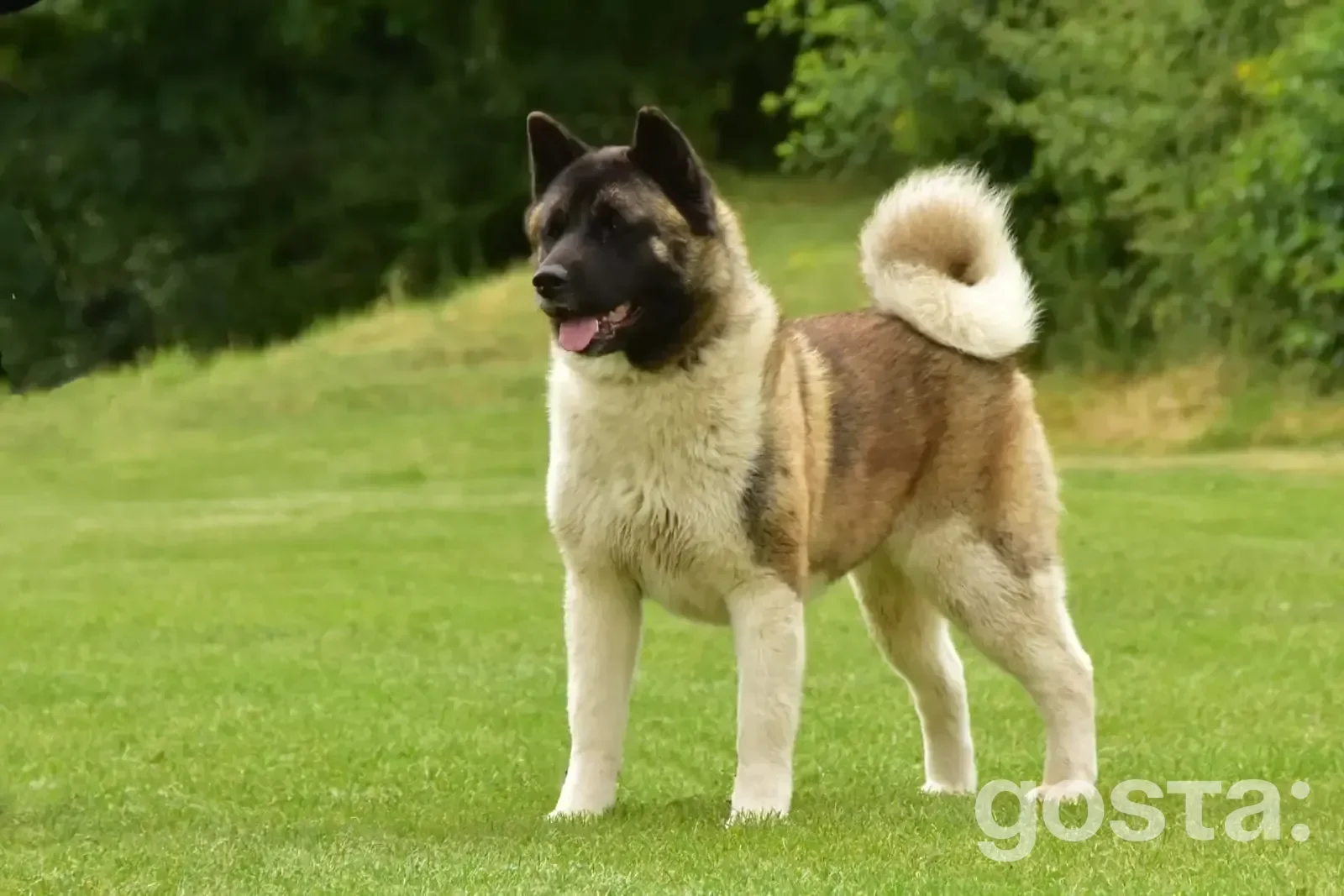
Over time, two main types formed: the Japanese Akita and the American Akita. They share a common origin but differ in appearance and overall build. To make these differences clearer, it helps to compare the main parameters side by side.
Differences between Japanese and American Akitas
The Japanese Akita usually looks more refined and closer to the classic "Japanese" type. The American Akita is heavier, with a broader frame and a more massive head. In both cases, these are serious large dogs that need experienced handling. In some countries the breed is on lists of potentially dangerous dogs, so special permits may be required to own one. It is important to check this before you buy a puppy.
Akita temperament: key traits and behaviour
The Akita's character combines independence, calm and confidence. This is not a dog that blindly follows every command just to please the owner. An Akita often acts based on its own motivation – it weighs up the situation and makes its own decisions. They are usually reserved in their emotions, not very playful as adults, but they remember people's behaviour and reactions very well.
Key character traits of the Akita:
- independence and self-reliance;
- calm, balanced temperament;
- natural distrust of strangers;
- high intelligence and watchfulness;
- strong prey drive and protective instincts.
These traits make the breed attractive and demanding at the same time. On the one hand, the dog does not need constant attention and can stay quietly near people without asking for endless games. On the other hand, an Akita expects you to respect its personal space and does not tolerate pressure. For a family, this means building a relationship based on trust, consistency and clear rules, not on harshness or shouting.
Keeping an Akita in an apartment or a house
An Akita can live in both a private house and a city apartment if its basic needs are met every day. When young, the breed is more active, moves a lot and explores the space, so in smaller homes you should plan safety and cleaning in advance. As adults, Akitas are usually calmer at home, especially if they regularly get enough physical and mental exercise.
To keep an Akita comfortably, it is important to consider several requirements:
- a proper sleeping area in a quiet, cosy corner
- no draughts and a view of key areas (entrance, bowls, people's resting places)
- enough space for a large dog to move freely
- several resting spots, if the dog likes to change where it sleeps
- safe storage for things that might interest a puppy
A sleeping place for an Akita should be comfortable and large enough so the dog can stretch out fully or change position. Ideally, the family respects this space and does not disturb the dog when it is resting. This approach reduces stress and helps the dog feel safe. For a large dog, regular walks are important, and so is organising the home so the Akita clearly understands it has its own place in the house.
Coat care and hygiene for Akitas
The Akita's coat has a protective function and is well adapted to different weather conditions. Its double structure – a dense undercoat and a harsh topcoat – needs regular care. Without consistent brushing, mats can form, especially in problem areas. Usually, the dog is brushed several times a week, and during seasonal shedding – every day.
Different tools are used to care for an Akita, each with its own purpose:
- rakes with long teeth to work through the undercoat;
- a metal slicker brush to remove dead hair;
- a rubber brush to remove topcoat hair and stimulate blood circulation;
- a brush with suitable stiffness for regular grooming.
Choosing the right tools and brushing regularly reduces the amount of hair in your home and helps prevent skin problems. Heavy shedding usually happens twice a year, while at other times coat change is moderate.
For bathing, you should use specialised dog shampoos with the right pH and conditioners that restore the skin's protective layer. After washing, it is important to dry the coat thoroughly to avoid unpleasant odours and fungal issues.
Akita nutrition: basics of the diet
Nutrition has a direct impact on an Akita's health, stamina and coat quality. As a large breed, it needs enough high-quality protein, healthy fats and a balanced complex of vitamins and minerals. Particular attention should be paid to the composition of the food and the feeding schedule.
The most convenient option for most owners is complete commercial food for large breeds. These diets often contain chondroprotective supplements that support the joints, as well as additional functional ingredients. If you plan to feed natural food, you need advice from a veterinary nutritionist, because it is difficult to balance a homemade diet for an Akita on your own.
Basic feeding rules for an Akita:
- the diet is based on quality meat or fish, with vegetables and healthy fats;
- an adult dog is fed twice a day at regular times;
- no leftovers from the table and no fatty, smoked or sugary foods;
- chocolate, grapes, raisins and foods with added sugar are strictly forbidden;
- treats are given as specialised dog snacks instead of "human" food.
This approach helps keep an Akita at a stable weight and lowers the risk of digestive and joint problems. For a puppy, diet and schedule are chosen separately, taking into account age, growth rate and recommendations from a vet or breeder.
Physical activity and training for Akitas
Akitas need daily physical activity. On average, an adult dog should walk for a total of about 1.5–2 hours a day, split into two or three outings. It is important that walks are not just quick toilet breaks but also a source of new impressions, territory exploration and training.
Plan walks so you alternate active parts – running, games, exercises – with calmer stretches where the Akita can freely sniff and analyse its surroundings. This helps relieve tension, satisfies its need to explore and reduces the risk of problem behaviour at home.
Training an Akita is based on a few core principles: a soft approach, consistency and positive reinforcement.
Harsh methods, pressure or physical punishment are not only ineffective but can also damage your relationship with the dog. Clear rules, rewards for the right behaviour and an understanding that the Akita needs time to learn work much better. Basic commands such as "come", "heel", "leave it" and safe leash behaviour are essential, given the breed's strength and strong prey drive.
Akita health and disease prevention
The Akita is generally a healthy breed, but several serious hereditary diseases are known for it. Responsible breeders run genetic tests to lower the risk for future puppies. As a future owner, you should know which conditions are linked to the breed.
Common hereditary issues in Akitas include:
- chondrodysplasia and chondrodystrophy with a risk of intervertebral disc disease;
- hyperuricosuria with the formation of uric acid stones;
- progressive retinal atrophy;
- degenerative myelopathy with gradual paralysis of the hind limbs.
Having genetic tests for the parents does not guarantee the complete absence of disease, but it reduces the risk. Once the dog joins your family, it is important to follow the vaccination schedule against infectious diseases (including distemper, leptospirosis, rabies), and arrange annual preventive check-ups – heart ultrasound, abdominal ultrasound, blood tests. Regular parasite treatments protect the Akita from internal and external parasites. Early diagnostics help notice changes in time and adjust care.
Choosing an Akita puppy and the first year with your new friend
Choosing an Akita puppy largely determines your quality of life together for many years. Buying a dog "without papers" raises the risk of getting an animal with unknown ancestry, genetic problems or an unsuitable temperament. That is why you should pay attention to the puppy's pedigree documents, genetic test results for the parents and a veterinary passport with vaccinations.
Visiting the kennel lets you see how the adult Akitas and puppies live, what the parents look like and how balanced they are. It is useful to ask about the pregnancy, the mother's diet and how the puppies were socialised. After birth, Akita puppies are completely dependent on their mother for some time, and between 4 and 8 weeks they gradually move to independent eating.
An Akita puppy is often placed in a new family at 8–12 weeks of age. A later move gives the puppy more time to learn how to communicate with other dogs, control bite strength and gain basic social experience.
After the puppy arrives in a new home, it is important not to overload it with too many impressions. Training starts immediately – you show what it is allowed to chew, where to rest and how to behave in the apartment. Chew toys help meet the puppy's natural need to gnaw and reduce the number of damaged items.
Pros and cons of the Akita breed for owners
To decide whether the Akita is right for you, it is useful to look at its main advantages and possible difficulties. This helps you understand in advance what daily life with this breed will be like.
Pros of the Akita:
- high intelligence and the ability to make independent decisions;
- calm temperament and relative quiet at home;
- strong loyalty to the family and willingness to protect its people;
- can live in an apartment if it gets enough walks;
- self-reliant nature that suits people who value personal space.
Cons and challenges of the Akita:
- independent character that makes training harder without experience;
- strong prey drive and the need for strict control on walks;
- heavy shedding and demanding coat care;
- the need for responsible health monitoring and regular check-ups;
- possible legal restrictions on owning the breed in some countries.
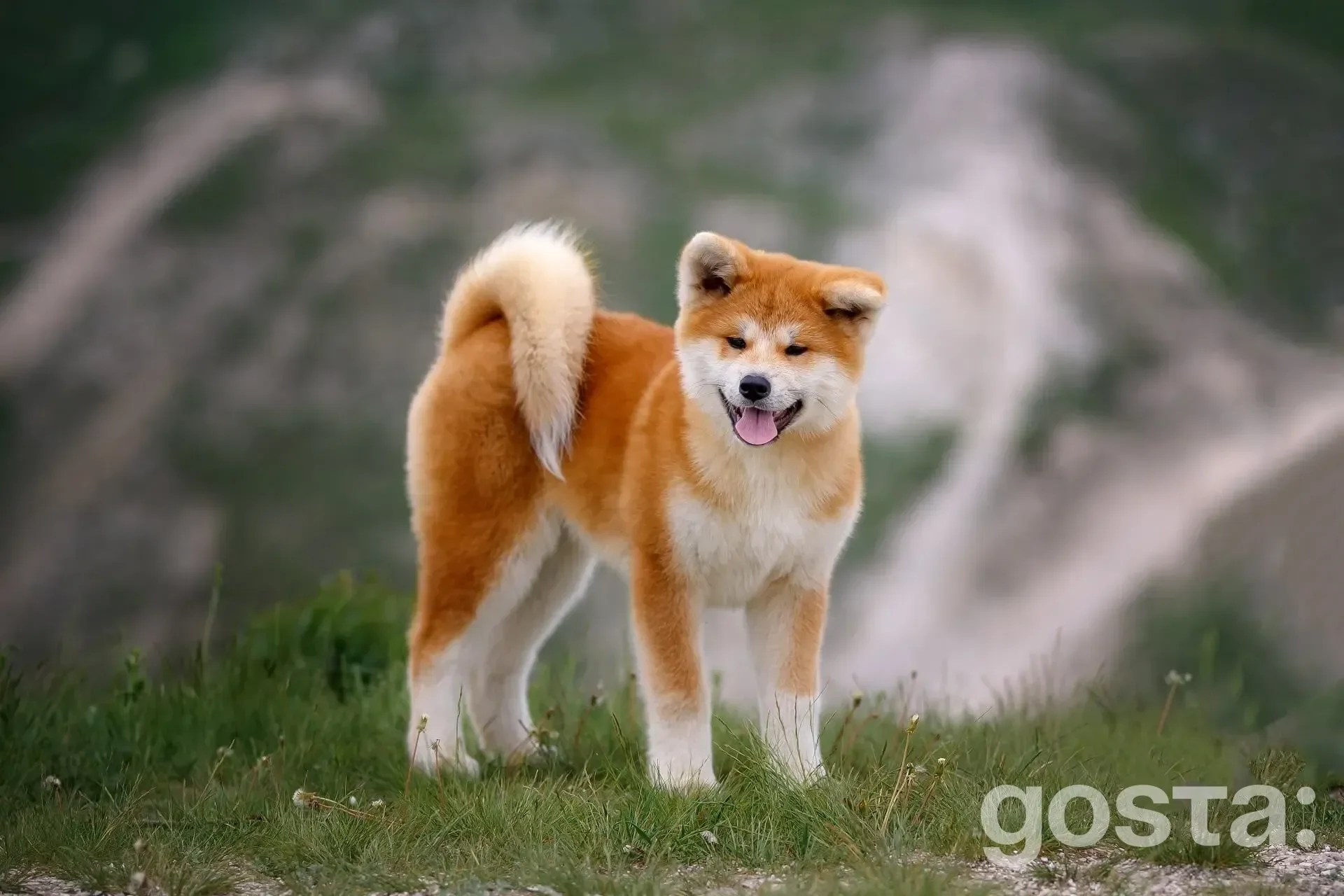
If you are looking for a completely "obedient" dog that reacts instantly to every command, an Akita may feel too independent. For an experienced owner, ready to work with the dog's character, the Akita can become a reliable, calm and devoted companion.
Akita breed: conclusions for future owners
The Akita combines strength, attentiveness, emotional balance and independence. This is a large dog with well-developed instincts and a long history, and it needs thoughtful handling, structured training and respect for its personal space. As an owner, you will have to work consistently on socialisation, training, coat care and health maintenance.
If you are ready for a long-term commitment, have time for walks and training, do not expect instant obedience and understand the breed's character, an Akita can become an important member of your family. For those who choose this breed consciously, the dog often turns into a long-term friend with whom you can build a deep, trusting bond.
Frequently asked questions about the Akita breed
How Is the Akita Different From the Shiba Inu?
Both breeds come from Japan, but they differ greatly in size and temperament. The Akita is a large dog that can weigh several dozen kilograms, while the Shiba Inu is much smaller, usually around 8–10 kg. Shibas are often more active and playful, while Akitas are perceived as calmer, more balanced companions with strong guarding potential.
Can an Akita Live in an Apartment?
An Akita can live comfortably in an apartment if you provide daily walks, mental stimulation and a comfortable sleeping place. As adults, these dogs are usually not overly active indoors, but they do need quality outdoor time. You should also be ready for seasonal shedding, when more hair appears in the apartment, and set aside time for regular brushing.
Until What Age Does an Akita Grow?
Most Akitas finish their main growth by 12–14 months, but full body and muscle development can continue until around two years. During this period it is important to control weight, choose suitable food and avoid overloading the joints with excessive exercise. Proper walk routines and a balanced diet help the Akita grow into a strong, healthy dog.
What Are the Special Features of Training an Akita?
Training an Akita requires patience, consistency and positive reinforcement. The breed does not respond well to pressure or rough methods, so shouting and punishment tend to make things worse. The best results come from clear rules, rewards for correct behaviour and early socialisation in different environments.
Who Is the Akita Breed Suitable For?
The Akita is suitable for responsible people who are ready to spend time on training, walks and caring for a large dog. The owner should be calm, consistent and ready to respect the dog's independence. For first-time owners who expect an easy, very compliant dog without long-term work, the Akita can be a serious challenge.