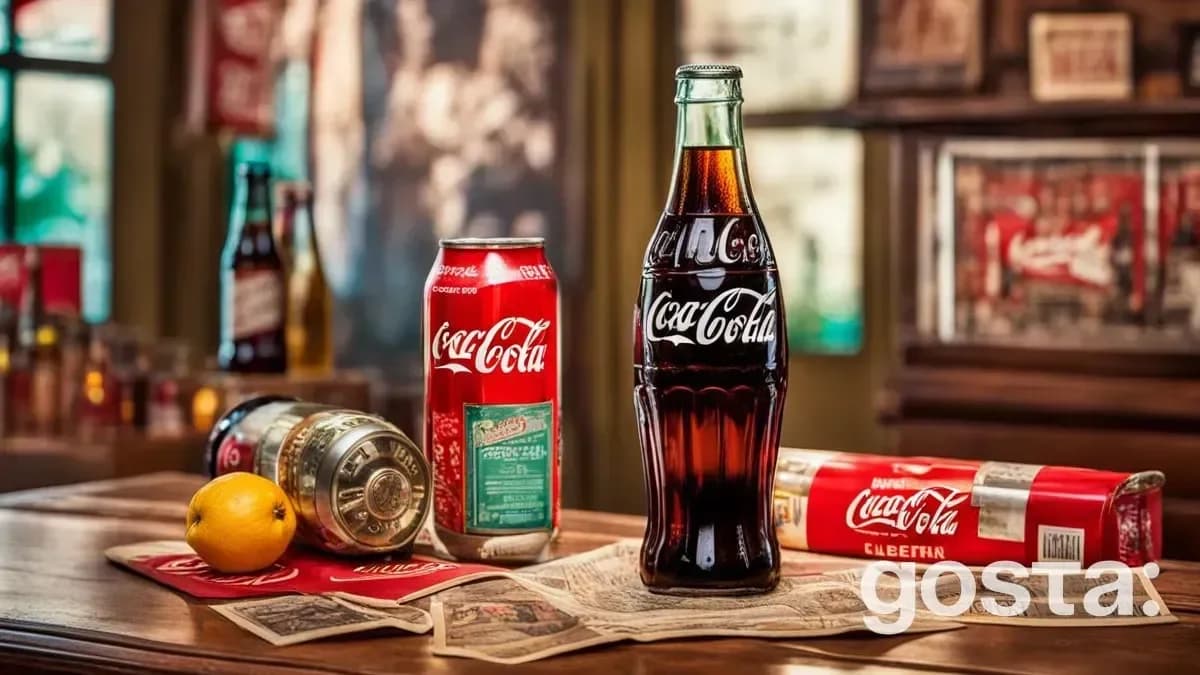
Coca-Cola is one of the most popular and recognizable brands in the world. This drink is known in the most remote corners of the planet. This is the result of more than a century of work. The company went from a pharmacy in Atlanta to a global corporation. What is the secret to its success? Unique marketing strategies, bold decisions, and the ability to adapt to change.
The Birth of a Legend – The Story of Coca-Cola's Creation
It all began in 1886. Pharmacist John Pemberton from Atlanta invented a new drink. He wanted to create a remedy for headaches but accidentally created a refreshing carbonated beverage instead. Initially, Coca-Cola was sold in pharmacies as a tonic. It cost only 5 cents per glass.
Pemberton couldn't assess the potential of his invention. He sold the rights to Coca-Cola to businessman Asa Candler. And this became a turning point! Candler saw the future in the drink. He aggressively marketed it – releasing souvenirs, calendars, and posters. Entrepreneurs received free coupons for their first drink. People tried Coca-Cola and became its fans!
Marketing Breakthroughs – How Coca-Cola Conquered the World
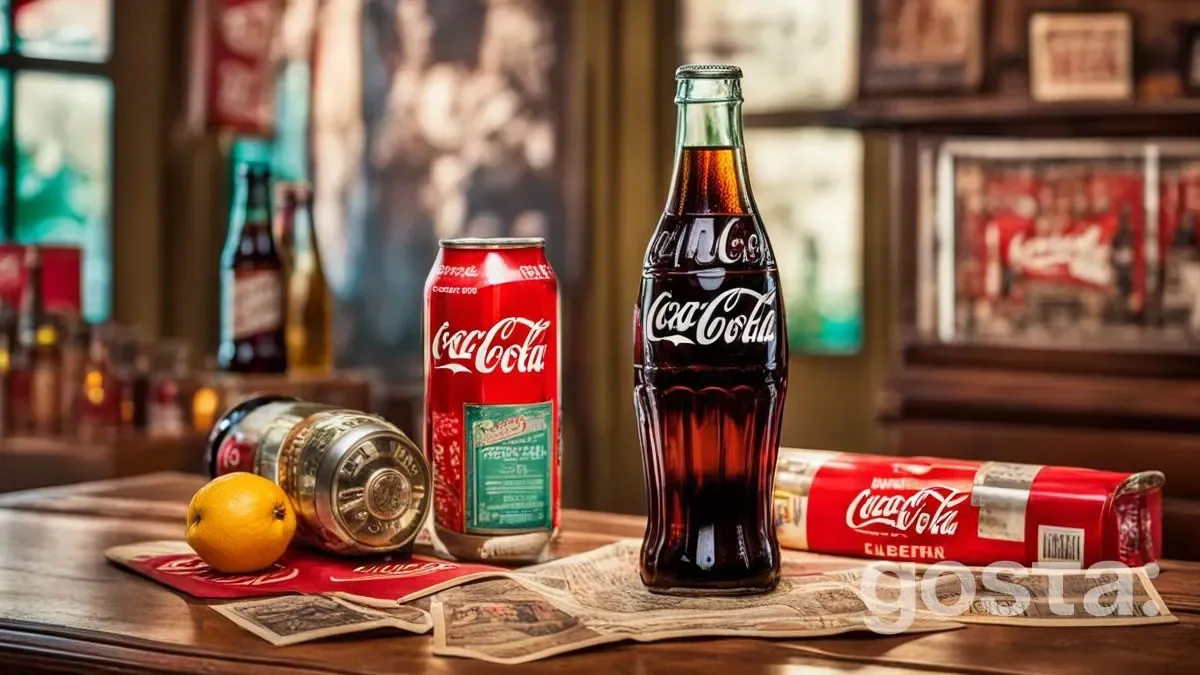
From the very beginning, Coca-Cola focused on marketing. It wasn't just carbonated water; it was a lifestyle! The most memorable marketing breakthroughs included:
- The Legendary Bottle. In 1915, the company introduced a unique curved bottle. It could be recognized even by touch. This became the brand's signature.
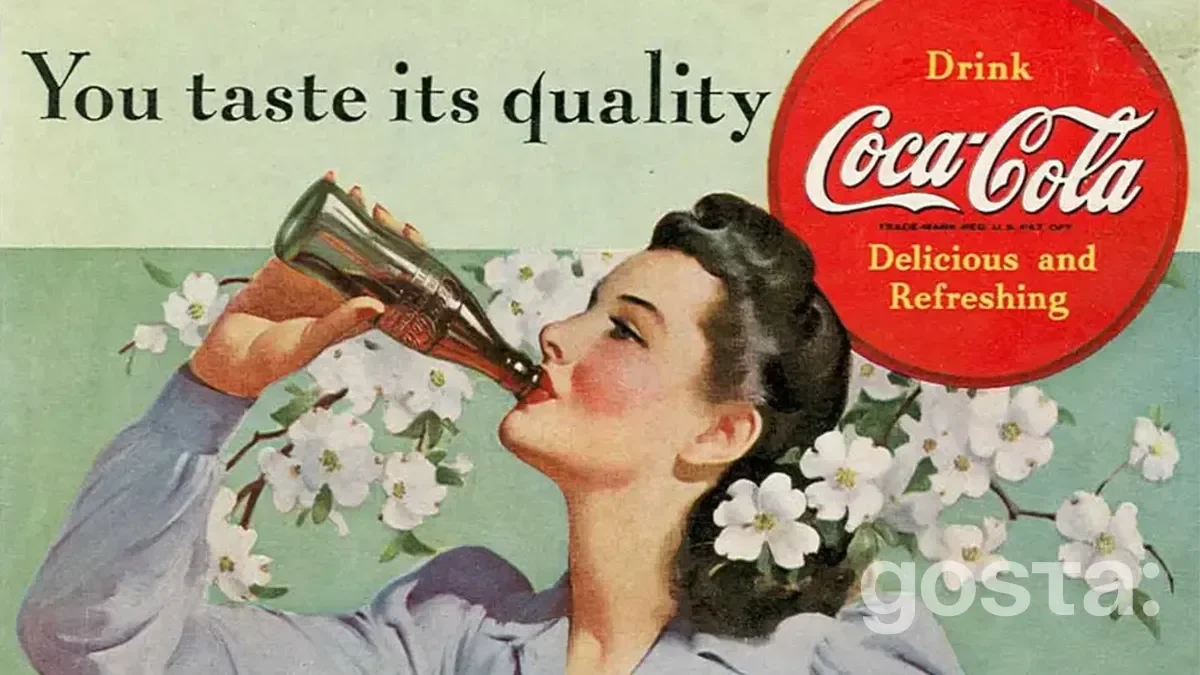
- Advertising Slogans. "Always Coca-Cola," "Taste the Feeling" – these slogans were easy to remember. They created a positive brand image.
- Santa Claus. In 1931, the brand's specialists created the image of Santa Claus in a red suit. Before this, St. Nicholas was depicted in various ways. But it was Coca-Cola that made him the version we know today!
The company always knew how to appeal to emotions. It didn't just sell a drink – it sold joy, friendship, and happiness.
Coca-Cola's Global Expansion and Market Adaptation
The company's owners quickly realized that the U.S. was just the beginning. The company wanted to conquer the world. In 1928, the brand became a sponsor of the Olympic Games in Amsterdam. This helped make the drink popular in Europe. During World War II, Coca-Cola sent drinks to American soldiers worldwide. This made the drink a symbol of freedom and the American way of life.
To establish itself in new markets, the brand used several clever strategies:
- Adapting to Local Tastes. The drink made for different countries sometimes had a slightly different flavor. This allowed the company to tailor the drink to local preferences.
- Localized Advertising Campaigns. Slogans and ads were adjusted for each country. For example, in India, the ad focused on family values, while in Latin America, it highlighted energy and excitement.
- Acquiring Local Brands. In some countries, the company bought popular local drinks and launched them under its own management.
Now Coca-Cola is sold in over 200 countries. Every day, more than 1.9 billion servings of this drink are consumed worldwide!
Diversification and Product Portfolio Updates by Coca-Cola
Initially, Coca-Cola was the only product of the company. But over time, people wanted more variety. The company started releasing new drinks:
- Fanta. During World War II, there was a shortage of ingredients in Germany. That's when Fanta was created – a fruity carbonated drink.
- Sprite. Launched in 1961, it became the main competitor to 7Up.
- Diet Coke. In 1982, the company released the first sugar-free cola. This was in response to the growing demand from health-conscious consumers.
The company also has other products in its portfolio. Coca-Cola acquired many other brands – juices (Minute Maid), tea (Fuze Tea), energy drinks (Monster), and even water (Smartwater, Dasani). The company now has over 500 beverage brands. It knows how to adapt to trends. If people want less sugar – new low-calorie options are introduced. If natural drinks are trending – the company releases teas and smoothies.
Crisis Moments for Coca-Cola and How They Overcame Difficulties
Even giants like Coca-Cola sometimes make mistakes. The key is knowing how to fix them:
- "The Fiasco" with New Coke (1985). In 1985, the company decided to change Coca-Cola's recipe. The new version was meant to be sweeter and more like Pepsi. But people didn't accept the new drink. They demanded the original recipe back. The company quickly fixed the situation by bringing back the classic formula under the name "Coca-Cola Classic." This became one of the biggest marketing mistakes, but the company managed to turn the crisis to its advantage.
- Competition with Pepsi. In the 1970s and 1980s, there was a true "Cola War." Pepsi conducted blind taste tests where people often chose its flavor. Coca-Cola responded with large-scale advertising campaigns and an emphasis on customer loyalty. As a result, the brand maintained its leadership.
- Changing Trends and the Fight Against Sugar. In the 21st century, people became more health-conscious. The consumption of sugary sodas decreased. The company responded by releasing Coca-Cola Zero and also focusing on water, juices, and tea.
The company always finds a way to overcome difficult situations. The main secret is listening carefully to consumers and adapting quickly to new realities.
The Future of Coca-Cola – What to Expect Next?
Coca-Cola doesn't stop at what it has achieved. The company continues to innovate:
- Digitalization. The brand actively uses social media, artificial intelligence, and personalized advertising. The "Share a Coke" campaign, with bottles featuring names, went viral thanks to social media.
- Environmental Sustainability. The company is investing in eco-friendly bottles, reducing plastic usage, and developing recycling programs.
- New Flavors and Products. The company is experimenting with drinks, adding vitamins, and creating new energy drinks and low-calorie options.
Coca-Cola remains a symbol of a global brand that isn't afraid to change.
Coca-Cola's Company History, Who Invented the Drink – Video
Want to learn more about the legendary drink and its history? Watch the video:
Conclusions
Coca-Cola is not just a drink. It's a story of ambition, brilliant marketing, and the ability to adapt to the times. The company conquered the world thanks to the right strategies: aggressive marketing, effective advertising, constant updates, and improvements. Its history proves how important it is to recognize and fix mistakes, adapt to new circumstances, and grow.
Frequently Asked Questions About Coca-Cola
Which Came First: Pepsi or Cola?
Coca-Cola came first. It was created in 1886, while Pepsi was only created in 1893.
When Was the First Coca-Cola Made?
The first Coca-Cola was released on May 8, 1886. It was created by Dr. John S. Pemberton in Atlanta, USA.
What Does the Name "Coca-Cola" Mean?
The name of the drink comes from two main ingredients: coca (coca leaves) and kola (kola nuts). It symbolizes the components that were used in the original recipe of the drink.