Words have real power. They can inspire or tear someone down. They can create trust—or destroy it. It's important to realize that verbal communication isn't just about exchanging information. It's a tool for influence. The way you speak affects how people see you. Often, reputations are built not just on actions, but on words. That's why understanding the power of language is so important. It shapes trust. And using it wisely is the key to building strong relationships, both personal and professional.
Verbal Communication and Building Trust
Trust is the foundation of any relationship. It begins when we believe the other person won't betray, belittle, or deceive us. And it all starts with something simple—what we say and how we say it.
Verbal communication shows sincerity. When you clearly explain your intentions, admit mistakes, and speak respectfully, people start trusting you. They sense your openness. You can build trust with words. But you can just as easily lose it.
A broken promise, a harsh tone, hiding important details—these quickly break trust. People start doubting you. Even if you're telling the truth, they might stop listening Remember: verbal communication isn't just about what you say. It's about how people understand you. If your words don't match your actions or sound insincere, trust is lost.

Reputation as Social Capital
Reputation is what people say about you when you're not around. And it depends not only on what you do, but on how you speak. Communication mirrors your image.
People form impressions fast. Your tone of voice, choice of words, and ability to listen—all of it matters, especially in professional settings. When you speak clearly, respectfully, and without emotional outbursts, people see you as competent.
Here are a few ways to build a good reputation through words:
- Speak clearly and get to the point. Don't use complicated language unless it's needed.
- Show respect. Words like "please," "thank you," and "sorry" go a long way.
- Avoid emotional outbursts. Shouting and insults leave lasting damage.
- Don't spread gossip. It hurts your reputation more than you might think.
A good reputation takes years to build and seconds to destroy. One careless comment can shatter trust. Remember: your verbal communication is your calling card.
Manipulation in Verbal Communication: Twisting Trust
Words can be used sincerely—or selfishly. That's how manipulation works. You've probably met people who speak beautifully but dishonestly. They use the power of words to hide the truth or influence others unfairly. Verbal communication can mask true intentions—like avoiding a straight answer or shifting blame instead of admitting a mistake. Even if the words sound polite, they leave people feeling uneasy.
You'll often find manipulative language:
- In political speeches;
- In advertising slogans;
- In toxic relationships;
- In fake public apologies.
Manipulative speech leaves a bad taste. It creates the reputation of someone who is sneaky or fake. And once trust is broken, it's hard to rebuild.
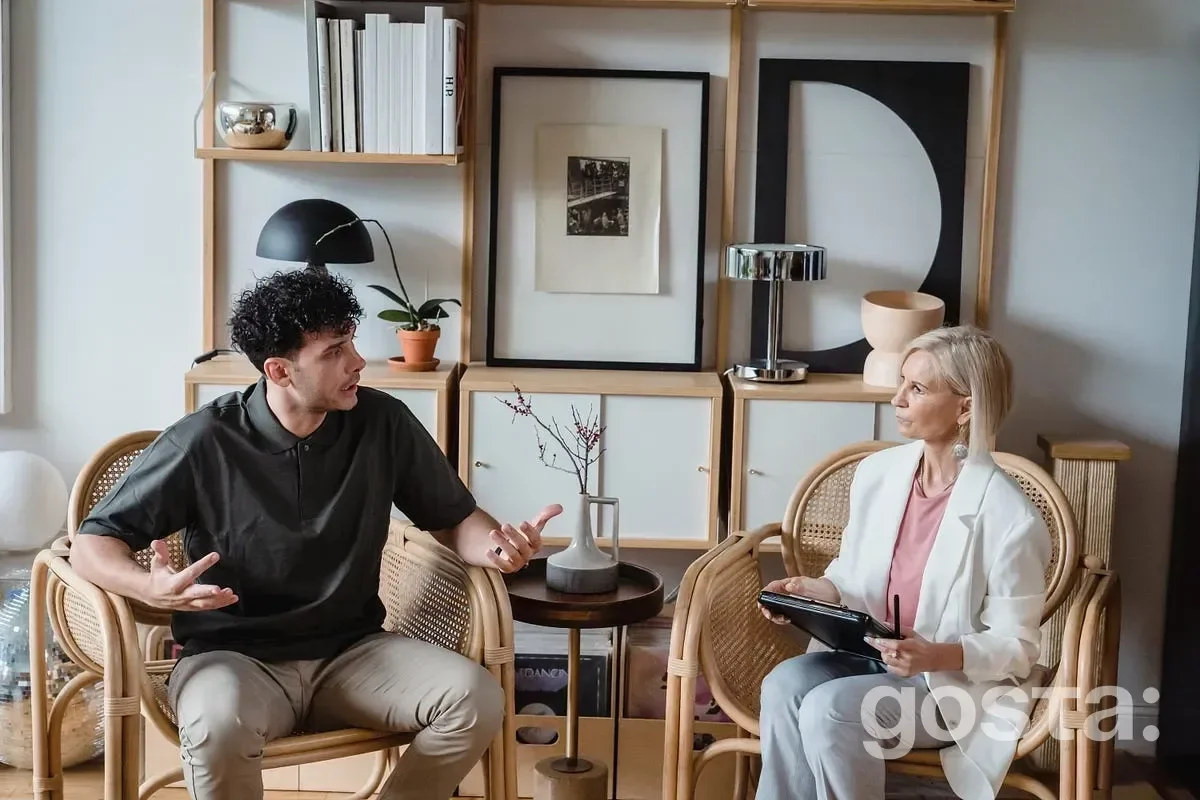
Ethical Verbal Communication: The Foundation of Trust
In communication, what you say matters. But how you say it matters just as much.Some words build relationships. Others break them.
Words that build:
- Support: "I believe in you."
- Gratitude: "Thanks for your help."
- Acceptance: "I understand you."
Words that break:
- Insults: "You can't do anything right."
- Sarcasm: "Oh, look who's a hero now."
- Ignoring: staying silent when a response is needed.
Verbal communication is not just about influence. It's about responsibility. Your words should lift people up, not tear them down. They should bring clarity, not confusion.
Here are some simple principles for speaking ethically:
- Talk about yourself, not against others.
- Avoid labels and sweeping generalizations.
- Share your feelings without blaming others.
- Ask questions when you're unsure.
- Give respectful feedback.
Speaking this way builds real trust.
It shows you're a responsible and thoughtful person.
Nonverbal and Verbal Communication — Video
Want to learn more about nonverbal and verbal communication, how they work, and why they matter? Be sure to check out this video:
Final Thoughts
Words are more than a way to share ideas. Verbal communication shapes relationships, builds reputations, and creates the atmosphere around you. It can either bring people together or drive them apart.
Remember:
- Speak sincerely, and people will trust you.
- Listen carefully, and people will respect you.
- Choose your words wisely—they have real power.
Trust and reputation aren't given. They're built—one word at a time.
Frequently Asked Questions
What is verbal communication?
Verbal communication means communicating through words, spoken or written. It's the main way we share our thoughts.
What's the difference between verbal and nonverbal?
Verbal means using words when we speak or write. Nonverbal is all the ways we communicate without words—gestures, facial expressions, tone of voice. Together, they complete communication.
What is nonverbal communication?
Nonverbal communication is when we interact without using words, like smiling, waving, or frowning. People often understand each other perfectly without saying anything.
What does "verbal" mean?
Verbal means using words—when you ask a question, give an answer, or tell a story.