K-pop, Education, and Robotics: The Secrets Behind South Korea's Success
South Korea is a land of contrasts, where tradition meets innovation. K–pop, dramas, tech, fashion and education shape its global image. See how South Korea lives and evolves.

Рада ухвалила закон про мобілізацію: що змінюється для українців
Долар 41.54 ₴ (+0.12), євро 44.98 ₴ (-0.05)
Кременчук: +18°C, ясно. Увечері до +12°C.
День працівників соціальної сфери. Всесвітній день сміху.
Сьогодні святкують: Максим, Віктор, Тамара
Овен: Хороший день для нових починань. Зірки сприяють ініціативі.
2004 — Кіпр, Чехія та 8 інших країн вступили до Євросоюзу
Паливо знову подорожчало: А-95 переступив психологічну межу
Apple iPhone 17 Air: все що відомо про найтоншу модель
South Korea is a land of contrasts, where tradition meets innovation. K–pop, dramas, tech, fashion and education shape its global image. See how South Korea lives and evolves.
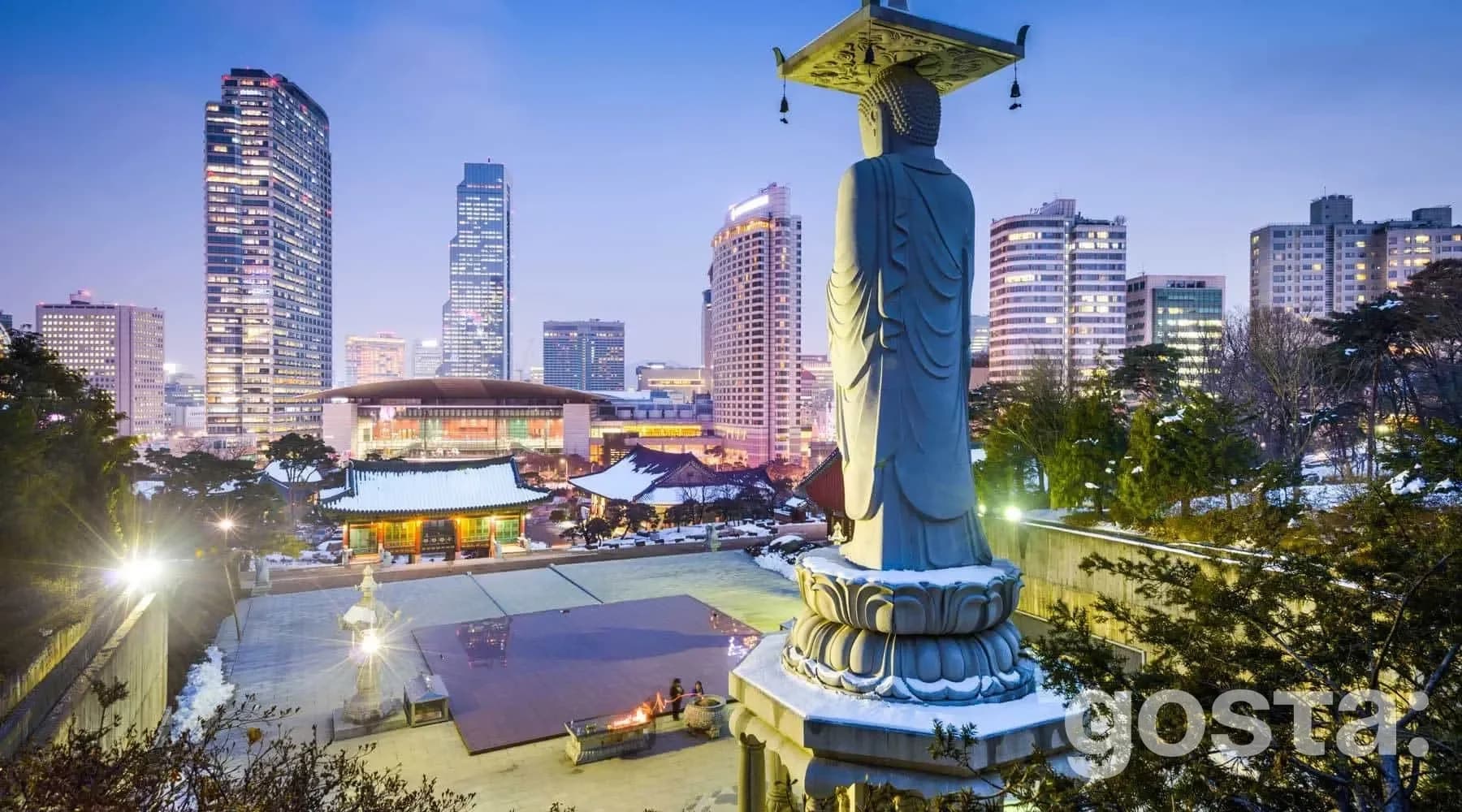
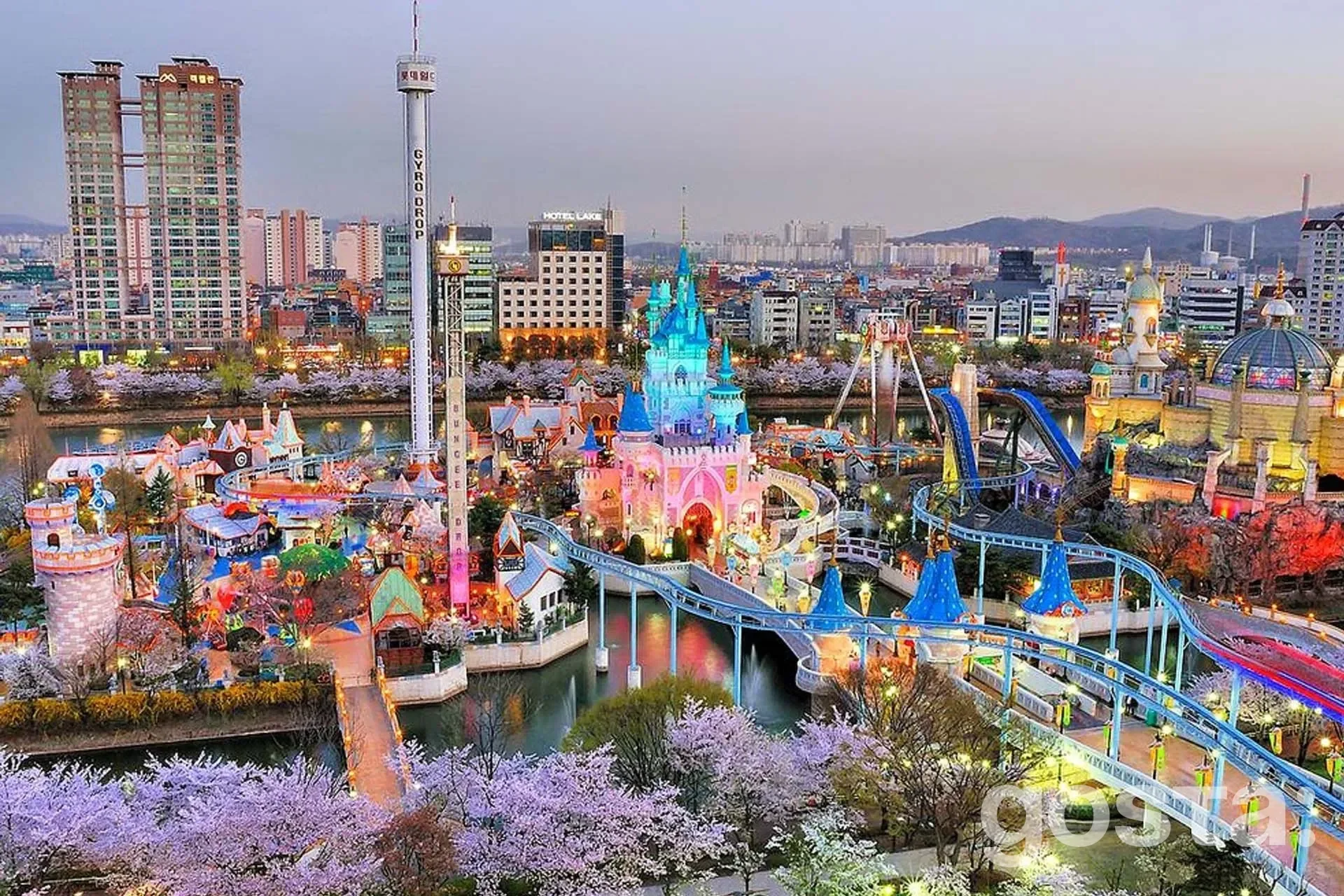
Today's South Korea knows how to surprise. Ultra–modern, deeply traditional, simply unique. On one street corner you might see a student with a coffee, an office worker in a tie and an old woman selling vegetables. Seoul shines with neon lights, while nearby villages keep their slow rhythm. South Korea balances between tradition and the future, and that tension sets its unique pace of life.
South Korea is among the 15 most populated countries in the world, but its population growth is slowing. The country is aging fast. Birth rates are low, already affecting the economy. Young people don't rush to have large families. The reasons are clear: high housing costs, huge expenses for private education and the drive to build careers.
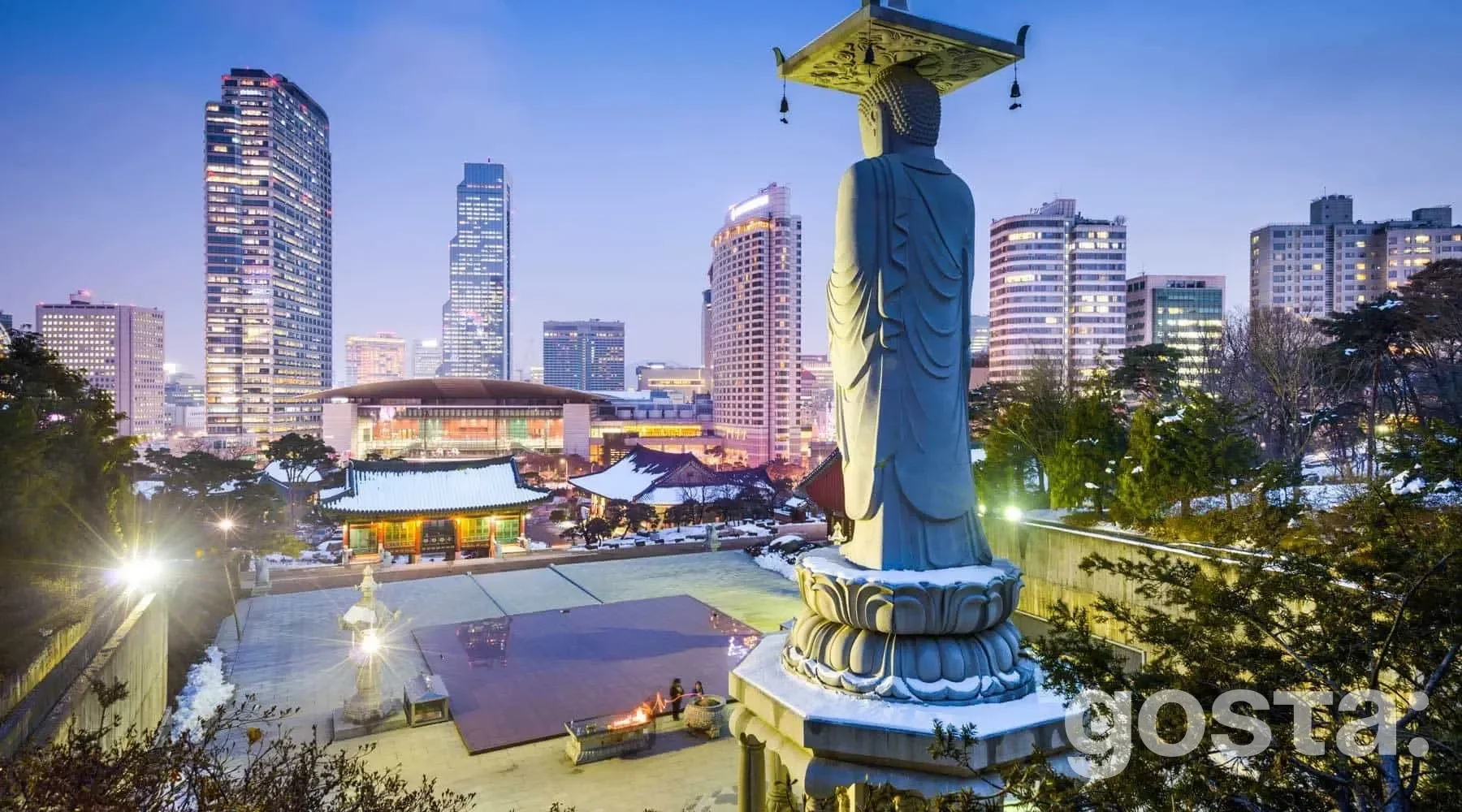
In big cities life runs at full speed. Seoul is an endless stream of people, cafés, co–working spaces and cashless services. The gig economy and remote work are becoming the norm, but corporate culture still sticks to old rules and strict hierarchy. Work–life balance is a hot topic in the media. Startups, however, offer another path: more freedom, more risk and a chance to go global.
Generational gaps are clear. Gen Z is more pragmatic and mobile. They don't want a lifelong career in one company. They switch jobs faster and build their own communities – from K–pop fandoms to street fashion groups. For them, freedom and experience matter most. Older generations value stability and status, which often sparks conflict in politics, business and even families.
What sets the rhythm of South Korea today:
South Korea has already become a cultural powerhouse. Local music is popular worldwide. K–pop dominates Spotify and other global platforms. The music industry is shifting to streaming and subscriptions, boosting Korean labels on international charts.
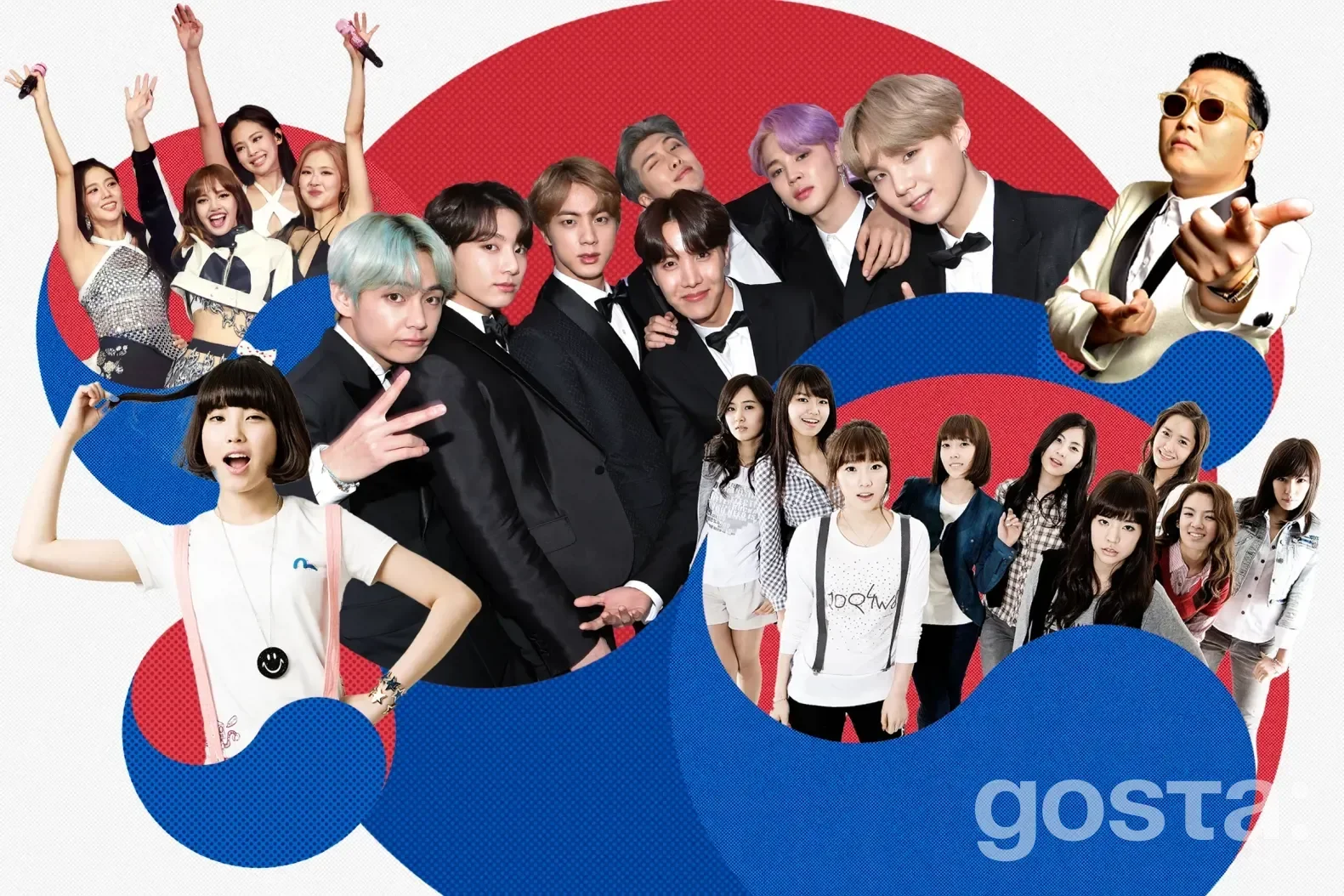
K–pop today is big business. Korean artists fill stadiums in Europe and the US. Behind every song is a full industry – production, marketing and fan culture. K–pop works on a "360–degree" model:
But the industry has risks – overworked artists, contract scandals and dependence on Western streaming platforms.
K–dramas have become as strong an export as music. In 2024–2025, new shows consistently hit the top charts of Netflix and Disney+.
The winning formulas:
The result: millions of views, tourist routes to drama locations and growing global interest in Korean food.
Seoul's street fashion is now East Asia's top idea lab. What pops up on TikTok or Instagram from Korean streets can turn global within a week.
Young people mix retro, techno and traditional elements.
Trends in 2025:
K–beauty is setting the rules. In 2025, the focus is on products that support the skin microbiome and adapt to individual needs. Korean cosmetics are exported to the US, Europe and India. Global retailers expand Korean product lines. Korean companies not only invent new formats but also localize them quickly worldwide.
South Korea is more than idols and dramas. It's a tech hub where culture and innovation often move together. The economy runs on semiconductors. The government invests trillions of won to stay ahead of the US, China and Taiwan. Samsung and SK Hynix dominate the memory chip market, but ambitions are bigger: AI, robotics, bioengineering.
South Korea's strength is in teamwork between the state, big corporations and startups. The government builds clusters and funds R&D. Corporations bring capital and markets. Startups add flexibility and fresh products. Together they form an innovation ecosystem for local and global markets.
Fast–growing fields:
South Korea has held the title of world champion in robotics for years, with more than 1,000 robots for every 1,000 manufacturing workers–the highest density on the planet. But the story goes far beyond numbers. Koreans have turned robotics into an everyday lifestyle, blending it with comfort, design, and cutting-edge tech.
In Seoul, you can sip a latte prepared by a robot barista, check into a hotel where a robot delivers your luggage, or receive a late-night food order from an autonomous delivery bot. Hospitals rely on Da Vinci surgical robots for ultra-precise operations, while elder-care facilities deploy companion robots that talk, play music, and even monitor health, reducing loneliness among seniors.
Government support fuels this boom. Massive national programs fund research labs and startups, while schools teach coding and robotics from the earliest grades. Annual competitions challenge students to build rescue robots, intelligent drones, and bionic prosthetics, turning education into a launchpad for innovation.
As a result, South Korea is not just exporting gadgets – it is evolving into a true laboratory of the future, where robots steadily move from "scientific marvel" to trusted partners in everyday life.
South Korea is one of the world's most developed countries. It has a powerful economy and major cultural influence. But how did it achieve this? Find the answers in this video:
South Korea today is a country of contrasts. It exports culture, music and fashion, while building smart factories and racing for AI leadership. At home it faces a demographic crisis and rising living costs. Its strength lies in merging these extremes. That dynamic makes South Korea so fascinating to the world.
What Is South Korea Famous For?
K–pop, films and dramas. It's known for high tech, innovation and brands like Samsung and Hyundai. Also for food, fashion and its fast lifestyle.
What Does South Korea Produce?
It's a world leader in semiconductors and electronics. It also makes cars, ships, chemicals and cosmetics. Much of it is exported to the US, EU and Asia.
What Language Is Spoken in South Korea?
The official language is Korean. It has its own alphabet, Hangul, created in the 15th century. English is widely taught in schools and universities.
Без спаму. Лише топ-матеріали Gosta. Відписатись в один клік.