The Volyn Tragedy is one of the darkest chapters in Ukrainian-Polish history — and still a source of tension. But mature societies don't fear the truth, even when it's painful. Here's what really happened and why both nations have the right to truth and remembrance.
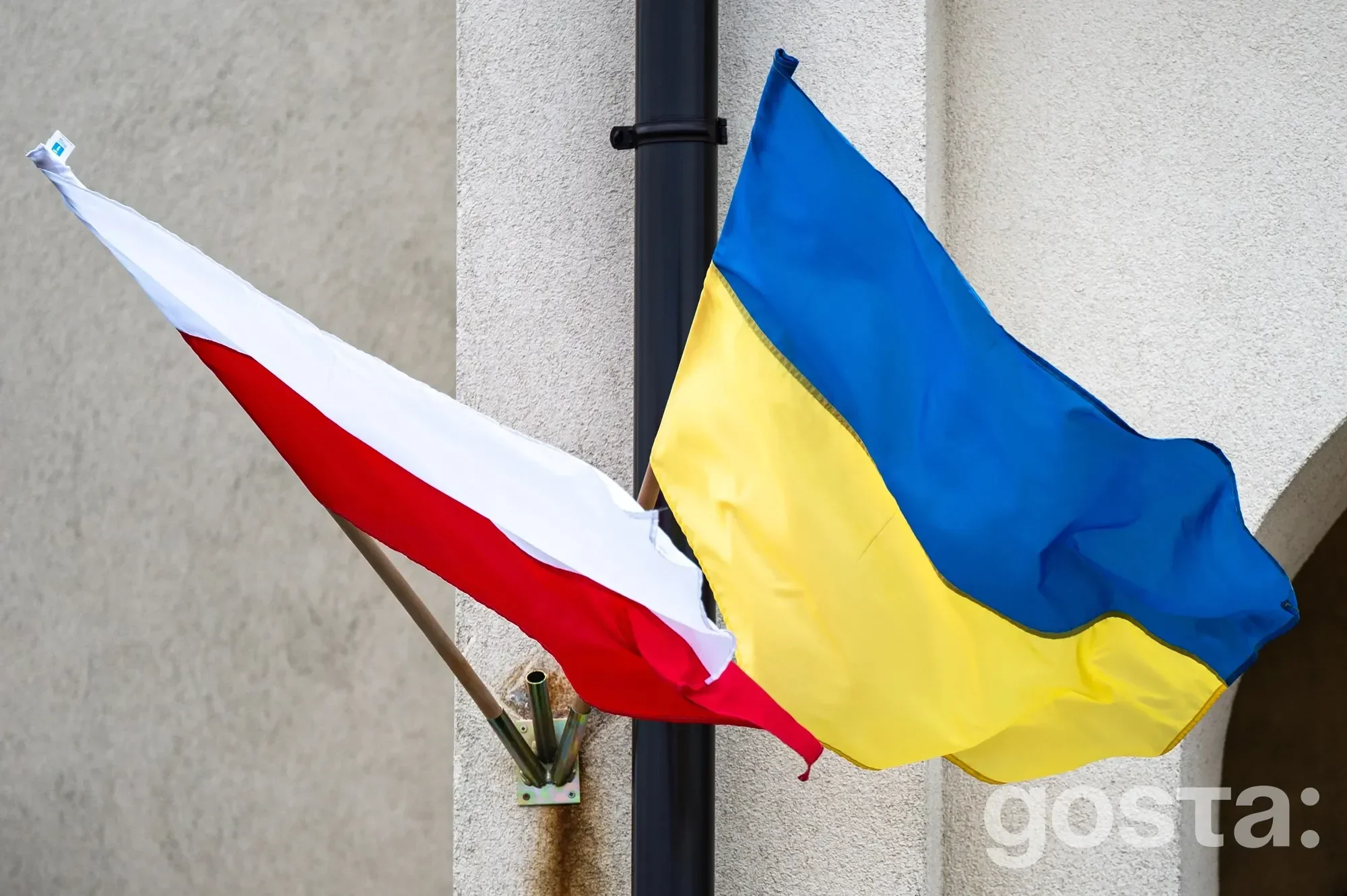
How the Volyn Tragedy Began – Historical Background
The Volyn Tragedy took place between 1943 and 1945. To understand it, we need to look back to the interwar years. After Ukraine lost its independence, Volyn became part of the Polish Republic. The Polish authorities carried out a policy of Polonization: Ukrainian schools were restricted, and Orthodox churches were closed. This caused growing resentment among locals.
The Polish state viewed Ukrainian aspirations for independence as a threat, and mutual distrust deepened. In 1939, Germany and the USSR divided Poland. By the early 1940s, most of Poland and Ukraine, including Volyn, were under German occupation. The region became a battlefield where everyone fought everyone, fueling an explosion of violence.
Why the Volyn Tragedy Happened – Video Explanation
Could the tragedy have been avoided? We'll never know for sure. But we can study the causes to ensure it never happens again. Watch this video to learn more:
What Happened Between 1943 and 1945
In the summer of 1943, anti-Polish attacks began in Volyn, organized by the OUN and UPA. Their goal was to remove Polish settlers from what they considered Ukrainian ethnic lands. Sadly, many of the victims were innocent Polish families uninvolved in combat.
In response, Polish forces — the Home Army (Armia Krajowa), Peasant Battalions, and local self-defense units — launched retaliatory raids on Ukrainian villages, often with equal or greater brutality. Thousands of Ukrainian civilians were also killed.
Eyewitnesses recalled that control over villages could change several times in a single day — from the Home Army to the UPA to Soviet partisans. In such chaos, no one recorded who the killers or victims were. Historians have since identified about 30,000 Polish victims and 10,000 Ukrainian ones — far fewer than the "hundreds of thousands" sometimes claimed in Polish media.
The tragedy did not arise out of nowhere. Its roots lay in political, social, and psychological factors:
- Discrimination against Ukrainians in interwar Poland and suppression of national institutions.
- Ukrainian aspirations for independence, seen by Warsaw as a threat.
- Power vacuum during WWII, with no stable authority.
- Manipulation by Nazi and Soviet intelligence services aiming to weaken both underground movements.
- Desire for revenge after mutual attacks, fueling a spiral of violence.
When a society lives for years under fear, humiliation, and hopelessness, a single spark can ignite mass bloodshed. Totalitarian regimes gladly provided that spark — seeing Ukrainians and Poles as enemies, not allies.
How the Volyn Tragedy Ended
The bloodshed didn't stop in 1945. Both communist Poland and the USSR feared Ukrainian insurgents. This led to deportations of Ukrainians from both countries, including during Poland's "Operation Vistula." Many Ukrainians were imprisoned or killed in Poland's Jaworzno camp and in Soviet labor camps.
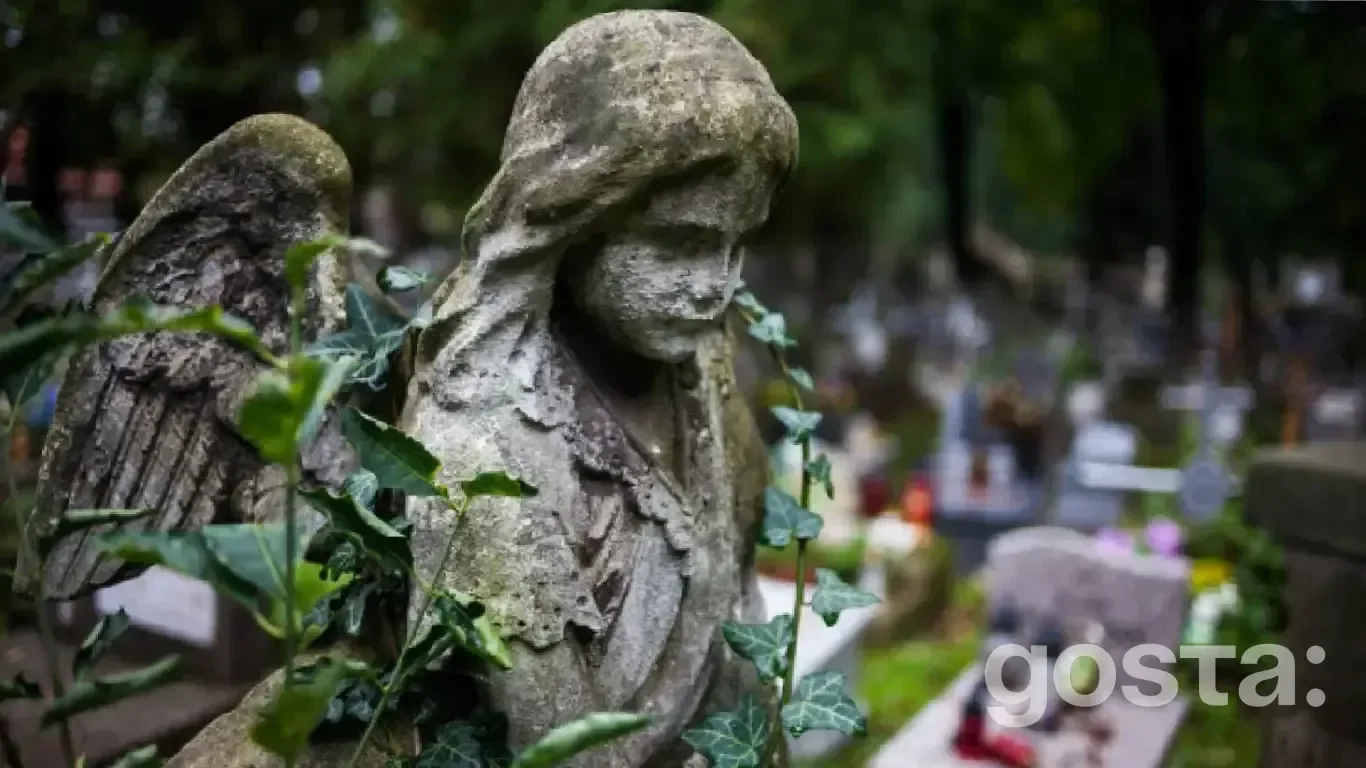
The Soviet government silenced the topic, as it didn't fit the official "brotherhood of nations" narrative. In Poland, communist authorities portrayed the UPA as "fascists," avoiding any deeper analysis of the conflict. Only after the fall of communism did serious research begin.
Since the 1990s, Ukraine and Poland have worked toward mutual understanding. Joint historical commissions study the events, and teams search burial sites. Still, many wounds remain open. Historians on both sides agree: crimes were committed by both Ukrainians and Poles. That's why it's vital to study this chapter calmly and honestly.
The Volyn Tragedy – Lessons for Today
The Volyn Tragedy shows the price of war, hatred, and indifference. In the 21st century, as Ukraine again defends itself against an aggressor, this topic feels especially relevant.
Russian propaganda is trying to reopen old wounds to divide Ukrainians and Poles — just as Stalin's and Hitler's regimes once did.
Today, an honest and shared understanding of Volyn is not just a historical matter but one of national security. As historian Yaroslav Hrytsak said: "Ukrainians must acknowledge their part in this tragedy... and the same must come from the Polish side. The formula should be: we ask forgiveness and we forgive."
Key lessons from the Volyn Tragedy:
- History should never be used as a weapon.
- Memory must not become a political tool.
- National pride doesn't deny others' pain.
- Forgiveness does not mean forgetting.
Ukraine and Poland have already proven they can stand together against a common enemy. Historical memory should unite us — not divide us.
Frequently Asked Questions
How many Ukrainians were killed during the Volyn massacre?
Estimates say around 10,000–12,000 Ukrainians died, mostly civilians — farmers, women, children, and the elderly — killed by Polish forces in retaliation for earlier attacks.
What was the Volyn massacre?
It was a series of mass killings of Polish and Ukrainian civilians between 1943 and 1944 in Volyn and Galicia during World War II. The tragedy was a result of long-standing ethnic tensions and political conflict.
Why did the Volyn Tragedy happen?
Because of deep-rooted disputes between Poles and Ukrainians that intensified during the war. Ukrainians sought independence, while Poles aimed to keep control over the territory. Nazi and Soviet occupations further fueled violence and revenge.