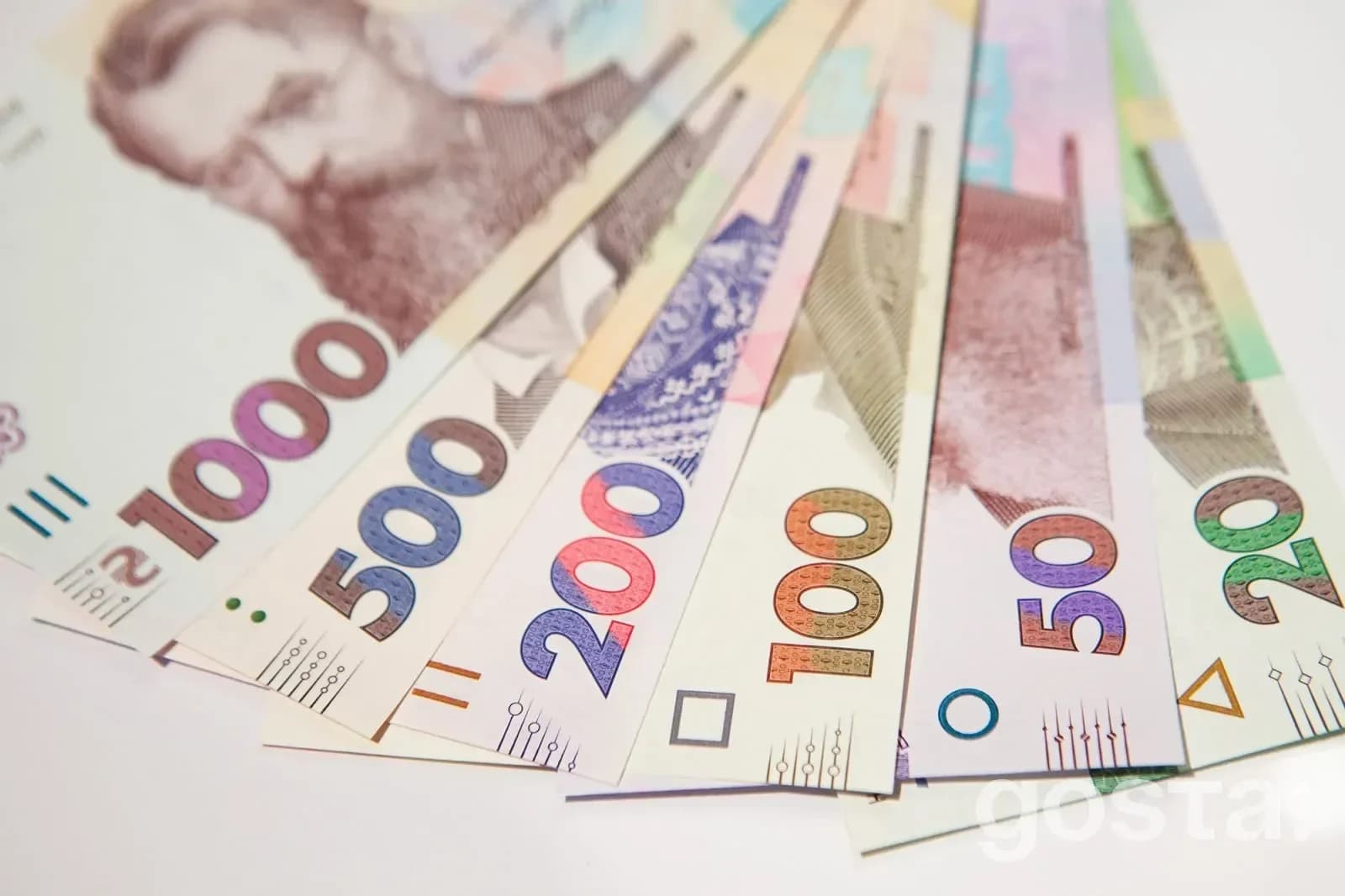
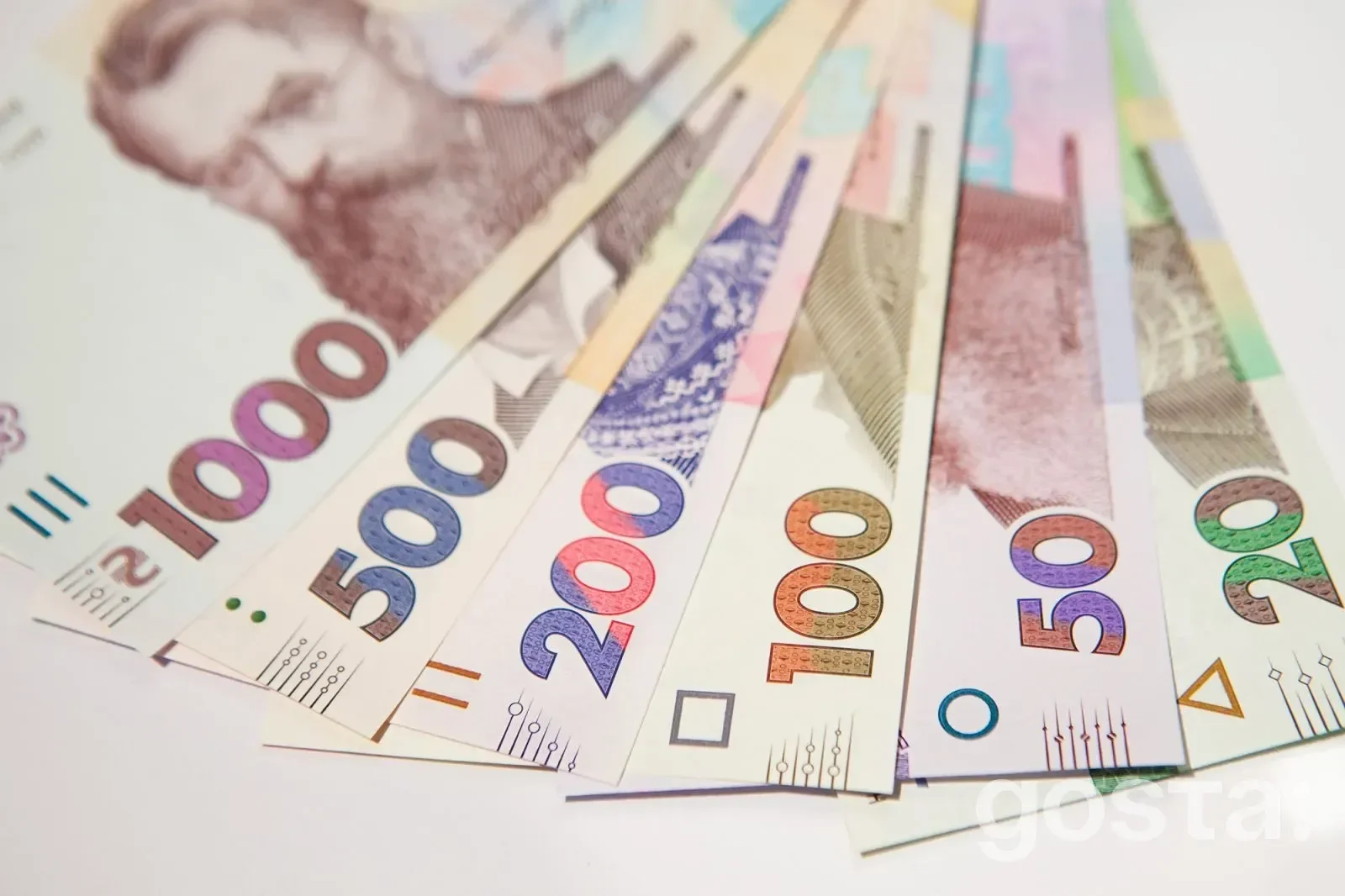
We often think of money simply as a tool for buying and selling. But it's also a form of design, a reflection of memory, culture, and the struggle for identity. Each banknote bears a face — a person who played a role in building Ukraine. We see these portraits every day, but rarely do we pause to ask: Who are they? Why were they chosen to represent our national currency? This article is your quick guide to the people we carry in our wallets. They're not just historic figures — they're symbols of entire eras. And we have a lot to learn from them.
Who's on the 1 Hryvnia Note?
The 1 hryvnia note features Volodymyr the Great, the prince who Christianized Kyivan Rus. He united territories, strengthened the state, and made a defining choice — adopting Christianity. That moment changed the course of Ukrainian history.
Often called "the founder of Ukrainian statehood," Volodymyr brought in religion, reformed laws, and developed education. His image on the first banknote marks a beginning — the starting point of our national journey.
Who's on the 2 Hryvnia Note?
On the 2 hryvnia note is Yaroslav the Wise, son of Volodymyr the Great. He built on his father's legacy — strengthening the government, creating a legal system ("Rus' Justice"), and promoting schools and monasteries. Under his rule, Kyiv became a European cultural and political hub.
Yaroslav wasn't just respected at home. His daughters married into royal families in France, Norway, and Hungary. His face on the 2-hryvnia note stands for wisdom, diplomacy, and growth.
Who's on the 5 Hryvnia Note?
Bohdan Khmelnytsky is featured on the 5-hryvnia note. He became a symbol of national resistance as the Hetman who led a liberation war against the Polish-Lithuanian Commonwealth. He also founded a new form of governance — the Cossack Republic.
His controversial alliance with Moscow sparks debate today. But there's no doubt his name is forever tied to the idea of independence.
Who's on the 10 Hryvnia Note?
The 10-hryvnia note features Ivan Mazepa, Hetman of the Zaporizhian Host and head of the Cossack state. A sharp political and military leader, Mazepa supported education and culture, building schools, churches, and funding printing presses.
Despite the twists of his life and politics, Mazepa represents the fight for independence from Russia. He's a figure long silenced, but key to understanding Ukrainian history.
Who's on the 20 Hryvnia Note?
Ivan Franko appears on the 20-hryvnia note. He was a writer, poet, translator, scholar, and public intellectual — a cornerstone of modern Ukrainian culture. Franko was Ukraine's first professional writer, earning a living solely through his work. He spoke over ten languages and translated Homer, Shakespeare, Dante, and Goethe.
His writing touched everything from love to social justice. He helped awaken political awareness in Ukrainians. His face on the 20-hryvnia note symbolizes thought, voice, and the power of the written word.
Who's on the 50 Hryvnia Note?
Mykhailo Hrushevsky, a historian and Ukraine's first president, is on the 50-hryvnia note. He led the Central Rada in 1917 — the first attempt in the 20th century to restore Ukrainian independence.
From the archives to the political stage, Hrushevsky became the voice of the nation. He authored the monumental "History of Ukraine-Rus", founded scientific institutions, and guided Ukraine's national revival.
Who's on the 100 Hryvnia Note?
On the 100-hryvnia note is Taras Shevchenko — the soul and voice of Ukraine. A poet, prose writer, thinker, painter, engraver, ethnographer, and activist. His "Kobzar" became the spiritual foundation of the nation. His poetry spoke for the people, and his work remains timeless over a century later.
Shevchenko is seen as a genius, a prophet — the heart of Ukrainian identity.
Who's on the 200 Hryvnia Note?
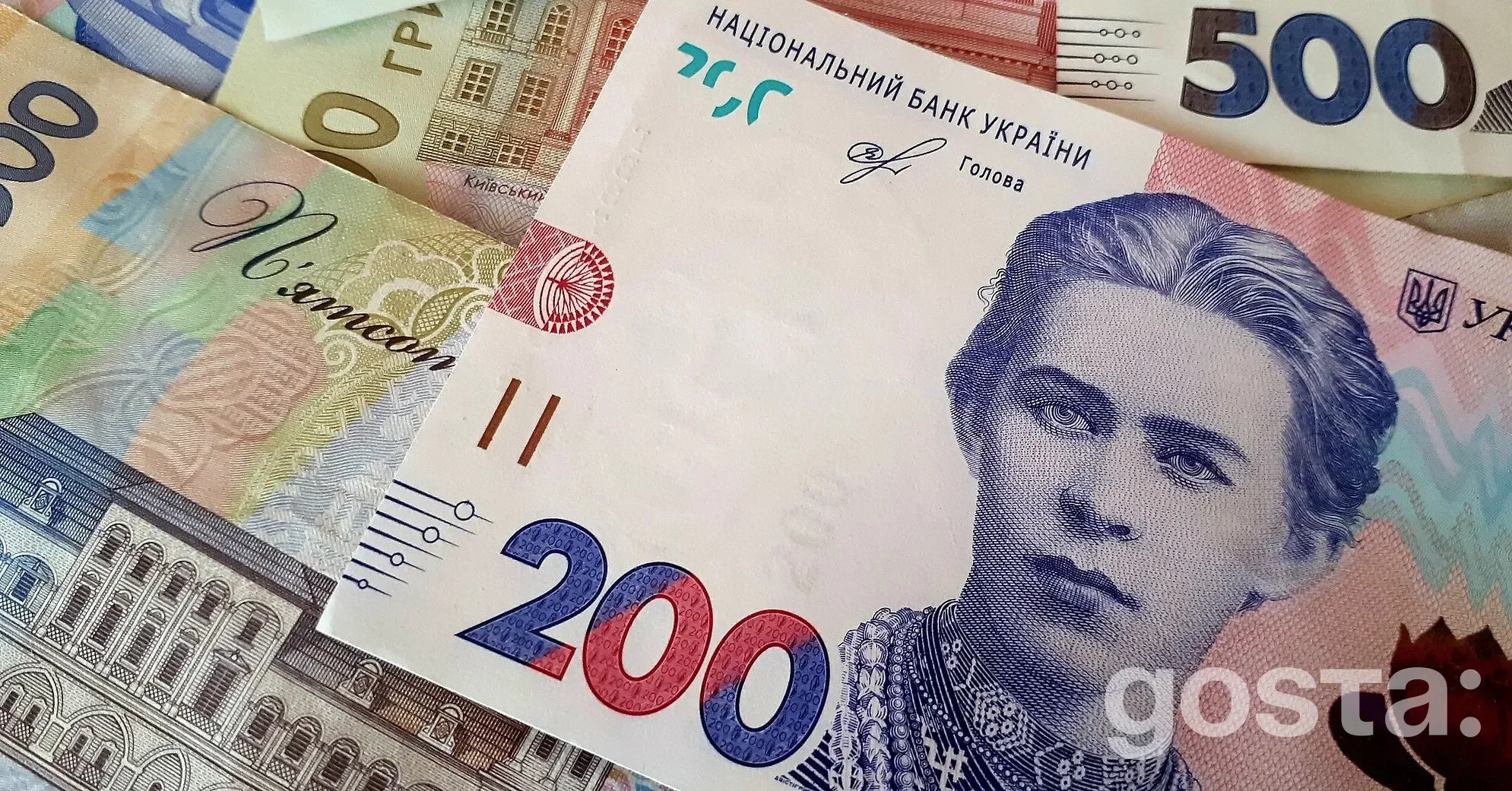
The 200-hryvnia note shows Lesya Ukrainka — poet, playwright, intellectual, and cultural icon. She gave Ukrainian literature new emotional and intellectual depth. Lesya wrote about freedom, pain, sacrifice, and inner strength.
She is much more than "Contra spem spero". Even in illness, she created. Even in darkness, she saw light. The woman on the 200-hryvnia note is the fearless, proud, unbreakable face of the nation.
Who's on the 500 Hryvnia Note?
Hryhorii Skovoroda, a wandering philosopher, teacher, and poet, is on the 500-hryvnia note. Often called the Ukrainian Socrates, he didn't seek wealth — his gift was wisdom. He taught that happiness comes from within and that freedom is the highest value.
Some are surprised to see Skovoroda on the highest-value note, given his rejection of materialism. But his ideas are rich and relevant. His philosophy lights a path to freedom and truth.
Who's on the 1000 Hryvnia Note?
On the 1000-hryvnia note is Volodymyr Vernadsky — a scientist, thinker, and founder of the noosphere concept. He bridged science and philosophy, the material and the spiritual. Vernadsky helped shape modern views of nature and humanity's role in it.
He founded the fields of geochemistry, biogeochemistry, and radiogeology. His ideas were far ahead of their time. That's why featuring him on the 1000-hryvnia note is a fitting tribute to the power of human intellect.
Who's on Ukrainian Banknotes — Video
Ukrainian hryvnias reveal a lot about the country's history and culture. Each figure is unique and important in their own way. Learn more about them in this video:
Final Thoughts
Every Ukrainian banknote is more than a means of payment. It's a reminder of who we were, who we are, and who we aim to become. These are the faces of struggle, wisdom, language, spirit, and science. What we carry in our wallets isn't just money. It's history. From princes to poets, from hetmans to philosophers — these are the people we should be proud of. And the history we must remember.
Frequently Asked Questions
Will there be a 2000-hryvnia note?
Nope, not yet. The National Bank hasn't made one. No plans for it either. Just rumors for now.
What Is on the Back of the 200-Hryvnia Note?
On the back of the 200-hryvnia banknote, you can see the Entrance Tower of Lutsk Castle. It was built in the 14th century. This castle was one of the strongest fortresses in Volyn.
What Does the Inscription on the 500-Hryvnia Note Mean?
Above the fountain on the 500-hryvnia note, there's an inscription that says "Unequal to all is equal." It's an aphorism by the Ukrainian philosopher Hryhorii Skovoroda.
What Is the Fountain on the 500-Hryvnia Note?
The fountain shown on the 500-hryvnia note is a symbolic Fountain of Unequal Equality, based on Skovoroda's philosophy. It's an imaginary image, not a real fountain. It shows Skovoroda's idea: God, like a fountain, fills people (vessels) according to their capacity, but all are equal in that they can be completely filled.