The False Claims Act – often called the "Qui Tam" statute (from Latin qui tam pro domino rege quam pro se ipso, meaning "who sues on behalf of the king as well as for himself") – empowers private individuals, known as relators, to bring lawsuits on behalf of the government against entities that defraud federal programs.
"The purpose of this law is to encourage persons with knowledge of fraud against the Government to come forward, even from within the offending entities, and to assist the Government in prosecuting those who violate the law."
– Justice Byron White, in Vermont Agency of Natural Resources v. United States ex rel. Stevens, 529 U.S. 765 (2000)
Effective coordination between attorneys across jurisdictions is essential because many cases involve multi-state operations or nationwide contracts. Seamless collaboration ensures whistleblower claims reach the right forums, leverage local expertise, and maximize recovery for the government and relators.
Understanding the Jurisdictional Landscape
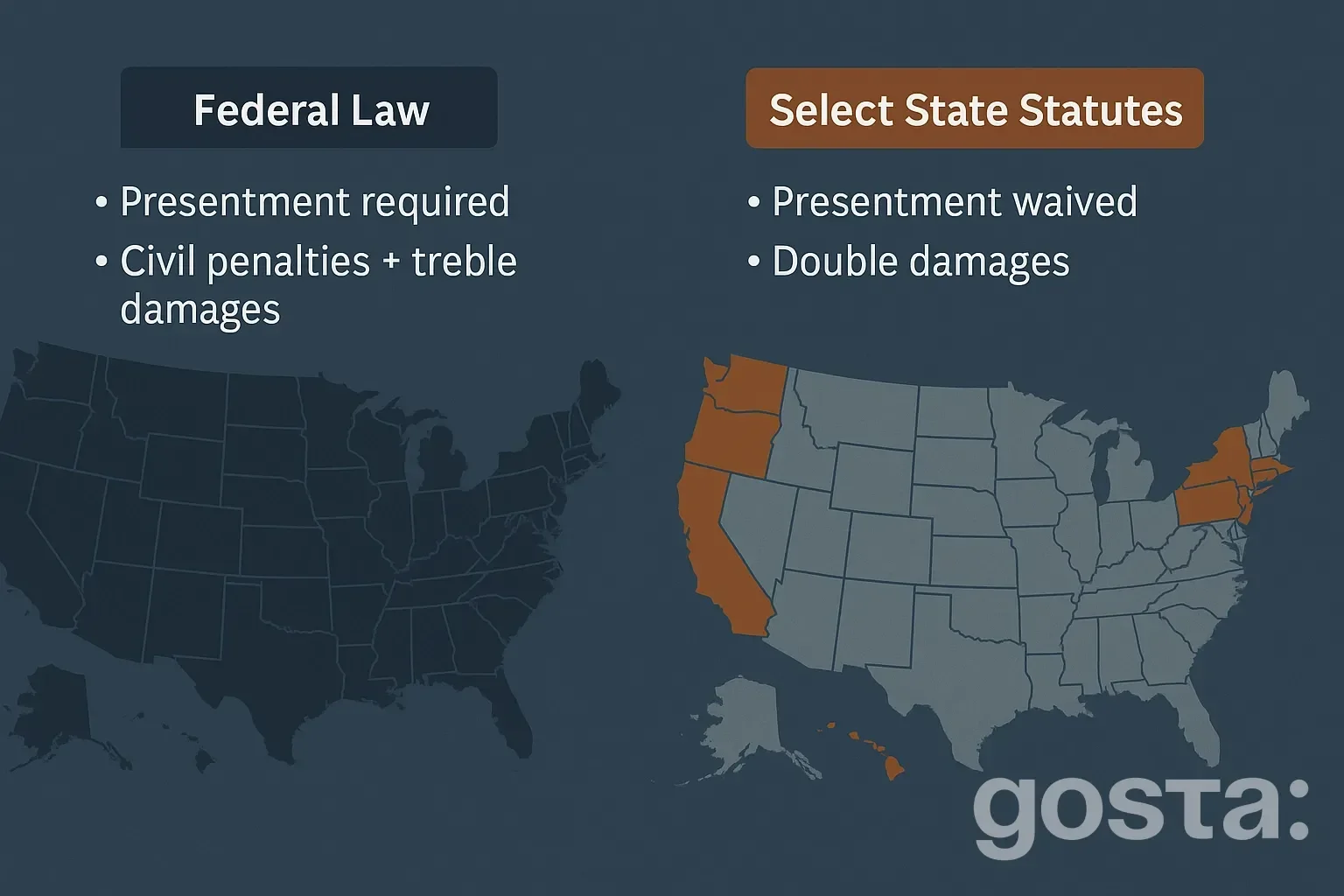
Qui Tam litigation often straddles both federal and state enforcement mechanisms. At the federal level, the Act applies whenever a false claim is submitted for payment to a federal program (e.g., Medicare, Medicaid). Many states have enacted "mini-False Claims Acts" mirroring the federal statute but tailored to local programs.
"Any person who knowingly presents, or causes to be presented, a false or fraudulent claim for payment or approval shall be liable to the United States Government for a civil penalty…"
– 31 U.S.C. § 3729(a)(1)
Identifying which statutes apply in each jurisdiction prevents forum disputes and dismissal motions.
Building a Multi-Jurisdictional Legal Team
Assembling the right mix of counsel is the first step in a coordinated Qui Tam strategy. Lead counsel oversees overall case strategy and acts as liaison with the Department of Justice, while local counsel brings state-specific expertise – handling sealed filings, depositions under local procedure, and local discovery. Support specialists (e-discovery vendors, forensic accountants, regulatory advisors) ensure comprehensive document collection and financial analysis across all relevant jurisdictions.
"A unified team structure not only reduces duplication but also strengthens the admissibility of evidence by maintaining consistent chain-of-custody protocols."
– DOJ Civil Fraud Section Manual (2018), Section 4-_03
Communication Protocols & Technology
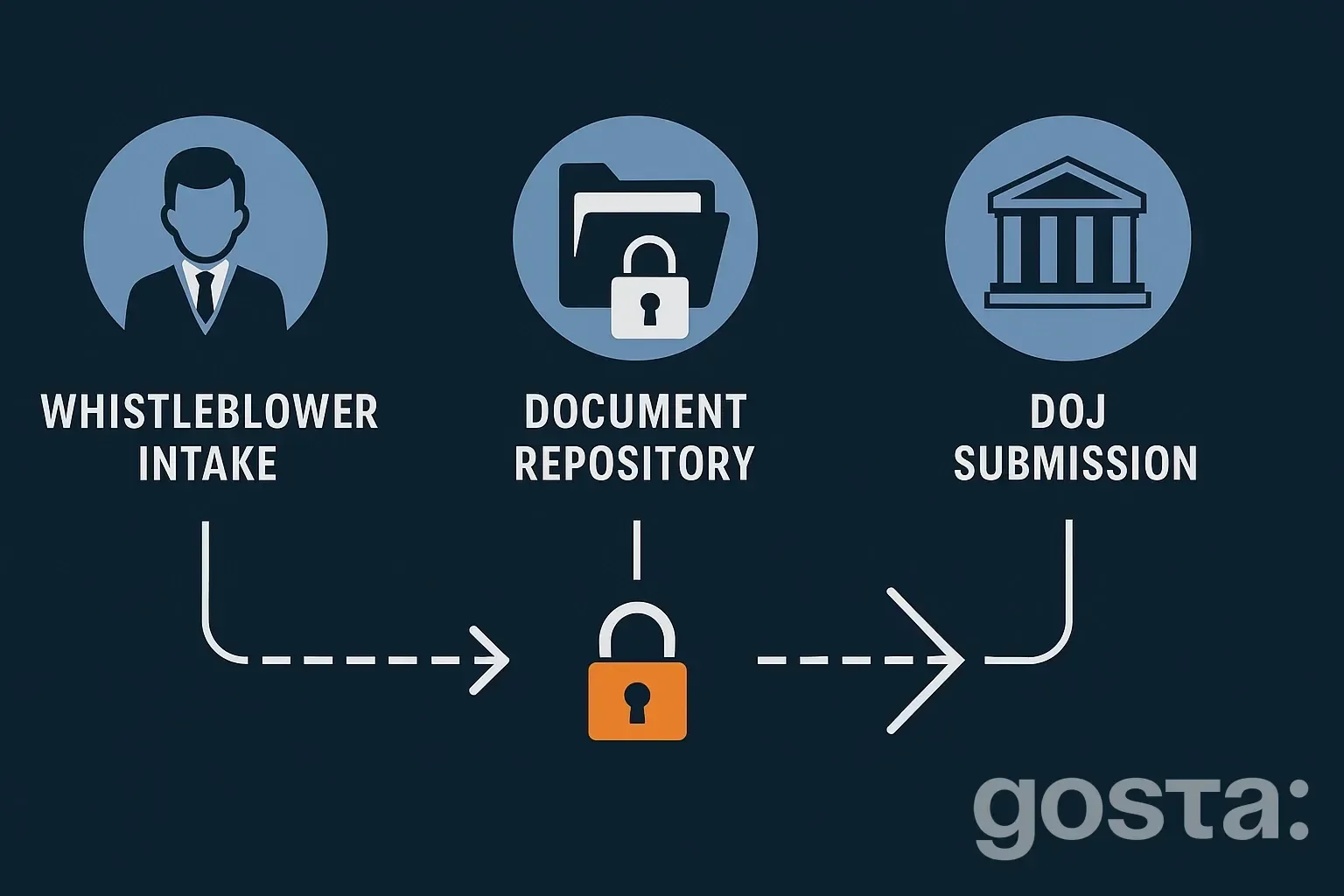
In a multi-office Qui Tam team, information must flow securely and efficiently at every step. Encrypted document repositories – such as iManage or NetDocuments – serve as centralized hubs for all pleadings, exhibits, and correspondence, with strict access controls ensuring only authorized counsel can retrieve sensitive materials. Regular video-conference strategy sessions keep attorneys aligned on case milestones, evidence developments, and emerging risks, while secure messaging channels enable real-time alerts when critical deadlines or investigative breakthroughs occur.
Coordinating Investigations & Evidence Gathering
Effective evidence management hinges on a unified system that holds interviews, financial records, and regulatory filings in a central database tagged by state, agency, and document type. Chain-of-custody protocols document every transfer – physical or digital – to preserve admissibility across jurisdictions. At the same time, strict confidentiality measures protect the whistleblower's identity: local counsel file sealed disclosures under each state's procedural rules, and all communications follow a need-to-know principle that limits access to core team members.
"Maintaining a searchable, metadata-driven evidence repository reduces review times by up to 40%."
– Association of Certified Fraud Examiners, 2023 Fraud Report
Harmonizing Pleadings and Litigation Strategy
Maintaining consistency in allegations and legal theories enhances credibility before courts. Teams draft a master complaint template capturing the full scope of alleged misconduct; local counsel then incorporate jurisdiction-specific facts and legal citations before filing. Venue analyses weigh factors such as docket backlogs, jury profiles, and judicial tendencies to determine whether to pursue transfer or consolidation motions. This harmonized approach ensures legal arguments remain coherent, even as cases traverse multiple federal and state forums.
Overcoming Common Challenges
Multi-jurisdictional Qui Tam litigation often encounters conflicts of law when state statutes diverge on damage multipliers or notice requirements. Early comparative research highlights these disparities, allowing counsel to draft pleadings that address each jurisdiction's nuances without inviting dismissal. Ethical considerations – such as privilege waivers and client confidentiality across separate engagements – require clear protocols or joint defense agreements to prevent conflicts among co-counsel.
"A joint discovery protocol can eliminate redundancies and protect client privileges in complex, multi-state litigations."
– National Institute for Trial Advocacy Journal, Vol. 29, Issue 3
Case Study: A Successful Multi-State Qui Tam Action
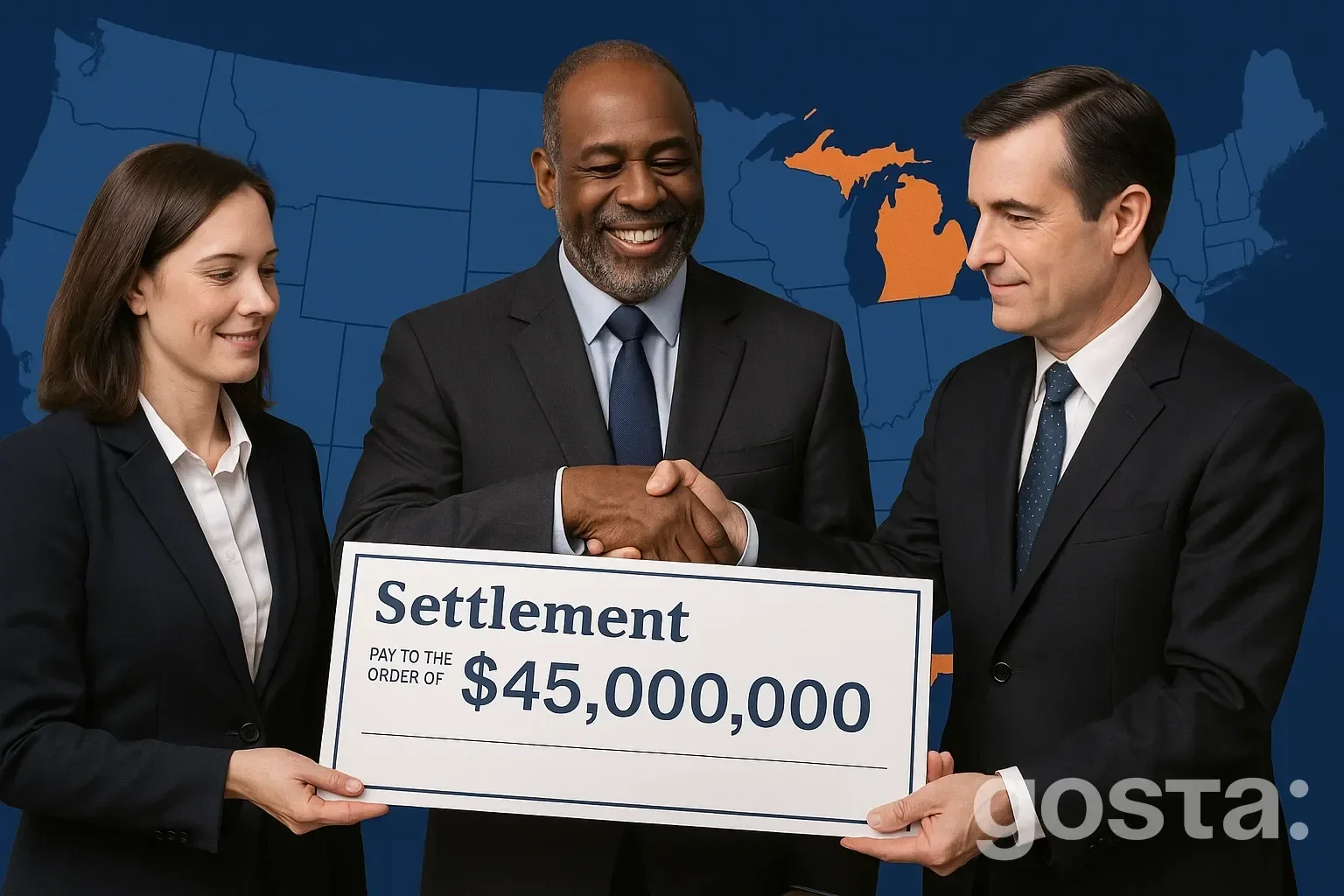
In a landmark whistleblower case against a national healthcare provider, Michigan, Florida, and Texas teams collaborated under one umbrella complaint. All evidence was centralized in a secure portal, and weekly strategy calls ensured factual consistency and synchronized filings. Local attorneys secured state-specific documents under seal, while lead counsel coordinated with the Department of Justice. The unified effort produced a $45 million global settlement – $32 million to the government and a substantial relator's share – demonstrating the power of coordinated, cross-border advocacy.
Conclusion & Best Practices
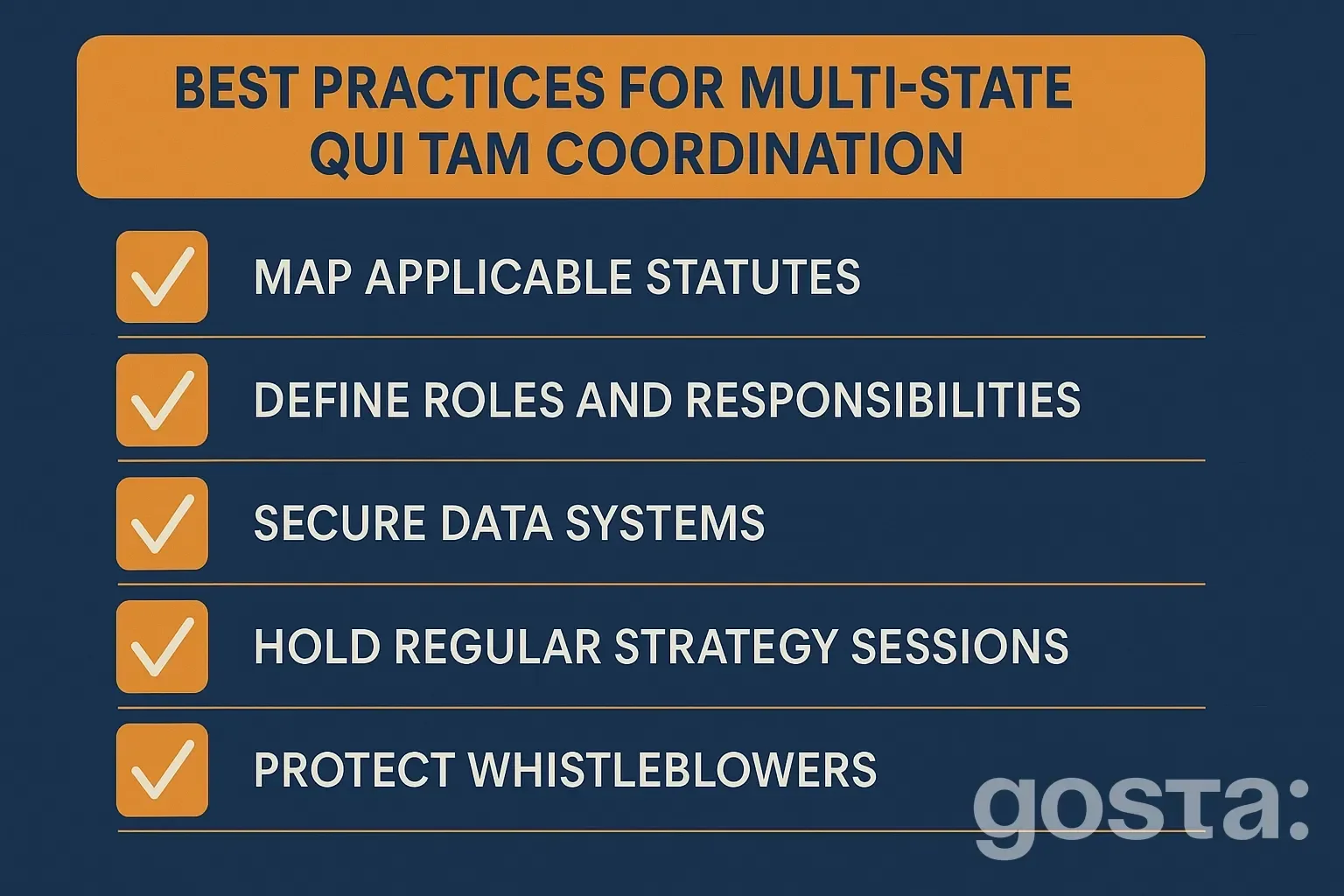
Qui Tam prosecutions that span multiple jurisdictions demand meticulous planning, defined roles, and robust communication infrastructure. By mapping applicable statutes, assembling a lead-and-local counsel structure, and implementing secure data systems with regular strategy sessions, legal teams can navigate procedural challenges, protect whistleblowers, and achieve optimal recoveries under the False Claims Act.