Rabat, the Capital of Morocco — Facts About a City Often Confused With Casablanca
Many people think Casablanca is the capital of Morocco, but the real capital is Rabat. Find out what makes Rabat special and how the city lives today.
Рада ухвалила закон про мобілізацію: що змінюється для українців
Долар 41.54 ₴ (+0.12), євро 44.98 ₴ (-0.05)
Кременчук: +18°C, ясно. Увечері до +12°C.
День працівників соціальної сфери. Всесвітній день сміху.
Сьогодні святкують: Максим, Віктор, Тамара
Овен: Хороший день для нових починань. Зірки сприяють ініціативі.
2004 — Кіпр, Чехія та 8 інших країн вступили до Євросоюзу
Паливо знову подорожчало: А-95 переступив психологічну межу
Apple iPhone 17 Air: все що відомо про найтоншу модель
Many people think Casablanca is the capital of Morocco, but the real capital is Rabat. Find out what makes Rabat special and how the city lives today.
Morocco is famous for its colors, rich history, and contrasting cities. But there's a common mistake: many tourists believe Casablanca is the capital. In reality, Rabat is the political and administrative center of the country. The reason for the mix-up is simple: Casablanca is Morocco's biggest city, the real economic heart, and world-famous thanks to the classic movie. Rabat, on the other hand, feels calmer and less touristy, even though it plays a key role as the nation's capital.
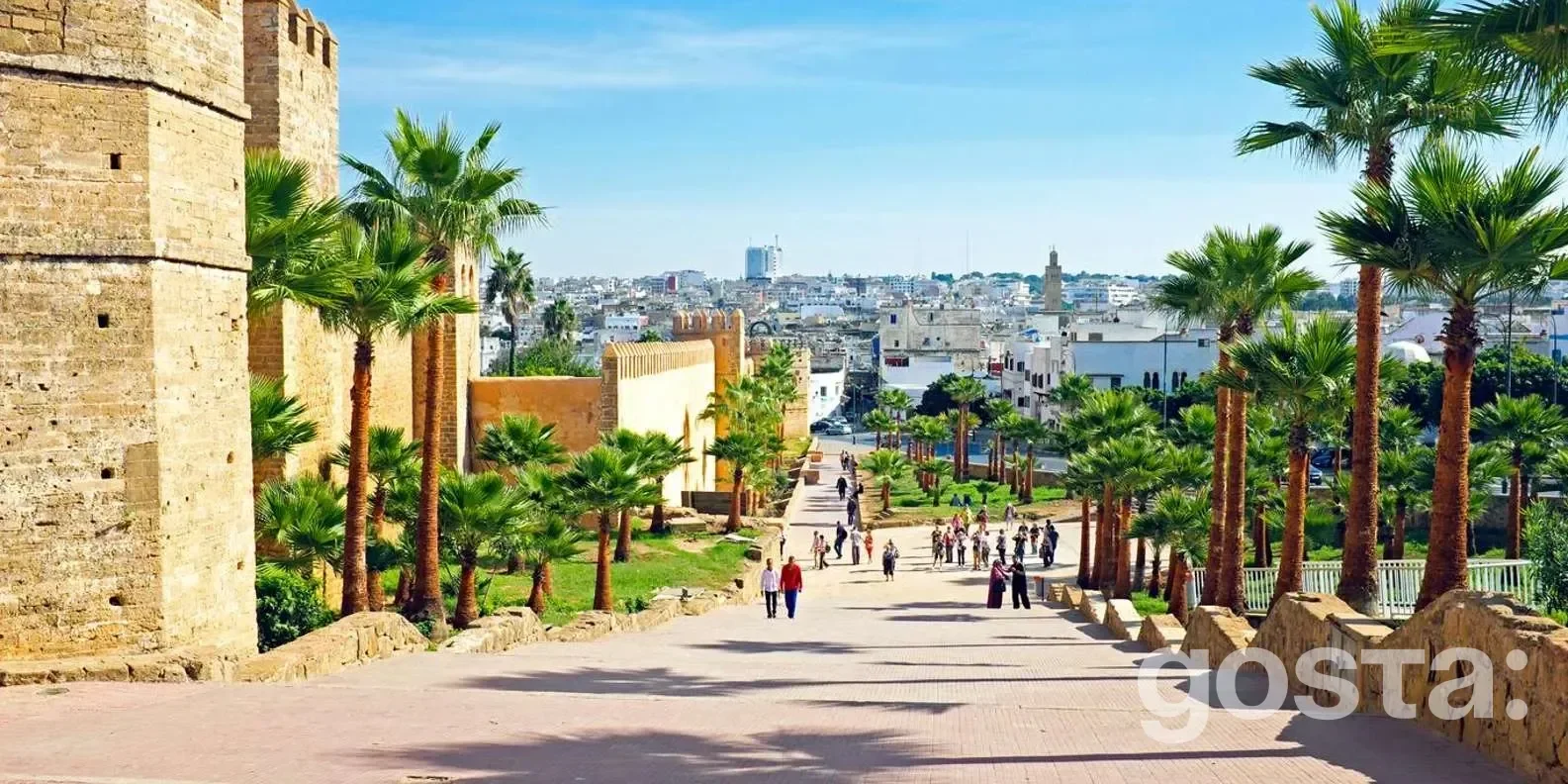
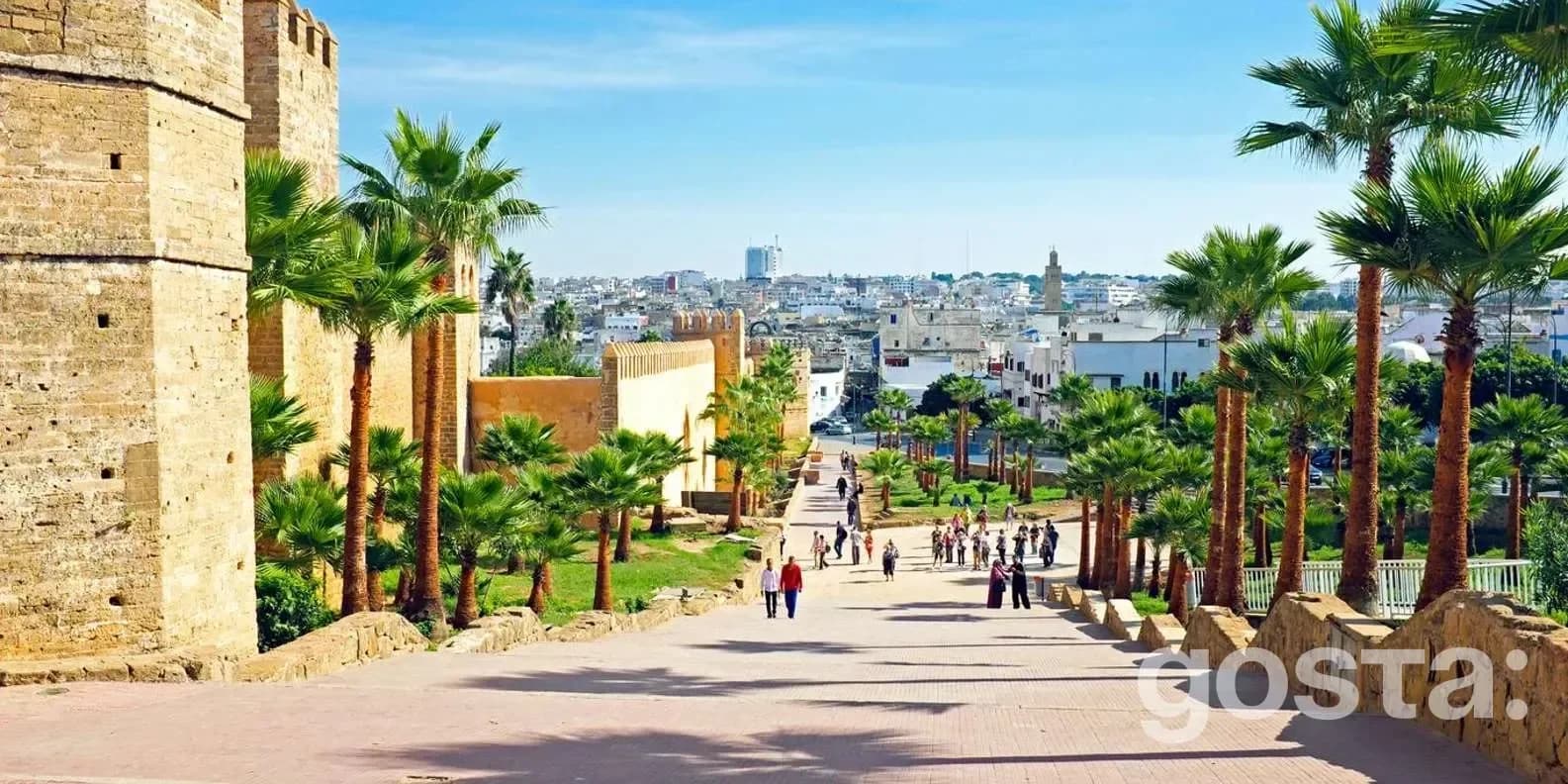
Rabat impresses with a mix of old architecture and modern districts. The city has dozens of must-see sights.
One of Rabat's best-known landmarks. This 11th-century fortress once protected the city from sea attacks. Today, its narrow streets with blue and white facades are perfect for walks, and the viewpoints offer stunning views of the Atlantic Ocean and the Bou Regreg River.
A 12th-century minaret that was meant to be part of the world's largest mosque. The project was never finished, but the 40-meter tower became a symbol of Rabat. Even in its incomplete state, it is impressive.
Right next to Hassan Tower, this white marble mausoleum stands out with its ornate design. It holds the tombs of King Mohammed V and his sons, Hassan II and Moulay Abdallah. Inside, you'll see carved cedar ceilings and intricate mosaics.
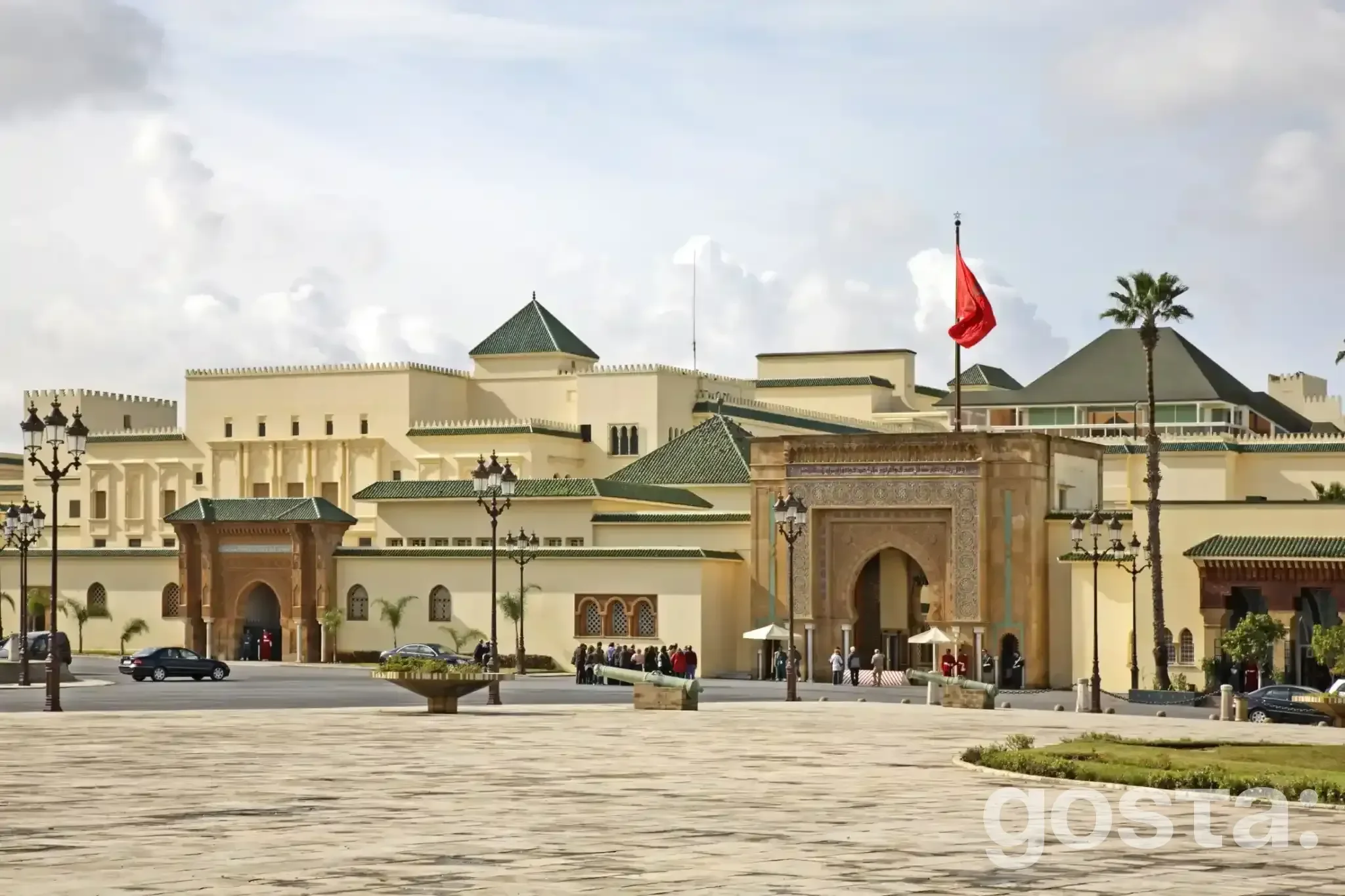
The official residence of the Moroccan king. Visitors can't enter, but the complex impresses with its size and grand gates. Around it are government and administrative buildings.
The old town, with narrow streets, markets, and workshops. Here you can taste local food and shop for handmade souvenirs: carpets, pottery, jewelry.
A green escape near the Kasbah of the Udayas. Orange trees, fountains, and peacocks make it a peaceful spot away from city noise.
An ancient fortified site dating back to Roman times. You'll see ruins of walls, a minaret, and tombs mixed with lush gardens where storks often nest.
One of Morocco's top cultural centers, featuring works by Moroccan and international artists.
The largest theater in the country, home to plays, concerts, and festivals. A symbol of Rabat's cultural life.
A Catholic church built by the French in colonial style. Its unusual architecture shows the European influence on the city.
Rabat is more than Morocco's political capital. It's a city where history meets modern culture, from ancient ruins to contemporary museums and theaters.
Learn more about world capitals — check out our article on Washington, D.C.
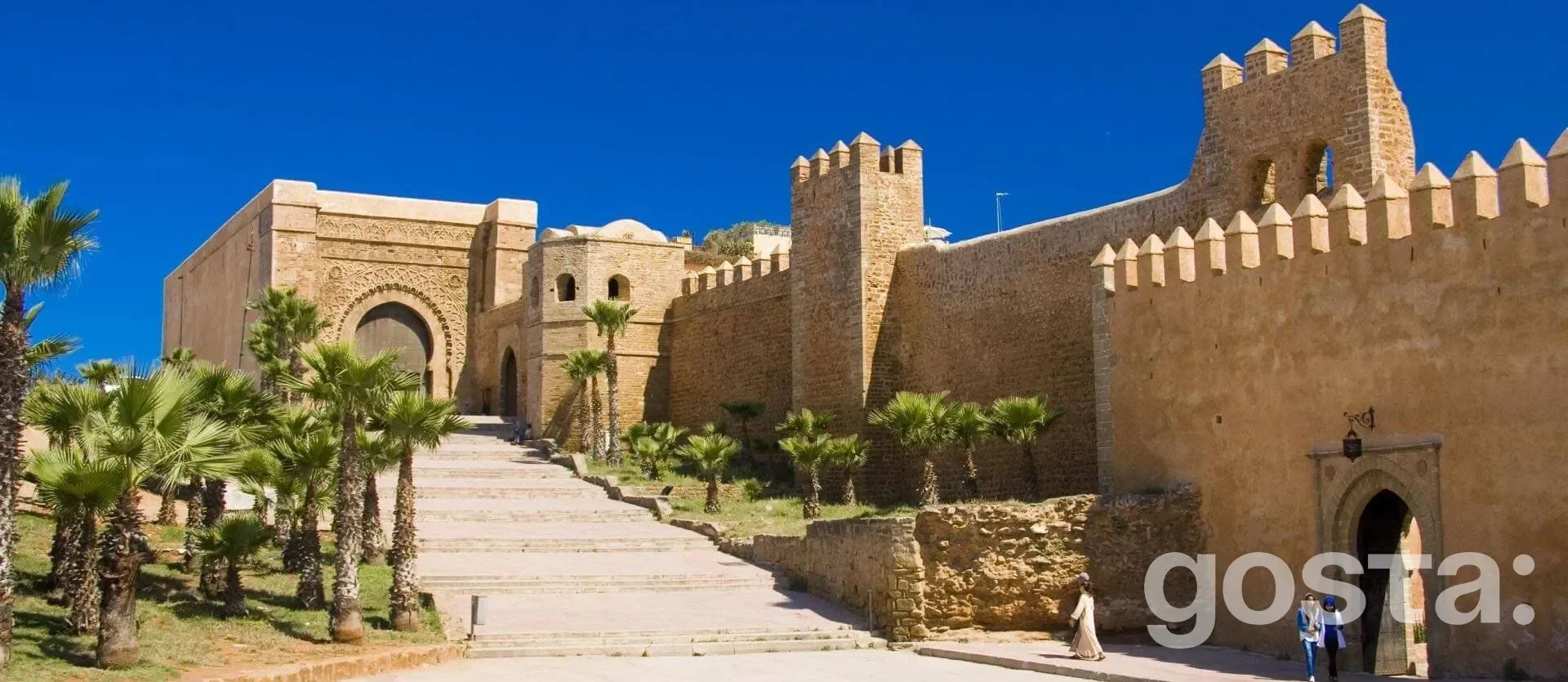
Rabat is not just the country's capital. It has its own unique character:
Even though Rabat is the capital, it's a peaceful and comfortable city to live in.
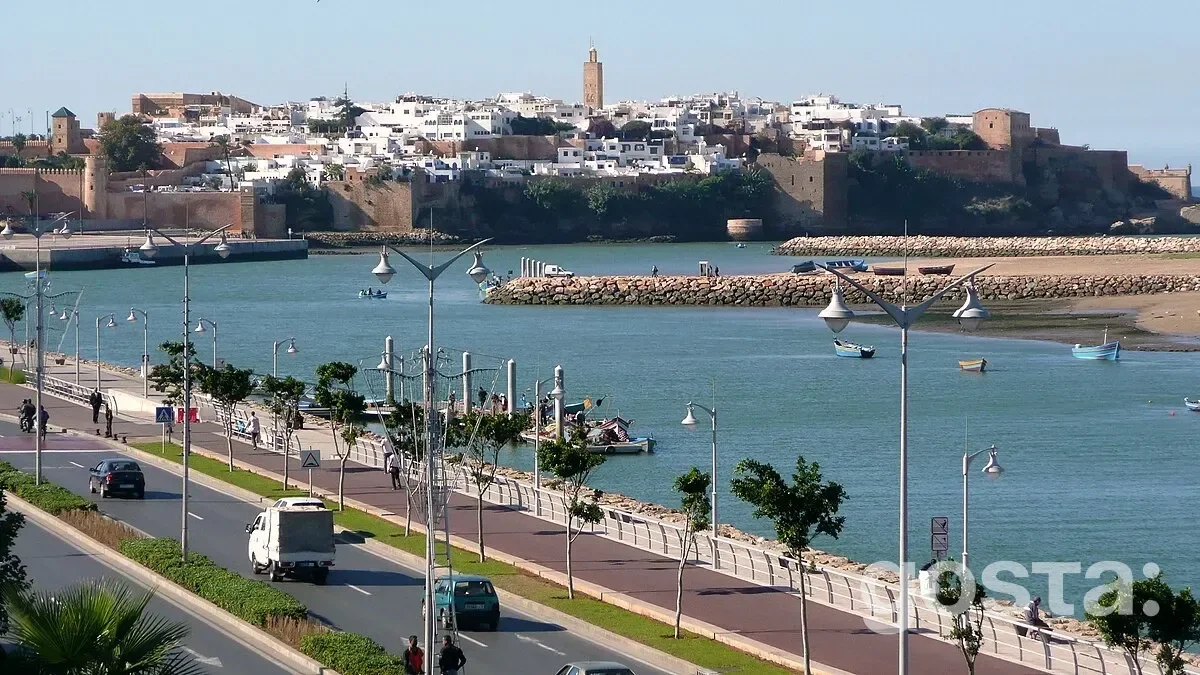
Modern Rabat blends Moroccan tradition with a European rhythm. Unlike Casablanca or Marrakech, Rabat feels quieter and more organized. As the political center, it's home to many government buildings, embassies, and international organizations.
Rabat offers good living conditions for locals and foreigners. It has solid infrastructure: roads, public transport, rail links, universities, hospitals, and cultural venues. The city has more parks and green spaces than most other Moroccan cities, and it's often called one of the cleanest and best-kept places in the country.
Compared to other big cities in North Africa, Rabat is relatively safe. It's calmer than Casablanca or Tangier, with well-lit streets and active police presence in the center. Most issues are petty theft in tourist spots, while serious crime is rare. This is one reason why diplomats and businesspeople often choose to live here.
Most jobs are tied to government, education, diplomacy, and services. IT and creative industries are growing. The city's universities make it a student hub. Tourism isn't the main income source but still provides jobs.
Life in Rabat moves at a slower pace than in Casablanca. People value family, education, and quiet evenings by the ocean or at cafés. Expats often note how the city combines Moroccan culture with European order.
Rabat is not just Morocco's capital. It's a city where history meets modern life. While often confused with Casablanca, Rabat is the real political and cultural heart of the country. Its calm atmosphere, safety, historic landmarks, and livable conditions make it unique.
Rabat was chosen in 1912 during the French protectorate. It had a better location by the ocean and river, was more orderly, and safer for administration. Casablanca became the economic hub, while Rabat became the political capital.
Rabat has a Mediterranean climate with Atlantic influence. Summers are warm but not extreme (25–28 °C), winters are mild (10–15 °C). The ocean keeps temperatures steady, making the city comfortable all year.
Rabat isn't as tourist-packed as Marrakech or Fez, but it's a UNESCO city and attracts visitors who want a calmer experience. People come for its historic landmarks, beaches, and cultural events like music festivals.
Без спаму. Лише топ-матеріали Gosta. Відписатись в один клік.