The Day of Remembrance and Reconciliation is not just another date on the calendar. It serves as a reminder of the horrors of World War II, the millions of lives lost, and the true cost of peace. Every year on May 8, the world honors the victims of this devastating conflict. The goal is to remember the lessons of history and reconsider them in today's context. Why was this date chosen as a symbol of remembrance? How do different countries observe it? And most importantly, what does it mean for us today? Let's explore.
The History of the Day of Remembrance and Reconciliation
Why this specific date? On May 8, 1945, Nazi Germany officially surrendered. For Western Europe and the United States, this marked the end of the war in Europe. However, in the Soviet Union, the surrender document took effect after midnight, on May 9. This is why some post-Soviet countries continue to commemorate Victory Day on May 9.
The United Nations General Assembly established the Day of Remembrance and Reconciliation in 2004. May 8 and 9 became days of remembrance for all victims of World War II. This day is not about victory – it is about forgiveness and understanding. It is a time to remember all those who perished in this terrible war.
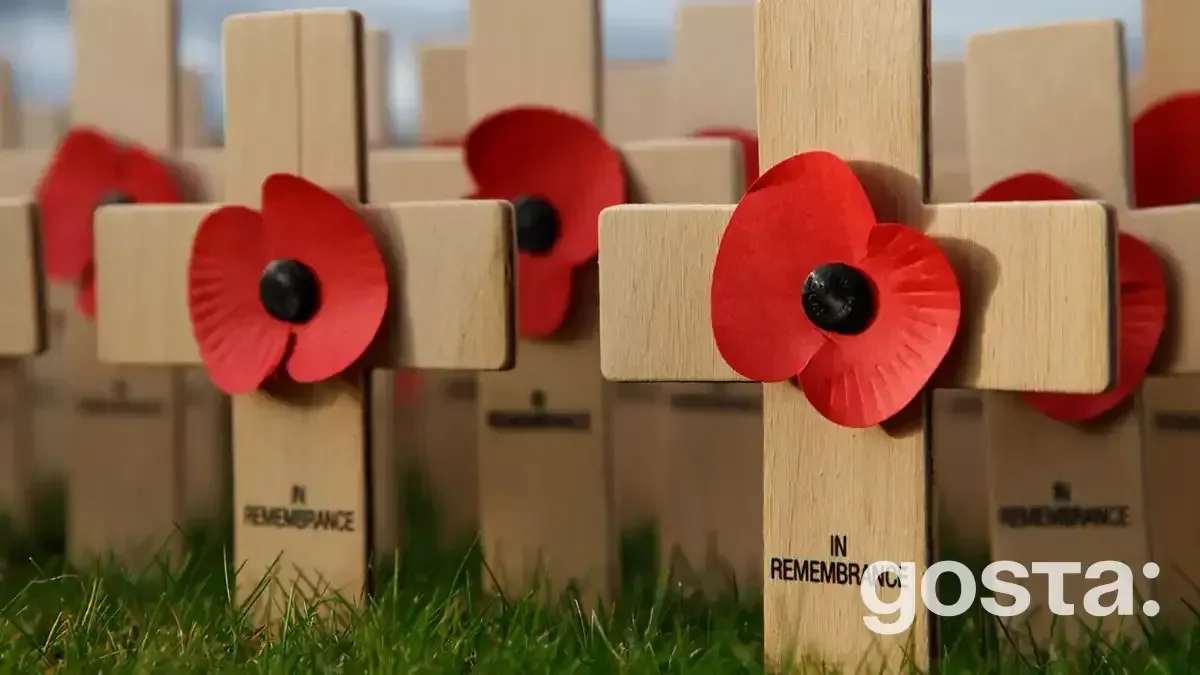
When and Where Is the Day of Remembrance and Reconciliation Observed?
The official date of this observance is May 8. On this day, most countries around the world honor the victims of war.
Who Observes May 8?
- European Union countries
- The United States, Canada, Australia
- The United Kingdom
- Many other nations
Some countries still observe Victory Day on May 9, such as Belarus, Armenia, and Kazakhstan. This is due to Soviet-era traditions of celebrating victory on that date.
Earlier we wrote: When Is Ukrainian Statehood Day Celebrated?
How Different Countries Observe the Day of Remembrance and Reconciliation
The Day of Remembrance and Reconciliation is not marked by grand celebrations or parades. Instead, it is a day of mourning, remembrance, and tribute. Countries may observe it in different ways, but the core meaning remains the same – to honor the victims of war and emphasize the value of peace.
Common Traditions Include:
- A Moment of Silence: Many nations observe a moment of silence to honor those who perished.
- Laying Flowers at Memorials and Graves: Families, veterans, officials, and citizens visit military cemeteries to pay their respects.
- Lighting Remembrance Candles: In the evening, people light candles in memory of those who never returned from war.
- Documentary Screenings and School Lectures: The day serves as an opportunity to educate younger generations about the horrors of war and the importance of peace.
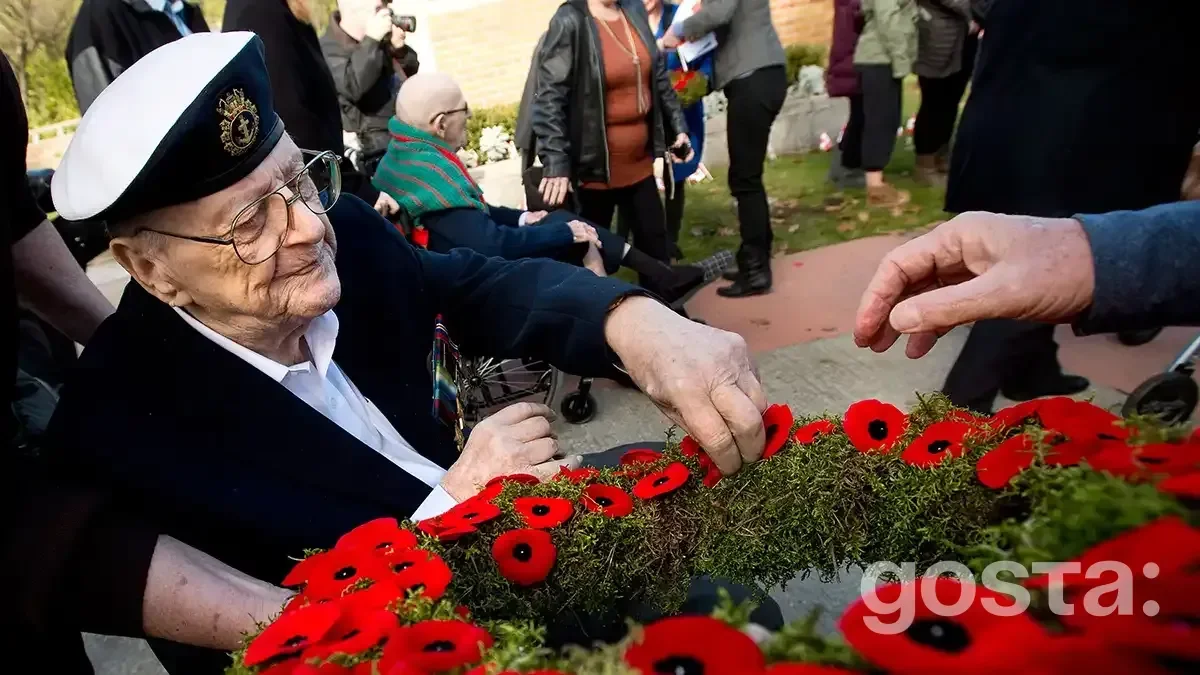
One of the key symbols of this day is the red poppy – a reminder of those who lost their lives, the bloodshed, and the hope for peace. In many countries, people wear poppies on their clothing and place them at memorials.
Differences Between the Day of Remembrance and Reconciliation and Victory Day
These two dates are often confused, but they hold very different meanings.
The Day of Remembrance and Reconciliation (May 8) focuses on:
- Honoring all war victims – both military and civilian.
- Being a day of mourning and reflection rather than celebration.
- Representing reconciliation between nations that once fought against each other.
Victory Day (May 9) is about:
- Celebrating the victory over Nazism in certain countries.
- Emphasizing the role of the victors in the war.
- Often featuring military parades and patriotic displays.
More and more countries are shifting away from celebrating victory and instead focusing on remembrance. The Day of Remembrance and Reconciliation is a time for mourning and reflection. The key point is about the lessons humanity has learned. It serves as a reminder that such tragedies must never be repeated.
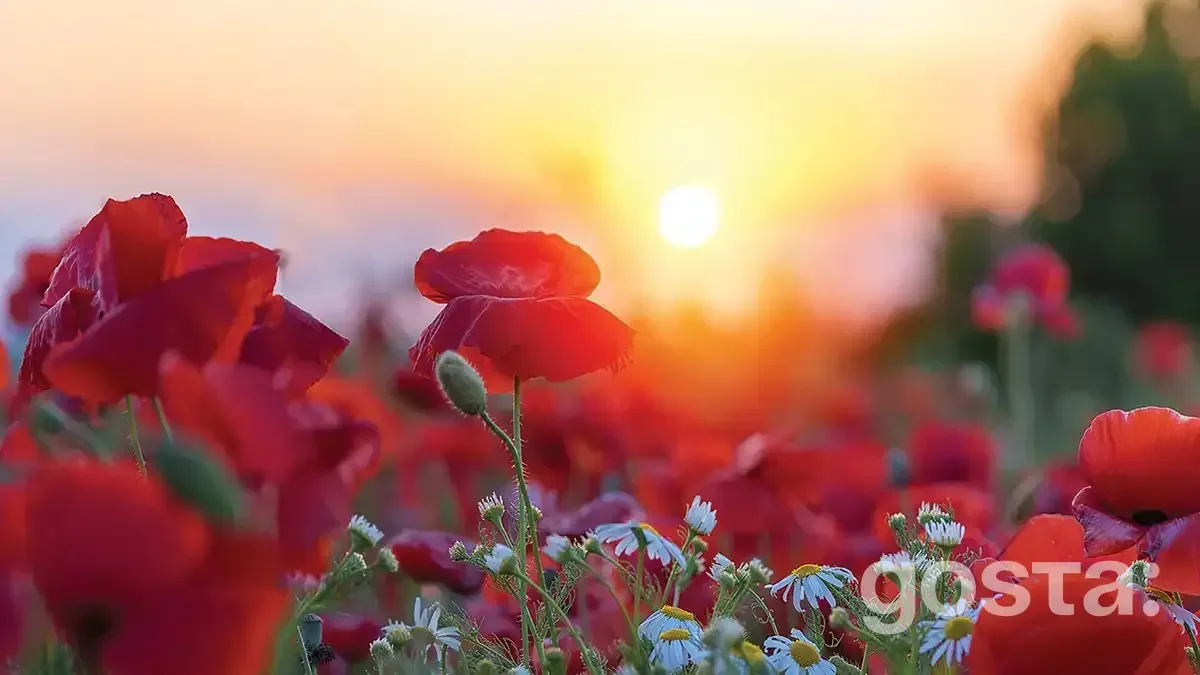
The Significance of the Day of Remembrance and Reconciliation in Today's World
Why is it important to remember the events of World War II even today? The answer is simple – history teaches us not to repeat past mistakes. The Day of Remembrance and Reconciliation is not just about remembering the past; it is a crucial lesson for all of humanity.
Why Does This Day Still Matter?
- Honoring the Victims: Tens of millions of people lost their lives. Their sacrifices should never be forgotten.
- Condemning War: This day reminds us that war is a tragedy, not a solution to conflicts.
- Promoting Reconciliation: Many nations that were once enemies now work together for peace.
- Educating Future Generations: Young people must learn history to prevent its darkest chapters from repeating.
The modern world still faces conflicts. This is why the Day of Remembrance and Reconciliation remains relevant – it reminds us that war brings suffering, while peace is our most valuable treasure.
Everything About the Day of Remembrance and Reconciliation – Video
Want to learn even more about the Day of Remembrance and Reconciliation? Watch this video:
Conclusion
The Day of Remembrance and Reconciliation is not about winners and losers. It is about memories, mourning, and hope for a peaceful future. On May 8, people worldwide reflect on the tragic events that changed history. They lay flowers, light candles, and honor the stories of those who perished.
It is an important reminder of the horrors of war and the value of peace.
Frequently Asked Questions About the Day of Remembrance and Reconciliation
What Happened on May 8, 1945?
On the evening of May 8, 1945, Nazi Germany officially surrendered. This marked the end of the war in Europe.
When Is the Day of Remembrance and Reconciliation Observed?
May 8 is the official date of the Day of Remembrance and Reconciliation, as established by the UN.
How Is the Day of Reconciliation Observed?
People lay flowers at memorials, observe moments of silence, light candles, and participate in educational events and lectures.