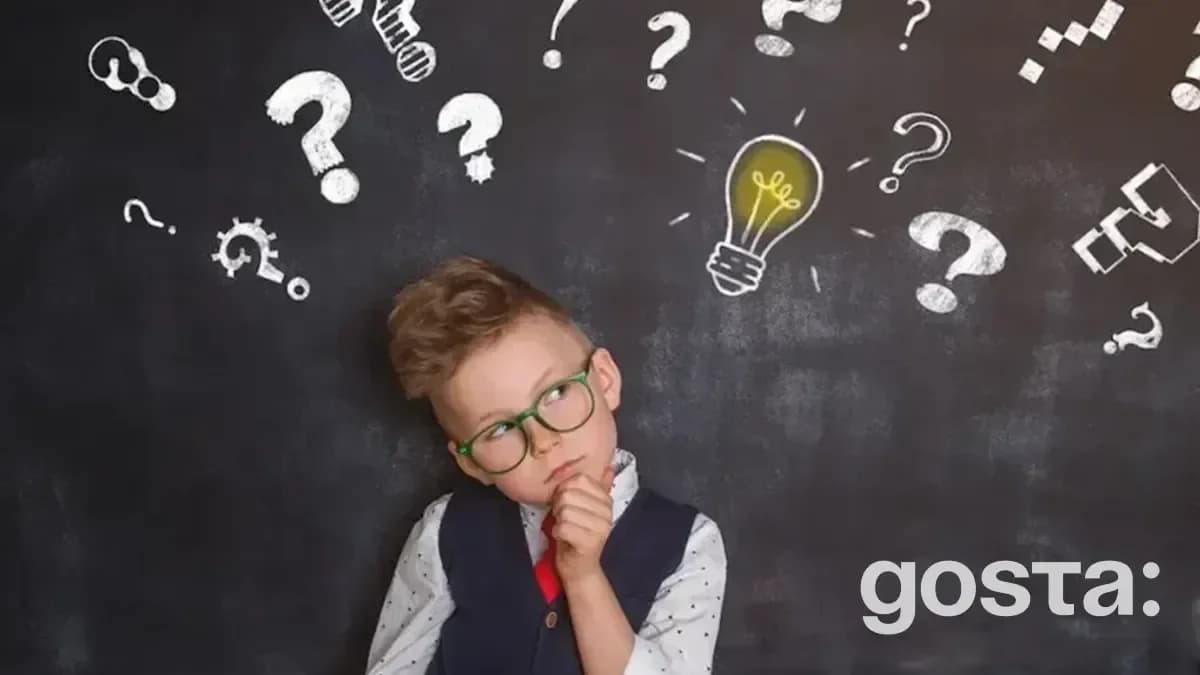
Riddles play a significant role in children's cognitive development. They promote logical thinking, imagination, creativity, and attention in a fun and engaging way. Solving riddles encourages children to explore different problem-solving strategies while also enhancing their language and communication skills. This activity stimulates children's imagination and helps expand their vocabulary, enabling them to express complex thoughts and ideas. Below, you will find a collection of the most interesting riddles for children of various ages that will help them grow and develop in a fun and exciting way.
Riddles For Toddlers Aged 2-4
In this section, you'll find simple and engaging riddles that match the developmental level of toddlers aged 2 to 4. These riddles are designed to capture the attention of young children and support their growth. They help develop observation skills, language, and thinking abilities in children of this age, teaching them to focus on details and associate objects with their characteristics. Examples of riddles:
- What bird cannot fly? (Ostrich)
- What color is the sky usually during the day? (Blue)
- What warms but doesn't burn? (The Sun)
- What has a tail but isn't a cat? (Mouse)
- What grows from a seed, becomes a tree, and has leaves? (Tree)
- What can be small, fluffy, and says "meow-meow"? (Cat)
These riddles will not only entertain your child but also support their development by improving attention, language, and logical thinking skills.
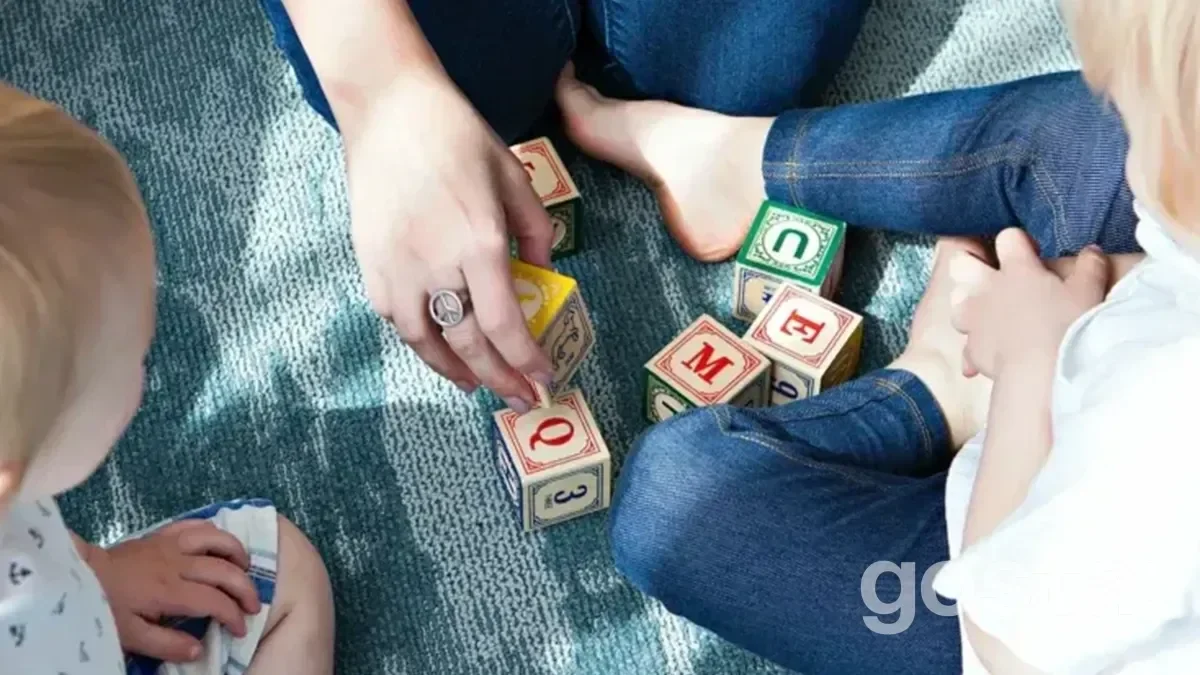
Riddles For Preschoolers Aged 5-6
In this section, we present more challenging riddles that will engage children aged 5 to 6, requiring a higher level of focus and analytical skills. These riddles will help children develop thinking abilities, logical skills, and enrich their vocabulary.
- Who sleeps in the winter and enjoys honey in the summer? (Bear)
- What is more important than money? (Time)
- What can you hear but cannot see? (Music)
- What can float with the water level? (Ship)
- What can be both black and white, but never gray? (Piano)
These riddles will become an exciting task for preschoolers, encouraging them to think and find answers.

Video With Riddles For Kids
In this video, you can watch educational riddles for children about fruits and vegetables.
Riddles For Schoolchildren Aged 7-10
In this section, there are more complex and engaging riddles for children that will challenge schoolchildren aged 7 to 10. These riddles require advanced thinking, attention to detail, and a creative approach to problem-solving. Here are some examples:
- What can fly but will never take off? (Time)
- What opens when you name it? (Secret)
- What is something you carry with you but can never lose? (Name)
- What stays in one place but grows endlessly? (Tree)
- What key doesn't open any locks? (Music Key)
These riddles will captivate schoolchildren and encourage them to think creatively and apply logical analysis. They will become a great tool for developing creativity and intellectual abilities in children of this age.

Riddles For Children Aged 11-14
Riddles for children aged 11 to 14 help develop critical and logical thinking while encouraging analysis and the solving of complex tasks. They pose an exciting challenge for teenagers, helping them enhance their intellectual abilities and stimulate imagination. Through riddles, children in this age group learn to search for alternative solutions, develop creativity, and make reasoned decisions. Such puzzles promote the formation of critical thinking and improve analytical and logical skills, which are essential in adult life.
Here are some examples:
- What is so important that a person can only live a few minutes without it? (Air)
- What word is deliberately spelled wrong? (Wrong)
- How can you break glass without throwing or using any tools? (Break it with sound)
- What can be yours, but others use it more often than you? (Name)
- What can be both long and short but diminishes every minute? (Life)

Questions And Answers About Riddles For Kids
How Do Riddles Benefit a Teenager's Development?
Riddles help develop critical and logical thinking while stimulating analysis and solving complex tasks.
Why Are Riddles Important For Children Aged 11-14?
Riddles are important for children aged 11-14 because they help enhance intellectual abilities, improve analytical and logical skills, and encourage reasoned decision-making.
What Benefits Do Riddles Offer in Shaping Teenagers' Personalities?
Riddles for children promote the development of critical thinking, creativity, and the ability to find alternative solutions.
What Skills Can Be Developed Through Solving Riddles?
By solving riddles, children learn to analyze, search for solutions, develop logical and creative thinking, and improve their skills in processing information.
How Important Is It To Maintain Teenagers' Interest in Riddles?
To maintain teenagers' interest in riddles, it's crucial to offer engaging puzzles that challenge their minds and support intellectual growth.