


The year 2025 will bring us many church holidays that are the basis of the spiritual life of Catholics around the world. Each of them not only has its own deep religious significance, but also unites all the faithful of the world in an atmosphere of prayer, reflection, and joy, depending on the nature of the celebration. Our Liturgical calendar will tell you about the most important holidays that you cannot forget in the coming year.
Liturgical Calendar 2025 – Feasts and Holidays
The Liturgical calendar distinguishes between the liturgical importance of events:
- Solemnities are the most important days in the calendar, celebrated in a particularly solemn way, with a full liturgy, including the singing of the Gloria and Credo.
- Feasts are days of lesser significance, but still important, often associated with saints or events in the life of the Church.
- Ordinary days of remembrance – celebrated in a simplified form, focusing on local or minor saints
The Liturgical calendar begins with Advent (preparation for Christmas) and ends with the Feast of Christ the King. It is a spiritual cycle that reminds us of the main milestones of the Christian faith. On mandatory holidays, everyone needs to attend Mass. Our Liturgical calendar for 2025 will remind you of this. Optional feasts are honored depending on local traditions or bishops' recommendations.
Liturgical Calendar 2025 – Feasts and their Significance
Solemnities are the highest rank of the Church's feasts. They focus on the most important moments of salvation, the life of Jesus Christ, the Virgin Mary, and key saints. Solemnities require the full participation of believers in masses and deep spiritual concentration. A total of 17 feasts in a year have the status of a solemnity. Among them are transitional and non-transitional.
Transitional feasts change dates depending on Easter. In Liturgical calendar 2025, they include:
- January 1 – The Solemnity of the Blessed Virgin Mary (Mary the Queen of Peace).
- January 6 – Theophany of the Lord (Day of the Three Kings or Three Kings)
- March 1 – Day of St. Joseph, the betrothed of the Virgin Mary.
- March 25 – Annunciation of the Virgin Mary.
- June 24 – The Nativity of St. John the Baptist
- June 29 – Day of the Holy Apostles Peter and Paul
- August 15 – Assumption and Ascension of the Virgin Mary.
- November 1 – All Saints' Day.
- December 8 – Day of the Immaculate Conception of the Virgin Mary.
- December 25 – Christmas.
The permanent feasts are celebrated on specific dates each year:
- April 20 – Catholic Easter.
- May 29 – Ascension of Christ (Ascension of the Lord.
- June 8 – Pentecost (Descent of the Holy Spirit).
- June 15 – Holy Trinity Day.
- June 1 – Feast of the Body and Blood of Christ (the Holy Body and Blood of Christ, the Feast of the Holy Eucharist)
- June 27 – Feast of the Sacred Heart of Jesus (Sacred Heart of Jesus)
- November 25 – Feast of Christ the King (Solemnity of Jesus Christ, King of the Universe).
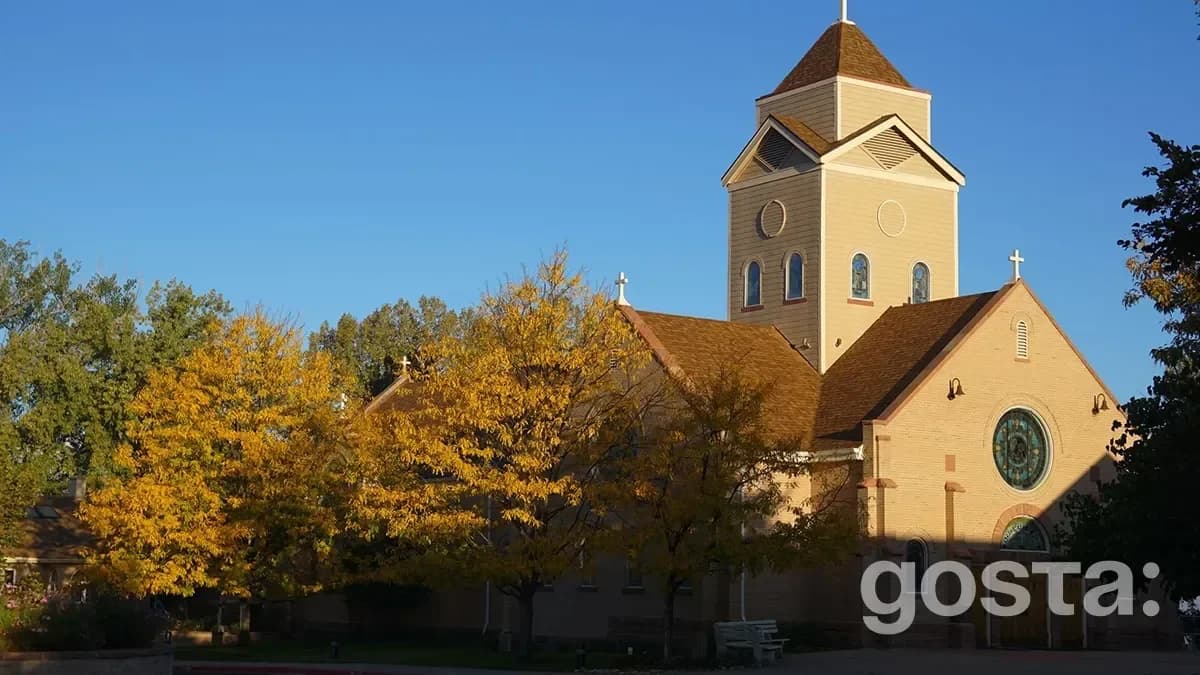
Liturgical Calendar 2025 – Transitional and Non-transitional Feasts of the Catholic Church
We have already reviewed the most important and solemn events in the Liturgical calendar for 2025, and now we will move on to the ordinary holidays. They can be mandatory for church attendance or optional.
The Liturgical calendar 2025 reminds us of the following transitional holidays:
- January 5 – Christmas Eve, the eve of the Feast of the Epiphany;
- February 2 – Presentation of the Lord;
- April 4 – St. Isidore's Day;
- May 30 – Day of St. Joan of Arc;
- May 31 – Visitation of the Virgin Mary to Elizabeth;
- June 6 – St. Barnabas Day;
- June 13 – St. Anthony's Day;
- August 6 – Transfiguration of the Lord;
- September 8 – Nativity of the Blessed Virgin Mary;
- September 14 – Exaltation of the Holy Cross;
- December 24 – Catholic Christmas Eve (Christmas Eve);
- December 28 – Day of the Holy Innocent Infants of Bethlehem.
The Liturgical calendar for 2025 includes the following holidays:
- April 13 – Entry of the Lord into Jerusalem (Palm Sunday, the last Sunday before Easter);
- December 28 – The Holy Family (Holy Family Day).
Catholic Liturgical Calendar 2025 – fasts
Lent is an integral part of Christian traditions. They can be one-day and multi-day, and differ in the severity of restrictions. Usually, all Wednesdays and Fridays are considered fast days. On these days, you should give up meat and replace it with fish. In contrast to fasts, there are omnivorous weeks when you can eat fasting food even on Wednesdays and Fridays.
The Liturgical calendar for 2025 reminds us of such fasts:
- March 5 – April 19 – Catholic Lent;
- November 30 – Advent (Christmas Lent), the first Sunday of Advent;
- December 7 – Second Sunday of Advent;
- December 14 – Third Sunday of Advent;
- December 21 – Fourth Sunday of Advent;
- Fridays throughout the year (with some exceptions);
- The eve of some major feasts (Vigils);
- Eucharistic (liturgical) fasting – abstinence from food before receiving Communion.
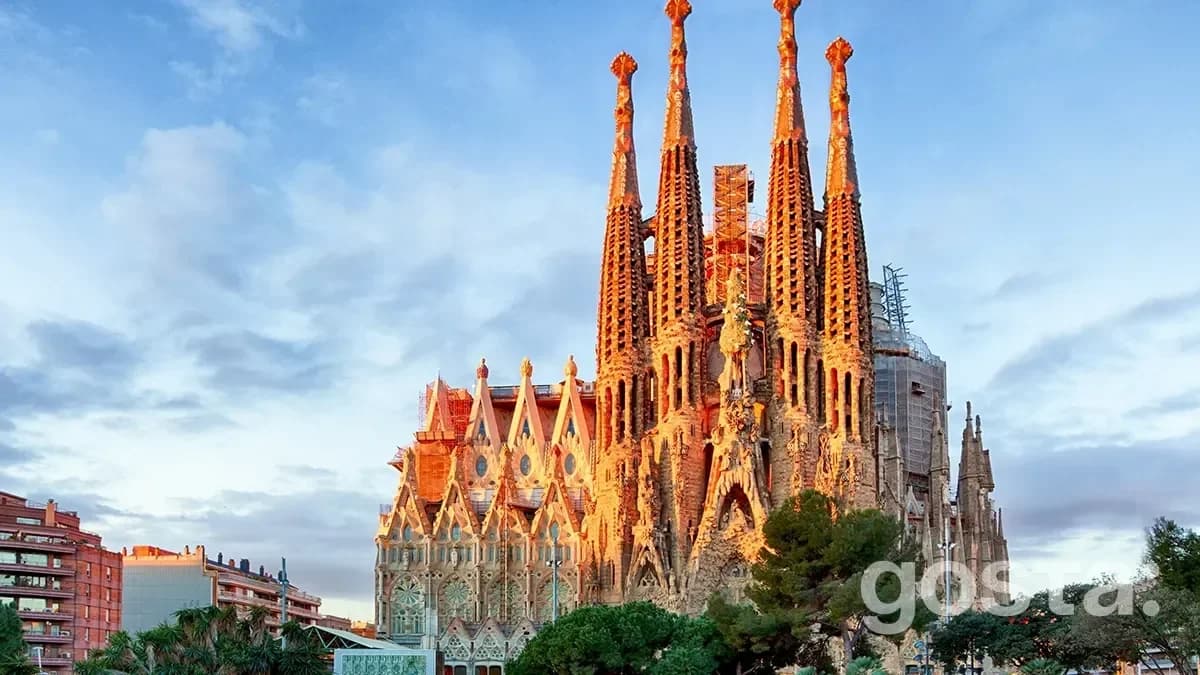
Days of Remembrance of Saints and their Place in the Liturgical Calendar 2025
The Liturgical calendar is rich in saints' days of remembrance, which are not always solemn holidays. For example, June 29 is the feast day of the Apostles Peter and Paul, and December 3 is the feast day of Francis Xavier. Often they are celebrated quite solemnly, but only in areas associated with the life of this saint. There are also transitional and non-transitional feasts in the Liturgical calendar.
The Liturgical Calendar 2025 reminds us of the following memorable non-transitional memorial days:
- May 1 – Day of St. Joseph the Worker;
- July 26 – Saints Joachim and Anna, parents of the Blessed Virgin Mary;
- September 12 – The Most Holy Name of the Blessed Virgin Mary;
- October 7 – The Blessed Virgin Mary of the Rosary;
- November 2 – Day of the Commemoration of the Dead (Day of All the Deceased Faithful, Day of All Souls);
- November 21 – The Entry of the Virgin into the Temple.
There are significantly fewer transitional memorial days in the Liturgical calendar for 2025 – June 28 – Feast of the Immaculate Heart of Mary (Immaculate Heart of the Virgin Mary).
Memorial Days in the Liturgical Calendar 2025
In the Liturgical calendar 2025, there are two days when it is worth praying for all deceased relatives and friends:
- All Saints' Day (November 1). This is a great holiday when Catholics honor all the saints, known and unknown. This day is dedicated to gratitude for their example and prayers for intercession.
- Day of Commemoration of the Faithful Dead (November 2). This day is known as the Day of Souls (or All Souls' Day), when Catholics pray for deceased relatives and friends. Special attention is paid to those who are still in purgatory.
Liturgical Calendar for 2025 – video
To learn more about the 2025 liturgical calendar, watch the video:
Conclusion
The Liturgical calendar 2025 will help everyone make the right plans and follow Christian laws. It also directs believers to spiritual development, reminding them of the main events of salvation. Check out the Liturgical calendar from time to time to prepare for fasts and holidays in a timely manner and not to miss important events.
Frequently Asked Questions About The Liturgical Calendar
Why Does the Date of Easter Change in the Liturgical Calendar 2025?
The date of Easter is determined by the lunisolar calendar, so it changes every year.
When Will the Easter Fast Begin in 2025?
The Great or Easter Lent will begin in 2025 on March 5 and will last until Easter, i.e. will end on April 19.
When Is Easter in 2025 According to the Liturgical Calendar?
In 2025, Easter falls on April 20. This year we will celebrate it together with Eastern Christians.
What Are the Major Feast Days in the Catholic Church?
The major feast days include Christmas, Easter, the Feast of the Immaculate Conception, All Saints' Day, and the Assumption of Mary.
What Is the Significance of Advent and Lent?
Advent is a time of preparation for Christmas, while Lent is a period of penance and reflection leading up to Easter.
What Is the Difference Between Feasts and Solemnities in the Liturgical Calendar?
Feasts are important celebrations, while solemnities are the highest rank of celebrations in the liturgical calendar, often with special prayers and observances.
Best of the week — in your inbox
No spam. Only top Gosta stories. Unsubscribe in one click.
Comments