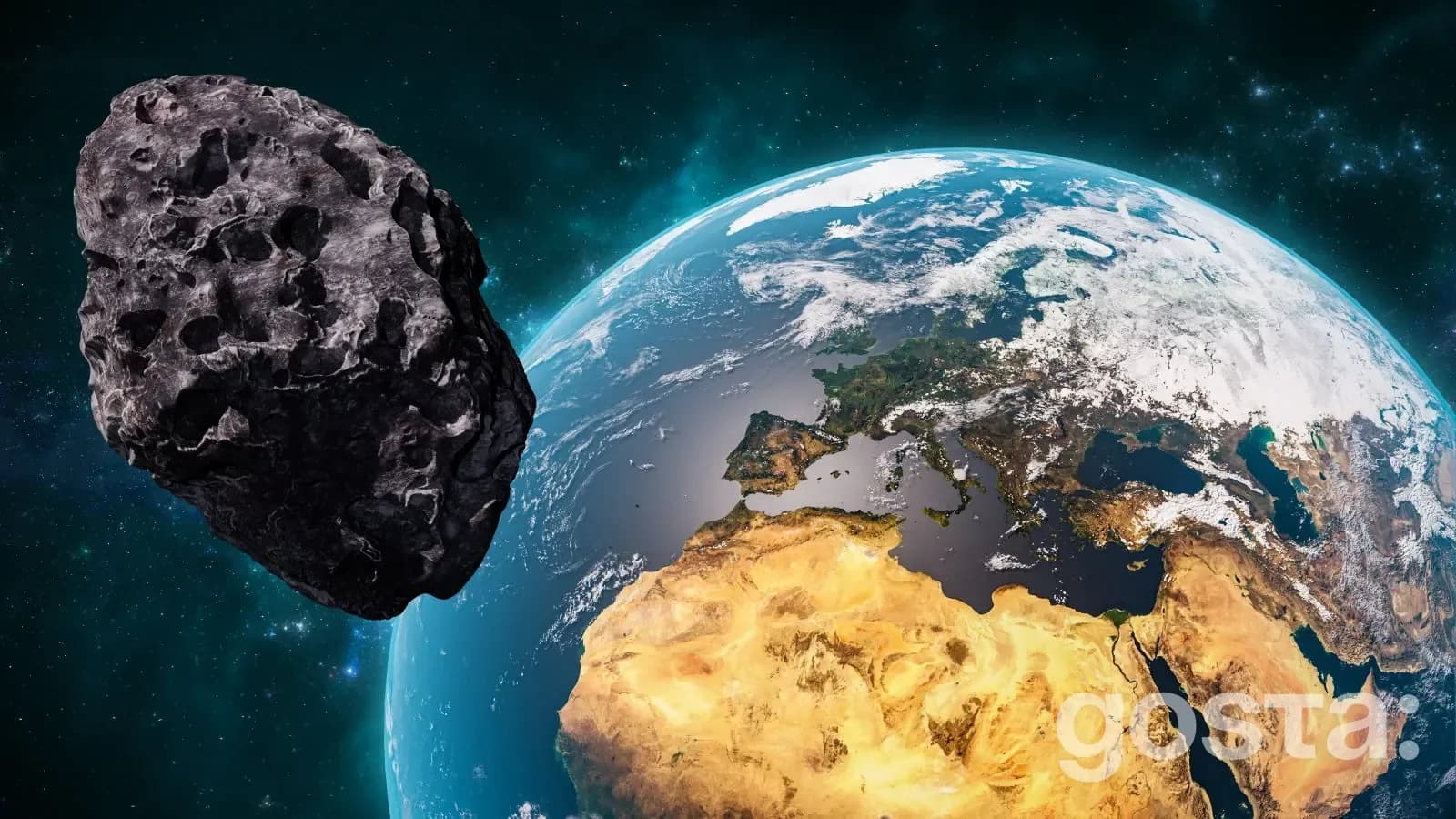
Asteroids are some of the most mysterious objects in our Solar System. While they can pose a deadly threat to Earth, they also open up new frontiers for science, the economy, and interplanetary exploration. In this article, we'll explore what asteroids are, where they come from, the risks they present, how they might be useful, and how scientists study them.
What Are Asteroids?
Asteroids are solid celestial bodies that orbit the Sun. They're smaller than planets, often irregular in shape, and mostly made of rock, metal, or ice. These bodies are leftovers from the early Solar System—a time when dust and gas formed the Sun and planets.
Key features of asteroids:
- Sizes range from a few meters to hundreds of kilometers.
- Most orbit in a belt between Mars and Jupiter.
- Made of rock, nickel, iron, water, and carbon compounds.
- Surface is cratered, dusty, and lacks an atmosphere.
While most asteroids are found in what's called the main asteroid belt, some follow orbits that cross Earth's path.
Where Do Asteroids Come From?
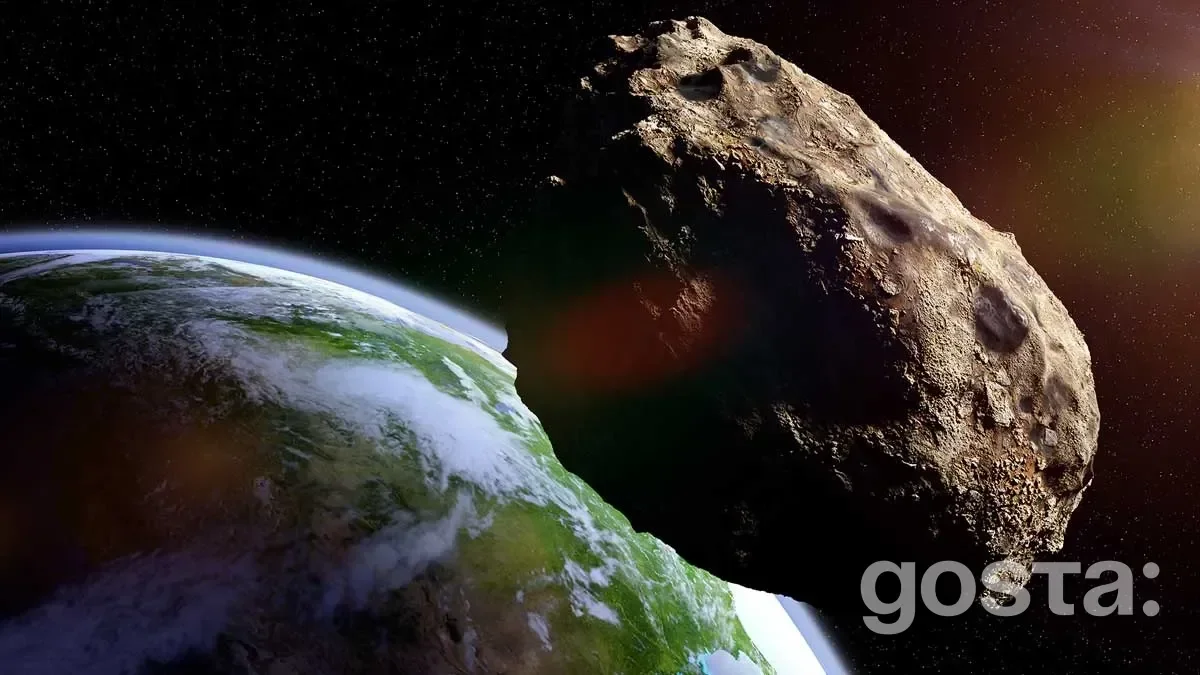
Asteroids are fragments left over from the time when planets were forming. Jupiter's strong gravity prevented a planet from forming between its orbit and Mars, leaving behind millions of small rocky bodies—asteroids.
Main sources of asteroids:
- Main asteroid belt: Between Mars and Jupiter, home to most known asteroids.
- Near-Earth asteroids (NEAs): Travel near Earth's orbit—these pose the highest risk.
- Trojan asteroids: Share orbits with large planets like Jupiter, either leading or trailing them.
- Kuiper Belt & Oort Cloud: While better known for comets, these regions also send asteroid-like objects toward the inner Solar System.
These ancient bodies are like time capsules, offering a look into the Solar System's earliest days.
How Dangerous Are Asteroids?
Even though they're far away, asteroids are a real danger to Earth. A small one can still cause major damage, and a large one could trigger a global catastrophe.
Main threats:
- City or regional destruction: An asteroid 50–150 meters wide could level a city or trigger a massive tsunami.
- Climate disruption: A big asteroid impact could launch dust and soot into the atmosphere, blocking sunlight and causing a dramatic drop in global temperatures—a "nuclear winter."
- Mass extinction: An asteroid roughly 10 km wide is believed to have wiped out the dinosaurs 66 million years ago.
- Economic and humanitarian crises: Even without impact, a large asteroid passing close to Earth could cause panic, market crashes, and political instability.
Though large impacts are rare, the potential consequences are so severe that astronomers constantly monitor space for any object that might come too close.
What's More Dangerous: Comets or Asteroids? — Video
Watch the video we've found for you and find out which would cause more damage — comets or asteroids.
4 Surprising Ways Asteroids Could Help Earth
Despite the risks, asteroids offer huge potential for the future of humanity. They're rich in rare metals, water, and other resources that could fuel space exploration and support life beyond Earth.
How asteroids could be useful:
- Mining in space: Some asteroids are loaded with platinum, gold, nickel, and more. These materials could support both space infrastructure and Earth-based industries.
- Water as fuel: Ice-rich asteroids could supply water to space stations. Water can be split into hydrogen and oxygen—key components of rocket fuel.
- Scientific discovery: Studying asteroids helps us understand how planets formed, what the early Solar System was like, and how life might have begun.
- Future space bases: Some ideas even involve turning large asteroids into waystations or colonies—rest stops on the way to Mars and beyond.
For science and economics alike, asteroids could become key to our future in space.
Who Studies Asteroids and How?
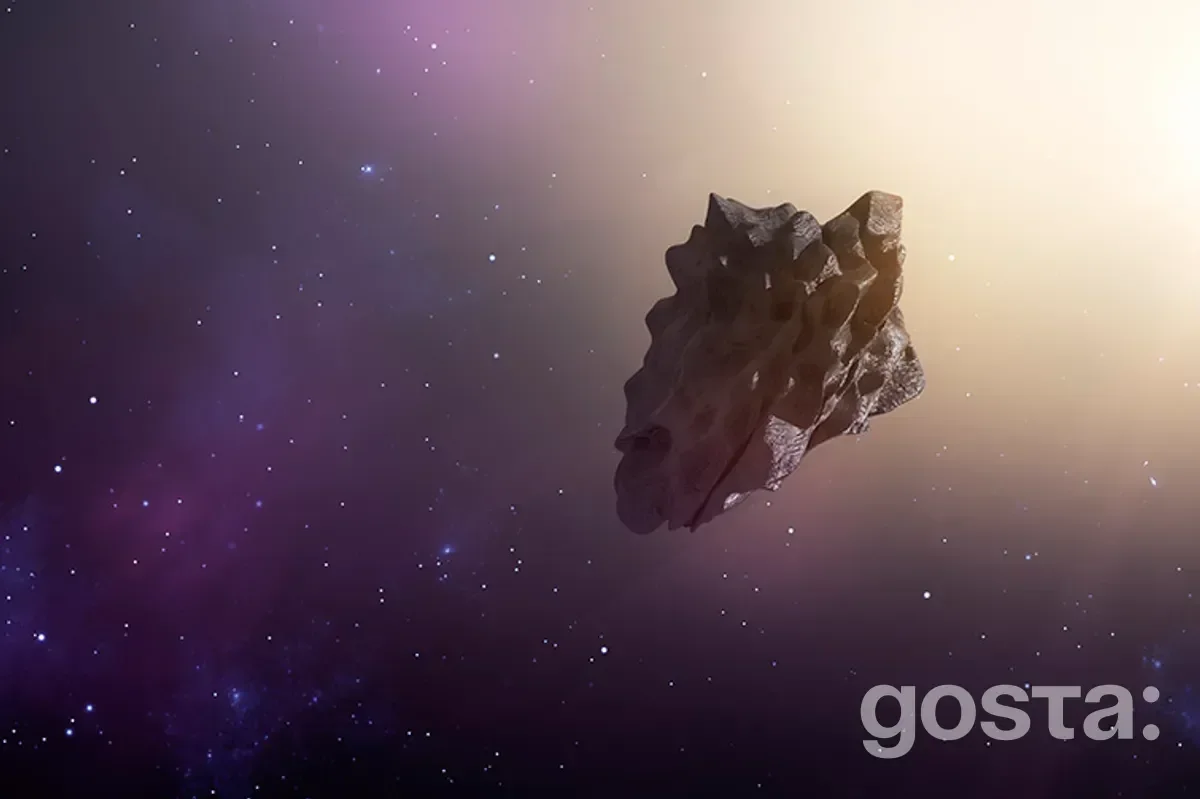
Scientists use a wide range of tools to study asteroids, from ground-based telescopes to space probes. Tracking them isn't easy—their orbits are constantly shifting, so precision is essential.
- Main ways we study asteroids:
- Telescopes on Earth: Used to find new asteroids, track their movement, and study the light they reflect. The light's spectrum reveals clues about their composition.
- Radar imaging: Stations like the one in Goldstone (USA) send out radio waves and analyze their echoes to map an asteroid's shape, size, spin, and path.
- Space missions: The most accurate method—sending spacecraft directly to asteroids. Famous missions:
NEAR Shoemaker (1996–2001): First landing on an asteroid (Eros).
Hayabusa & Hayabusa2 (2003–2020): Japanese missions that brought back asteroid samples.
OSIRIS-REx (2016–2023): NASA mission that returned samples from asteroid Bennu.
DART (2021–2022): First successful mission to change an asteroid's path.
- Meteorite studies: Some asteroids make it to Earth as meteorites. Studying these samples lets scientists examine asteroid material without needing a spaceflight.
- Supercomputer simulations: Computer models help predict collisions and test defense strategies like those used in DART. They also simulate impact effects and mission outcomes.
These methods work together to help us better understand asteroid origins, behavior, and risks.
How Can We Protect Earth?
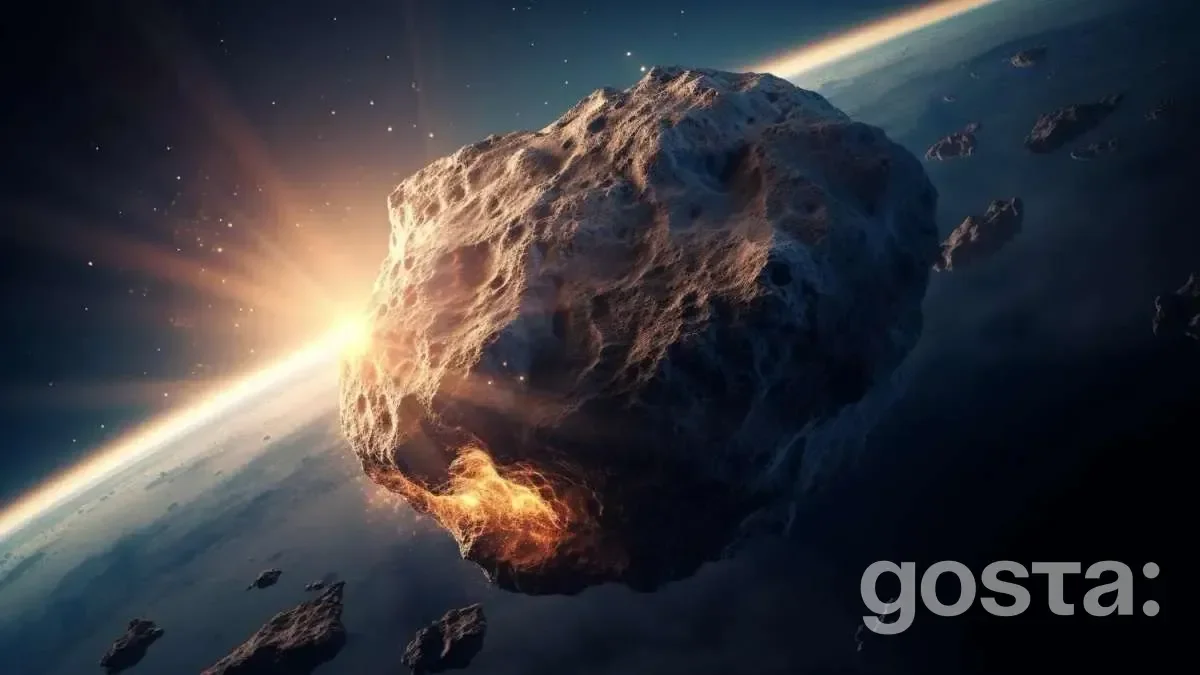
Planetary defense is a young but rapidly growing field. Its goal: spot dangerous objects in time and develop ways to steer them off course.
Main protection strategies:
- Deflection missions: Changing an asteroid's path by crashing a spacecraft into it—like NASA's DART mission.
- Gravity tractor: A spacecraft hovers near the asteroid, slowly pulling it off course using gravity.
- Surface vaporization: A laser or focused sunlight heats up the asteroid's surface, creating a force that nudges it in a new direction.
Understanding asteroids isn't just science fiction—it's a real strategy for keeping Earth safe, building a space economy, and exploring the universe.
Asteroids aren't just space debris—they're pieces of the Solar System's ancient puzzle. They're both a risk and a remarkable opportunity. Humanity is already taking the first steps: from observation to redirecting their paths and bringing samples home.
Frequently Asked Questions
What happens if an asteroid is spotted heading toward Earth?
If an asteroid is found to be on a potential collision path, scientists closely monitor its orbit. If the risk becomes real, predictive models are used to explore ways to deflect it—such as using an impactor like DART, a gravity tractor, or another planetary defense method.
What's the difference between main belt and near-Earth asteroids?
Main belt asteroids orbit between Mars and Jupiter and rarely cross paths with the inner planets. Near-Earth asteroids (NEAs) have orbits that bring them close to Earth and are considered the most likely collision threat.