Domain authority is a score that reflects your site's reputation in the eyes of search engines. Google didn't create it, but many popular SEO tools use it—like Moz, Ahrefs, and Semrush. You'll usually see it referred to as DA (Domain Authority from Moz) or DR (Domain Rating from Ahrefs).
Let's say two businesses sell the same product and have similar websites—but only one ranks on page one of Google. Why? That site probably has a higher domain authority and appears more trustworthy.
DA and DR scores range from 0 to 100. The higher your score, the more likely your site will rank higher in Google. According to Moz, DA is based on over 40 factors—including backlink quality, site structure, content, and internal linking.
Why Domain Authority Matters for SEO
DA/DR isn't a direct Google ranking factor, but it's a great indicator of how likely your site is to rank. Imagine publishing a great blog post. Now imagine a nearly identical post goes live on a site with DA 60. Which one ranks higher? Most likely, the one with more domain authority.
According to Ahrefs, as of 2024, 90.63% of content in Google's top 10 results has a DA above 30. This shows that DA isn't something you can fake or shortcut—it's built over time.
A higher DA can help you:
- Get new content indexed faster.
- Earn more natural backlinks.
- Build user trust and boost conversions.
Even if your site is brand new, now's the time to start building trust. Google plays the long game—and so should you.
What Affects Domain Authority: Key Factors
Domain authority doesn't go up by accident. It's shaped by multiple areas of site performance. These are the six most important elements:
- Optimized Link Profile. Backlink quality is everything. Google cares less about quantity and more about relevance and trust. Aim for natural, topic-relevant links from strong domains.
- Mobile Friendliness. Your site needs to work on all devices. Since Google uses mobile-first indexing, mobile usability is non-negotiable in 2025.
- Social Media Presence. Mentions, shares, and traffic from social platforms are indirect signals that support trust. The more visibility, the better.
- Page Load Speed. Pages should load in under 2 seconds. If your site is slow, users leave—and Google notices.
- Technical SEO. A clean sitemap, no broken links, proper redirects, mobile optimization—these create the foundation for indexing and ranking.
- On-Page Optimization. Clear headings, meta descriptions, keyword usage, and logical structure all help search engines (and users) understand your content.
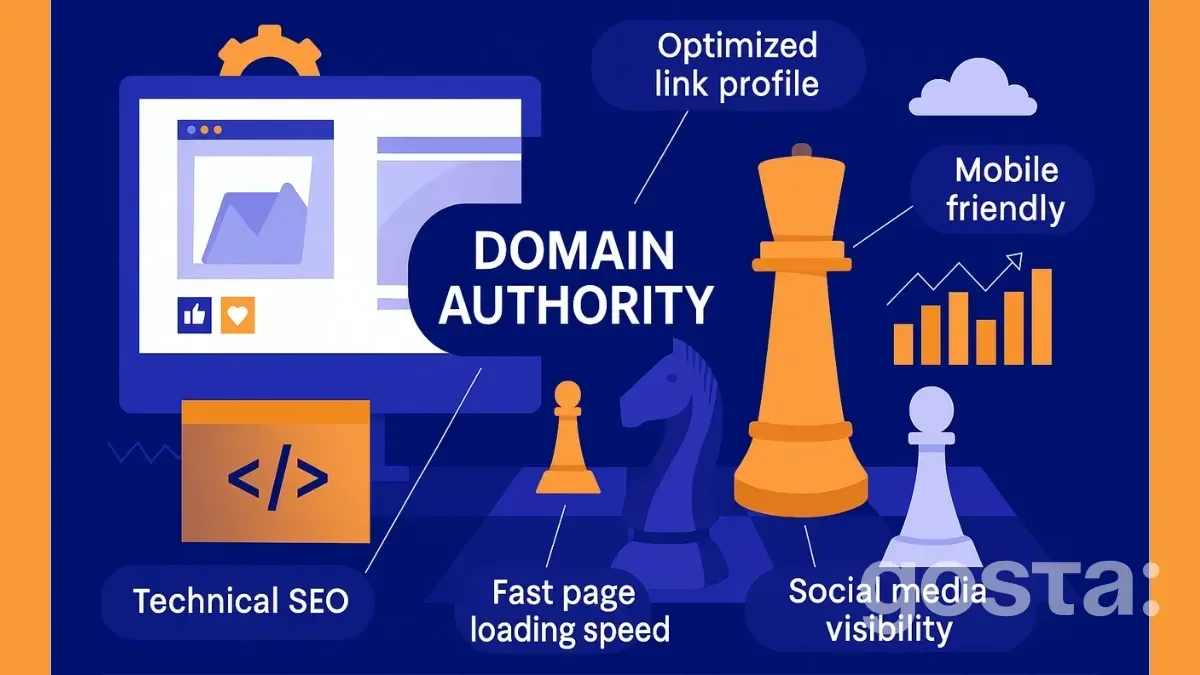
DA depends on more than just content and backlinks. A full-site strategy—including UX and speed—makes the biggest difference.
How to Check Your Site's Domain Authority
You can check your DA or DR in seconds using free SEO tools. Here are some trusted options:
What's a "Good" Domain Authority?
If your site is under 6 months old, a DA between 5–15 is normal. That's your starting base—even with regular content updates.
For sites 6 to 12 months old that are actively working on SEO, a DA of 15–25 shows that Google is beginning to trust you.
For established sites over a year old with consistent content and some backlinks, DA 25–40 is solid for competing in most niches.
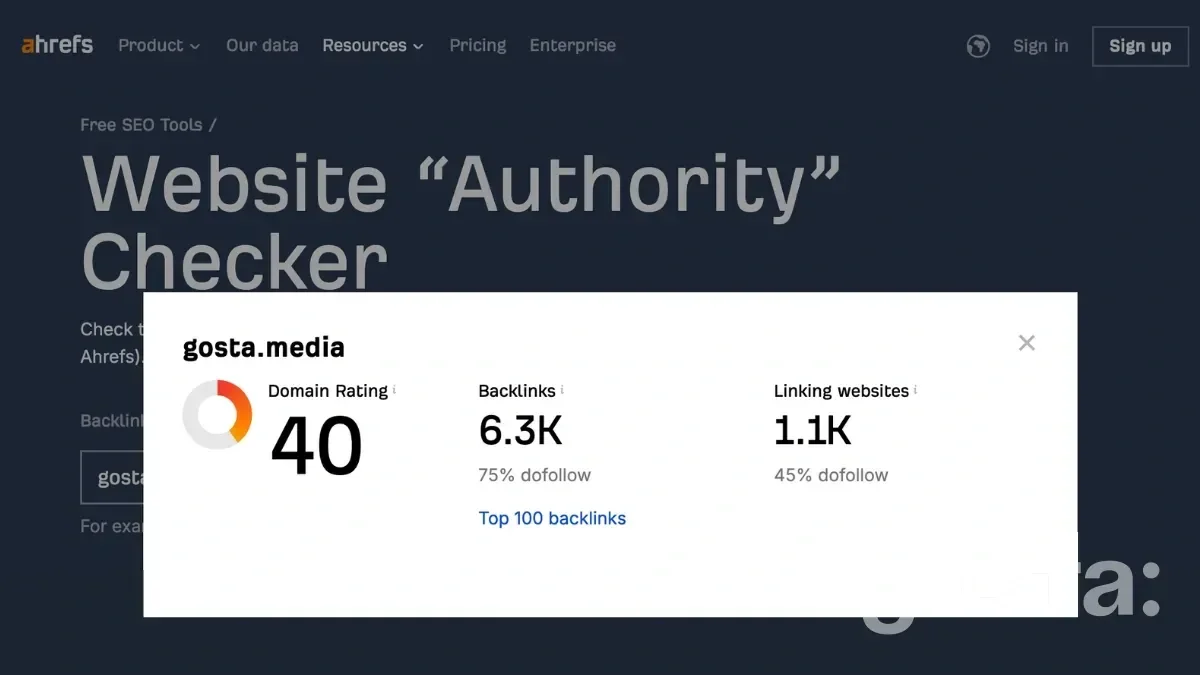
DA 50+ is typically for strong platforms with lots of links and stable traffic.
DA 70+ is elite—think national media, global brands, or long-standing authority sites.
Why Is DA/DR So Low—and What Can You Do About It?
Low DA isn't a death sentence. It just means your site hasn't earned enough trust—yet. Common reasons include:
- Your domain is less than a year old.
- You have few or poor-quality backlinks.
- There's not enough content or updates.
- Technical SEO issues (slow load time, 404 errors, no mobile version).
What Actually Helps You Grow Domain Authority?
Don't rely on luck or random blog posts—domain authority grows through consistent, strategic actions. Here's what actually works.
Moz updates DA monthly, so if you're consistent, you might see results within 30–60 days.
Don't Obsess Over DA—It's Not the Whole Story
High DA doesn't guarantee top rankings. In fact, lower-DA sites can outrank bigger players when they nail other elements like:
- Search intent – Does your content actually answer the user's question?
- Content layout – Are there subheadings, visuals, and internal links?
- Freshness – Is the content up-to-date?
- Engagement – Do visitors stay, scroll, and interact?
Focus on the big picture, not just the score.
Before You Go: What Really Matters
Domain authority is a trust signal, not a magic switch. You won't go from DA 9 to 40 in a week—but if you stay consistent, your efforts will pay off.
Here's where to start today:
- Use Ahrefs or Moz to check your DA/DR
- Audit your content: what's useful, what's filler
- Build a guest posting list—start with one strong backlink
Remember: Google doesn't "read" numbers—it reads quality. DA is just a number. Value is what gets you ranked.
FAQ
What is domain authority?
Domain authority is a score that reflects how trustworthy and reputable your website appears to search engines. The most common metrics are DA (Domain Authority) by Moz and DR (Domain Rating) by Ahrefs. Both are widely used to estimate a site's overall strength and ranking potential.
Does domain authority affect Google rankings?
Not directly. Google doesn't use DA or DR as official ranking factors.But in reality, websites with higher domain authority often rank better—because they usually have stronger backlink profiles, higher-quality content, and better overall SEO.
How can I check my site's domain authority?
It's super easy. Just head to free tools from Ahrefs or Moz, paste in your site's URL, and you'll instantly see your DA or DR score. No signup required for basic info.
How can I increase domain authority?
To increase domain authority, focus on three things:
- Create valuable, original content that answers real user questions.
- Earn high-quality backlinks from trustworthy, relevant websites.
- Fix technical issues on your site—like slow load times, broken links, or poor mobile usability.
Growing domain authority takes time, but if you stay consistent, you'll start seeing results.