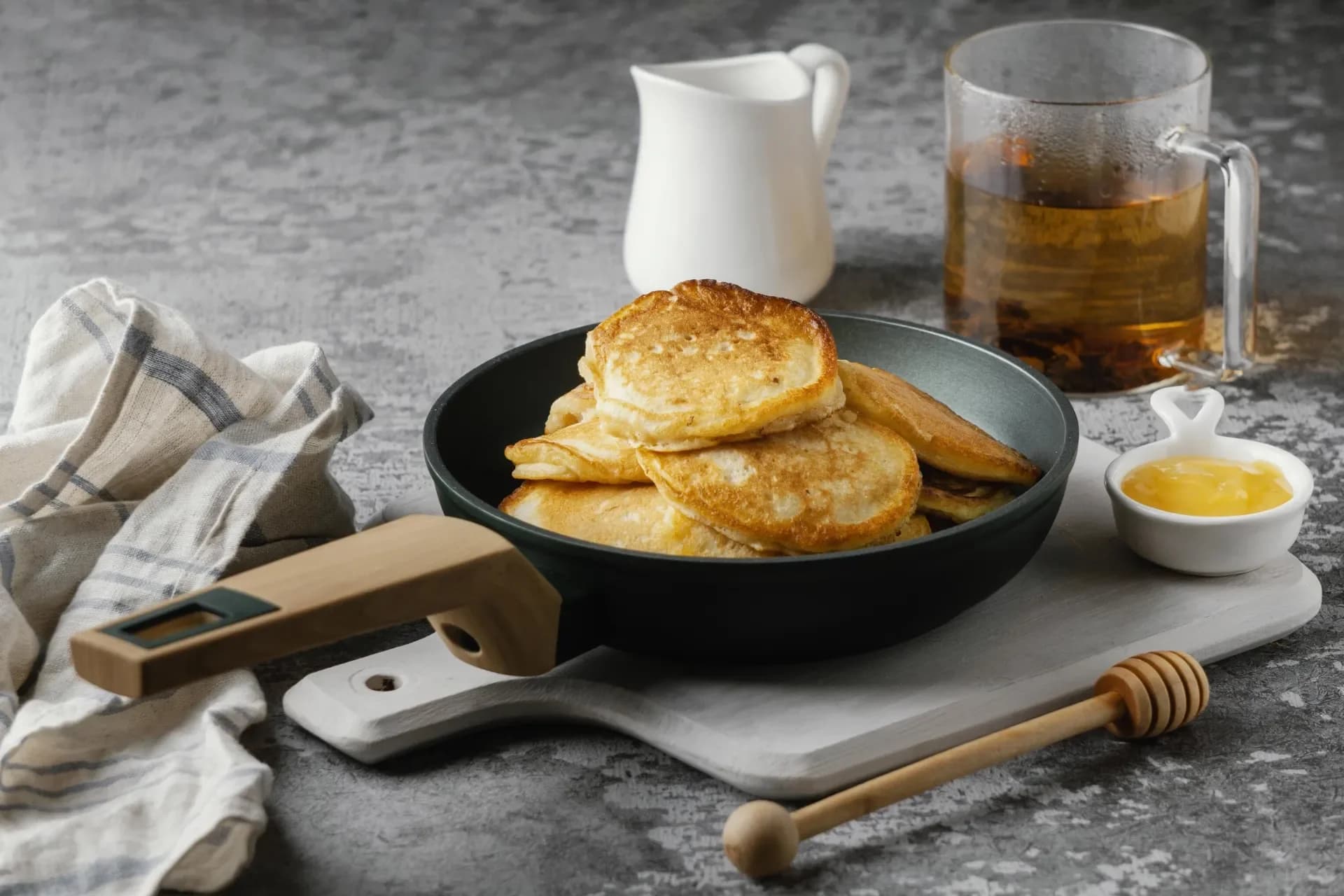
Kefir pancakes seem like a very simple dish, and that simplicity is exactly what makes them so popular. All you need is kefir, a bit of flour, an egg, a pinch of baking soda, sugar, and oil – everything you usually have at home. From this short list of ingredients you get a warm, filling breakfast that you can serve in just a few minutes. At the same time, the crispy crust, soft center, and light tang make pancakes a great alternative to crepes, toast, or the usual fried eggs.

Kefir pancakes are convenient to make both for a big family and for just one or two servings. Another reason why classic kefir pancakes stay at the top of home dishes is their flexibility. The same basic batter easily turns into a dessert with jam, a hearty breakfast with fruit, or a simple snack for tea if you just dust them with powdered sugar. That is why every time you want a quick, cozy breakfast without complicated recipes, you often end up choosing these kefir pancakes.
Key Ingredients: What Makes Pancakes Fluffy And Fragrant
At first glance, pancakes look like nothing more than flour, kefir, and an egg. In reality, each ingredient has its own job, and the right balance between them determines how airy and golden the pancakes will be. Kefir is especially important: it should be sour, ideally about three days old and at room temperature. This creates the acidic environment that helps baking soda react steadily so the batter rises and fills with tiny gas bubbles.
The egg is responsible for structure and a tender crumb. One egg per batch of batter is enough so the pancakes do not turn rubbery. It is best to use all-purpose wheat flour, sifted in advance so it takes in air and mixes more evenly with the liquid. Keep in mind that different types of flour absorb moisture differently, so the exact amount should always be adjusted to the batter's consistency.
Properly chosen ingredients in the right amounts are the key to light, fluffy pancakes.
Baking soda is no less important. When it reacts with the acidic kefir, it gives you fluffy pancakes without yeast. You do not need to quench soda with vinegar: kefir is already acidic enough, and extra vinegar can change the flavor. It is best to add soda to the finished batter, when the kefir, flour, and egg are already mixed. Then the reaction starts inside the batter, and the gas bubbles stay there until frying.
Sugar and salt balance the flavor. If you add too much sugar, the pancakes will brown very quickly on the outside but may stay raw inside. It is better to keep the batter moderately sweet and then add jam, honey, or condensed milk to the cooked pancakes. Even a tiny pinch of salt highlights the taste of kefir and makes the dish more expressive.
The Role Of Main Ingredients In Kefir Pancakes
Once you have chosen the base ingredients correctly, half the job is done. The right kefir, sifted flour, and a moderate amount of sugar guarantee that kefir pancakes will not be heavy or flat. The rest depends on how you mix the batter, let it rest, and fry it in the pan.
Step-by-Step Recipe: How To Make Classic Kefir Pancakes
To make classic kefir pancakes that turn out well even for a beginner, it is important to follow the steps. For 3–4 servings you will need about 330–350 ml of kefir with 2.5% fat, one egg, 200 g of wheat flour, about 1 tablespoon of sugar, vanilla sugar to taste, a pinch of salt, half a teaspoon of baking soda, and a few tablespoons of oil for frying.
First, take the kefir and egg out of the fridge so they can warm up to room temperature. Then you can gently heat the kefir until it starts to separate into white mass and clear whey. This boosts the acidity and helps the baking soda lift the pancakes better.
Sift the flour and add it in small portions, stirring in one direction. This helps avoid lumps and makes the batter smooth. If the mixture is too thick and barely drips from the whisk, add a little kefir or water. The goal is to get a batter that holds its shape on a spoon but is not as thick as dough.
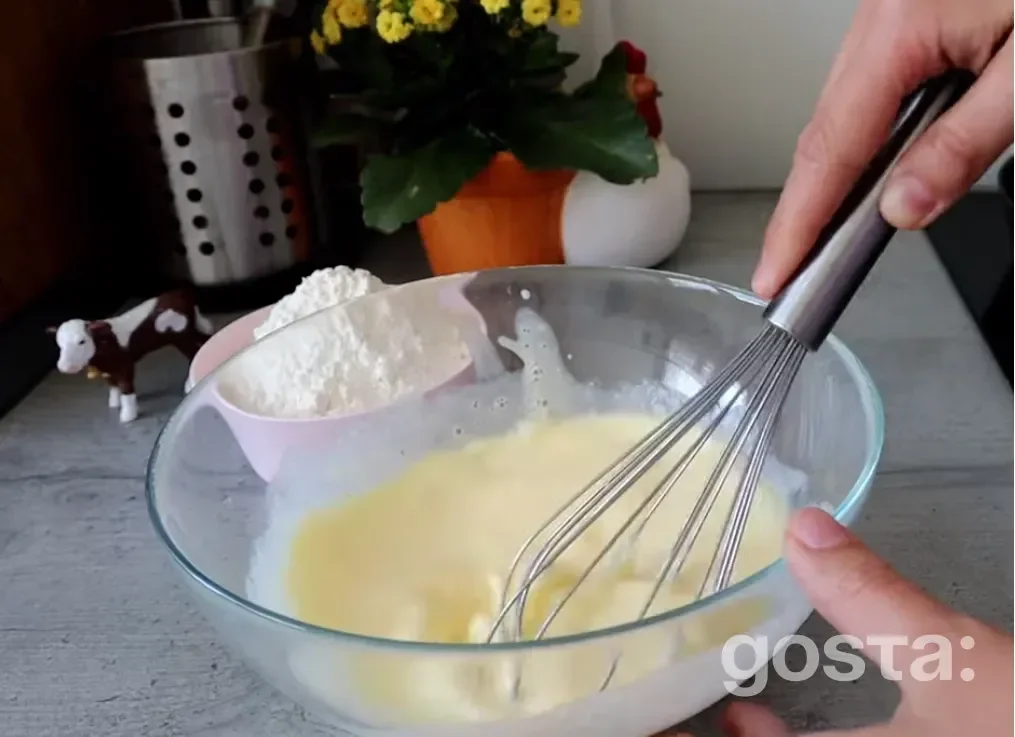
Step-by-step instructions for making kefir pancakes:
- Prepare the ingredients: kefir, egg, sugar, salt, vanilla sugar, flour, baking soda, and oil.
- Mix kefir with the egg in a deep bowl until smooth.
- Add salt and sugar, stir until the dry ingredients are fully dissolved.
- Add sifted flour in portions, stirring the batter in one direction.
- Add baking soda, mix quickly, cover the bowl, and let the batter rest.
- Heat a pan with enough oil over medium heat.
- Spoon the batter onto the pan with a tablespoon or dessert spoon, leaving space between pancakes.
- Fry until bubbles appear and a golden crust forms, then flip and cook until done on the other side.
- Transfer ready pancakes to a paper towel to absorb excess oil and serve hot.
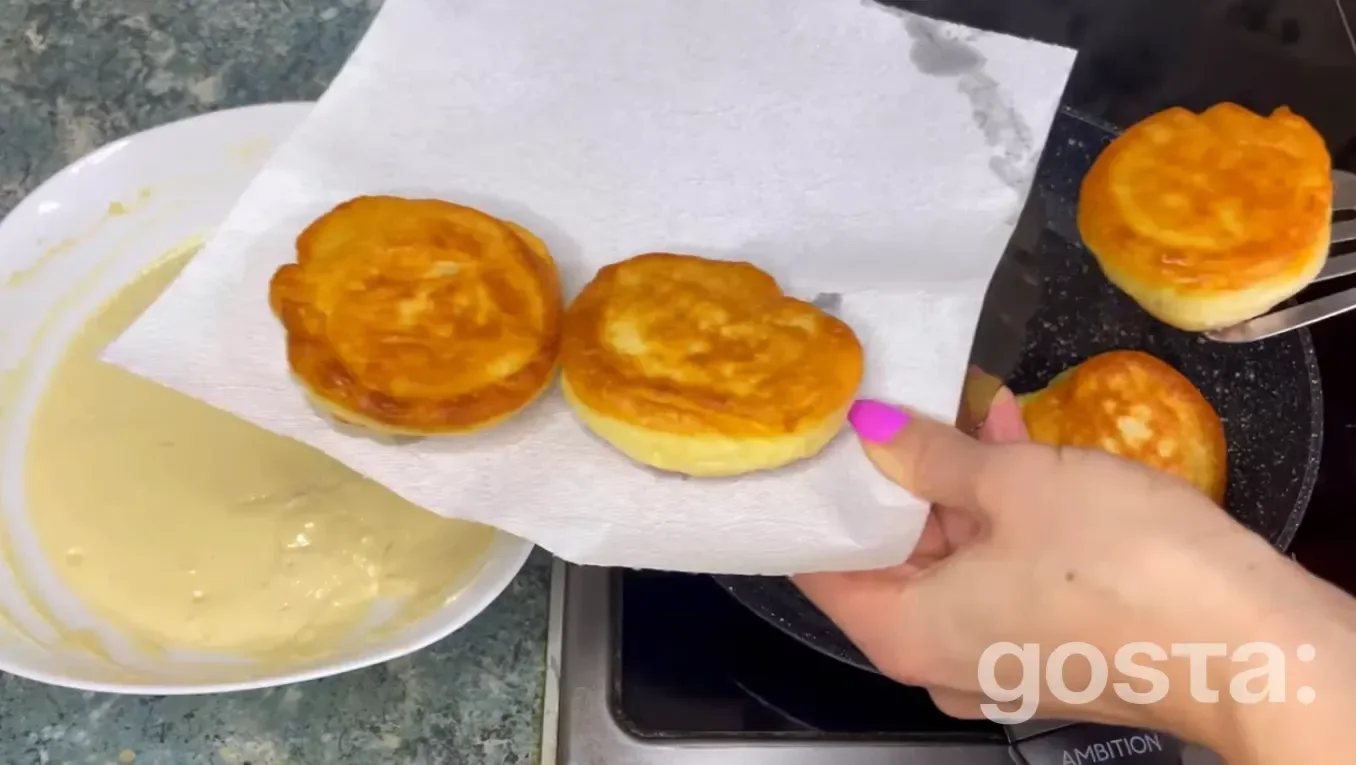
With this algorithm, kefir pancakes turn golden on the outside and stay tender inside, without raw dough. If you stick to the proportions and give the batter time to rest, even your first try can look like the result of an experienced home cook. Later you can easily adapt the recipe to your taste: add apple pieces, a bit of cinnamon, or some raisins. The base recipe stays the same, but small additions let you create different versions for weekdays and weekends.
Cook's Tips: How To Make Pancakes Really Fluffy
Even when a pancake recipe looks perfect, in practice the batter sometimes falls flat and the pancakes come out thin. Professional cooks have a few proven rules that help you get a stable result.
- The first rule is the right batter thickness. It should be thick enough so the pancakes do not spread too much, but still soft enough to slowly fall off the spoon. If you add too little flour, the pancakes will be thin and oily. If you add too much, they will be dense and heavy.
- The second rule is about kefir. For airy pancakes, sour kefir that has been sitting for 2–3 days is best. It gives exactly the environment baking soda needs.
- Another tip is not to rush into frying. After mixing, the batter should rest for at least 10–15 minutes. During this time the gluten in the flour develops, the texture becomes more even, and tiny gas bubbles spread throughout the batter.
The pan also matters. It is best to use a pan with a thick bottom that keeps heat for a long time. You need enough oil to form an even crust, but not so much that the pancakes float in fat. If you follow these simple rules, fluffy pancakes stop being a matter of luck and become a predictable result.
Common Mistakes And How To Avoid Them: So Pancakes Always Turn Out Well
Even if you follow the recipe, small mistakes can stop kefir pancakes from rising or cause them to burn. One of the most common issues is using cold kefir. If it is taken straight from the fridge, the baking soda reacts much worse, and the crumb turns out dense. Problems also appear when there is too little oil in the pan: pancakes stick, burn in places, and absorb more fat later when you try to save them. Too much oil is not helpful either – balance is important in everything.
Common Mistakes When Making Kefir Pancakes
If you take these details into account, kefir pancakes stop being a culinary lottery. Each new batch becomes more predictable, and the result stays reliably golden and airy. It is enough to figure out the causes of failures once so you can then cook your favorite pancakes with confidence, without worrying that the batter will again turn out flat or rubbery.
Serving Ideas: What To Pair With Kefir Pancakes
The kefir pancake recipe already creates a cozy, homely feeling, but the way you serve them turns pancakes into a complete dish. The classic option is sour cream, which highlights the light tang of kefir and makes the taste soft and balanced. You can add a little sugar or honey to sour cream to get a simple sweet sauce. Jams, fruit preserves, berry sauces, and condensed milk are no less popular – they give pancakes a bright dessert vibe.
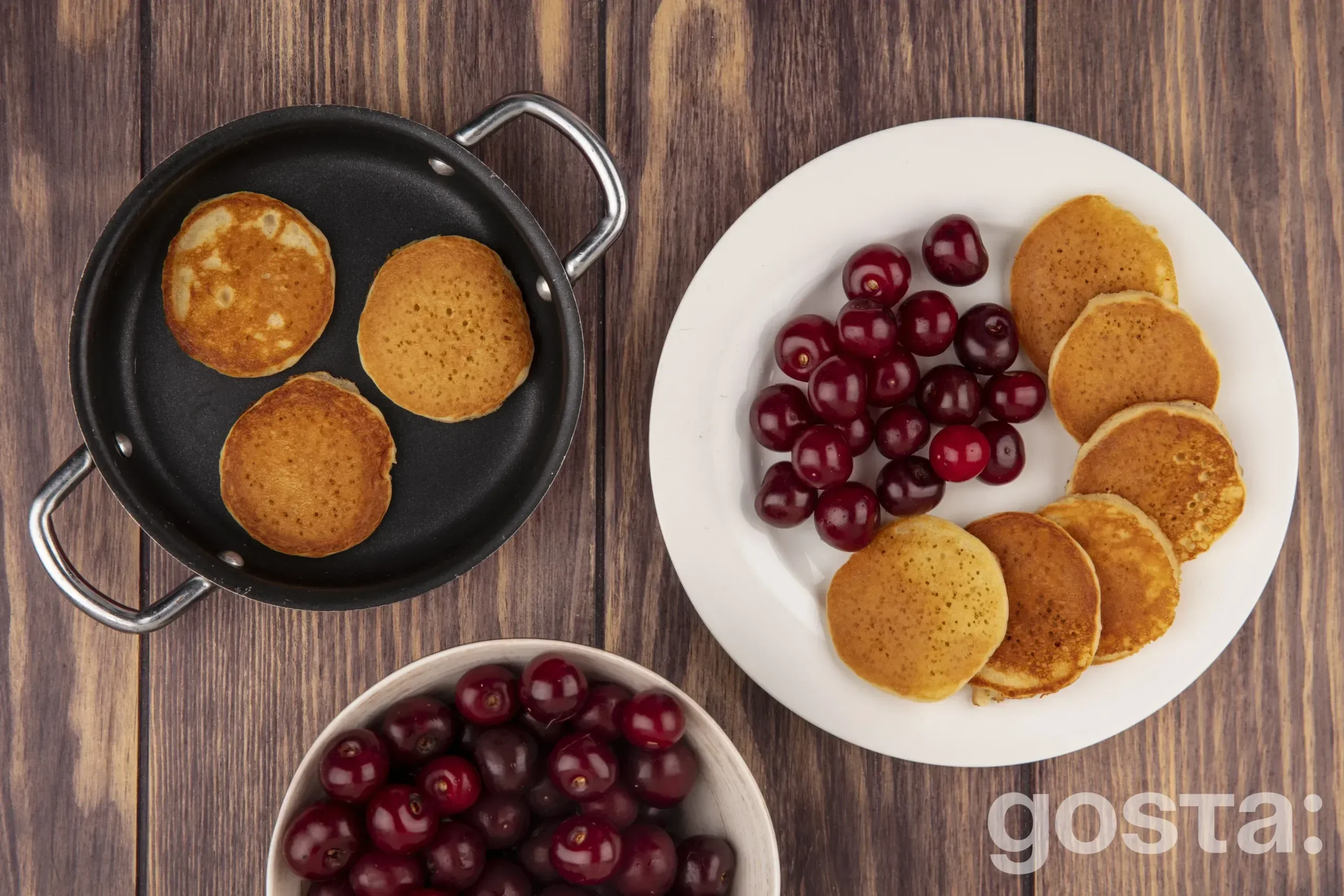
If you want breakfast to be not only tasty but also visually appealing, serve kefir pancakes with fresh fruit and berries. Banana slices, apple wedges, a handful of strawberries, blueberries, or raspberries instantly change the mood of the plate. You can put fruit right on the hot pancakes or serve them on the side so everyone can mix and match as they like. A light dusting of powdered sugar finishes the picture without making the dish too heavy.
Drinks also matter. Children usually get pancakes with cocoa or warm milk, adults – with coffee or tea. In winter breakfasts, hot chocolate or spiced tea with cinnamon and cloves is a good match. In summer, the same kefir pancakes go well with chilled drinks: compote, berry drinks, or iced green tea. This contrast in temperature makes a simple dish feel more interesting and special.
What To Serve With Homemade Kefir Pancakes:
- Sour cream or sour cream sauce with honey.
- Berry jam, fruit preserves, or fruit sauce.
- Condensed milk, chocolate sauce, or caramel.
- Fresh fruit and berries: bananas, apples, raspberries, blueberries.
- Powdered sugar, cinnamon, or chopped nuts as a light topping.
Serving is the stage where you can easily show some creativity without changing the recipe itself. Even the simplest kefir pancakes can look like something from a café if you add a few bright details. And the best part is that each of these serving options does not require special ingredients – everything can be found in a regular home kitchen.
Why You Should Bring Kefir Pancakes Back Into Your Routine
Kefir pancakes are not just a quick dish for tea but a whole home ritual that is easy to bring back into everyday life. You almost always have the ingredients for this breakfast in your kitchen, and the cooking process is clear even for someone who rarely cooks. Once you know the base proportions and the role of kefir, baking soda, and flour, anyone can make fluffy, airy pancakes.
Kefir pancakes fit well into a modern lifestyle: you can make them on a weekday morning before work, on weekends for the family, or as a quick snack in the middle of the day. This simple dish reminds you of childhood, brings back a sense of home comfort, and does not demand much effort. That is why it is worth having your own trusted pancake recipe and taking it out from time to time when you want a warm, sweet morning and a few quiet minutes at the kitchen table.
Frequently Asked Questions About Kefir Pancakes
Why Do Kefir Pancakes Not Rise And Turn Out Thin?
The most common reason is cold or very fresh kefir. In that case the baking soda does not react well and the batter does not fill with bubbles. Pancakes can also be flat if the batter is too thin or if you stir it for too long and too actively after adding the soda.
Do I Need To Quench Baking Soda With Vinegar For Kefir Pancakes?
No, you do not need to quench soda with vinegar. Kefir already creates an acidic environment where soda reacts and releases carbon dioxide. If you add vinegar on top, it can change the taste and make the pancakes too sharp.
How Much Sugar Should I Add To The Batter So The Pancakes Do Not Burn?
For a classic batch, 1–2 tablespoons of sugar without a heap are enough. If the batter is too sweet, the pancakes will caramelize quickly on the surface, forming a dark crust while the inside stays raw. It is better to keep sweetness moderate and add more sweetness with toppings.
How Do I Know If The Pancake Batter Has The Right Consistency?
Proper kefir pancake batter looks like thick sour cream: it slowly drips from the spoon and holds its shape but does not turn into very stiff dough. If the batter spreads too thinly in the pan, add a bit more sifted flour. If it falls in a heavy lump and does not level out, add 1–2 tablespoons of kefir or water, mix gently, and let the batter rest for a few more minutes.
How Are Kefir Pancakes Different From Yeast Pancakes?
Kefir pancakes rise thanks to the reaction between baking soda and the acidic medium, so you do not have to wait for yeast dough to proof. They cook faster, have a light dairy tang, and a tender texture. Yeast pancakes usually have a more open, porous crumb and a distinct yeasty aroma, but they need time for fermentation. If you want a quick homemade breakfast, kefir pancakes are a practical and reliable option.