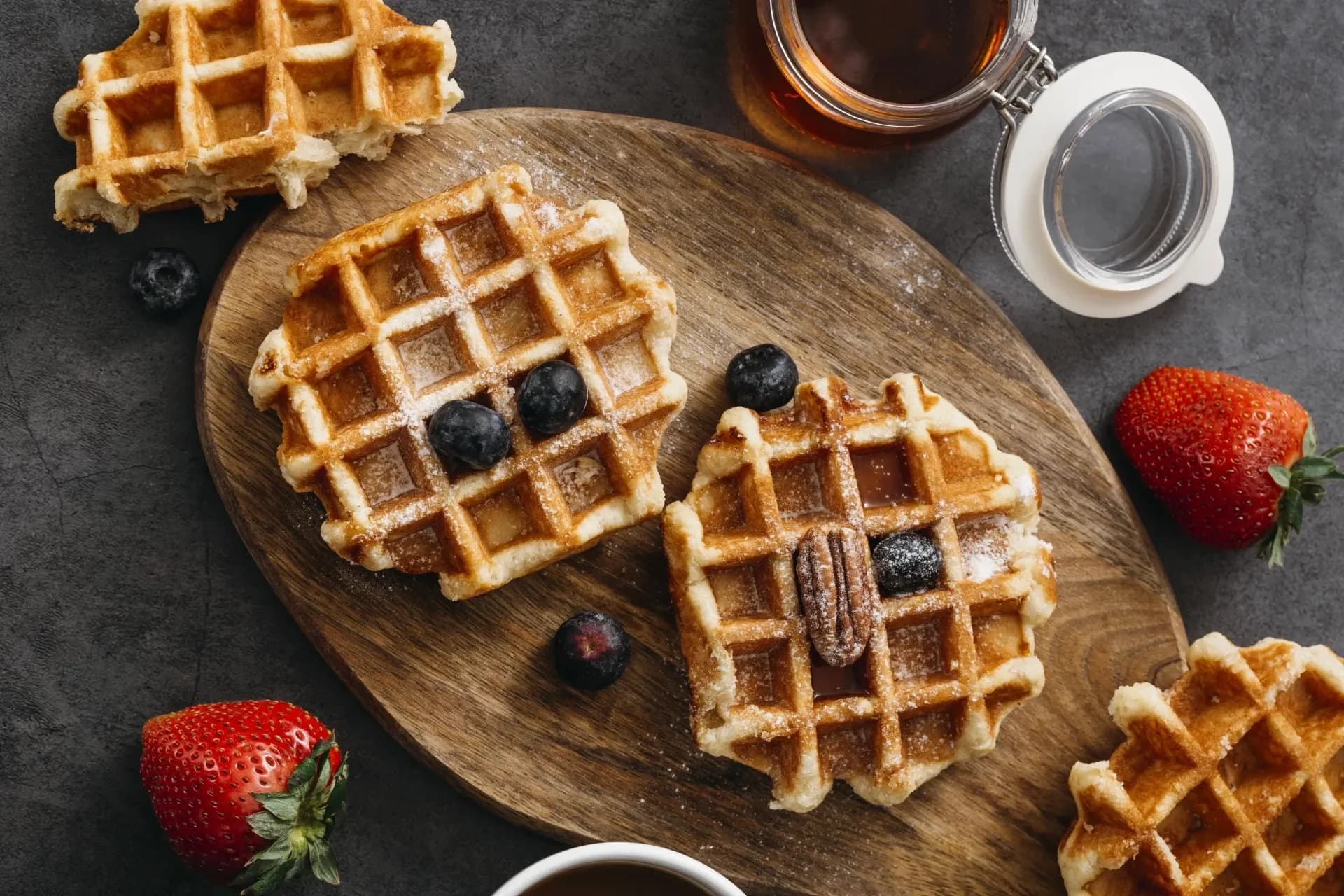
Belgian waffles stopped being only a restaurant dessert a long time ago – they are easy to make at home, and homemade versions are often more fragrant and crisp. Success depends on small technical details, not on years of experience. This article explains how the batter, temperature, and structure work and what to do so Belgian waffles always come out flawless.
Classic Crispy Belgian Waffles With Cornstarch: The Formula for Perfect Texture
The crispiness of a Belgian waffle seems simple, but behind it is a precise balance of ingredients and heat. In the classic technique, cornstarch plays a key role – it creates a light, brittle shell that crisps along the edges while keeping the crumb inside soft and tender. If you replace cornstarch with flour, the waffle loses its signature airiness and the batter becomes denser. Cornstarch almost doesn't hold extra moisture, which makes it ideal for a thin, crackly crust.
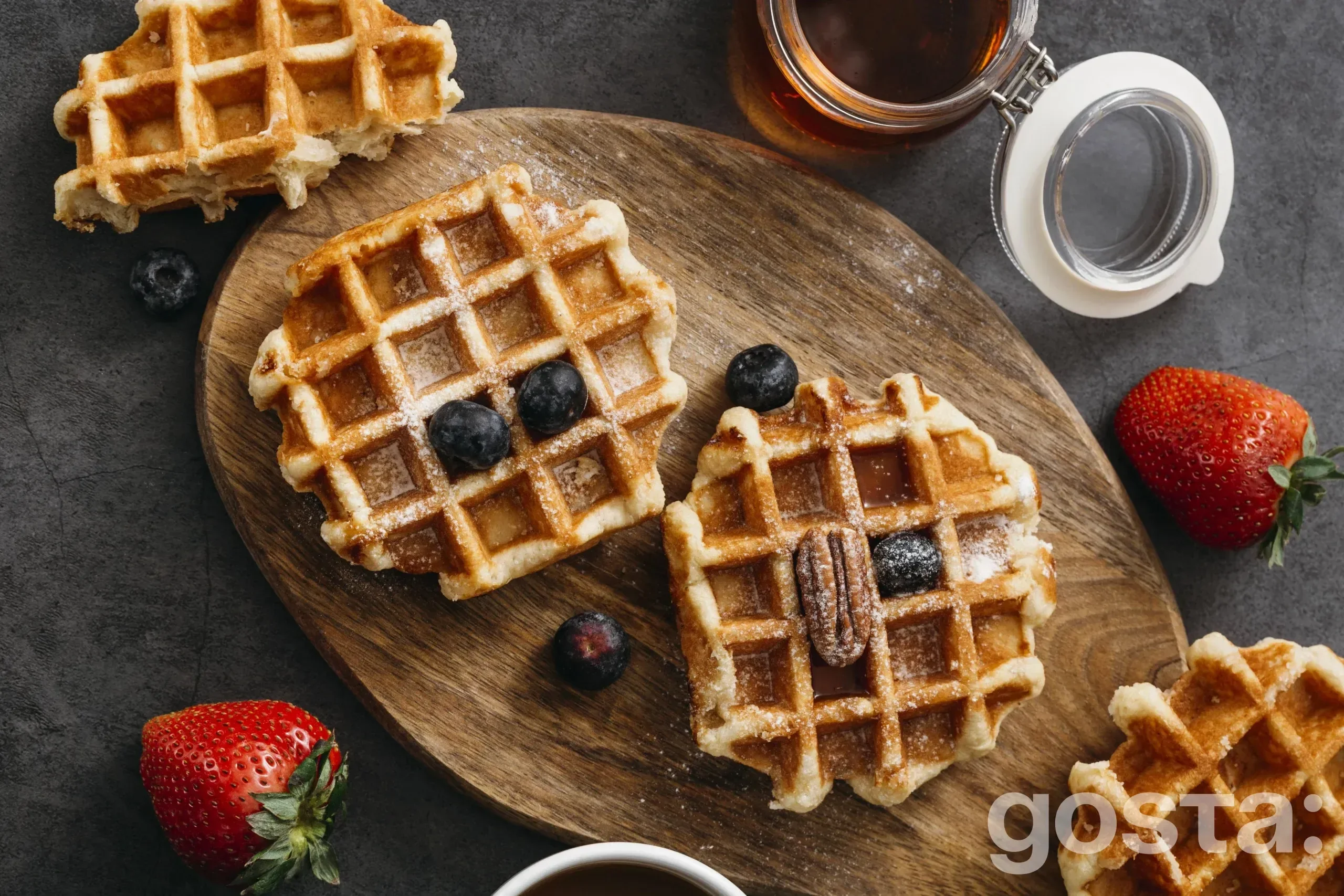
Whipping the eggs with sugar is just as important. Many home recipes suggest simply mixing the ingredients, but whipping creates a light foam that works like a natural leavening agent. The more airy the mixture, the more even the waffle texture. This is especially important if you want the best of both worlds – a crisp outer layer and a soft, almost creamy center.
The temperature of the waffle maker also decides the final result. If it is not hot enough, Belgian waffles turn out soft because the batter doesn't get a "heat shock" and starts releasing moisture inward. The right mode is when the batter sizzles the moment it touches the plates. For a stable crunch, it is better to heat the waffle maker longer than you think and not open it too early – escaping steam ruins the structure.
Why Cornstarch Works Better Than Flour
Classic Belgian waffle batter is built on four elements: eggs, dry ingredients, milk, and melted butter. The order matters – first you whip the eggs into a pale foam, then gradually add the dry mixture so no lumps form. Milk gives flexibility, butter adds fat and flavor, and a short "rest" for the batter (about 10 minutes) helps the gluten relax and stabilize.
To keep the waffles crispy after baking, Belgian waffles should cool on a rack. Moisture has to evaporate evenly, otherwise the bottom layer softens quickly. If you want an even more intense crunch, warm the finished waffles in a turned–off oven for 5–7 minutes at 170–180 °C.
Step-by-Step Recipe for Crispy Belgian Waffles With Cornstarch
The batter comes together quickly, the ingredients are easy to find, and the result is reliably good from the first try. The proportions are universal, so the number of servings depends on the size of your waffle maker.
Ingredients:
- Eggs – 2.
- Sugar – 2 tbsp.
- Salt – a pinch.
- Flour – 310 g.
- Cornstarch – 120 g.
- Milk – 350 ml.
- Butter – 80 g.
Step by step:
- Whip the eggs with sugar and salt until the mixture becomes light and foamy.
- In a separate bowl, mix the flour and cornstarch.
- Gradually add the dry mixture to the egg base, then pour in the milk and melted butter. Stir until the batter is smooth.
- Let the batter rest for 10 minutes.
- Heat the waffle maker thoroughly. Pour in the batter and bake for 7–8 minutes.
- Cool the waffles on a rack and serve with your favorite toppings.
Beyond the basic steps, it is important to understand that success depends not only on the ratios but also on how you handle heat and moisture. The batter needs time to rest so the structure can settle, and the waffle maker must be well-heated before the first portion. If you follow these two rules, Belgian waffles come out crisp along the edges, evenly baked inside, with a light texture that is hard to achieve without cornstarch.
How to Make Belgian Waffles Extra Crispy: Professional Tips
For many people, Belgian waffles taste good, but don't have the right texture. The problem almost always lies in technique. Crispness is not just about the recipe – it is about temperature and how the batter behaves while baking.
First, it is crucial to heat the waffle maker thoroughly. Metal heats unevenly, especially in cheaper models, so it is worth giving the appliance an extra 2–3 minutes after the "ready" signal. This compensates for heat loss and ensures an intense start to baking. The faster the batter "sets", the better the structure holds.
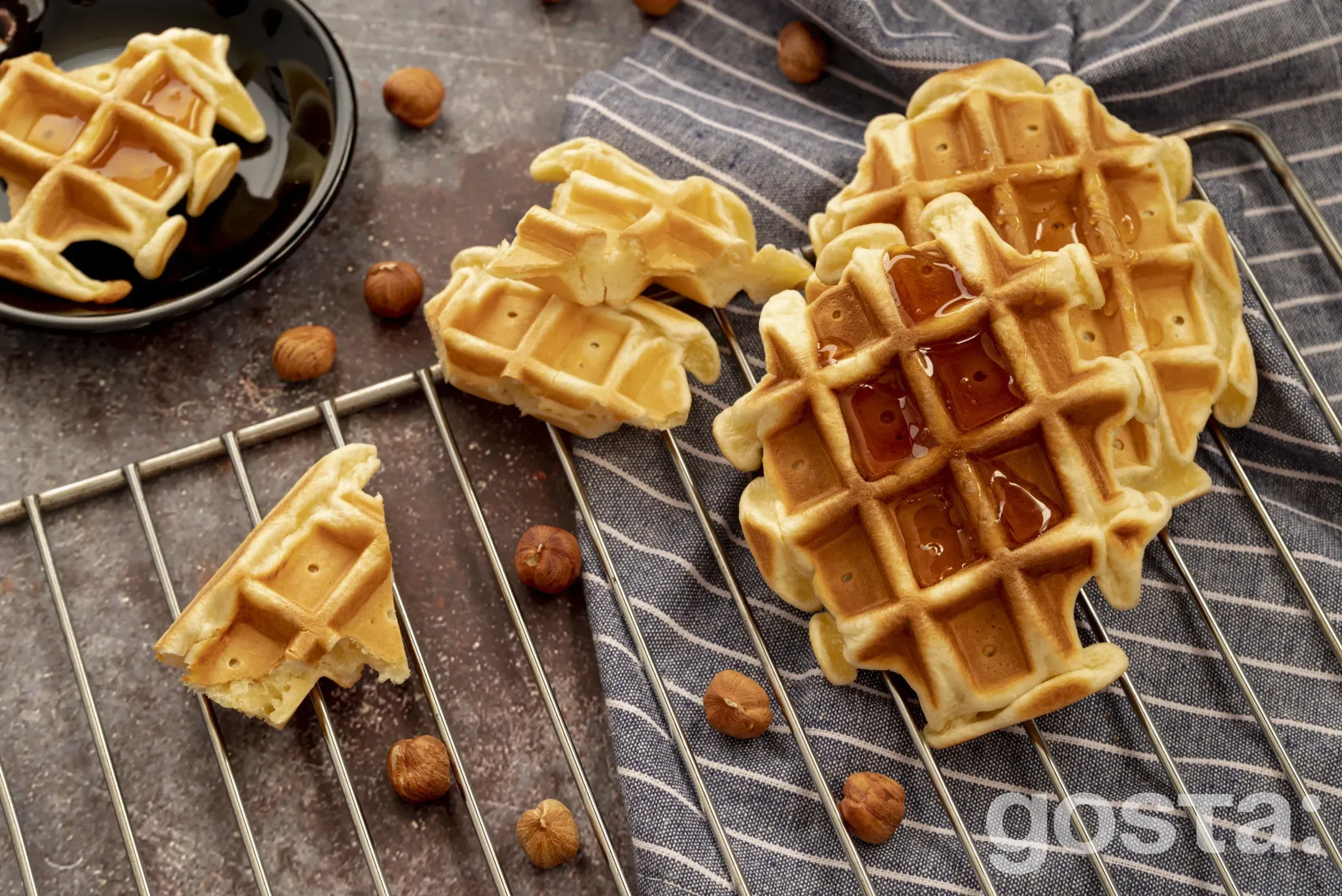
Second, don't open the waffle maker too early. Lifting the lid causes steam to escape, and even evaporation of moisture is exactly what shapes the crust thickness. If the waffles look ready, give them another 10–15 seconds – this small delay often makes a big difference.
Third, Belgian waffles should cool on a rack. If you stack them, condensation gets trapped and the texture changes completely. Professional bakers also recommend warming finished waffles in a turned–off oven – gentle residual heat helps drive off the last bit of moisture.
Typical mistakes that keep Belgian waffles from being crispy:
- The waffle maker is not hot enough
- The batter is too thin or too heavy
- The lid is opened sharply during baking
- Waffles are cooled in a stacked pile
- Egg or butter proportions are off
- Cornstarch is replaced with flour
Small tweaks to each of these points can transform the result. Classic Belgian waffles really do demand attention to detail – but the reward is a consistently delicious batch every time.
Soft Classic Belgian Waffles Without Cornstarch: Tender Crumb and Golden Crust
This is an alternative for those who love a softer bite. These Belgian waffles are less brittle, and their texture appeals to anyone who associates waffles more with fluffiness than crunch. The base is flour, butter, milk, and baking powder. The batter should be thicker than pancake batter but not so dense that you could shape it by hand.
Ingredients:
- Eggs – 2.
- Flour – 200 g.
- Milk – 150 ml.
- Butter – 120 g.
- Sugar – 80 g.
- Baking powder – 1 tsp.
- Vanilla sugar – 10 g.
- A pinch of salt.
Step by step:
- Beat softened butter with sugar until creamy.
- Add the eggs and vanilla sugar and beat until smooth.
- Sift the flour with baking powder and gradually add it to the egg–butter mixture.
- Pour in the warm milk and stir until you get a smooth, stretchy batter.
- Let the batter rest for 10–15 minutes.
- Bake in a well–heated waffle maker for 4–5 minutes until golden.
To get the right softness, it is important to balance fat and liquid. Butter adds flavor and tenderness, while milk keeps the batter flexible. If the batter is too thin, Belgian waffles will come out flat and fragile. If there is too much flour, they turn dry and "bready". The ideal consistency is a stretchy batter that slowly slides off the spoon.
This type of waffle works with almost any topping: sour cream, berry sauces, honey, and sweetened condensed milk. Baking powder gives an even crumb, and vanilla or lemon zest makes the aroma more expressive.
It also matters that the waffle maker for soft waffles can be a bit less hot, about one step lower than for crispy ones. This helps keep the inside moist and prevents the crust from drying out. Baking time is usually 4–5 minutes, depending on your appliance.
Soft Belgian Waffles With Sour Cream: A Dessert With a Creamy Flavor
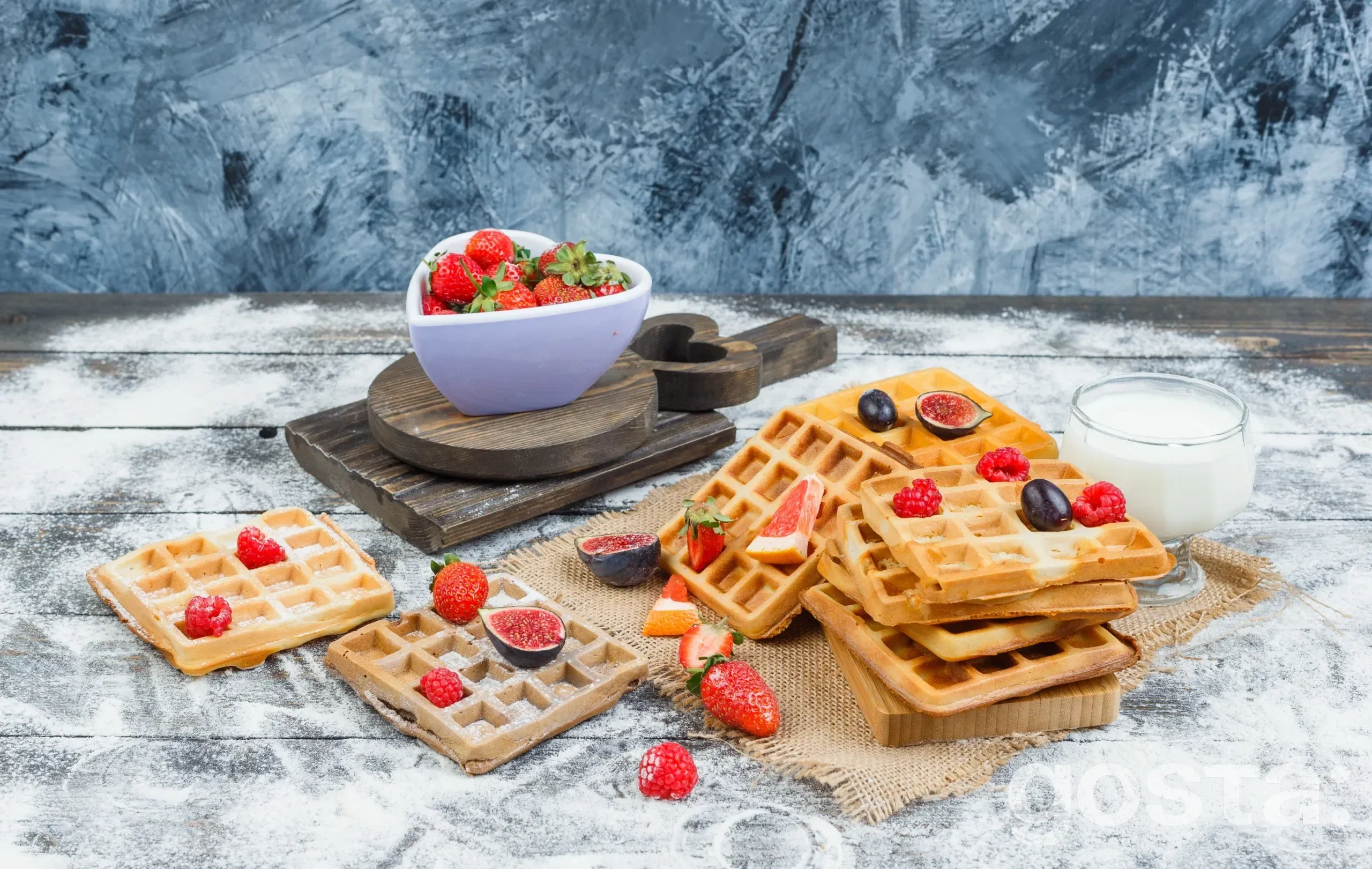
Belgian waffles with sour cream are one of the most tender options, popular among those who love desserts with a rich, milky aroma. The base is sour cream, egg, flour, and baking powder. Sour cream gives the batter a creamy feel, and after baking makes the crumb elastic and almost soufflé–like. These are Belgian waffles for anyone who values softness more than crunch.
Ingredients:
- Flour – 100 g.
- 15% sour cream – 100 g.
- Egg – 1.
- Sugar – 50–80 g.
- Baking powder – 1 tsp.
- Vanilla – 1 g.
Step by step:
- Whip the egg with sugar until the mixture lightens a bit.
- Add the sour cream and mix with a mixer.
- Sift the flour with baking powder and vanilla and add to the mixture.
- Knead a thick batter without lumps.
- Chill the batter in the fridge for 30 minutes.
- Spoon the batter into the waffle maker (about 1 tbsp per waffle) and bake for 7–8 minutes.
The resting time in this recipe is important. After mixing, the batter should chill for about 30 minutes. During this pause, the gluten stabilizes and the fat in the sour cream spreads evenly. If you start baking right away, Belgian waffles can turn out too puffy and uneven.
Sour cream waffles are best served warm – they soak up creams and chocolate sauces and work beautifully with fresh berries. Thanks to their denser structure, they don't get soggy as quickly as classic soft versions.
When to choose sour cream Belgian waffles:
- You want a more "dessert–style" waffle.
- You like a creamy texture.
- You plan to serve them with sour cream–based cream or sweetened condensed milk.
- You need a recipe without cornstarch.
Sour cream Belgian waffles are about softness that still holds its shape. They are ideal for sweet plates, especially when there are berries or cream on the table.
Yeast Belgian Waffles With Chocolate Chunks: Caramelized Crust and Airy Crumb
Yeast Belgian waffles are a less common but very impressive option. Their structure feels like something between a waffle and a brioche – airy, fragrant, with a light caramel note. Yeast takes extra time, but it is what creates the signature flavor.
Ingredients:
- Flour – 130 g.
- Milk – 100 ml.
- Egg – 1.
- Sugar – 4 tbsp.
- Dry yeast – 2 tsp.
- Butter – 50 g.
- Vegetable oil – 2 tbsp.
- Dark chocolate – 50 g (finely chopped).
- Vanilla extract – 2 drops.
- Rum extract – 2 drops.
- Salt – a pinch.
Step by step:
- Warm the milk to about 40 °C, add the yeast and sugar, and let stand for 10 minutes.
- Add the egg and extracts and whisk together.
- Sift the flour, add salt, and combine with the liquid mixture.
- Add melted butter and oil and knead into a smooth, elastic dough.
- Cover and leave for 1 hour in a warm place to rise.
- Add the chocolate pieces and gently fold them into the dough.
- Spoon the dough into the waffle maker and bake for about 5 minutes until the crust is caramelized.
The dough starts with warm milk, yeast, and sugar. After the yeast activates, you enrich the mixture with egg, extracts, and flour. Butter is added at the end to keep the dough supple. Yeast dough should rest for at least an hour in warmth so it can rise.
The chocolate goes in right before baking. As the waffles cook, the pieces partially melt and form sweet, caramel–like pockets inside. After baking, the Belgian waffle has a light yeast and chocolate aroma, making it perfect to serve with berries or ice cream.
How Yeast Belgian Waffles Differ From Classic Ones
Yeast Belgian waffles are a choice for special breakfasts. They take more time, but the payoff is a deeper, more complex flavor.
Liliia Tsvit's Recipe: A Reliable Way to Get Crisp Belgian Waffles
Liliia Tsvit is known for her dependable home recipes, and her version of Belgian waffles is one of the most reliable. It uses relatively generous amounts of butter and sugar, which makes the waffles crisp and aromatic. The batter should be thin enough to spread easily across the waffle plates.
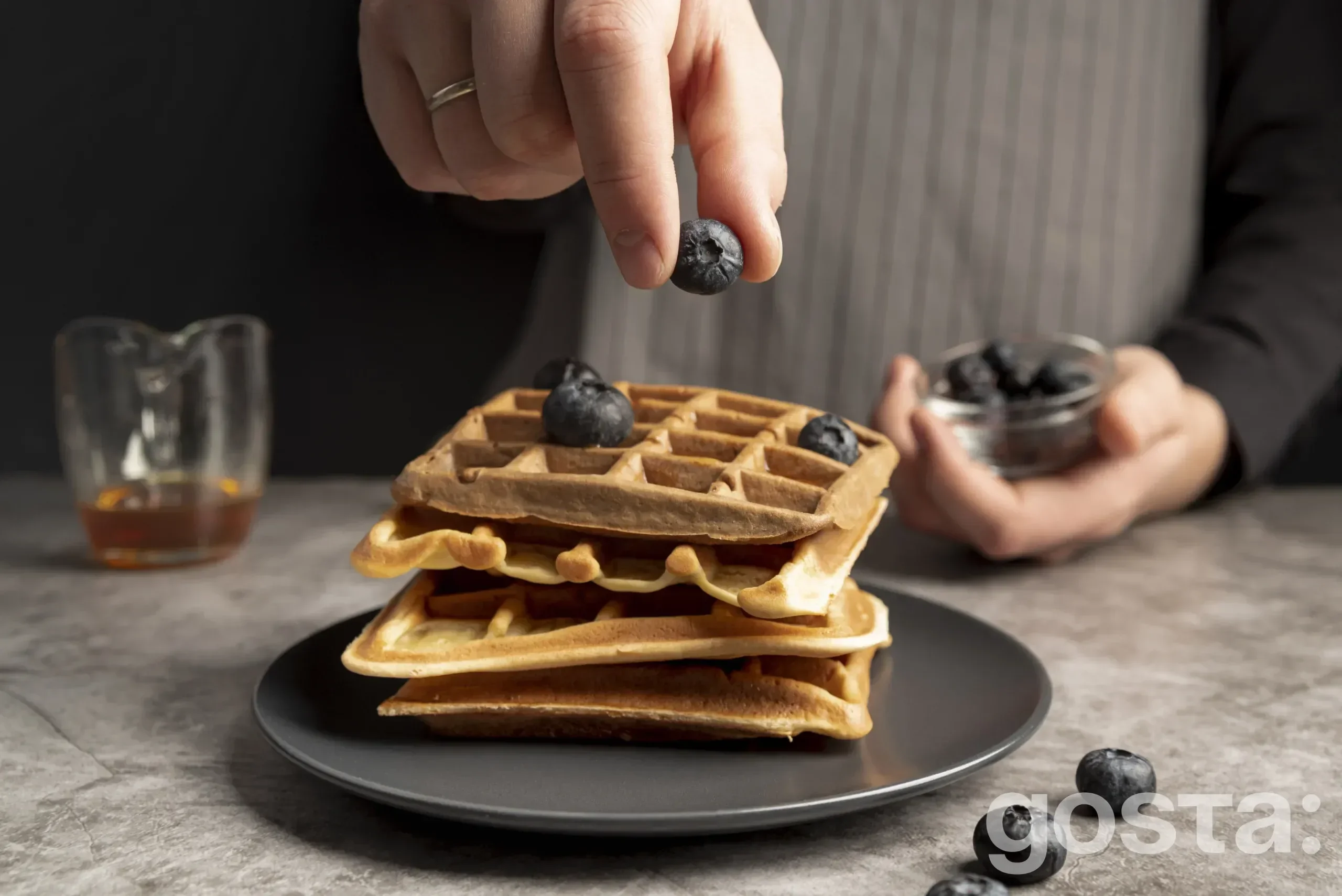
This recipe is perfect if you want a "shortcrust–style" waffle. Butter gives a defined structure and helps Belgian waffles stay brittle for a long time. The only thing to watch closely is temperature – if the waffle maker is too hot, the edges can brown too fast while the center remains underbaked.
Ingredients:
- Butter – 200 g.
- Sugar – 150 g.
- Vanilla sugar – 1 packet.
- Eggs – 4.
- Flour – 300 g.
- Baking powder – 0.5 tsp.
Step by step:
- Melt the butter until liquid, but do not overheat it.
- Add the sugar and vanilla sugar and mix well.
- Add the eggs and beat with a mixer until the sugar dissolves completely.
- Sift the flour with baking powder and addit to the mixture.
- Stir into a smooth, runny batter.
- Bake in a waffle maker for 10–15 minutes until a deep golden color forms.
This is a dependable, high–butter recipe, so the waffles come out brittle, crispy, and very fragrant. They hold their shape well and keep their texture even after cooling. It is a great option if you want a stable result without long preparation.
The Art of Perfect Belgian Waffles
Homemade Belgian waffles are all about simple ingredients and good technique. The crispy version with cornstarch gives lightness, the soft classic recipes bring tenderness, and the yeast ones add an airy, brioche–like depth of flavor. Once you understand the "physics" and logic of the process, waffles turn out equally good every time, no matter what waffle maker you use or how much experience you have.
Belgian waffles are fairly neutral in flavor, so they work well with both sweet and savory toppings. Sweet options include honey, syrups, chocolate sauce, sweetened condensed milk, berries, bananas, ice cream. Savory options: cheese, ham, avocado, poached egg, salmon.
Answers to Common Questions
Why aren't my Belgian waffles crispy?
Most often, it is because the waffle maker was not hot enough, and the batter didn't set immediately. If the batter is too thin or low in fat, Belgian waffles also come out soft. Crispness disappears when hot waffles are stacked on top of each othe,r and the steam has no way to escape.
How can I keep Belgian waffles until morning?
First let Belgian waffles cool completely on a rack so moisture doesn't build up inside. Then put them in an airtight container or a paper bag. Before serving, you can bring the crunch back in the oven or toaster in 2–3 minutes.
Can I make Belgian waffles without a waffle maker?
Yes. You can cook the batter in a thin layer in a pan, like a pancake, only a bit thicker. While still hot, the sheets can be rolled into tubes or folded in half. You won't get the classic grid pattern, but the taste and texture will still be very pleasant.
What should the batter for classic waffles be like?
The batter should be smooth and stretchy, with no lumps. If it is too thin, the waffles will spread out and lose their shape. If it is too thick, the crumb will be heavy. It is important to stick to the recommended consistency.
What can I use instead of cornstarch?
There is no perfect substitute that gives the same crispness. Flour makes Belgian waffles denser and doesn't give that delicate, brittle crust. If needed, you can use potato starch, but the crunch will be noticeably weaker.