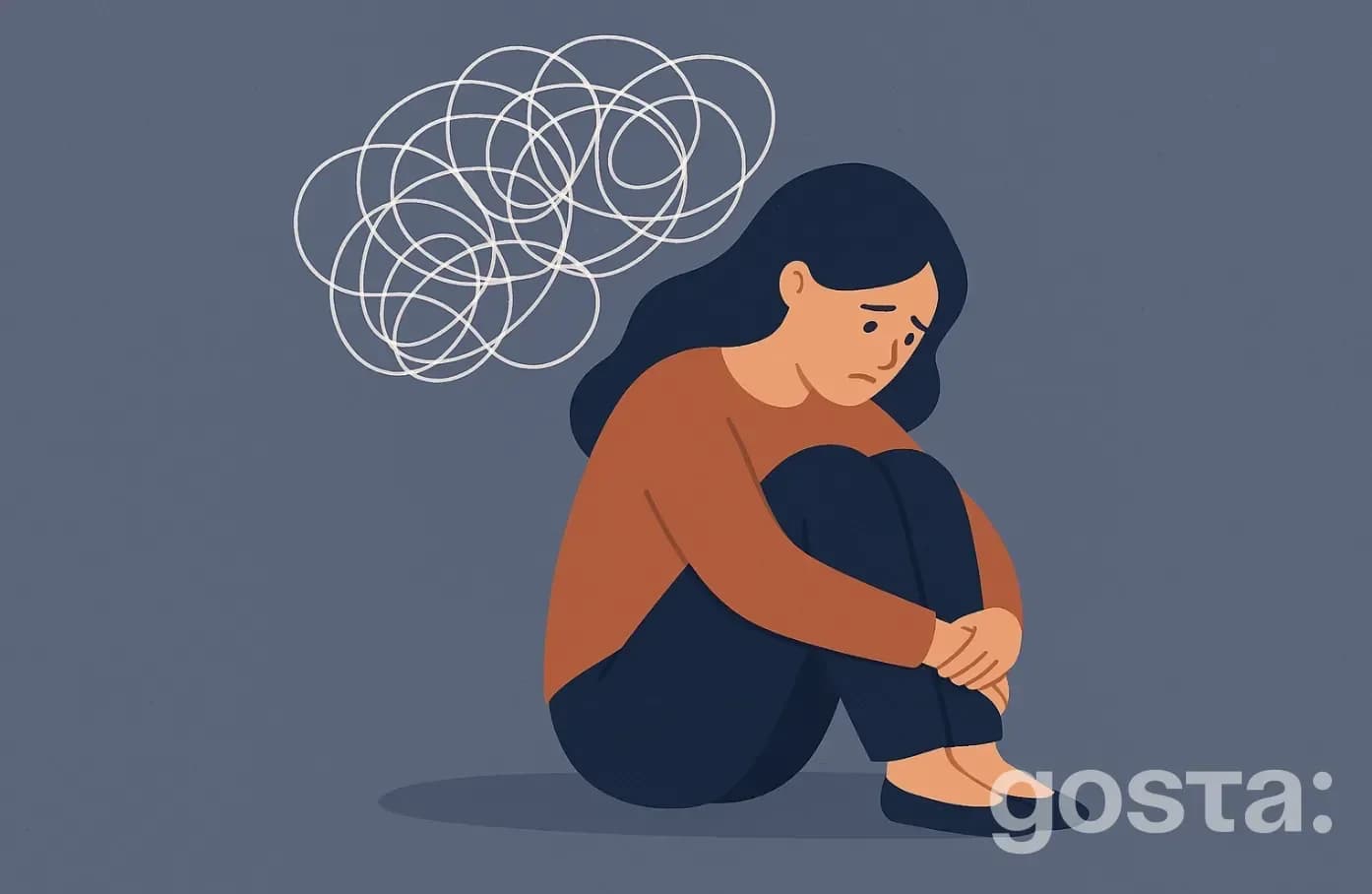
Depression is not just sadness or a bad mood. It is an illness. A person loses the ability to function for at least two weeks. Interest in daily life disappears. They feel drained and down. The World Health Organization says more than 300 million people suffer from depression worldwide. It often goes hand in hand with anxiety, addictions, and even heart disease. Understanding the causes and symptoms helps to ask for help in time and avoid complications.
Why Depression Happens – Main Causes
Depression does not appear out of nowhere. Usually, several factors are involved. They mix and make each other stronger:
- Biological factors. If someone in your family has depression, your risk is higher. Brain chemistry matters too. Low levels of serotonin, dopamine, and norepinephrine affect mood and motivation. Chronic pain or diabetes also raise the risk.
- Psychological factors. Long-term stress wears out the nervous system. Traumatic events leave scars. Personality traits also play a role. People with low self-esteem or who are very self-critical are more at risk. Perfectionism, the constant drive to be flawless, often leads to burnout and depression.
- Social factors. Loneliness often triggers depression. Money problems add pressure. Conflicts at home or work make people vulnerable. In today's world, social media is another factor. Comparing yourself to others leads to feelings of worthlessness and isolation.
Usually, several factors work at once. For example, a person has a genetic tendency, loses a job, and faces family conflicts at the same time. This mix makes the risk much higher. That is why depression develops differently for everyone.
How to Spot Depression – Symptoms
Depression rarely goes away on its own. Spotting the symptoms early gives a much better chance to recover. And note: depression is not always about tears. Often a person just becomes indifferent. Work, rest, and even loved ones no longer bring joy. Symptoms show up in emotions, body, thoughts, and behavior:
- Emotional symptoms. Constant sadness and emptiness. Loss of pleasure in daily life. Feelings of hopelessness and guilt. Irritability without clear reason.
- Physical symptoms. Sleep problems – either insomnia or sleeping too much. Appetite changes – overeating or sudden weight loss. Constant fatigue. Simple tasks feel too hard. Unexplained pain: headaches, muscle pain, or stomach issues.
- Cognitive symptoms. Trouble focusing. Weaker memory. Slower thoughts. Persistent negative ideas.
- Behavioral symptoms. Avoiding friends, giving up hobbies, skipping work or school. In severe cases, thoughts of death or suicide.
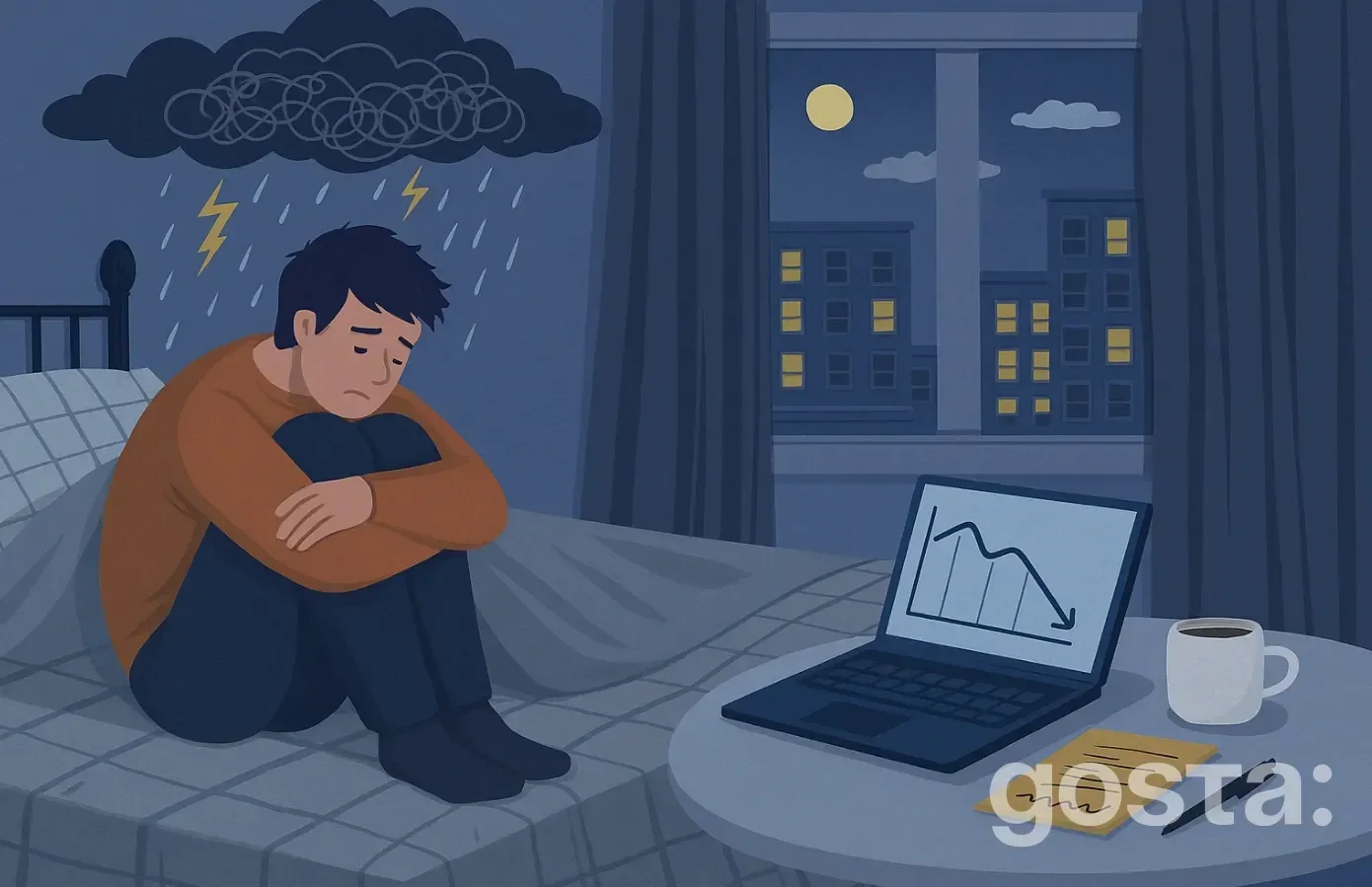
Treating Depression – On Your Own and With Doctors
Depression is not a whim. It drains you. But here is the good news: you can get better. The right steps bring back energy and joy. Start small. Each day is a step toward feeling better:
- Move your body. A walk, exercise, or yoga can lift your mood.
- Keep a sleep routine. Going to bed and waking up at the same time "resets" your brain.
- Eat balanced meals. Omega-3s, magnesium, and B vitamins support the nervous system.
- Avoid alcohol and drugs. They give short relief but make depression worse.
- Relax. Meditation, breathing exercises, or a warm shower ease tension.
- Try apps. They remind you of healthy habits and help track mood.
This is not magic, but in mild cases, these steps really help.
When should you see a doctor? If you cannot follow any of the steps above, if daily life feels impossible, or if you just feel too bad – it's time to see a specialist.
A doctor may prescribe antidepressants. The most common are SSRIs (selective serotonin reuptake inhibitors). They help balance serotonin in the brain and stabilize mood. In some cases, doctors use SNRIs, which also affect norepinephrine. The medicine usually starts working in 2–4 weeks, so it is important to follow the doctor's advice.
Therapy is another key method:
- Cognitive-behavioral therapy helps fight negative thoughts.
- Psychodynamic therapy looks at past experiences.
- Group therapy gives support.
The best results usually come from a combination: medication + therapy + lifestyle changes. Together, they bring the strongest effect.
Main Types and Signs of Depression – Video
Depression is a serious illness that can destroy lives. You cannot ignore it. You cannot just hope it goes away. To understand it better, watch this video:
Depression – Not a Life Sentence?
Depression is an illness, but not a life sentence. It has many causes – biological, psychological, and social. It shows up in emotions, body, thoughts, and behavior. Modern medicine offers effective treatments. A healthy lifestyle and support from loved ones are also very important. The main thing is not to face it alone. If you notice symptoms, speak up and look for help. Treatment works.
Frequently Asked Questions
How do I know if I have depression?
It feels different for everyone. Most often, it is a lack of positive emotions, no interest in favorite activities, and exhaustion. Even simple things feel heavy.
What hurts during depression?
Headaches or muscle pain may appear without clear reason. There is constant fatigue and weakness. Stomach problems are common too.
How long does depression last?
It varies a lot – from weeks to years. That's why it's so important to start treatment early.