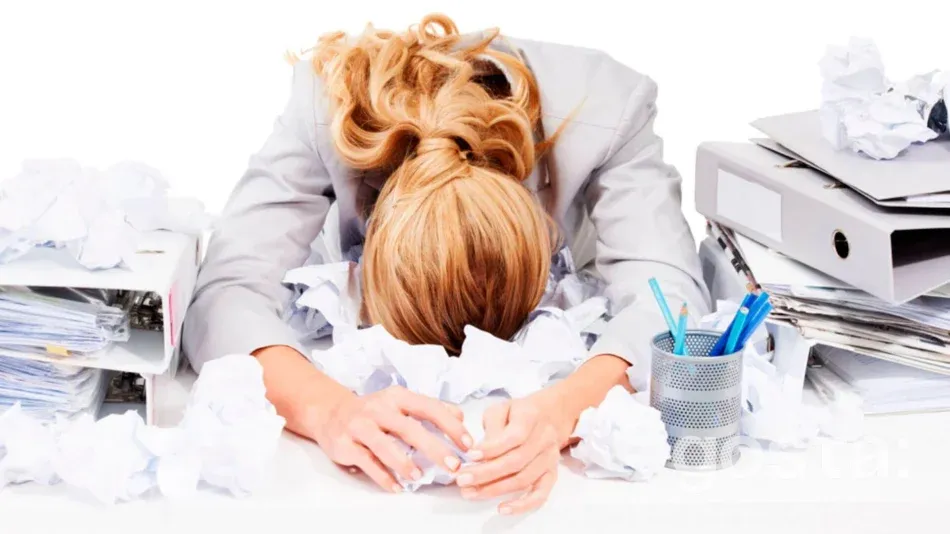
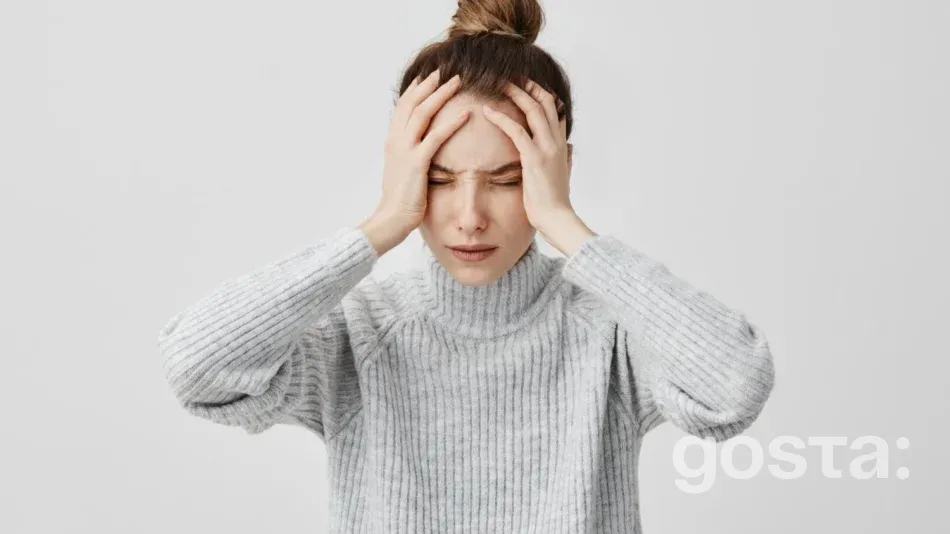
Stress has become a regular companion of modern life. Work, financial difficulties, information overload, and relationship problems all provoke emotional and physical strain. The most dangerous thing is that the body does not always signal stress openly. We often ignore hidden signs, mistaking them for “temporary fatigue” or “minor issues.” But these subtle symptoms may point to a serious overload of the nervous system.
Stress Symptoms We Usually Overlook
The body has its own ways to show exhaustion. Some signs are so common that people dismiss them, yet they often indicate accumulated stress.
1. Chronic fatigue
You wake up exhausted even after long sleep. This shows the body is constantly in alert mode, and rest does not restore energy.
2. Frequent headaches
Migraine or pressure in the temples is often linked not only to physical factors but also to nervous strain.
3. Digestive disorders
Bloating, diarrhea, or constipation may result from stress. The nervous system directly affects the gastrointestinal tract.
4. Insomnia or shallow sleep
A person may struggle to fall asleep, wake up in the middle of the night, or have disturbing dreams. This is a typical signal that the nervous system does not “switch off.”
5. Loss of concentration
It becomes hard to focus, memory “fails,” and attention scatters on small things.
6. Constant muscle pain
Tension in the neck, shoulders, or back is often a consequence of stress. A person may not even notice how the body “tightens.”
7. Irritability and mood swings
Even minor irritants cause anger, and mood shifts abruptly from joy to apathy.
8. Frequent colds and weakened immunity
Chronic stress suppresses the immune system, making the body more vulnerable to infections.
9. Appetite changes
Some people overeat, while others lose the desire to eat. Both are stress responses.
10. Escaping into harmful habits
Smoking, alcohol, binge-watching series, or endless scrolling on social media often serve as ways to relieve inner tension.
These symptoms may seem ordinary, but if they persist and combine, it means the body is working at its limit.
Why You Should Not Ignore Stress Symptoms
Many people underestimate stress, seeing it as part of work or family life. But prolonged neglect of body signals may lead to serious consequences:
higher risk of cardiovascular diseases;
hormonal imbalances;
digestive problems;
depression and anxiety disorders;
weakened immune system.
Stress is not just an emotional state. It directly affects health and longevity. It drains the body and causes harm, so do not ignore stress symptoms.
How to Cope with Stress
It is impossible to avoid stress completely, but it is important to learn to control it. Timely response can prevent serious consequences for mental and physical health. Below are methods that help restore inner balance and make the body more resilient to pressure.
Regular sleep. Quality rest is the main protector of the nervous system. Go to bed and wake up at the same time, even on weekends. Avoid gadgets an hour before sleep and create a calm bedroom environment.
Physical activity. Exercise releases endorphins — happiness hormones that naturally lower cortisol levels. You do not need intense training: daily walks, light jogging, or yoga are enough.
Proper nutrition. Food directly affects mood. Reduce caffeine, alcohol, and excess sugar as they stimulate the nervous system. Eat more green vegetables, nuts, fish, and protein-rich foods that support stable energy levels. Do not use food to cope with stress.
Relaxation techniques. Meditation, breathing exercises, or yoga help release tension in just a few minutes. For example, the simple “4-7-8 breathing” technique (inhale for 4 seconds, hold for 7, exhale for 8) quickly calms the nervous system.
Time management. A clear schedule reduces chaos and the feeling of being “behind.” Use planners, break big tasks into smaller ones, and set priorities.
Communication. Talking to loved ones or a professional relieves emotional strain. Do not hesitate to ask for support: sometimes an honest talk with a friend is the best therapy.
If you make these practices part of daily life, stress levels will decrease, and your body will respond to challenges more calmly and effectively.
Stress is an invisible enemy that gradually destroys health. Recognizing hidden stress symptoms is crucial, as timely reaction helps prevent serious illnesses. Balance of work, rest, and inner state is the best prevention.
Frequently Asked Questions
Can Stress Show Only Physical Symptoms, Without Anxiety or Fear?
Yes. Very often, people do not realize they are under stress. They only feel headaches, digestive disorders, or insomnia, but do not link them to nervous strain.
What Is the Difference Between Short-Term Stress and Chronic Stress?
Short-term stress can mobilize the body and even be helpful, for example before an exam or an important meeting. Chronic stress, however, lasts for weeks or months and gradually exhausts the nervous and immune systems.
Is It True That Stress Can Lead to Weight Gain?
Yes. During stress, the body releases cortisol, which stimulates appetite and promotes fat accumulation, especially in the abdominal area.
When Should You See a Psychologist or Psychotherapist?
If stress symptoms last more than a month, interfere with work or communication, or you feel constant exhaustion and apathy — it is better to seek professional help.
Can Stress Be Eliminated Completely?
No. It is impossible to avoid it entirely because stress is a natural body reaction. The goal is not to eliminate it but to learn to control it and respond properly to life’s challenges.
Tags:
Report an error
Found a mistake? Highlight it in the text and send it to us at info@gosta.ua
Subscribe to the monthly news digest from Gosta Media
The main news and updates from the team about gadgets, sports, cars, health, and lifestyle.
Get Your Personalized Synastry Chart (PDF)
We’ll email your full compatibility reading as a beautifully designed PDF. Just enter your email below and proceed to secure checkout.
One-time payment – just $9.99
Warning:
Access only for persons over 21 years of age
This section contains information about gambling and is available only to persons who are 21 years of age or older in accordance with the applicable laws of Ukraine. Please confirm that you are 21 years of age or older.
This platform does not have a Ukrainian license. The link is provided for informational purposes only. Participation in games on such sites may violate Ukrainian law.