Завантаження…

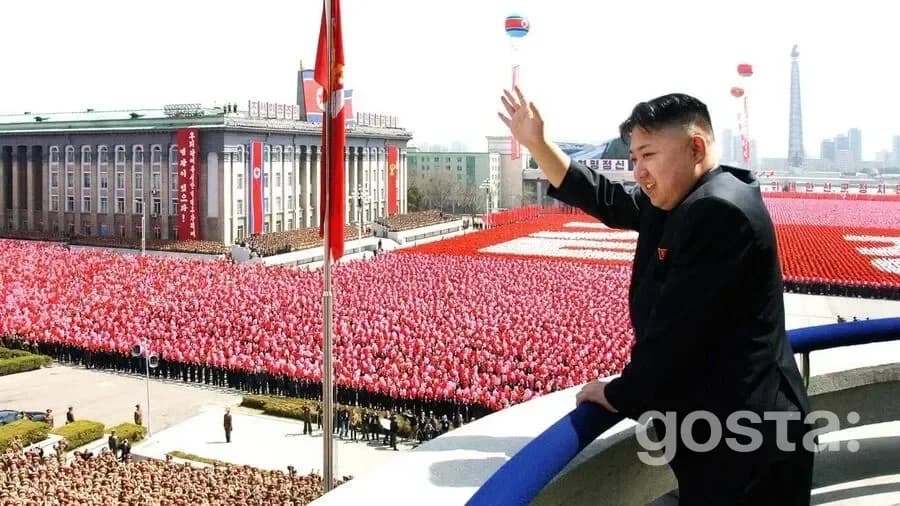
The Democratic People's Republic of Korea (DPRK), better known as North Korea, has fascinated the world for decades. It's a country shrouded in secrecy, surrounded by myths, legends, and stereotypes. Off-limits to most foreigners and with extreme information control, North Korea remains one of the most isolated nations on the planet.
But what's really behind this wall of silence? How do ordinary North Koreans live? What drives the country's internal politics? Why does the military play such a huge role—and what facts might surprise even the biggest skeptics?
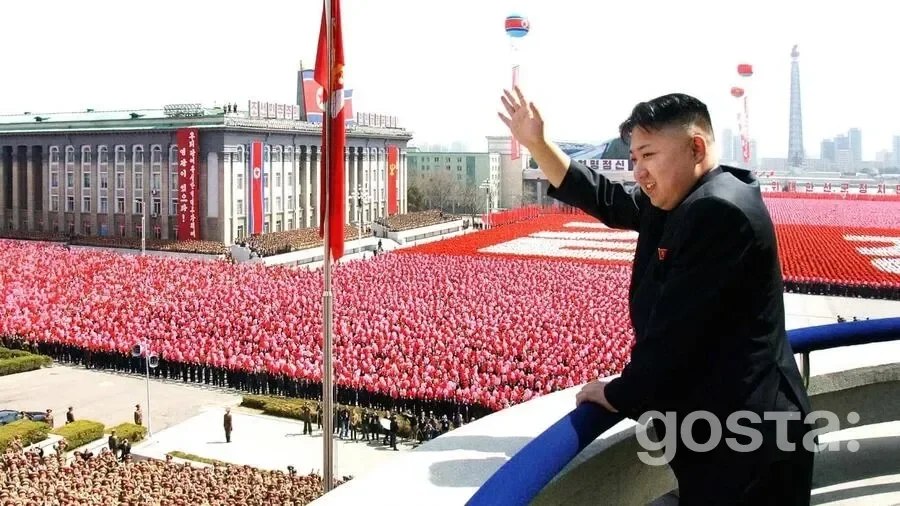
Everyday life in North Korea is completely different from what most of the world is used to. The government tightly controls every part of a person's life—from their hairstyle to their job to how they spend their free time.
Most people work for the government or state-run companies. Wages are extremely low, but the state provides minimal food rations—mainly rice, corn, and occasionally soy sauce or oil. In rural areas, things are often worse.
Want to know how people live in China? Check out our article on Beijing.
Here are some key stats about North Korea's population and living conditions:
The regime views openness as a threat to its control. Leaders fear that exposure to outside information could make people question the legitimacy of the ruling family. Economic problems are managed through propaganda and strict control. The Juche ideology promotes the idea that isolation is a strength—not a weakness.
North Korea's living standards are among the lowest globally. The UN estimates over 40% of the population is undernourished. Power outages are common, and transportation infrastructure is severely underdeveloped.
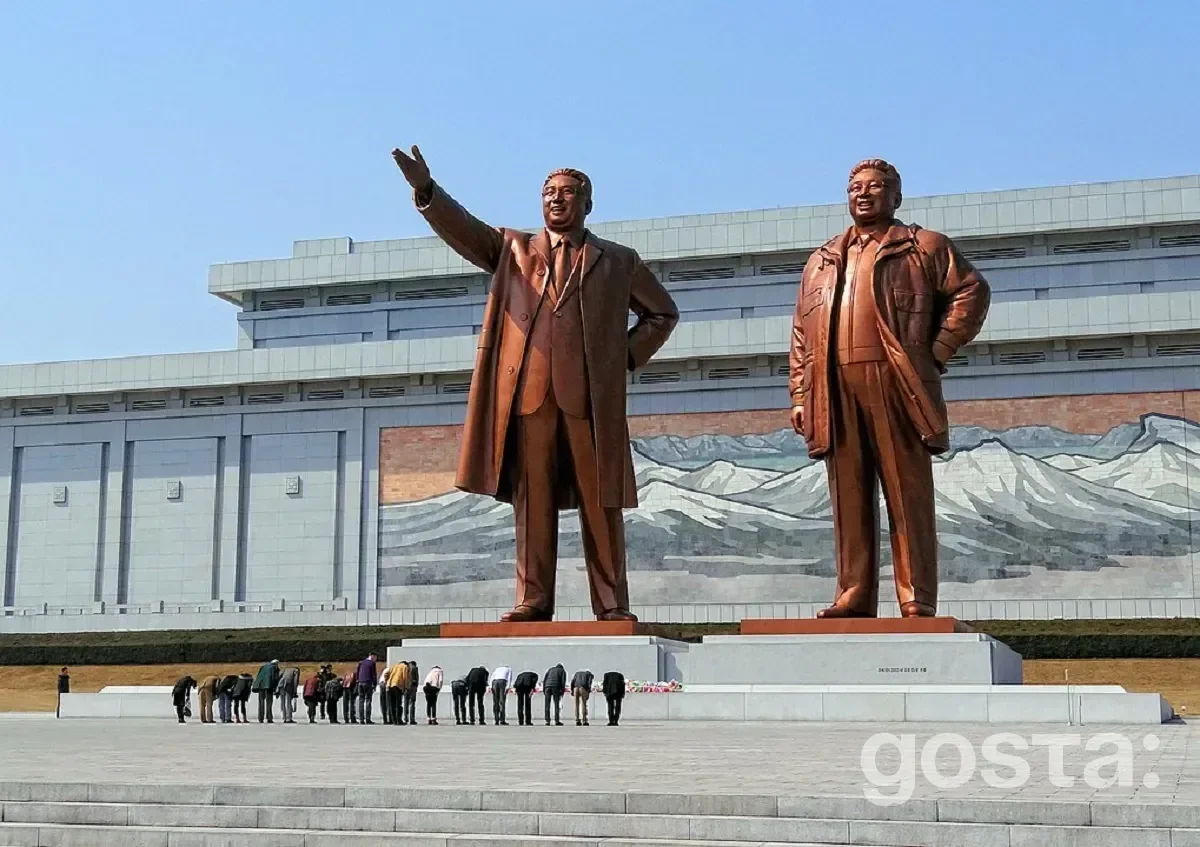
North Korea is a one-party dictatorship built around the Kim family cult of personality:
The regime is rooted in the ideology of Juche—self-reliance, independence, and national pride. Kim Jong Un is portrayed as the "Great Leader," and this image is central to the country's political indoctrination efforts.
North Korea maintains one of the world's largest standing armies:
Despite widespread poverty, the military receives priority funding. It's seen as the key to keeping the regime in power.
North Korea sits on the edge of global isolation. Its only real allies are China and, to a lesser degree, Russia. The country is under heavy sanctions from the UN, the U.S., and the EU. While it does export some goods—coal, seafood, and textiles—many of these transactions happen under the radar or through illegal channels.
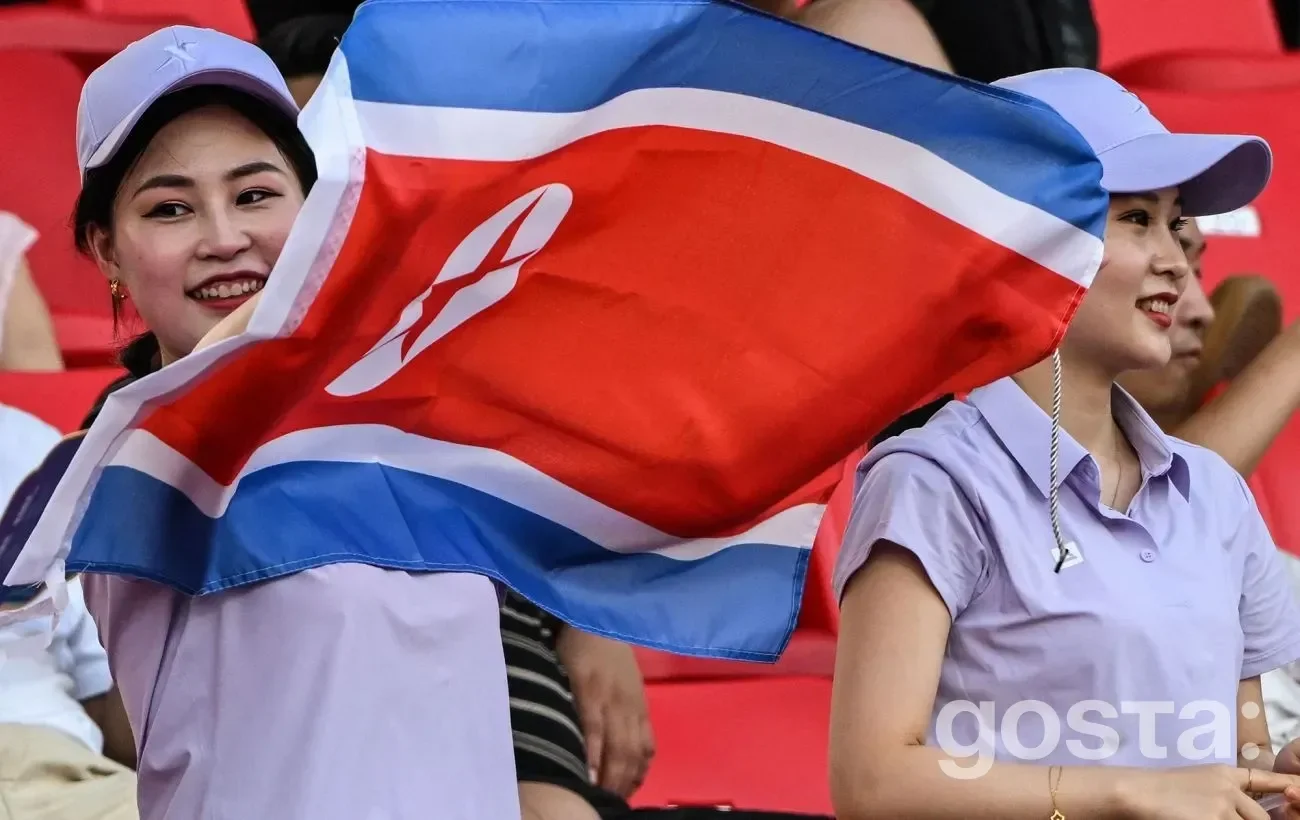
North Korea is almost completely cut off from the global economy, culture, and communication. Tourism is allowed but tightly controlled. Tourists are always accompanied by government guides and forbidden from speaking freely with locals.
Related: Check out our article on Washington, D.C.—the capital of the U.S.
North Korea is a modern-world anomaly. It shows how far a country can go in cutting itself off from the rest of the world when isolation becomes a deliberate strategy. It's a mix of strict dictatorship, militarization, and controlled freedom. Behind the state propaganda and harsh discipline, though, are real people—just trying to survive, feed their families, and stay safe.
The world keeps a close eye on North Korea—not just because it's secretive, but because it's a nuclear-armed nation where global stability can hinge on the decisions of a single man.