Ultraviolet (UV) radiation is a form of electromagnetic energy that comes from the sun. It sits between visible light and X-rays on the spectrum. Even though we can’t see UV light with the naked eye, it has a strong impact on our bodies and the environment. In small doses, UV rays are actually good for us—they help the body produce vitamin D. But too much exposure can be harmful.
The Three Types of UV Rays
There are three main types of UV radiation, depending on wavelength. Each one interacts differently with the atmosphere and our bodies—and each has a different effect on your health. Knowing the difference helps you understand why sun protection matters.
UVA (long-wave) — These penetrate deep into the skin and make up about 95% of the UV rays that reach Earth. They’re the main cause of premature skin aging.
UVB (medium-wave) — These affect the upper layers of skin, cause sunburn, and play a key role in the development of skin cancer.
UVC (short-wave) — These are the most dangerous, but they’re completely absorbed by the Earth’s atmosphere and don’t reach us.
Is UV Dangerous Only on Sunny Days?
That’s a common myth. Many people think UV rays are only harmful when the sun feels hot and bright. In reality, UV rays can pass through clouds, fog, and even glass. On cloudy or cool days, UV levels can still be high—especially in summer or at higher altitudes.
A few key facts to remember:
Up to 80% of UV rays pass through clouds.
Reflections from snow, water, sand, or glass can increase UV exposure by 1.5 to 2 times.
Even in the shade, you’re still exposed to some UV radiation.
That’s why sun protection is something you need every day, not just during heatwaves.
How UV Rays Harm Your Skin and Eyes
Too much UV exposure can damage both the outside and inside of your body. Your skin and eyes are the most vulnerable because they’re in direct contact with sunlight. Even a short time in the sun without protection can leave you with uncomfortable or serious consequences.
Effects on Your Skin:
Sunburn, irritation
Premature aging: wrinkles, loss of elasticity
Dark spots and uneven skin tone
Increased risk of melanoma and other skin cancers
Effects on Your Eyes:
Photokeratitis (sunburn of the cornea)
Cataracts
Retinal damage, which can affect vision
UV damage builds up over time, and its effects are more serious with constant, intense exposure.
Long-Term Effects of UV Exposure
Over years of exposure, UV light can lead to serious—and sometimes permanent—changes in your body. People who spend a lot of time outdoors without protection are especially at risk. Some problems might not show up until decades later.
Melanoma — One of the most aggressive forms of skin cancer.
Weakened immune system — Makes it harder for your body to fight infections.
Chronic eye damage — Including cataracts and retinal degeneration.
Photoaging — Deep wrinkles, dry skin, uneven tone.
And remember, the risk isn’t limited to summer or sunny days. UV rays reflect off water, sand, and snow, increasing exposure even when the sun doesn’t seem strong.
How to Protect Yourself from UV Rays Every Day
Daily UV protection isn’t just about looking good—it’s a key part of preventing serious skin and eye diseases. Most people think about sunscreen only during summer or on vacation, but UV rays hit us every single day—even in winter or on cloudy afternoons. Here’s how to keep yourself and your loved ones safe:
1. Use Sunscreen Every Day
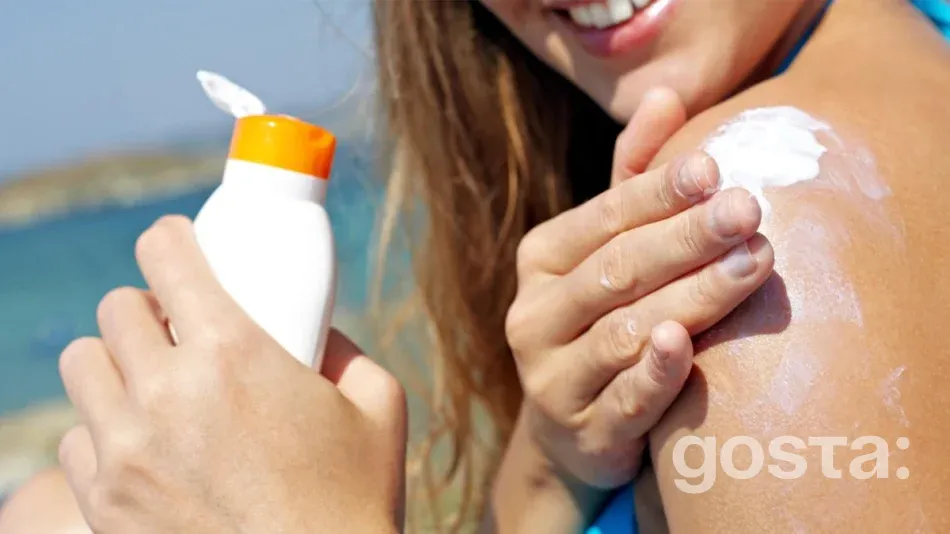
Sunscreen is your number one defense against UV rays:
Choose SPF 30 or higher, labeled “broad spectrum” to protect against both UVA and UVB.
Apply 15–30 minutes before going outside—even if it’s cloudy.
Reapply every 2 hours, and after swimming, sweating, or towel-drying.
Don’t forget a lip balm with SPF to prevent dryness, cracking, and reduce the risk of skin cancer in that sensitive area.
2. Clothing and Accessories Are Your Everyday Armor
The right clothes can block a lot of UV exposure:
Wide-brimmed hats (at least 3–4 inches) shield your face, ears, neck, and chest.
Sunglasses with UV400 filters protect your eyes and lower the risk of cataracts and other damage.
Go for tightly woven fabrics or special UPF-rated clothing for extra protection.
Long sleeves, pants, and collars are especially helpful if you’re working or spending long hours outside.
3. Avoid Peak Sun Hours
The sun is strongest during the middle of the day:
From 10 AM to 4 PM, UV levels are at their highest. It’s best to limit outdoor time during these hours.
If you do need to be outside, use all available protection and stick to the shade.
Plan outdoor activities for early mornings or evenings when the sun is gentler.
4. Choose Smart Clothing for Hot Weather
Light but tightly woven clothing can block UV rays:
Fabrics like cotton, linen, or denim work well, especially in light or neutral colors.
Avoid see-through or very thin materials that let sunlight through.
For sports or outdoor adventures, look for clothes with UPF ratings—they’re breathable, lightweight, and designed to protect you.
Even in the shade or on cloudy days, UV rays can reach you:
Shade from trees, awnings, or buildings helps reduce UV exposure, especially during midday.
Don’t forget that surfaces like water, sand, concrete, and snow reflect UV rays, making exposure stronger. At the beach, in the mountains, or by a pool, UV levels can double.
Use umbrellas, canopies, or beach tents for extra protection.
Protecting yourself from UV should be as routine as brushing your teeth. It’s a daily habit that keeps your skin healthy, your eyes safe, and your future self grateful. UV radiation is a natural part of life—with both benefits and risks. Knowing how it works and how to stay safe helps you keep your skin youthful, your vision sharp, and your health on track.
Frequently Asked Questions
What is UV radiation, and why is it harmful?
Ultraviolet (UV) radiation is a type of sunlight that’s invisible to the human eye. In large amounts, it harms your skin and eyes—causing sunburn, premature aging, cataracts, and raising your risk of skin cancer.
From 10 AM to 4 PM. That’s when the sun is highest in the sky, and UV levels are strongest. Sunburns are most common during these hours.
Do I need sunscreen on cloudy days?
Yes. Up to 80% of UV rays pass through clouds. That’s why sunscreen is important no matter the weather.
Information
Unraveling the Mysteries of Aging: Insights and Information
Aging is an inevitable journey that every person embarks on, filled with unique challenges and profound experiences. For those exploring the depths of what it means to grow older, this tag offers a wealth of insights and information. Whether you are looking for the latest research, tips for healthy aging,…
Subscribe to the monthly news digest from Gosta Media
The main news and updates from the team about gadgets, sports, cars, health, and lifestyle.
Get Your Personalized Synastry Chart (PDF)
We’ll email your full compatibility reading as a beautifully designed PDF. Just enter your email below and proceed to secure checkout.
One-time payment – just $9.99
Warning:
Access only for persons over 21 years of age
This section contains information about gambling and is available only to persons who are 21 years of age or older in accordance with the applicable laws of Ukraine. Please confirm that you are 21 years of age or older.
This platform does not have a Ukrainian license. The link is provided for informational purposes only. Participation in games on such sites may violate Ukrainian law.