Papaya: Benefits, Calories, and How It Affects Your Body
Exotic papaya — what makes it so good for you? Find out how this unusual fruit affects your body.

Рада ухвалила закон про мобілізацію: що змінюється для українців
Долар 41.54 ₴ (+0.12), євро 44.98 ₴ (-0.05)
Кременчук: +18°C, ясно. Увечері до +12°C.
День працівників соціальної сфери. Всесвітній день сміху.
Сьогодні святкують: Максим, Віктор, Тамара
Овен: Хороший день для нових починань. Зірки сприяють ініціативі.
2004 — Кіпр, Чехія та 8 інших країн вступили до Євросоюзу
Паливо знову подорожчало: А-95 переступив психологічну межу
Apple iPhone 17 Air: все що відомо про найтоншу модель
Exotic papaya — what makes it so good for you? Find out how this unusual fruit affects your body.
Juicy, bright orange, and with a delicate aroma — papaya is no longer exotic only for tropical countries. Today, you can find it on supermarket shelves even in colder regions. This fruit isn't just tasty — it also has a range of health benefits, making it a favorite for anyone who cares about their health and figure.
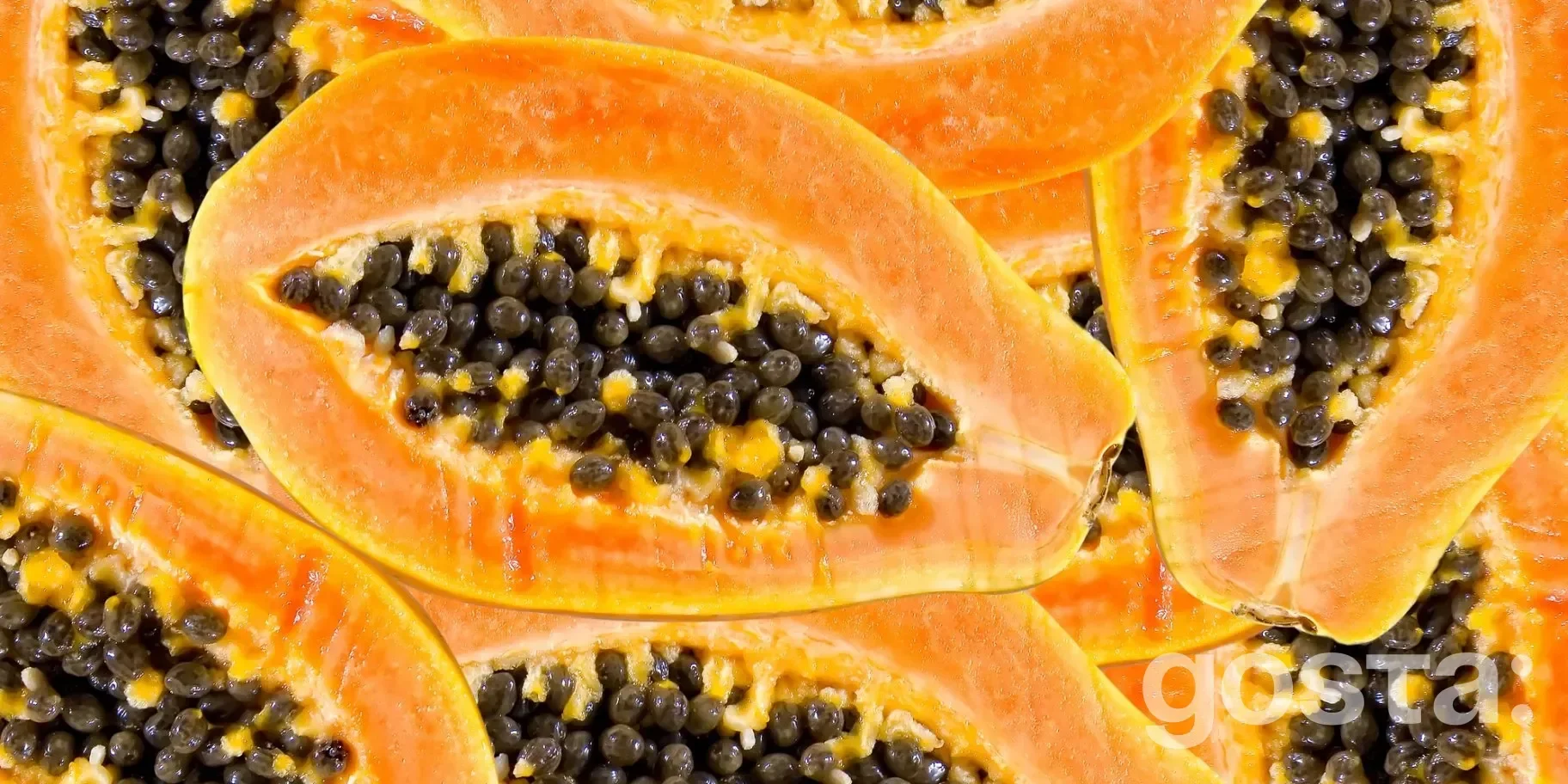
Before talking about the benefits, it's worth noting that papaya is one of the lightest fruits in terms of calories. One hundred grams of fresh pulp has about 43 calories. It's full of vitamins and minerals but doesn't overload the body with sugar.
Key nutrients include:
Thanks to this composition, papaya is a great addition to your daily diet, especially during weight loss or recovery after illness.
Papaya isn't just a sweet treat. Eating it supports many body systems.
Main benefits:
You can enjoy papaya fresh, in smoothies, or in salads — it's tasty and functional.
Eating papaya regularly has an overall positive effect. It stimulates digestion, cleanses the body, reduces inflammation, and improves skin condition. Some athletes eat it after intense workouts because its vitamins and minerals help speed up recovery.
Another plus: papaya is almost fat- and cholesterol-free, so it's ideal for people watching their blood lipid levels.
Despite its benefits, papaya isn't for everyone:
In moderate amounts papaya is safe, but if you plan to eat a lot of it regularly, it's better to check with your doctor first.
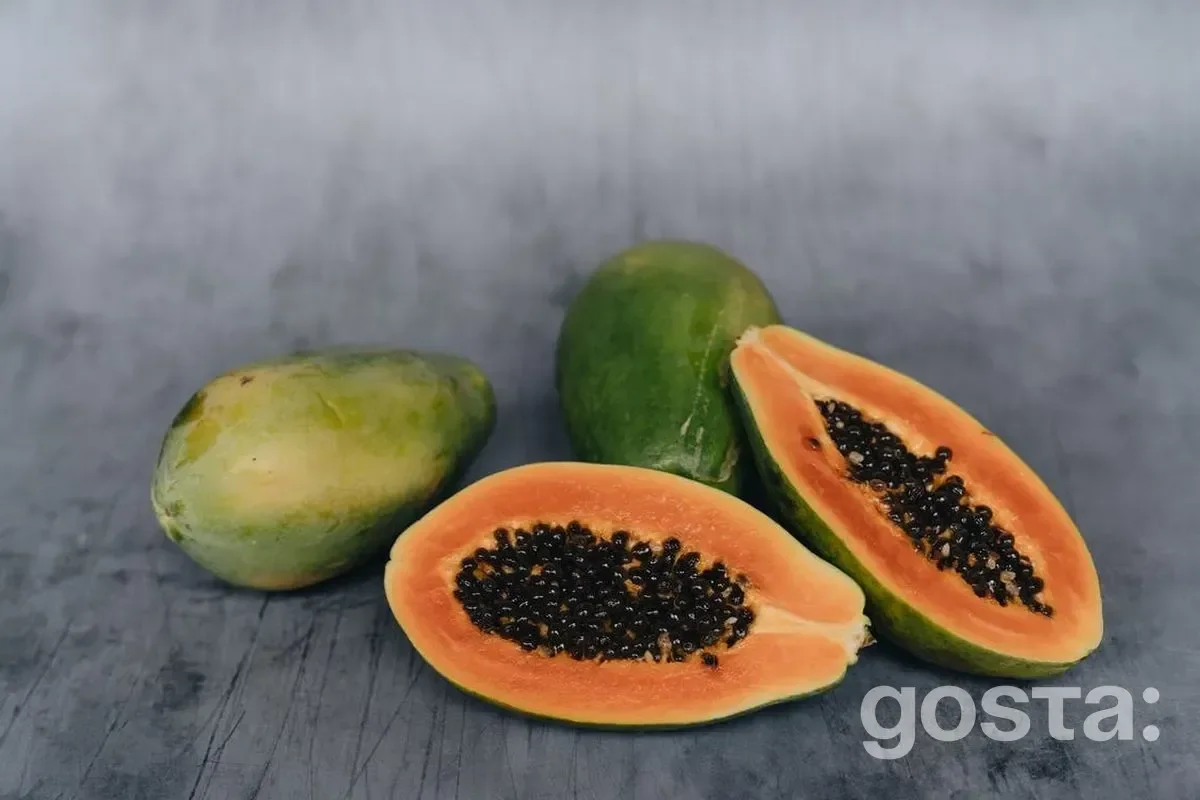
The taste depends on ripeness. A ripe papaya has soft, buttery flesh and a sweet flavor with hints of melon and apricot. Its aroma is mild, tropical, sometimes floral.
Unripe papaya has firmer flesh and almost no sweetness. In some varieties, green papaya is used as a vegetable in salads or stir-fries.
How to pick a ripe papaya:
Eating papaya is simple: cut it in half, scoop out the black seeds (they're edible but bitter), and enjoy the flesh with a spoon. You can also add it to fruit salads, smoothies, desserts, or serve with lime for extra flavor.
To really enjoy papaya and get the most out of it, you need to know how to pick a ripe one.
When choosing, check these things:
Eating papaya is simple: cut it in half, scoop out the black seeds (they're edible but bitter), and eat the flesh with a spoon. You can also add papaya to fruit salads, smoothies, desserts, or serve it with lime to bring out the flavor.
Papaya isn't just a bright tropical fruit. It's packed with vitamins and antioxidants. It's light, tasty, and good for your digestion, heart, immunity, and skin. Once you know how to choose and serve it, you'll get both health benefits and great flavor. Just enjoy it in moderation and pair it with other healthy foods.
Papaya comes from Central America, but today it's grown in many tropical and subtropical regions. The biggest farms are in Mexico, Brazil, Thailand, India, the Philippines, and Hawaii.
Yes. It's best to cut it into cubes first and remove the seeds and skin. Frozen papaya keeps most of its nutrients and works well in smoothies or desserts.
Yes. The seeds have a slightly bitter, peppery taste and are thought to be good for digestion. But don't eat too many, since large amounts can upset your stomach.
Yes. You can give papaya puree to babies from 8–10 months if they don't have allergies. Start with a small amount and watch how they react.
Без спаму. Лише топ-матеріали Gosta. Відписатись в один клік.