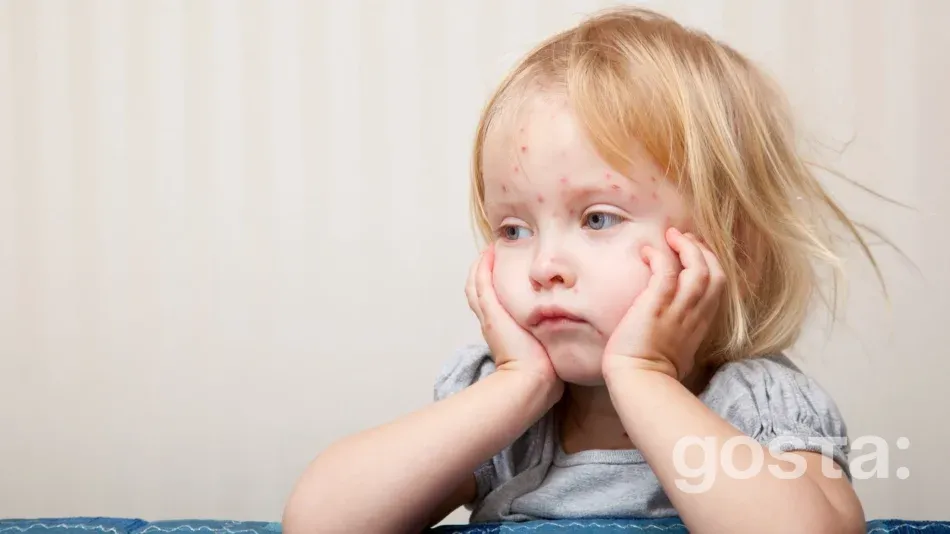
Chickenpox is a highly contagious disease. Many people are familiar with it from childhood. Children often experience it mildly, but adults can face complications. The first signs include fever, weakness, and a distinctive rash — initially red spots, followed by fluid-filled blisters. Eventually, the blisters dry out and form scabs. The disease spreads quickly. It’s very easy to get infected. That’s why it’s important to know how chickenpox spreads and when a person is contagious.
How Chickenpox Spreads
Chickenpox spreads through airborne droplets. This means the virus can be transmitted through talking, sneezing, or coughing. Simply being in the same room with an infected person can lead to infection.
The second route is through direct contact. Touching the blisters or objects used by an infected person carries a risk of transmission. This is especially dangerous for people with weakened immune systems.
The disease is caused by the varicella-zoster virus, a type of herpesvirus. After the illness, the virus remains in the body for life. In some people, it can “reactivate” years later and cause a different illness — shingles.
It’s important to understand how chickenpox spreads. A person with shingles can also be a source of the virus. This is another manifestation of the same virus. In other words, you can get infected even from someone without the classic chickenpox rash.
How Fast Chickenpox Spreads
Chickenpox is extremely contagious. If one child in a classroom or group gets sick, it’s very likely that others will too — especially those who haven’t had the illness before or aren’t vaccinated.
Indoors, the virus “travels” with the air. It can even spread through ventilation systems. That’s why entire daycares or school classes sometimes get infected.
How Long Is the Incubation Period for Chickenpox
The incubation period is the time between exposure to the virus and the onset of symptoms. During this period, the person doesn’t yet know they’re sick — but the virus is already active in the body. For chickenpox, this period typically lasts from 10 to 21 days. Most commonly, it’s around 2 weeks.
Important: a person can start spreading the virus two days before the rash appears. This means they feel fine but are already contagious.
The highest risk of transmission is from two days before the rash appears until the fifth day after the last rash element emerges. During this entire time, the infected person must be isolated. Otherwise, the virus will quickly spread to others.
Who Is at Highest Risk from Chickenpox
Children are the most common group to get chickenpox — especially between the ages of 2 and 10. In most cases, they experience mild symptoms. Fever lasts a few days, and the rash goes away within one to two weeks. However, even in children, complications can occur — like skin infections or scarring from scratching.
The highest risk groups include:
Adults who never had chickenpox as children. They often experience a more severe illness with high fever, intense rash, and possible complications.
Pregnant women. Infection during the first trimester can affect fetal development. In later stages, the newborn may be at risk.
Infants. Especially under 6 months old if the mother doesn’t have immunity.
People with weakened immune systems. For example, those undergoing chemotherapy or with chronic illnesses. The disease may present atypically and severely in such cases.
How to Prevent the Disease
The most effective way to protect yourself is through vaccination. The chickenpox vaccine is part of the immunization schedule in many countries. What the vaccine does:
Protects against the disease in 80–90% of cases.
If infection does occur, symptoms are usually very mild.
Vaccination can be given to children starting at 12 months old. Adults can also get vaccinated if they’ve never had chickenpox and have no antibodies.
If you’ve had close contact with someone with chickenpox and haven’t had the disease — consult a doctor. In some cases, getting vaccinated within 3–5 days of exposure can either prevent the illness entirely or significantly reduce its severity.
Sometimes antiviral medications are prescribed — in special cases, such as for people with a weakened immune system.
Isolation is important. A sick person should stay home until all blisters are no longer active. It’s crucial not to go out in public, attend school or daycare, or come into contact with vulnerable individuals.
If there’s an infant, a pregnant woman, or someone with chronic illnesses in the household — it’s best to temporarily separate living areas, use separate dishes and towels, and ventilate the rooms regularly.
Some people think of chickenpox as “no big deal” because “everyone had it as a kid.” But it’s not such a harmless disease. Children can have complications, and for adults, it can be a serious threat. Additionally, the varicella-zoster virus stays in the body and may reactivate later as shingles.
Chickenpox: Symptoms, Treatment – Video
Even though we feel like we know everything about how chickenpox spreads and how it’s treated, it remains a tricky and dangerous disease. Learn more in this video:
Conclusion
Chickenpox is a highly contagious but generally mild illness, especially in children. It spreads through airborne droplets and contact with rash elements. A person becomes contagious even before the first symptoms appear. Adults, pregnant women, infants, and people with weakened immune systems should be especially careful, as the disease can be dangerous for them. Vaccination is the best protection. Knowing this information helps you recognize the disease early, avoid spreading it to others, and better protect yourself.
Frequently Asked Questions
When do chickenpox symptoms appear after contact with an infected person?
The first signs of chickenpox usually appear 10–21 days after exposure. On average, about two weeks. There are no symptoms during this time, but the virus is already in the body.
When is a person no longer contagious after chickenpox?
A person with chickenpox is no longer contagious five days after the last rash element appears. At that point, all blisters are covered with dry scabs. After that, the virus is no longer spread.
How long should you quarantine with chickenpox?
Knowing how chickenpox spreads, you should remain in quarantine for the entire contagious period. You can only go out after all the blisters have dried. A doctor must confirm you’re no longer contagious.
The first chickenpox spots usually appear on the face, scalp, or chest. The rash then spreads across the body. The spots may appear in several waves.
What should you do after contact with someone who has chickenpox?
After contact with someone with chickenpox, monitor your health for 3 weeks. If you’re at risk — consult a doctor and consider vaccination.
Information
Discover Valuable Guides and Facts about "Diseases"
Welcome to your source for all things related to "diseases" on Gosta Media. This is where information-seeking individuals like you can peruse numerous informative articles on disease-related topics. Informative Portal on Diseases At Gosta Media, our expert authors pour their research skills and experience into articles regarding diseases. We offer…
Subscribe to the monthly news digest from Gosta Media
The main news and updates from the team about gadgets, sports, cars, health, and lifestyle.
Get Your Personalized Synastry Chart (PDF)
We’ll email your full compatibility reading as a beautifully designed PDF. Just enter your email below and proceed to secure checkout.
One-time payment – just $9.99
Warning:
Access only for persons over 21 years of age
This section contains information about gambling and is available only to persons who are 21 years of age or older in accordance with the applicable laws of Ukraine. Please confirm that you are 21 years of age or older.
This platform does not have a Ukrainian license. The link is provided for informational purposes only. Participation in games on such sites may violate Ukrainian law.