Roof problems rarely announce themselves right away. In many cases, damage begins with minor, almost invisible issues: a loose shingle after a winter storm, water backing up in clogged gutters, or flashing that shifted slightly during months of freeze-thaw cycles. These details often go unnoticed until leaks appear inside the home or repairs become far more expensive than expected.
Seasonal roof maintenance is one of the most effective ways to prevent those scenarios. In regions like upstate New York, where roofs endure heavy snow, ice buildup, strong winds, and sharp temperature changes, spring and fall inspections are critical to protecting both the structure of the house and the investment homeowners have made.
This guide explains what to check, why it matters, and how seasonal roof care helps you avoid costly surprises, using practical examples and climate-specific considerations relevant to homeowners in northern states.
Post-Winter Roof Damage: What to Check as Soon as the Snow Is Gone
Spring roof inspections are about finding winter damage that does not look serious yet – but almost always gets worse if ignored.
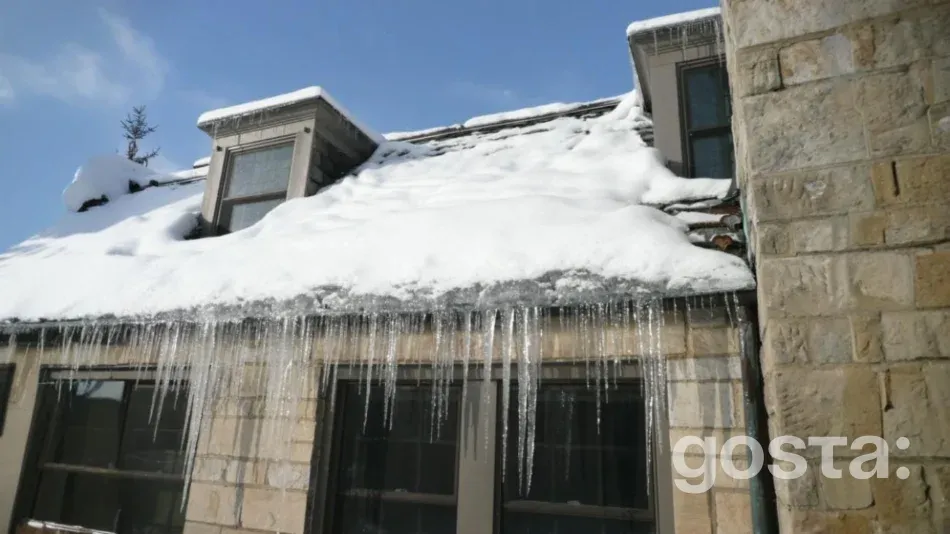
After months of snow load, ice buildup, and constant freeze–thaw cycles, roofing materials tend to loosen gradually rather than fail all at once. Shingles may still appear intact, flashing can remain in place visually, and yet the protective seal underneath may already be compromised.
Homeowners often miss early warning signs, such as:
Faint ceiling stains that only appear after heavy rain
Attic insulation that feels damp rather than soaked
Shingles that lie flat but shift slightly under pressure
Catching these subtle issues early in spring prevents minor winter damage from becoming leaks, mold, and interior repairs later in the year.
Why Clean Gutters Are a Roof’s First Line of Defense
Clean gutters allow water to flow away from your roof instead of back into it.
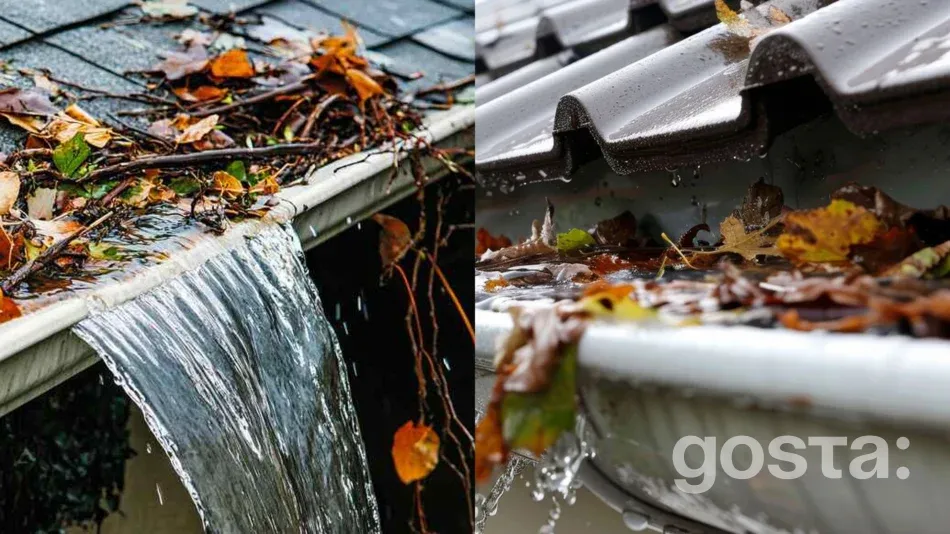
When gutters become clogged with leaves, twigs, and debris, water has nowhere to go. Instead of draining safely away from the house, it backs up under shingles and along roof edges, increasing the risk of leaks and wood rot.
This issue is prevalent after winter, when debris mixes with melting snow and ice. By clearing gutters in spring and fall, you reduce stress on roofing materials, protect siding and foundations, and extend your roof’s overall lifespan.
How to Spot Roof Weak Points Before Leaks Appear
Shingles and flashing are critical barriers against moisture intrusion.
Shingles protect your roof surface, while flashing seals vulnerable joints around chimneys, vents, and skylights. When either component fails, water can enter your home’s structure.
Look for cracked, missing, or lifted shingles, as well as rusted or separated flashing. These issues often result from wind stress and ice expansion during the winter months. While replacing a single shingle may seem minor, ignoring widespread damage can lead to hidden moisture problems.
In areas with older housing stock and harsh winters, homeowners often consult local specialists familiar with regional construction methods and materials, including professionals offering roofing in Saratoga Springs, where seasonal stress on roofs is a common concern.
Autumn Roof Checks That Prevent Ice Dams and Leaks
Fall roof maintenance is your last opportunity to remove problems before winter locks them in place.
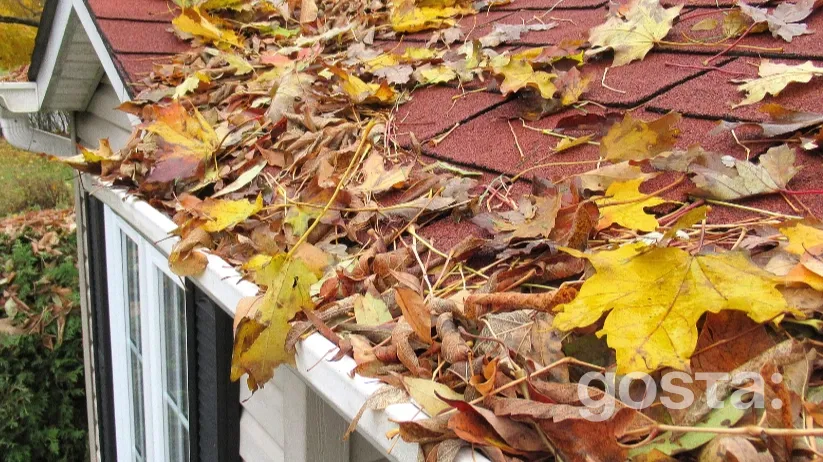
By late autumn, many roofs look fine at first glance. The real issue begins when wet leaves and debris remain trapped along roof edges and in gutters for weeks. Once temperatures drop, this moisture freezes, creating ideal conditions for ice dams and water backup.
Preparing your roof for winter typically includes:
Clearing organic debris from roof surfaces and drainage areas
Trimming branches that hang over or touch the roofline
Checking that water can flow freely away from the structure
Addressing these issues in the fall significantly reduces the risk of winter leaks and emergency repairs during freezing conditions.
What Roof Tasks Are Safe to Do on Your Own – And Which Are Not
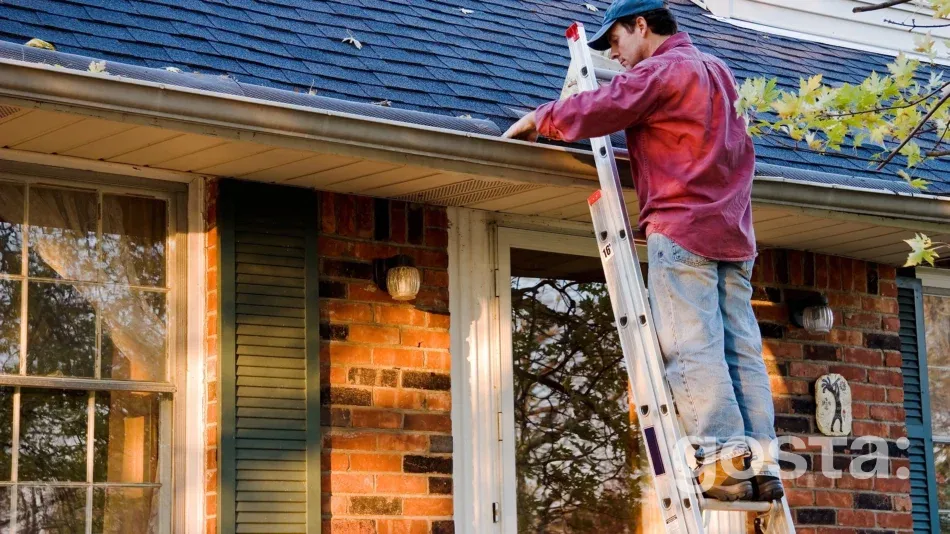
Not all roof-related tasks carry the same level of risk, and understanding where to draw the line helps homeowners avoid injuries and costly mistakes.
Some routine checks can be done safely without specialized tools, while others require experience, safety equipment, and knowledge of how roofing systems behave under stress.
Roof Tasks: DIY vs Professional Work
Task
Safe for Homeowners
Better Handled by Professionals
Visual inspection from the ground
✓
Basic gutter cleaning (single-story homes)
✓
Removing small debris from roof edges
✓
Walking on steep or multi-story roofs
✓
Replacing damaged shingles
✓
Flashing repairs around chimneys or vents
✓
Diagnosing hidden moisture or structural issues
✓
Roof Tasks: DIY vs Professional Work
Attempting advanced repairs without proper training increases the risk of falls and can unintentionally compromise the roof’s protective layers. For anything beyond basic observation and maintenance, professional involvement remains the safest approach.
What Homeowners Gain From Seasonal Roof Awareness
Consistent seasonal maintenance reduces long-term repair costs and protects home value.
Roofs that receive regular attention tend to last longer, perform better, and experience fewer emergency failures. Preventive care allows homeowners to budget for maintenance rather than face unexpected repair bills.
More importantly, seasonal awareness helps homeowners make informed decisions about when to repair, monitor, or plan for replacement. Over time, this approach supports both financial stability and peace of mind.
A Practical Takeaway for Homeowners Who Want Fewer Surprises
Seasonal roof maintenance is not about constant repairs or unnecessary inspections. It is about understanding how weather, time, and small details affect one of the most essential parts of your home. In climates with harsh winters and active storm seasons, spring and fall checks provide a clear advantage by catching issues early, when solutions are simpler and less expensive.
Homeowners who treat roof maintenance as a seasonal routine rather than a reactive response to problems tend to experience fewer disruptions, lower repair costs, and longer roof lifespans. Paying attention twice a year is often enough to prevent years of avoidable damage.
Tags:
Report an error
Found a mistake? Highlight it in the text and send it to us at info@gosta.ua
Subscribe to the monthly news digest from Gosta Media
The main news and updates from the team about gadgets, sports, cars, health, and lifestyle.
Get Your Personalized Synastry Chart (PDF)
We’ll email your full compatibility reading as a beautifully designed PDF. Just enter your email below and proceed to secure checkout.
One-time payment – just $9.99
Warning:
Access only for persons over 21 years of age
This section contains information about gambling and is available only to persons who are 21 years of age or older in accordance with the applicable laws of Ukraine. Please confirm that you are 21 years of age or older.
This platform does not have a Ukrainian license. The link is provided for informational purposes only. Participation in games on such sites may violate Ukrainian law.