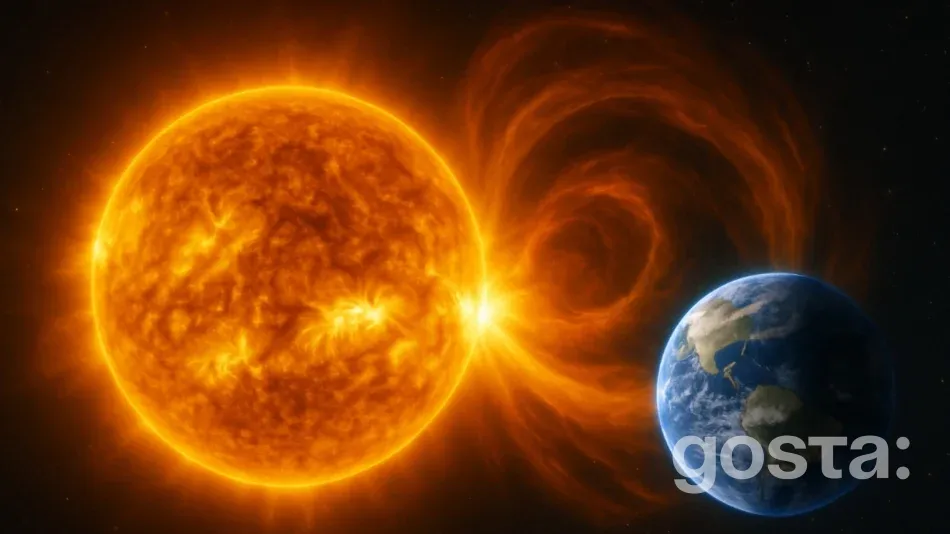
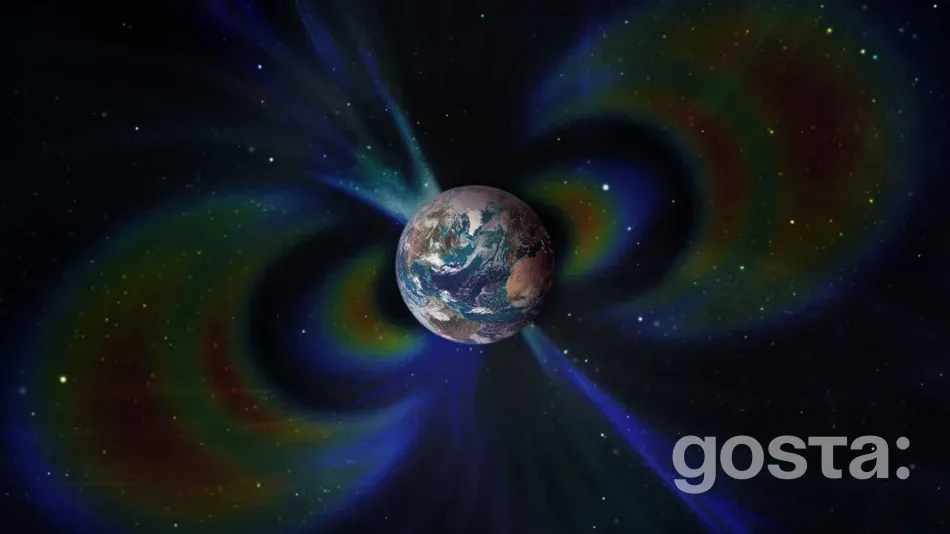
Magnetic storms are disturbances in Earth’s geomagnetic field, caused by streams of charged particles from the Sun. You can’t see them with the naked eye, but you might feel them — as headaches, irritability, or even tech issues. Today, we can track and measure their strength using special indices. While magnetic storms in August 2025 won’t happen often, it’s still helpful to know when they’re coming and what to expect.
Magnetic Storm Forecast for August 2025
Preliminary data shows that the Sun will be fairly active, so some magnetic storms are expected in August 2025. The activity level is expected to be moderate. It doesn’t pose a direct threat to people, but it can impact the atmosphere and Earth’s magnetic field.
Storms are likely around August 4–5, 16–17, and 25. On these days, the Kp index may reach 5, signaling noticeable disturbances. The rest of the month should remain calm or mildly active, with Kp values between 2 and 4.
When to expect the most activity:
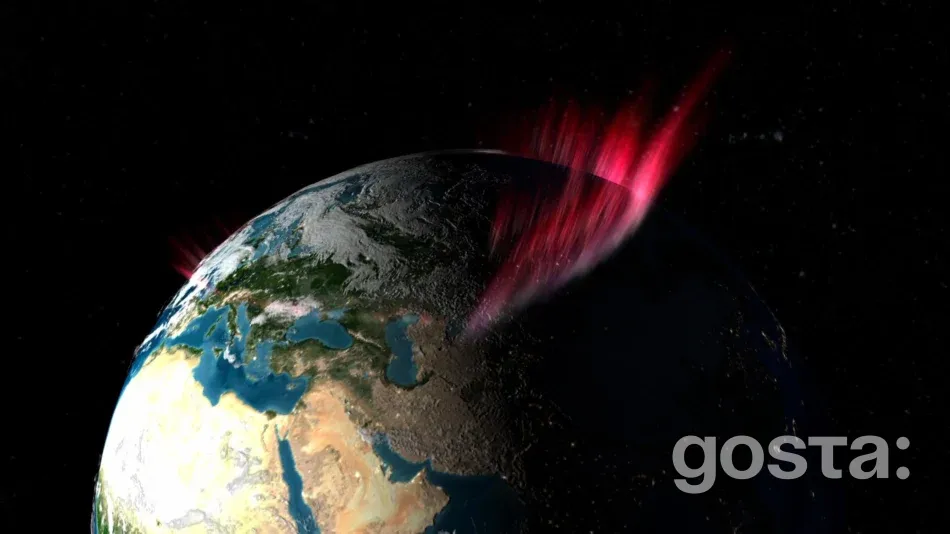
First peak – August 4–5: The Kp index is expected to hit around 5. This may cause noticeable disturbances, especially in northern latitudes. People sensitive to weather changes might feel discomfort.
Second peak – August 16–17: A similar situation is expected. The disturbance could return due to the same active solar region rotating back toward Earth, as it did in July.
Third peak – August 25: This will likely be the final active day of the month. Activity may be brief but noticeable.
How Magnetic Storms in August 2025 Might Affect You
Many people report feeling worse during geomagnetic storms — especially those with issues related to blood pressure, the heart, or the nervous system.
Most common symptoms:
Headaches or dizziness;
Sleep disturbances;
Irritability and fatigue;
Flare-ups of chronic conditions;
Blood pressure fluctuations.
Those most affected include older adults, pregnant women, and people with cardiovascular conditions.
What to Do During a Magnetic Storm
Here are a few simple tips to help you feel better during magnetic storms in August 2025:
Get enough sleep: Aim for 7–8 hours of rest each night.
Stay hydrated: Drinking plenty of water helps your body adapt.
Avoid overloading yourself: Don’t plan anything too demanding.
Go for a walk: Fresh air can help stabilize your blood pressure.
Cut back on coffee and alcohol: These can make your symptoms worse.
It also helps to know in advance when storms are expected. You can use mobile apps or check space weather websites to stay informed.
How Magnetic Storms in August 2025 Might Affect Technology
Magnetic storms don’t just affect sensitive individuals — they also influence modern technology, especially anything that relies on satellites or interacts with Earth’s magnetic field.
Most vulnerable systems:
GPS and navigation: Strong disturbances can cause location errors.
Satellite communication: You might notice glitches in internet, TV, or mobile services.
Aviation: On polar routes, flight paths are sometimes changed to avoid interference.
Spacecraft: Astronauts are notified when solar activity increases.
Power grids: In rare cases, high solar activity can trigger voltage fluctuations.
That said, storms in August 2025 aren’t expected to pose major risks. Technical teams monitor conditions in real time. For the average smartphone user, the impact will likely be minimal — perhaps a glitchy GPS or dropped signal now and then.
How to Prepare for Magnetic Storms in August 2025
The magnetic storms expected this August will be mild and don’t require serious preparations. The best approach is simply to stay informed and adjust your routine if needed. Here are some tips:
Use apps and websites like SpaceWeatherLive, Aurora Alerts, and NOAA Space Weather to track disturbances.
Stay tuned to scientific news: These outlets often issue alerts a day or two in advance.
Pay attention to how you feel: If you’re prone to headaches, check the storm calendar.
Don’t panic: Most solar activity goes unnoticed by the average person.
Plan a “calm day” if strong activity is expected. Skip big tasks, rest more, and go outside.
The Sun will be fairly active toward the end of summer, but no severe magnetic storms are expected in August 2025. Most days will be calm or moderately active. Only August 4–5, 16–17, and 25 may bring noticeable disturbances.
Key takeaways:
Pay attention to how you’re feeling;
Schedule important tasks on quiet days;
Use tech tools to stay informed;
Don’t worry — most people won’t feel anything unusual.
Magnetic storms are a natural part of life on Earth. The more we know about them, the easier they are to manage.
Frequently Asked Questions
When will magnetic storms happen in August 2025?
They’re expected around August 4–5, 16–17, and 25. These days may bring short bursts of geomagnetic activity. The rest of the month should be calm, with little to no impact on health or tech.
What should I do during a magnetic storm?
Avoid physical and mental strain. Drink clean water, get plenty of rest, and sleep 7–8 hours. Cut back on coffee and alcohol, and try not to schedule anything important.
How do magnetic storms affect people?
They can cause headaches, fatigue, or mood swings. Sensitive individuals may experience blood pressure changes or anxiety. It’s most noticeable in older adults, weather-sensitive people, and those with chronic health issues.
Earth’s magnetic field affects the nervous and cardiovascular systems. Blood flow and heart rhythm can be disrupted. Hormone levels and biological rhythms may shift, leading to tiredness or insomnia.
What kind of pain is common during magnetic storms?
Most people report headaches or pressure in the temples. Others feel pain in the heart, joints, or muscles — especially those with chronic conditions. Dizziness, ringing in the ears, and general discomfort are also common.
Tags:
Report an error
Found a mistake? Highlight it in the text and send it to us at info@gosta.ua
Subscribe to the monthly news digest from Gosta Media
The main news and updates from the team about gadgets, sports, cars, health, and lifestyle.
Get Your Personalized Synastry Chart (PDF)
We’ll email your full compatibility reading as a beautifully designed PDF. Just enter your email below and proceed to secure checkout.
One-time payment – just $9.99
Warning:
Access only for persons over 21 years of age
This section contains information about gambling and is available only to persons who are 21 years of age or older in accordance with the applicable laws of Ukraine. Please confirm that you are 21 years of age or older.
This platform does not have a Ukrainian license. The link is provided for informational purposes only. Participation in games on such sites may violate Ukrainian law.