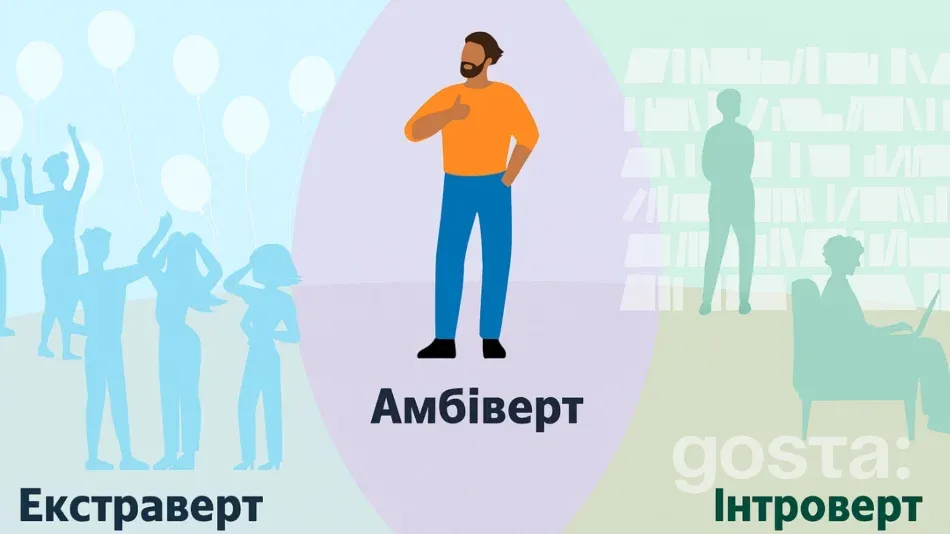
We’re used to labeling people as introverts or extroverts, but in reality, many of us fall somewhere in between. You might feel equally comfortable at a party and relaxing at home with a book. People like this are called ambiverts – those who have traits of both personality types. Often, we don’t even realize it because life constantly makes us balance. Here are ten signs that you might be an ambivert, even if you thought otherwise.
You Love Socializing but Get Tired of It Quickly
This is the first and most obvious sign. You enjoy meeting friends and having lively conversations, but after a few hours, you feel drained. You crave silence, solitude, and time for yourself.
Psychologists say ambiverts respond flexibly to social stimulation. They enjoy being around people, but reach a point where their emotional energy runs out. So if you need some time to “digest” your impressions after a big event, it’s not a sign of being withdrawn – it’s your natural balance at work.
Tip: Listen to your body. If you feel tired after social events, don’t force yourself to stay active. Rest is just as much a part of who you are as being open and outgoing.
You Can Adapt to Any Environment
Ambiverts are great at adjusting to situations. In a group, they can be lively and confident; in a quiet setting, calm and focused. For example, at work, you might take the lead and motivate others, while at home, you prefer peace and a good book.
This ability to “switch modes” helps you connect easily with different kinds of people. Adaptability is actually a huge advantage – it helps you understand others’ emotions, avoid conflicts, and find common ground quickly. Flexibility isn’t instability; it’s emotional intelligence.
Extremes Bother You
Ambiverts struggle with extremes. Very loud people can be exhausting, but total silence can also be draining. You need something in between – interesting and dynamic, but not chaotic or overwhelming.
Ambiverts are usually sensitive to their surroundings. They pick up on the energy of a place, background noise, and the pace of conversation. When stimulation is too high or too low, they feel uncomfortable.
How to handle it:
Choose environments that match your current mood.
Plan a quiet evening after a busy day.
Don’t blame yourself for wanting alone time.
Balance is what keeps you grounded.
You’re Not Always Sure Who You Are
One day you’re the life of the party, the next you cancel plans to stay home. Sometimes it feels like you’re two different people. But that’s not inconsistency – it’s just how ambiverts work.
Our personality shifts with context. When we feel supported, we open up; when things get overwhelming, we pull back. Ambiverts react to situations, not fixed behavior patterns.
So don’t chase labels. You’re simply adaptable – a valuable trait in a world that demands constant switching between people, tasks, and moods.
You Read People’s Emotions Well
Ambiverts are often emotionally perceptive. They notice:
subtle changes in tone;
gestures others miss;
the group’s overall mood;
when someone goes quiet.
That’s why ambiverts connect easily with others. You can be a “bridge” between introverts and extroverts, understanding both sides. Use this skill when working with people in teaching, management, psychology, or volunteering. Your empathy is a real tool for building understanding.
Your Energy Depends on the Situation
Ambiverts don’t have a constant energy level. Sometimes you shine on stage or lead a presentation with enthusiasm. The next day, you might not even feel like replying to messages.
That’s not laziness – it’s how your nervous system works. After intense activity, your brain needs time to recharge. Without that, emotional burnout follows.
Expert tip: Alternate social and quiet days. Plan your schedule so you have “buffer time” to rest. It helps prevent fatigue and keeps you productive.
You Feel Comfortable Both with People and Alone
This might be the nicest part of being an ambivert – you’re equally at ease in a crowd and in solitude. You enjoy conversations but also feel fine being on your own.
That balance makes you emotionally stable. You’re not dependent on others, yet you don’t avoid them either. That’s why ambiverts often appear calm even in stressful situations – they know how to adjust.
You Have a Flexible Communication Style
Your friends may notice how differently you act: sometimes outgoing and funny, other times quiet and thoughtful. That’s another ambivert trait. You know when to listen and when to speak. Your communication style is fluid, not fixed.
Don’t be embarrassed by these changes – use them to your advantage. Ambiverts who can shift tone, rhythm, and style are often great negotiators and team players.
You Can’t Give a Straight Answer – Introvert or Extrovert?
If you’ve taken personality tests and got mixed results each time, that’s a clue. Your answers change with your mood, surroundings, or life stage.
Psychologists say most people fall somewhere in the middle, so unclear test results are normal. Don’t get stuck on labels. Instead, notice when you open up and when you need to recharge.
You Feel at Home Almost Anywhere
Ambiverts easily blend into different groups, adapt to work pace, and connect with new people. You can be a leader when needed or an observer when that fits better.
This versatility often helps your career. You can understand both analytical thinkers and creative minds – even bridge the gap between them.
Who Is an Ambivert – Video
Being an ambivert means having the talent to adapt to almost any situation. It’s a great strength, but not a superpower. Ambiverts still need time to recharge and keep their balance. Learn more in this video:
Living Between Two Worlds – the Natural Talent of an Ambivert
Being an ambivert isn’t about confusion – it’s about balance. It gives you the unique ability to choose when to step forward and when to step back. Ambiverts often find harmony in relationships, work, and personal growth. So if you saw yourself in even a few of these points – congratulations. You’re one of those rare people who can enjoy both talking and listening, acting and reflecting. You have the rare gift of seeing the world from both sides – and that’s your strength.
Frequently Asked Questions
Who Is an Ambivert?
An ambivert is someone who combines traits of introverts and extroverts. They can be outgoing and sociable, but also value quiet and personal space. Ambiverts easily adjust to different situations and people.
What’s the Difference Between an Extrovert and an Introvert?
Extroverts gain energy from people, activity, and movement. Introverts recharge in solitude and focus more on their inner world. They’re two ends of the same spectrum, and most people – including ambiverts – are somewhere in between.
What Kind of Jobs Suit Ambiverts?
Ambiverts thrive in roles that balance teamwork and independent work – like managers, journalists, psychologists, designers, or marketers. The key is having a mix of activity and quiet time.
Information
Welcome to Communication Insights on Gosta Media
Communication is a dynamic and multidimensional aspect of our lives, the backbone of effective interaction. It is more than just words; it pertains to the diverse ways we interact, connect, and influence each other. Here, we delve into fascinating explorations and discussions about various aspects of communication. The Gosta Media…
Subscribe to the monthly news digest from Gosta Media
The main news and updates from the team about gadgets, sports, cars, health, and lifestyle.
Get Your Personalized Synastry Chart (PDF)
We’ll email your full compatibility reading as a beautifully designed PDF. Just enter your email below and proceed to secure checkout.
One-time payment – just $9.99
Warning:
Access only for persons over 21 years of age
This section contains information about gambling and is available only to persons who are 21 years of age or older in accordance with the applicable laws of Ukraine. Please confirm that you are 21 years of age or older.
This platform does not have a Ukrainian license. The link is provided for informational purposes only. Participation in games on such sites may violate Ukrainian law.