Are You an Empath? Take the Test and Find Out How Deeply You Feel Other People’s Emotions
 160
160
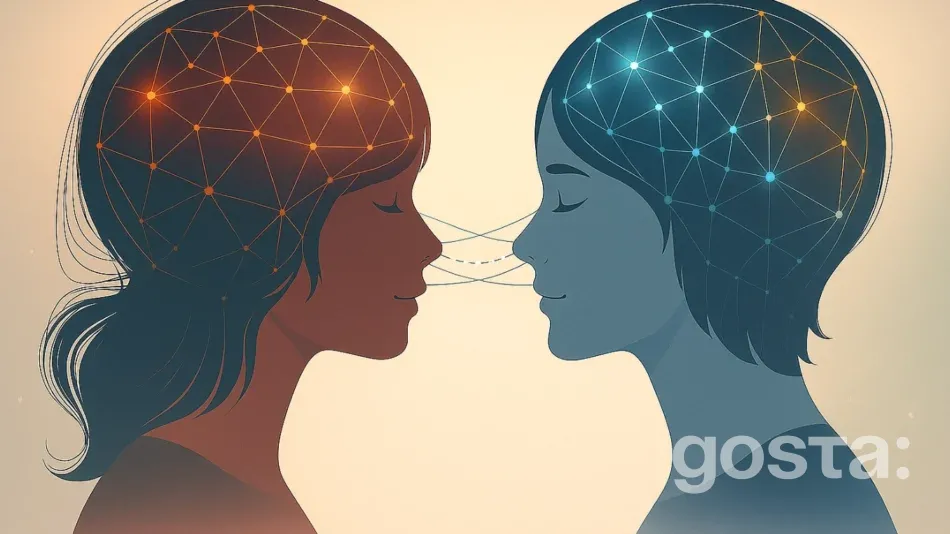
Empathy is the ability to feel what others feel. An empath can sense sadness, anxiety, or joy even before someone says a word. In today’s world, empathy matters – it helps you understand partners, coworkers, and friends better. But there’s another side to it – this sensitivity can be draining. When you constantly “read” other people’s emotions, your brain never really rests. You might feel tired after socializing. That’s why it’s important to know how empathic you are and how to protect your emotional space.
What Empathy Is and How It Differs from Sympathy
The word empathy is relatively new, so it can sound confusing. Many think it’s the same as sympathy, that being an empath just means being compassionate. In fact, there’s a big difference:
- Sympathy is when you see someone struggling and want to help. You understand their pain but don’t physically feel it. You might say, “I’m sorry that happened,” and stay emotionally calm.
- Empathy is when someone else’s pain runs through you. You literally feel their emotions as if they were your own.
Imagine this: a friend tells you about a fight with their partner. A sympathetic person listens, offers support, and says, “Don’t worry, it’ll work out.” An empath, however, feels the tension, the sadness, the anxiety – and keeps carrying that weight long after the talk ends.
Empathy is a beautiful way to sense the world, but without boundaries, it can become a burden. Empaths often take on other people’s problems without realizing it.
It’s important to notice this and take care of yourself. Here’s how to find out if you’re truly an empath and how to turn that trait into your strength.
How to Know if You’re an Empath – Quick Test
Empaths experience the world more deeply. They sense not only words but also energy, moods, and the silence between them. You might be an empath if you often feel drained after being around people. Social interaction takes emotional energy, which can tire empaths out. If someone nearby is nervous and you start feeling anxious too – that’s another sign.
To find out how empathic you are, take this short test. Answer “yes” or “no” to each question. Don’t overthink – your first instinct is the right one.
- You can tell when someone’s in a bad mood without them saying anything.
- Crowds make it hard for you to breathe or focus.
- You feel exhausted after talking to emotional people.
- You avoid violent movies or news.
- You need alone time after parties to “reset.”
- You can sense when someone’s lying or uncomfortable.
- You often become the “therapist” in your friend group.
- You feel physical pain when you see someone suffering.
- You easily pick up other people’s moods.
- You find it hard to say “no” even when you’re tired.
- You feel anxious for no clear reason.
- You understand animals’ emotions better than some people’s.
- You replay unpleasant conversations in your head for a long time.
- You avoid loud or confrontational people.
- You quickly notice when someone isn’t telling the truth.
Score your “yes” answers:
- 0–5: You’re a rational observer. You care but keep your distance.
- 6–10: You have moderate empathy. You understand others but stay in control.
- 11–15: You’re a deep empath. You feel everything intensely and need time to recharge.

How to Stay Balanced if You’re an Empath
Empathy is a strength – but only when you manage it well. If you dive too deeply into other people’s emotions, you can lose your balance. It’s important not only to feel but also to protect yourself.
Here are some simple ways to stay grounded:
- Set boundaries. If something feels too heavy, it’s okay to say, “I can’t talk about this right now.” That’s self-care, not selfishness.
- Spend time alone. Even a short walk or quiet time without your phone clears your mind.
- Do what calms you down. Art, music, gardening, sports, or reading help restore inner peace.
- Don’t absorb others’ emotions. When someone shares a problem, remind yourself, “That’s their feeling, not mine.”
- Practice mindfulness. A few deep breaths or a short meditation can help you stay in the moment.
- Protect your space. A tidy environment with less noise and clutter helps empaths recharge.
- Choose your circle wisely. Be around people who give energy, not just take it.
Empathy can be your superpower in work, relationships, and creativity. It makes you a good listener and a trustworthy friend. The key is not to lose yourself in others’ emotions.
Why Empaths Get Tired – Video
If you’ve realized you’re an empath, it’s time to understand what that means. Watch this video to learn about different types of empathy, why empaths get exhausted, and how to handle it:
How to Turn Empathy Into Your Advantage
Empathy can weigh you down – or lift you up, if you know how to use it. It helps you see deeper and understand others beyond words. Empaths can sense real motives and spot details others miss. That’s what makes them unique.
To make empathy work for you, don’t lose yourself in other people’s feelings. Learn to listen to yourself as carefully as you listen to others. When you stay centered, your sensitivity becomes a source of strength, not fatigue.


If you’re an empath, don’t try to “turn it off.” Learn to manage it instead. Use it as a compass – it can guide you toward healthy relationships, wise choices, and genuine connection. When you master it, empathy becomes your superpower: the ability to see with your heart and stay true to yourself.
FAQs
An empath is someone who deeply feels other people’s emotions. They can sense mood, pain, or joy even without words.
If you feel tired after socializing, notice others’ moods, and find conflict overwhelming – you’re likely an empath. Empaths react strongly to music, movies, and others’ pain. They need quiet time to recharge.
A dark empath feels others’ emotions too, but uses that awareness to manipulate. They can sense people’s weaknesses and exploit them. It’s a mix of emotional sensitivity and psychological control.