How Meditation Affects a Person and How to Meditate Correctly: A Detailed Guide
 510
510
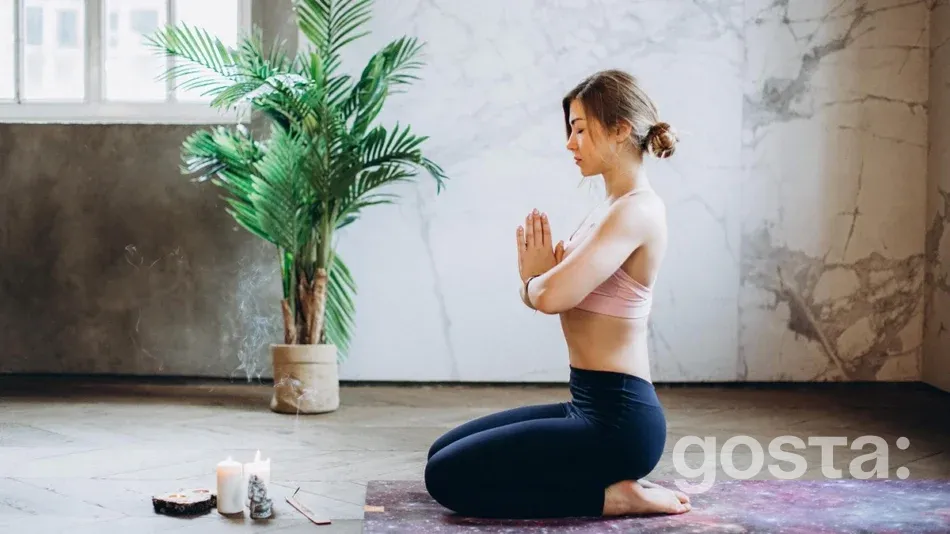
Meditation is a universal tool for achieving harmony. Properly performed practice helps reduce stress and anxiety, develop imagination, and learn more about yourself. Read about the benefits and proper execution of meditation in our article.
How Is Meditation Beneficial?
This practice has been used for thousands of years. Archaeologists found cave paintings from the 5th century BC depicting people in a meditative state. The first written mentions date back to the 3rd century BC. It was especially popular among Buddhists.
Meditation allows you to calm down, clear your thoughts, and focus on something important. It trains attention and helps achieve a peaceful state.
Regular meditation brings many positive changes to the body and psyche:
- Reduced stress and anxiety. Meditation helps calm the mind, lower cortisol levels (the stress hormone), and activate the parasympathetic nervous system, which is responsible for relaxation.
- Improved concentration and memory. Regular meditative practices enhance mindfulness, which positively affects the brain’s cognitive functions.
- Increased emotional intelligence. Meditation helps better understand and manage your emotions.
- Strengthened immune system. Research shows that meditation can positively influence the immune system, increasing the body’s resistance to illness.
- Improved sleep quality. Meditation helps relax before sleep and ensures a deeper, more restful sleep.
- Increased creativity. Meditation stimulates creative thinking and helps find unconventional solutions.
Meditation is an excellent practice for calming the nerves, especially during times of war.
Meditation: How to Perform the Practices Correctly?
Meditation is a method of controlling consciousness with over 40 different practices. Therefore, it’s impossible to say how to meditate correctly definitively.
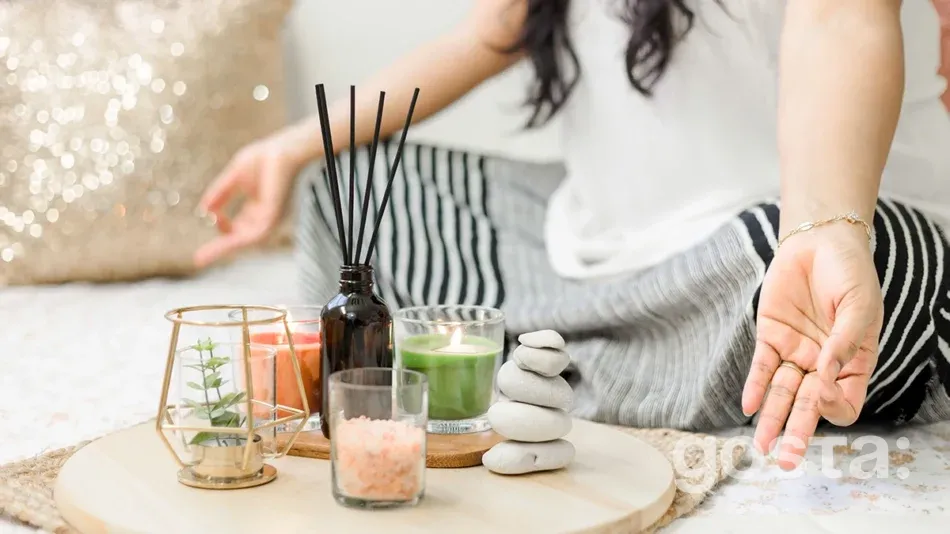
However, there are a few general recommendations:
- Choose a quiet place. Find a quiet spot where you won’t be disturbed.
- Comfortable posture. Sit up straight but relaxed. Your back should be straight, and your shoulders down.
- Focus attention. Focus on one object: your breath, a mantra, an image, or a sound.
- Return to focus. If your mind wanders, gently bring it back to the object of concentration.
- Regularity. The best results are achieved through regular practice. Start with short sessions (5-10 minutes) and gradually increase their duration.
You can meditate in a way that suits you. The most important thing is to keep your spine straight and your chest free. Nothing should obstruct your breathing. You can sit in a chair or in a lotus position – whatever is comfortable. It’s better to close your eyes to minimize distractions. Then, just breathe deeply, gradually relaxing your muscles. Try to let go of your thoughts, although this may seem challenging at first.
How to Start Meditating: Tips for Beginners
Meditation takes time, but the results are worth it. It’s best to start with 3-5 minutes, but during this time, you need to be as focused and concentrated on the process as possible. You can play relaxing music. Of course, it’s better to consult a coach, but you can start on your own. Here’s a useful and easy-to-understand video for your first meditation:
Other Ways to Meditate
Meditation is not just about sitting with crossed legs and closed eyes. There are many techniques that can help you achieve deeper relaxation and awareness.
- Movement meditation. Walks in nature, yoga, and tai chi can be great ways to combine physical activity with meditation.
- Sound meditation. Focus on the sounds of the world around you. This can be the sound of rain, birdsong, or even the sound of your own breath.
- Body meditation. Scan your body from head to toe, paying attention to any sensations – tension, relaxation, warmth.
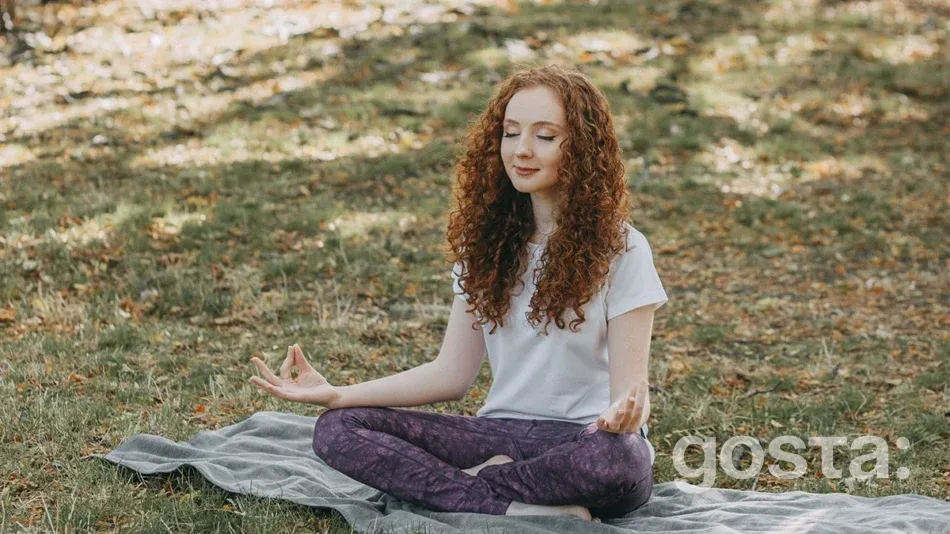
To make meditation even more effective, add the following:
- Mantras. Repeating words or phrases can help focus and calm the mind.
- Visualization. Create a calm and pleasant place in your mind. It could be a beach, a forest, or any other place that brings you positive emotions.
Choose the technique you like and start practicing regularly. Remember, the most important thing is to enjoy the process.



Conclusion
Meditation is an accessible and effective tool for improving physical and mental health. Regular meditation practice will help you reduce stress, boost self-esteem, and find inner harmony. Don’t be afraid to experiment with different types of meditation to find the one that suits you best.
Frequently Asked Questions About Meditation
Is Meditation a Religious Practice?
It is believed that meditation was originally a religious practice. However, now it is a tool for self-control and self-acceptance.
How Long Should Meditation Last?
Initially, 5 minutes of quality meditation will be enough, but as you get used to it, you can extend the time to 20-30 minutes a day.
When Will the Results from Meditation Appear?
You can feel the results right after the first session. You will feel relaxed and calm. However, to reduce stress and anxiety, you need to practice every day for at least two weeks. Don’t worry if you don’t succeed or see results at first. This is normal, the results will come.