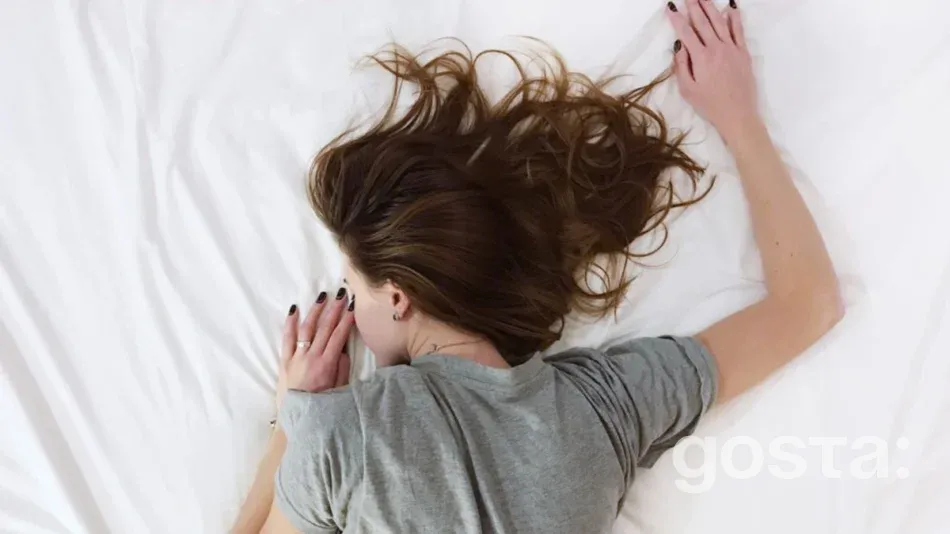
Insomnia is a common problem for modern people. The fast-paced lifestyle, constant stress, and processing of vast amounts of information affect sleep disorders in 45% of the global population. Persistent fatigue, binge-watching series late into the night, stress, and certain health conditions disrupt sleep patterns, making them hard to fix. Let’s figure it out: what is insomnia, and which techniques can help you fall asleep?
What Is Insomnia and Why Does It Occur?
Insomnia is a sleep disorder that occurs at least four times a week. Normal falling asleep takes 15-20 minutes; anything longer is considered insomnia. Symptoms also include waking up too early or waking up frequently at night.
Common causes of insomnia include:
Stress and nervous tension prevent relaxation at night.
Certain illnesses such as diabetes or heart disease.
External factors like an uncomfortable position or noise.
Irregular sleep schedule, going to bed, and waking up at inconsistent times.
Alcohol, tobacco, and caffeine, are stimulants of the nervous system.
Mental disorders.
If your insomnia isn’t caused by chronic illnesses or mental health conditions, it can be overcome without medication.
How to Overcome Insomnia: 7 Ways to Relax and Fall Asleep
Many people turn to medication right away, ignoring the fact that many effective relaxation techniques can improve sleep quality naturally. Sleeping pills are prescribed only in rare cases and under medical supervision. Some people take melatonin supplements, but even this requires consulting a doctor.
We offer 7 safe and effective techniques to help you relax and sleep well.
Breathing Technique for Relaxation
Proper breathing helps reduce stress, lower your heart rate, and prepare your body for sleep. Try the 4-7-8 technique:
Inhale through your nose for 4 seconds.
Hold your breath for 7 seconds.
Slowly exhale through your mouth for 8 seconds.
This method slows your breathing and decreases cortisol (the stress hormone), making it easier to fall asleep. It also helps calm you during stressful situations.
Counting Exhalations
This simple yet effective method quickly soothes the mind. Close your eyes and take a few deep breaths as if you were breathing in your sleep. Then breathe naturally – neither speeding up nor slowing down. Count your exhalations up to 5, then start over. If you lose count, begin again.
This technique is also a natural way to calm yourself quickly.
Progressive Muscle Relaxation
This method involves systematically tensing and relaxing your muscles, starting from your toes and moving to your head. Follow these steps:
While lying in bed, tense each muscle group for 5 seconds.
Release the tension and feel that part of your body relax.
Move from your feet to your head.
This practice effectively relieves the day’s accumulated tension and helps you fall asleep faster.
Visualization
Visualization involves imagining pleasant and calming scenes. For example:
Picture a place where you feel safe and relaxed, such as a beach, forest, or mountain view.
Add details: the sound of waves, a gentle breeze, the feel of sand or grass beneath your feet.
This method distracts the mind from anxious thoughts and facilitates a smooth transition to sleep.
Meditation for Focus
Meditation helps release worries and focus on the “here and now.” Try the following:
Lie on your back or sit comfortably.
Close your eyes and focus on your breathing.
If thoughts arise, simply return your attention to the sensations of your breath.
Meditation reduces anxiety and promotes relaxation, making it easier to fall asleep.
Daily Routine
Incorporate a nightly routine to help you fall asleep faster. It’s essential to do these activities at the same time every day:
Studies show that bathing an hour before bed improves sleep. After a hot bath or shower, the body cools down, signaling the brain that it’s time to sleep. Experts also advise avoiding gadgets and TV before bed.
Using simple relaxation techniques can significantly improve sleep quality and help you fall asleep without medication. Effective techniques such as breathing exercises, visualization, and daily rituals can help you relax and get rid of insomnia. If insomnia becomes chronic, you should consult a specialist, as it can be a symptom of other diseases.
Frequently Asked Questions About Insomnia
Which Relaxation Technique is the Most Effective for Falling Asleep Quickly?
It depends on personal preferences, but many people find the 4-7-8 breathing technique the most effective. It lowers the heart rate and prepares the body for relaxation, promoting sleep.
Why Is It Important to Avoid Gadgets Before Bed?
Gadgets emit blue light, which suppresses melatonin production—the hormone that regulates sleep. Using phones, computers, or TVs before bed disrupts your biological cycle, keeping your brain alert and preventing sleep.
How Quickly Do the Techniques Work?
These techniques typically show results from the first day if done correctly. If one doesn’t work, try another to find what suits you best.
Tags:
Report an error
Found a mistake? Highlight it in the text and send it to us at info@gosta.ua
Subscribe to the monthly news digest from Gosta Media
The main news and updates from the team about gadgets, sports, cars, health, and lifestyle.
Get Your Personalized Synastry Chart (PDF)
We’ll email your full compatibility reading as a beautifully designed PDF. Just enter your email below and proceed to secure checkout.
One-time payment – just $9.99
Warning:
Access only for persons over 21 years of age
This section contains information about gambling and is available only to persons who are 21 years of age or older in accordance with the applicable laws of Ukraine. Please confirm that you are 21 years of age or older.
This platform does not have a Ukrainian license. The link is provided for informational purposes only. Participation in games on such sites may violate Ukrainian law.