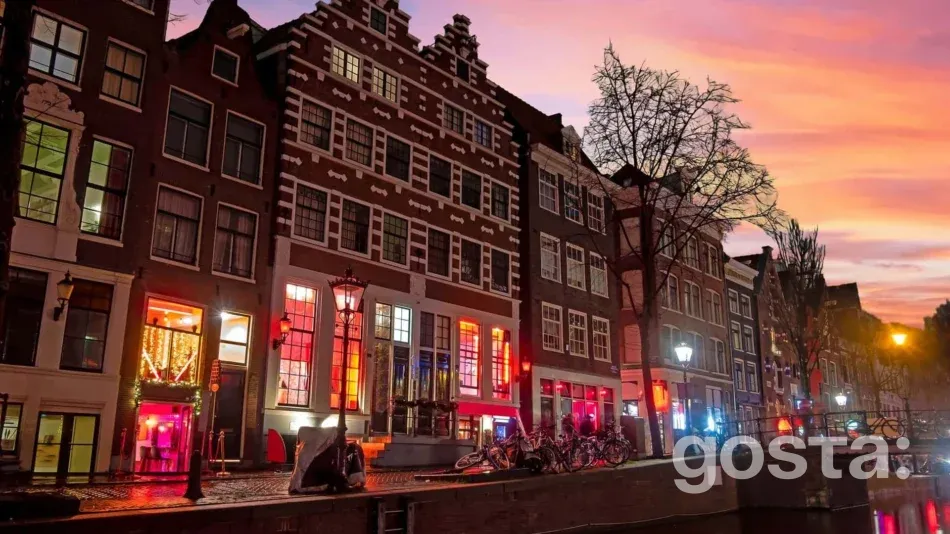
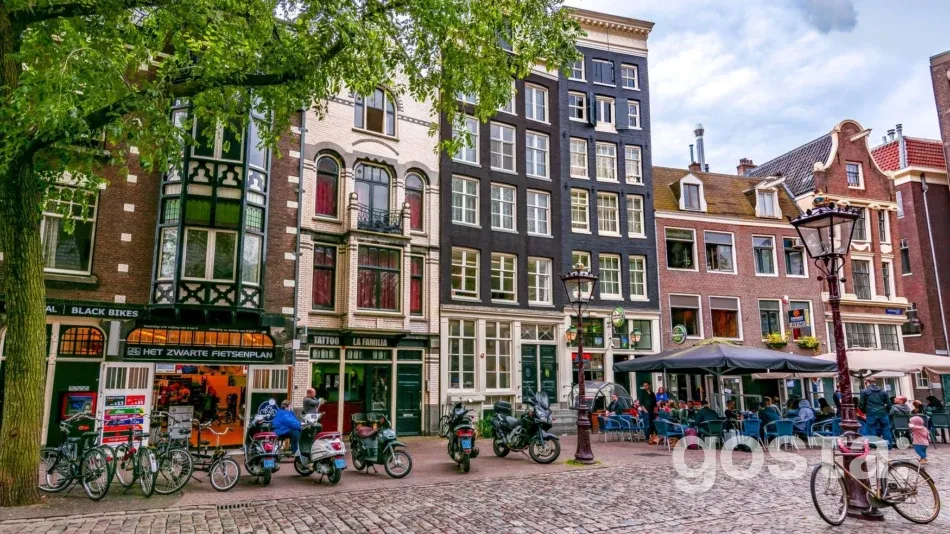
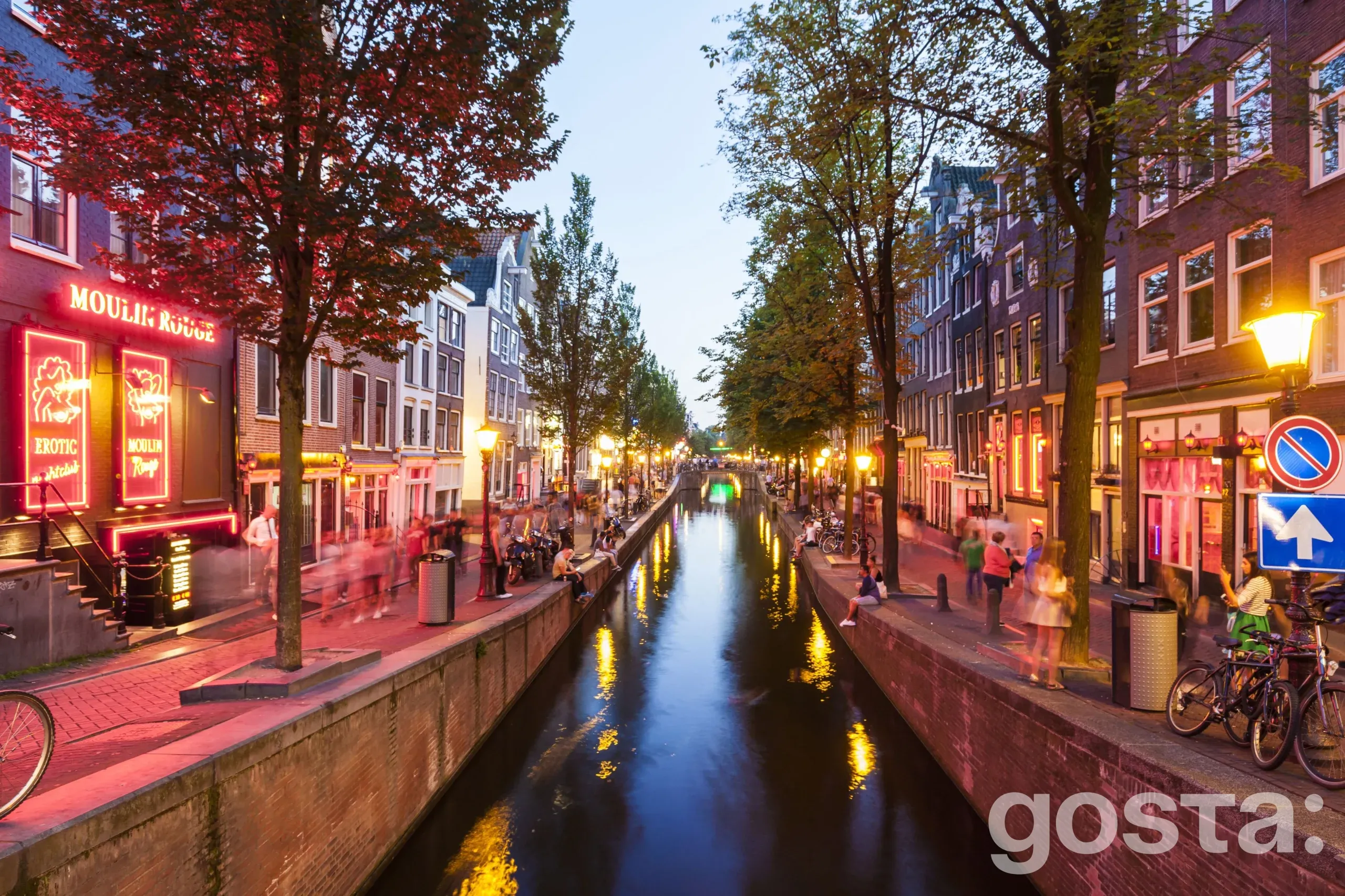
People often picture Amsterdam as a city of coffeeshops and the Red Light District, but in reality that is only a small slice of everyday life here. In a compact area you get canals, world-class museums, diamond factories, markets, parks, libraries with panoramic views, and dozens of free spots that do not need a separate budget. If you choose the right season, type of transport, and mix of places, Amsterdam stops being an “expensive destination” and turns into a city where you can afford more than it seems at the planning stage.
Amsterdam You Come to Feel, Not Just See
Amsterdam, the capital of the Netherlands, is known as one of the most vibrant cities in Europe, and you can feel it from the moment you arrive. Young people from all over the world come here – some for new impressions, others for legalized forms of leisure. There is a strong sense of freedom in the air, but it is not limited to coffeeshops. Amsterdam is about canals, museums, organ music, markets, parks, and open-air galleries.
At first glance Amsterdam looks like a set of postcard scenes: neat narrow houses that look like gingerbread, canals with barges, tulips, and the shadow of Anne Frank. But behind this “shop window” there is an Amsterdam where you can spend a whole week and discover something new every day. Modern art spaces sit side by side with old churches, an extensive cycling network goes together with flea markets, and concert halls coexist with street musicians in the park.
If you decide to go to Amsterdam, do not try to “see everything at once”. It is better to plan your own route in advance – from canals and cheese to free museums and a diamond factory. You can explore this city with different budgets and at different speeds if you organize your trip properly.
How to Get from Schiphol Airport to Amsterdam
Amsterdam has only one main airport – Schiphol, located about 15 km from the city. Technically you can take a taxi or a bus, but in terms of budget and convenience the train is the best choice. The Amsterdam Airport train station is right inside the terminal building, and trains to the center leave roughly every 15 minutes.
The main goal for most visitors is to get to Amsterdam Centraal station. This is the central railway station and the easiest starting point for trams, metro, buses, or walking around the city. The train ride takes about 15–20 minutes and a ticket costs around €4.10. It is important not to skip the ticket – you may not see many inspectors, but the fine is about €40 and will immediately “eat up” part of your Amsterdam travel budget.
How to Get from Schiphol Airport to Amsterdam
Option
Where You Arrive
Approx. Travel Time
Comment
Train
Amsterdam Centraal
15–20 min
The simplest and most reliable option
Bus
Different parts of the city
30–45 min
Depends on traffic
Taxi
Directly to your address
20–40 min
Convenient but not budget-friendly
A sensible way to start your trip to Amsterdam is to buy a train ticket right at the airport or online and get used from day one to not taking risks by travelling without a ticket. That way you avoid fines and unnecessary stress.
When to Go to Amsterdam – Seasons, Prices, and Weekends
Before you buy tickets, it is worth thinking not only about the weather but also about how crowded the city will be. Weekends are not the best time for a budget trip – on Saturdays and Sundays Amsterdam fills up with visitors from across the Netherlands, Belgium, and Germany, so prices for accommodation and entertainment go up noticeably. On weekdays the city is less overloaded with tourists, and it is much easier to find a hotel or apartment at a reasonable price.
There are also seasonal “windows” when a trip to Amsterdam can be cheaper. In the periods from November to mid-December and from mid-January to March, accommodation prices often drop by 30–50%. The downside is that in winter there are fewer outdoor events, the days are short, and it rains more, so you will feel the café terrace and park atmosphere less.
If this is your first time in Amsterdam, a balanced option is to pick weekdays in the shoulder season, when there is already or still plenty going on in the city but prices are not as high as during the summer peak. This way you can save on accommodation and leave more budget for museums, cafés, markets, and tours.
Amsterdam City Card – When It Really Pays Off
One of the most convenient tools for travelers is the Amsterdam tourist card. It combines access to public transport and a number of city attractions in one product. The card works like a “magic key”: it gives you unlimited rides on Amsterdam public transport, free entry to many sights, one canal cruise, and a discount on parking.
The price of the card depends on how many days you choose – roughly €49, €59, and €69 for one, two, or three days. Along with the card you get a paper or digital map of Amsterdam with museums, attractions, routes, and up-to-date stops marked.
The Amsterdam card is especially worth it if:
you plan to use trams, buses, and the metro actively;
you want to visit several paid museums in Amsterdam on one trip;
you are planning a canal cruise that is already included in the package;
you like to plan your budget clearly instead of thinking about individual tickets each time.
If your trip to Amsterdam is more about parks, markets, free galleries, and viewpoints, the tourist card may not pay for itself. In that case, a reloadable transport card and buying tickets only for the museums you really care about should be enough.
Cycling in Amsterdam – How Not to Get Lost in the Bike Lanes
Amsterdam is one of the most bike-friendly cities in the world. Bikes practically “run” the traffic here – cars and pedestrians have to respect their priority. That means renting a bike is not just a tourist activity but a real way to feel the city’s rhythm.
Daily bike rental in Amsterdam is usually affordable. There are also stations with white bikes where the first hour of rental can be free. But if it is your first time in the city, a guided bike tour is often the more comfortable option.
Why a bike tour around Amsterdam is worth a look:
the routes are planned by locals or experienced guides;
you see the “real” Amsterdam, not just tourist streets;
the guide explains how the cycling network works and what you should watch out for.
At the same time you need to remember the rules: do not park your bike where it is forbidden, follow the traffic lights, and do not suddenly step out onto the bike lane on foot. In a city where the bike is the main means of transport, paying attention on the road is about safety, not just politeness.
Amsterdam for Free – 15 Places You Do Not Pay a Cent For
Amsterdam has a reputation for being expensive, but there are plenty of things you can do here for free. Alongside paid museums, canal tours, and famous attractions, there are dozens of locations with free entry and experiences that are just as memorable.
15 free places in Amsterdam worth adding to your route:
Radar, Galerie Fons Welters, and KochxBos galleries. Contemporary art in many forms – from painting and sculpture to performance and street art. Radar often shows projects linked to architecture, Fons Welters represents several dozen artists working in different media, and KochxBos focuses on bright, sometimes provocative art.
The Eye Film museum. A film museum where you can dive into the history of cinema, watch clips from films, and see posters for Dutch and international movies. Part of the space is free to enter, which makes it an interesting stop even without a separate ticket.
ARCAM and Bimhuis (daytime events). A mix of modern architecture and music. Every Tuesday from 12:30 to 13:00 you can catch short free performances featuring opera and philharmonic artists. From September to June the Bimhuis jazz club hosts free concerts that give you a taste of Amsterdam’s music scene.
The Concertgebouw. Every Wednesday at lunchtime (from September to June) you can listen for free to rehearsals of renowned musicians. It is a chance to see the behind-the-scenes side of music that you usually hear only at paid evening concerts.
Vondelpark. One of Amsterdam’s best-known parks, perfect for a picnic, a simple walk, or catching open-air dancing and yoga classes. In warm weather the park turns into the city’s “living room” for locals and visitors.
Amsterdam Central Library (OBA). This is not just for readers – it has a large international collection, and from the top floor you get a panoramic view of the city center. It is one of the best free viewpoints in Amsterdam.
Stadsarchief city archives. A space for anyone interested in the stories of the past. The archive holds thousands of documents, police reports, old photographs, and materials about famous people – a format that mixes the city, history, and a detective-like atmosphere.
The Multatuli Museum. A small apartment-museum dedicated to writer Eduard Douwes Dekker (pen name Multatuli). You can see his personal belongings, Indonesian souvenirs from his travels, and a different side of literary Amsterdam.
The Civic Guards Gallery. A “nearly open-air” museum in a passage between buildings, covered only by a thin glass roof. The walls are lined with group portraits of civic guards officers, ceremonial portraits of Dutch nobles, and works by 17th-century masters, including some paintings by Rembrandt.
Albert Cuyp Market. The largest street market in Amsterdam, where you see “real” city life. Moroccan, Syrian, Asian, and Dutch vendors sell cheese, fabrics, bike locks, socks, street food, and herring sandwiches. Entry is, of course, free – you only pay for what you buy.
Gassan diamond factory tour. Amsterdam has been known as the “city of diamonds” for over 425 years. Gassan offers free tours every day from 9:00 to 17:00 in several dozen languages. You will hear about cutting, carats, colors, and the history of diamonds in the city.
Pythonbrug bridge (“Python”). One of Amsterdam’s most striking bridges and a regular in global lists of unusual bridges. The futuristic structure sits at the junction of the Panamakhade quay and Tegelbergplein and is great for a photo walk.
Free Walking Tours Amsterdam. Two-hour walking tours in English. Officially they are “free”, but it is customary to tip the guide at the end. The route usually includes the Royal Palace, the Red Light District, the history of soft drug legalization, and other key spots.
Strawberry Tours. A series of walking tours with different themes: the city center, the Red Light District, lesser-known areas, and music routes. The model is similar – there is no fixed ticket price, but a tip at the end is expected.
Central Library viewpoint and canal banks. Even simple walks along the canals and time in the library’s café with a view of the city can become separate “free attractions” if you pace your day right.
If you combine paid museums with these free locations, Amsterdam stops being an “overly expensive destination” and turns into a city you can explore even on a moderate budget.
Amsterdam’s Markets, Souvenirs, and the “City of Diamonds”
Amsterdam gives you plenty of options to bring home more than just fridge magnets. If you want to feel the local character, make time for markets and flea stalls.
Besides Albert Cuyp Market, where you can buy everything from cheese to herring in a bun, it is worth visiting Waterlooplein. This is one of Amsterdam’s most famous flea markets, where you can find old books, vinyl, clothes, antiques, and things with a story behind them. Haggling is normal here. If you do not look like “a president wearing all their jewelry at once” and calmly explain that your budget is limited, you have a good chance of getting something for half the original price.
Another important theme is diamonds. Amsterdam has the status of a “diamond capital”, and the free tour at the Gassan factory is a good way to see the technology from the inside and understand what you are paying for in jewelry stores. You do not have to buy anything – many visitors are happy just to learn about the process and history.
The best value for souvenirs is usually at markets and flea stalls rather than tourist shops in central Amsterdam. This way you pay less and get a more “alive” story behind each item.
Amsterdam for Adults – Coffeeshops, Smartshops, and the Red Light District
A separate layer of the city’s image is tied to its reputation as a place for “adult entertainment”. In central Amsterdam you will find coffeeshops, smartshops, growshops, and of course the Red Light District, which people have heard about even if they have never been to the Netherlands.
Key points to keep in mind:
You are only allowed to consume products with psychoactive components in licensed venues. Using them on the street or in random places can lead to trouble with the police.
The Red Light District in Amsterdam is not a “no-rules attraction” but a working area with its own regulations. Taking photos of window workers is forbidden, and you should behave respectfully and avoid aggressive situations.
Smartshops sell products that are legal in the country, but that does not cancel out individual reactions and personal responsibility for your choices.
If you are going to Amsterdam for “new experiences”, safety and staying within the law need to come before the desire to try everything in one weekend. That way the trip remains a positive memory, not a problem.
Amsterdam You Want to Come Back To – Final Thoughts
Amsterdam is not only about coffeeshops, red lights, and high prices. It is a city where history, art, music, parks, markets, and canals come together into a complete experience if you step away from stereotypes and give yourself time to look around. You can fly here for “party weekends”, or you can come for museum collections, architecture, organ concerts, bike rides, and quiet mornings in the park.
The key to a comfortable trip to Amsterdam is preparation – deciding when to go, how to get from the airport, whether you need a city card, which free places actually interest you, how much cash to bring, and how you feel about bikes. If you look at Amsterdam as more than just a “leisure city”, it reveals itself as a lively, diverse capital you will want to return to more than once.
Frequently Asked Questions About Amsterdam
Is It Really Possible to See Amsterdam on a Small Budget?
Yes, as long as you plan your trip. Free museums, parks, markets, free walking tours, and the library with a panoramic view let you see a lot without big expenses. The main cost items are accommodation, transport, some paid museums, and food, so it makes sense to choose weekdays and shoulder season to keep your spending down.
What Is the Most Convenient Transport in Amsterdam for a Visitor?
To move between districts, trains, trams, and buses are very handy, especially if you have a city card or a transport pass. In the center, most distances are easy to walk or cycle. A bike tour can help you safely get used to the cycling network and understand how locals use the roads.
Do I Really Need a Tourist Card for a Trip to Amsterdam?
It depends on how you want to spend your time. If you plan to use public transport every day, take a canal cruise, and visit several paid museums, a tourist card can be very cost-effective. If your plan is more about parks, markets, free galleries, and a few carefully chosen attractions, regular tickets will probably be enough.
How Much Cash Do I Need in Amsterdam?
Card payments are widely accepted, but foreign bank cards do not work everywhere. At markets, small cafés, and flea stalls, cash is often more convenient. It is a good idea to carry some small bills and not rely on a single card.
Is It Safe to Visit Coffeeshops and the Red Light District?
If you follow the rules, yes. Consuming products with psychoactive components is allowed only in licensed venues, not on the street. In the Red Light District it is important to respect the people working there, not photograph them without permission, and avoid provoking conflicts. If you treat these places as normal parts of the city with their own rules, your visit should be calm and uneventful.
Information
Discover exciting travel content on Gosta Media
When it comes to travel, it involves far more than just moving from one point to another. Traveling is all about exploring new places, immersing yourself in different cultures, tasting various cuisines, meeting new people, and making unforgettable memories. Here at Gosta Media, we channel the spirit of wanderlust through…
Subscribe to the monthly news digest from Gosta Media
The main news and updates from the team about gadgets, sports, cars, health, and lifestyle.
Get Your Personalized Synastry Chart (PDF)
We’ll email your full compatibility reading as a beautifully designed PDF. Just enter your email below and proceed to secure checkout.
One-time payment – just $9.99
Warning:
Access only for persons over 21 years of age
This section contains information about gambling and is available only to persons who are 21 years of age or older in accordance with the applicable laws of Ukraine. Please confirm that you are 21 years of age or older.
This platform does not have a Ukrainian license. The link is provided for informational purposes only. Participation in games on such sites may violate Ukrainian law.