The capital of China is the heart of Chinese civilization, where imperial palaces meet towering skyscrapers, and narrow ancient alleys merge into multi-lane highways. Visiting the capital means stepping into ancient history, feeling the pulse of a modern metropolis, and diving into a cultural mosaic that amazes every traveler.
What Is the Capital of China?
The capital of China is Beijing (which means “Northern Capital”). It is the second-largest city by population after Shanghai, but it’s number one in political, cultural, and historical significance. Beijing is home to government institutions, the president’s residence, major state-owned corporations, and top universities.
Beijing’s History as China’s Capital
Beijing’s history is filled with rises and falls, dynasties and conquests, imperial grandeur, and power struggles. The city has gained capital status multiple times, with each era leaving a deep mark on its architecture, culture, and significance.
Origins: Ancient Settlements
Archaeological finds show that people lived in what is now Beijing over 700,000 years ago. The most famous discovery is Peking Man (Homo erectus pekinensis), whose remains were found in the Zhoukoudian caves. By the Zhou Dynasty (over 3,000 years ago), the city of Ji existed on this site and served as the capital of a vassal state.
Yuan Dynasty: The First Capital Life
Beijing gained real prominence in the 13th century, when Kublai Khan, grandson of Genghis Khan, founded the Yuan Dynasty (1271) and chose the city as his capital. Back then, it was called Dadu, meaning “Great Capital.”
The Mongols built massive fortifications, palaces, canals, and roads, turning Beijing into one of the world’s largest cities at the time. It became the political, administrative, and cultural center of an empire stretching from China to Central Asia.
Ming Dynasty: The Birth of “Beijing”
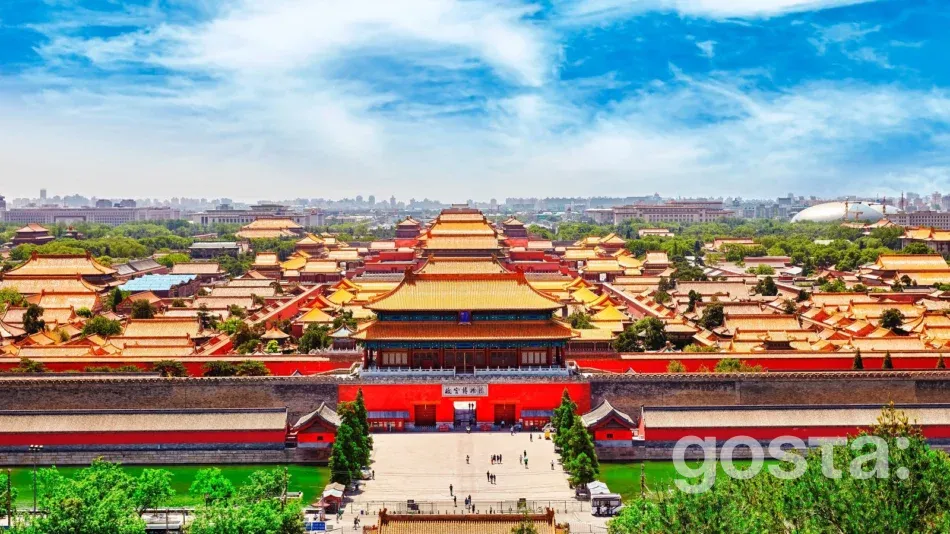
In 1368, the Mongol Yuan Dynasty was overthrown, and the Ming Dynasty took power. The new rulers initially moved the capital to Nanjing. But in 1421, the third Ming emperor Yongle moved it back north to the former Dadu. He rebuilt the city, constructed the majestic Forbidden City, reinforced the walls, and named it Beijing — “Northern Capital.”
From that point on, Beijing became China’s permanent capital — with a few interruptions — and has remained so for centuries.
Later Dynasties and the Colonial Era
In 1644, the Qing Dynasty (of Manchu origin) seized power and kept Beijing as the imperial capital. During Qing rule, the city took its final historical form, with many temples, gardens, and government buildings constructed.
In the 19th century, China suffered a series of humiliations: the Opium Wars, foreign interventions, and the Japanese invasion. In 1900, foreign troops from eight countries occupied Beijing during the Boxer Rebellion, looting imperial palaces and leaving scars on the city’s historical fabric.
20th Century: Revolution and Rebirth
In 1912, China became a republic and moved the capital to Nanjing. Beijing was renamed Beiping (“Northern Peace”) and lost its capital status. However, in 1949, after Mao Zedong’s victory in the Civil War, Beijing was reinstated as the capital of the People’s Republic of China. Its name was officially restored.
Since then, the city has undergone rapid growth: industrialization, urbanization, massive infrastructure projects, the 2008 Olympics, and later the 2022 Winter Olympics have made Beijing not just a political hub but also a global symbol of modern China.
Beijing has been China’s capital for over 750 years, starting from the Yuan Dynasty.
What to See in the Capital of China?
Beijing is a true open-air museum. Top sights include:
The Forbidden City (Gùgōng) — Former residence of emperors and the largest palace complex in the world. Its red walls, golden roofs, and elegant halls take you back to imperial times.
Tiananmen Square — One of the largest public squares in the world, central to 20th-century history.
Temple of Heaven — A masterpiece of architecture where emperors prayed for good harvests. Harmonious colors and symmetry create an aura of mystic grandeur.
Summer Palace — A lavish park and palace complex on Kunming Lake, once the emperors’ retreat.
The Great Wall of China (Badaling or Mutianyu sections) — Just an hour from Beijing, it’s one of the New Seven Wonders of the World.
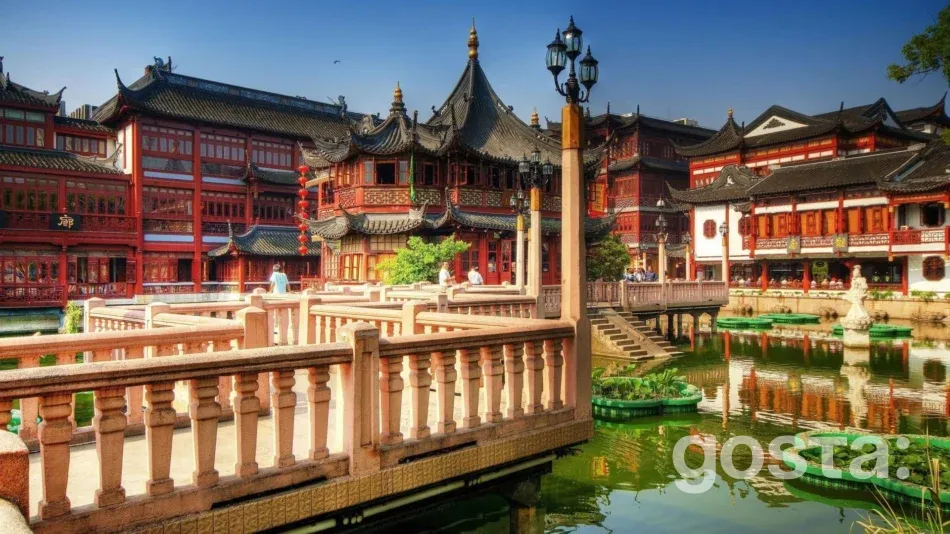
Hutongs — Historic neighborhoods with narrow alleys, preserving old Beijing charm. Perfect for trying local food and chatting with locals.
These are must-visit spots to truly experience the city’s spirit.
A huge city with deep roots isn’t just beautiful — it’s fascinating. Here are some fun facts about Beijing:
Beijing has been China’s capital for over 750 years.
The city has over 200 parks, including the Summer Palace and Beihai Park.
Once known for 10+ million bicycles, now it has the world’s largest bike-sharing system.
It has one of the largest metro systems — 500+ stations, 25+ lines.
Over 1,000 museums, including the National Museum of China, one of the biggest in the world.
Tiananmen Square is the world’s largest public square (~440,000 m²).
The National Centre for the Performing Arts — a futuristic glass-and-titanium dome known as the “Egg.”
The “Ghost Town” of Ordos — built but nearly deserted.
Beijing dialect is the base for Standard Mandarin.
The only city to host both Summer and Winter Olympics (2008 & 2022).
Wangfujing and Guijie streets are famous for food and night snacks.
Hutongs preserve traditional courtyard homes and alleyways.
Continental climate: from +104°F (40°C) in summer to +5°F (-15°C) in winter.
The local accent features a unique “-er” sound.
The “Bird’s Nest” Stadium is a modern icon of Beijing.
Life in Beijing Today
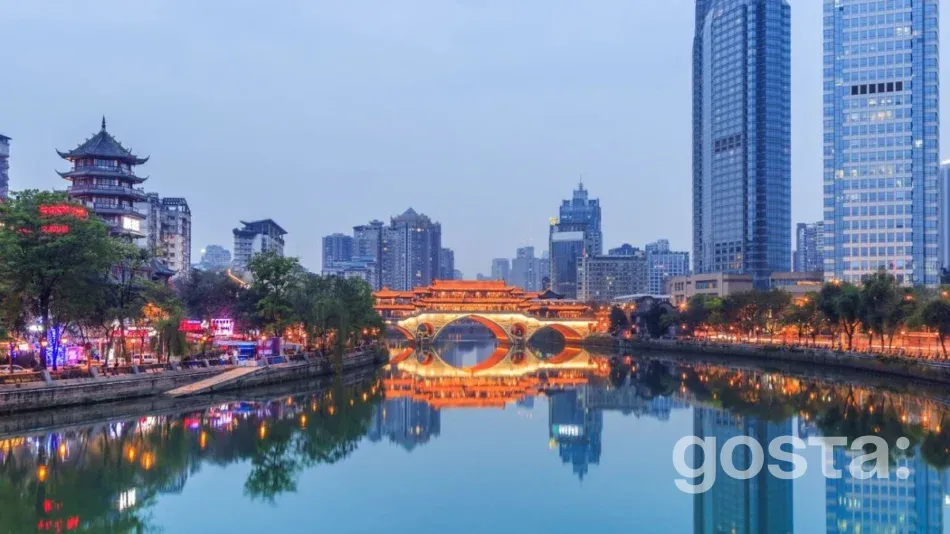
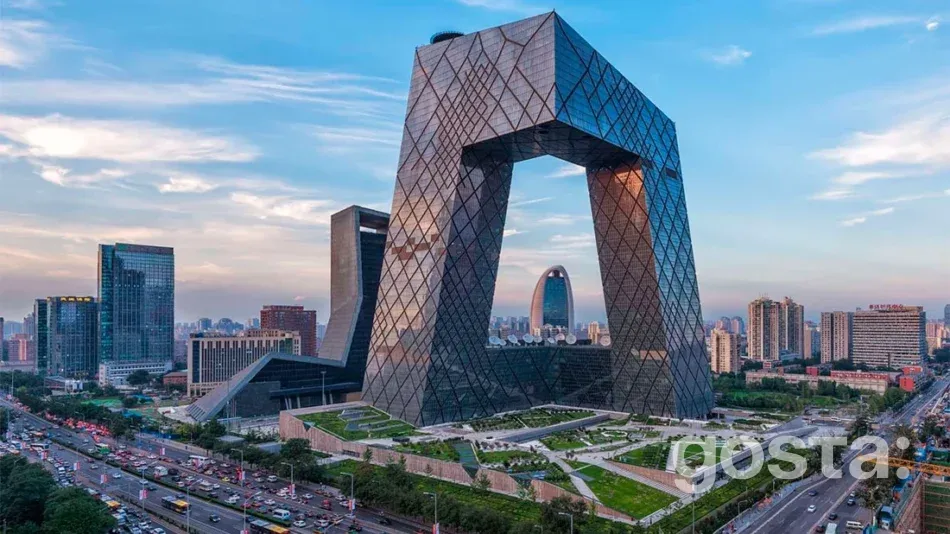
Today, Beijing is a massive metropolis with over 21 million residents. It’s a city of contrasts: traditional teahouses sit next to trendy coffee shops; ancient temples face off with corporate skyscrapers.
Beijing is a major economic hub, with top industries including tech, science, education, tourism, culture, finance, and government. It hosts China’s best universities — Peking University and Tsinghua University.
The city is rapidly modernizing: a 25+ line subway system, hundreds of skyscrapers, new residential zones, and ambitious environmental efforts. It’s the first city ever to host both Summer and Winter Olympics.
What to Know Before Visiting Beijing?
Planning a trip to Beijing? Here are key tips to keep your visit smooth and safe:
Visa & Documents: Most travelers need a visa. Apply in advance at the consulate or a visa center. Make sure your passport is valid for at least 6 months beyond your arrival date.
Internet & Mobile: Services like Google, YouTube, Instagram, WhatsApp, and Facebook are blocked. Set up a VPN before arrival. Buy a local SIM or eSIM for connectivity.
Payments & Currency: Mobile apps like WeChat Pay or Alipay are used everywhere. Cash is accepted, but not everywhere. Exchange money at banks or the airport.
Language: Most locals speak only Mandarin Chinese. English is limited to hotels and tourist centers. Use a translator app or phrasebook.
Transport: Subway is the fastest and cheapest way to get around. Use apps like Baidu Maps. Hail taxis through apps; street-hailing is tough. Keep addresses in Chinese characters.
Climate & Pollution: Beijing has a continental climate — hot summers, cold winters, and occasional smog. Check the AQI before traveling, and bring a mask if you’re sensitive to air pollution.
Safety: Beijing is generally safe, but watch out for pickpockets in crowded areas. Respect local customs, avoid political topics, and don’t photograph military sites.
China’s capital, Beijing, is impossible to sum up in a few words. It’s majestic, mysterious, layered, and alive. Here, imperial temples meet neon lights, and street food stalls rival fine-dining restaurants. Beijing must be experienced firsthand — not just to learn about China, but to feel how the past and future can live in perfect harmony.
Frequently Asked Questions
Why is Beijing considered China’s cultural center?
With its long imperial past, Beijing holds the highest concentration of cultural sites, temples, palaces, and museums. It’s the home of traditional opera, calligraphy, martial arts, and modern art alike.
Are there rules or cultural norms tourists should know?
Yes. Don’t speak loudly in temples, touch children’s heads, or litter — it’s strictly punished. Avoid political discussions, especially in public.
How is Beijing different from other big Chinese cities like Shanghai or Guangzhou?
Beijing is China’s political and cultural heart, while Shanghai is the financial capital, and Guangzhou is a manufacturing and logistics hub. Beijing has more historical landmarks and a more official, state-driven rhythm.
What local dishes should I try in Beijing?
You must try Peking duck! Also try jiaozi (dumplings), zhajiangmian noodles, and street snacks like skewered insects, meat kebabs, and sweet rice balls.
Information
Delve Into Riveting Reads on Architecture
At Gosta Media, we cover a broad spectrum of topics, one of which is the expansive field of architecture. When you explore this tag, you immerse yourself in the world of designing and constructing buildings and structures, a discipline combining science, art, and technology. Architecture: Where Artistry Merges with Structural…
Subscribe to the monthly news digest from Gosta Media
The main news and updates from the team about gadgets, sports, cars, health, and lifestyle.
Get Your Personalized Synastry Chart (PDF)
We’ll email your full compatibility reading as a beautifully designed PDF. Just enter your email below and proceed to secure checkout.
One-time payment – just $9.99
Warning:
Access only for persons over 21 years of age
This section contains information about gambling and is available only to persons who are 21 years of age or older in accordance with the applicable laws of Ukraine. Please confirm that you are 21 years of age or older.
This platform does not have a Ukrainian license. The link is provided for informational purposes only. Participation in games on such sites may violate Ukrainian law.