The Democratic People’s Republic of Korea (DPRK), better known as North Korea, has fascinated the world for decades. It’s a country shrouded in secrecy, surrounded by myths, legends, and stereotypes. Off-limits to most foreigners and with extreme information control, North Korea remains one of the most isolated nations on the planet.
But what’s really behind this wall of silence? How do ordinary North Koreans live? What drives the country’s internal politics? Why does the military play such a huge role—and what facts might surprise even the biggest skeptics?
What Life Looks Like in North Korea: Daily Routines Under Watch
Everyday life in North Korea is completely different from what most of the world is used to. The government tightly controls every part of a person’s life—from their hairstyle to their job to how they spend their free time.
People can’t move freely between cities without special government permission.
Regular citizens don’t have access to the internet. Instead, there’s a closed internal network called “Kwangmyong.”
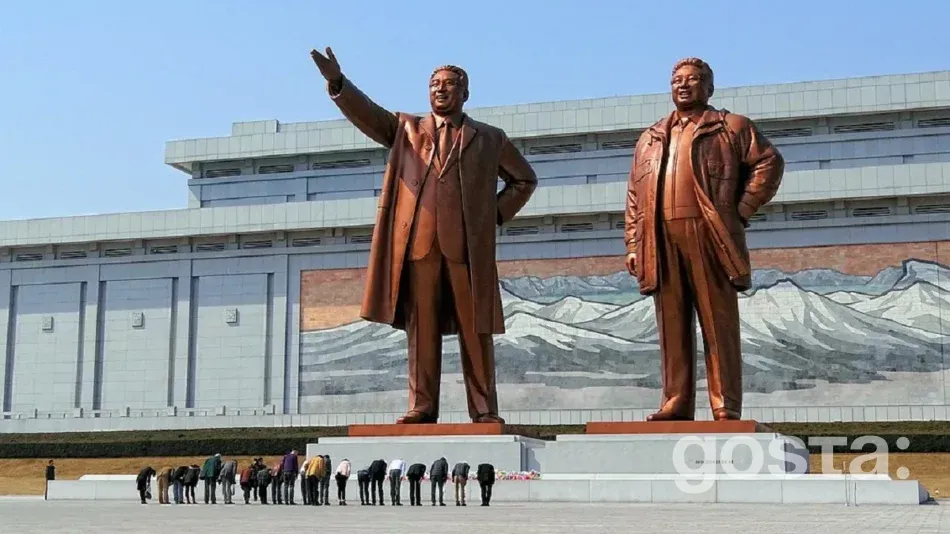
A strong cult of personality surrounds the ruling family. Portraits of Kim Il Sung and Kim Jong Il must hang in every home.
Foreign music, films, and books are banned. Being caught with them can lead to harsh punishment—even execution.
Most people work for the government or state-run companies. Wages are extremely low, but the state provides minimal food rations—mainly rice, corn, and occasionally soy sauce or oil. In rural areas, things are often worse.
Here are some key stats about North Korea’s population and living conditions:
Population: Around 26 million (as of 2025)
Life expectancy: Roughly 71 years
Infant mortality rate: Among the highest in the world.
Access to healthcare: Limited—especially outside major cities.
Food shortages: Up to 3 million people died in the 1990s famine. Conditions have stabilized somewhat, but food insecurity remains a major issue.
North Korea’s living standards are among the lowest globally. The UN estimates over 40% of the population is undernourished. Power outages are common, and transportation infrastructure is severely underdeveloped.
What Kind of Government Does North Korea Have?
North Korea is a one-party dictatorship built around the Kim family cult of personality:
Ruling Party: The Workers’ Party of Korea—the only legal political party.
Opposition: None. Even suspicion of disloyalty can lead to labor camps or execution.
Media: Completely state-controlled.
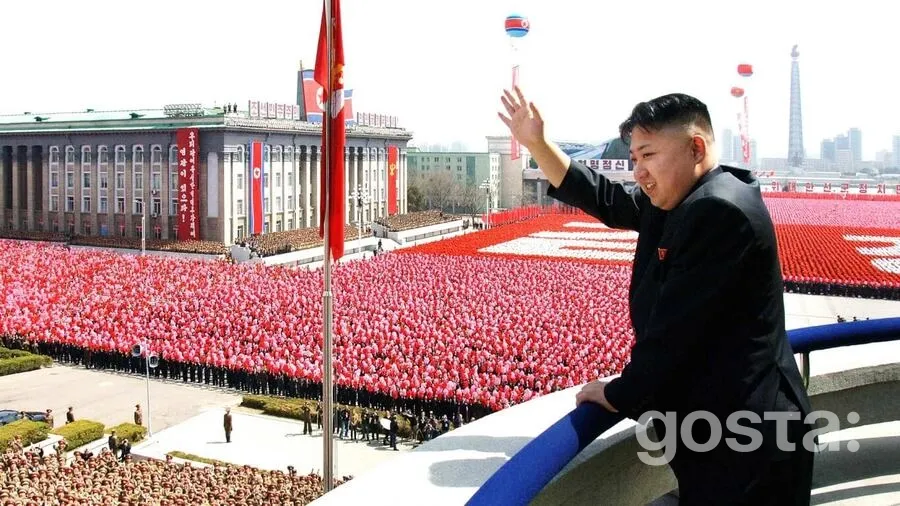
The regime is rooted in the ideology of Juche—self-reliance, independence, and national pride. Kim Jong Un is portrayed as the “Great Leader,” and this image is central to the country’s political indoctrination efforts.
A Powerful Military Is the Backbone of the Regime
North Korea maintains one of the world’s largest standing armies:
Active personnel: Around 1.3 million.
Reserves: Over 6 million.
Mandatory military service: 10 years for men, 7 years for women.
Nuclear program: North Korea possesses nuclear weapons and regularly conducts tests, increasing global tensions.
Despite widespread poverty, the military receives priority funding. It’s seen as the key to keeping the regime in power.
Where Does North Korea Stand in the World?
North Korea sits on the edge of global isolation. Its only real allies are China and, to a lesser degree, Russia. The country is under heavy sanctions from the UN, the U.S., and the EU. While it does export some goods—coal, seafood, and textiles—many of these transactions happen under the radar or through illegal channels.
North Korea is almost completely cut off from the global economy, culture, and communication. Tourism is allowed but tightly controlled. Tourists are always accompanied by government guides and forbidden from speaking freely with locals.
North Korea uses its own calendar, which starts in 1912—the birth year of Kim Il Sung. It’s currently year 113 there.
Pyongyang’s metro system is one of the deepest in the world. Some stations double as bomb shelters.
Kim Jong Un is a big NBA fan and personally knows former basketball star Dennis Rodman.
Elections happen every 5 years—but there’s only one candidate on the ballot.
TVs are preset to state channels, and it’s illegal to change them.
Homes must display portraits of the Kims. Damaging or failing to clean a portrait can lead to arrest or fines.
North Korea has invented its own fast food item: the kamjong—a cross between a hamburger and a traditional Korean bun.
Only 28 state-approved hairstyles are legal for men and women.
North Korea is a modern-world anomaly. It shows how far a country can go in cutting itself off from the rest of the world when isolation becomes a deliberate strategy. It’s a mix of strict dictatorship, militarization, and controlled freedom. Behind the state propaganda and harsh discipline, though, are real people—just trying to survive, feed their families, and stay safe.
The world keeps a close eye on North Korea—not just because it’s secretive, but because it’s a nuclear-armed nation where global stability can hinge on the decisions of a single man.
Frequently Asked Questions
Why hasn’t North Korea opened up, despite its economic crisis?
The regime views openness as a threat to its control. Leaders fear that exposure to outside information could make people question the legitimacy of the ruling family. Economic problems are managed through propaganda and strict control. The Juche ideology promotes the idea that isolation is a strength—not a weakness.
How is a person’s status determined in North Korea?
The country uses a classification system called Songbun, which divides people into three main categories: “loyal,” “neutral,” and “hostile.” This status is hereditary and affects access to education, jobs, housing, healthcare—even food.
How do North Koreans find out what’s happening in the world?
Officially, they only have access to state-run media. But since the 2000s, black markets have spread illegal USB drives loaded with foreign movies, TV shows, and news. South Korean dramas are especially popular. Watching this content is dangerous and can land someone in a labor camp.
Do all North Koreans really support Kim Jong Un?
Outwardly, yes—everyone is required to show loyalty. But the reality is more complex. Many people silently disagree but keep their thoughts to themselves. Open criticism is life-threatening. People learn to adapt, put on a loyal face, and keep their real opinions even from family.
Information
Discover the Richness of Asia: A Journey through Cultures
Asia, the largest and most diverse continent on the planet, offers an extraordinary tapestry of cultures, languages, and histories. If you're keen on unraveling the mysteries of Asia and exploring its vast landscapes, then delve into our expertly crafted content here on Gosta Media. Our platform serves as an engaging…
Subscribe to the monthly news digest from Gosta Media
The main news and updates from the team about gadgets, sports, cars, health, and lifestyle.
Get Your Personalized Synastry Chart (PDF)
We’ll email your full compatibility reading as a beautifully designed PDF. Just enter your email below and proceed to secure checkout.
One-time payment – just $9.99
Warning:
Access only for persons over 21 years of age
This section contains information about gambling and is available only to persons who are 21 years of age or older in accordance with the applicable laws of Ukraine. Please confirm that you are 21 years of age or older.
This platform does not have a Ukrainian license. The link is provided for informational purposes only. Participation in games on such sites may violate Ukrainian law.