
Should Kids Use Instagram and TikTok? Experts Have a Surprising Answer
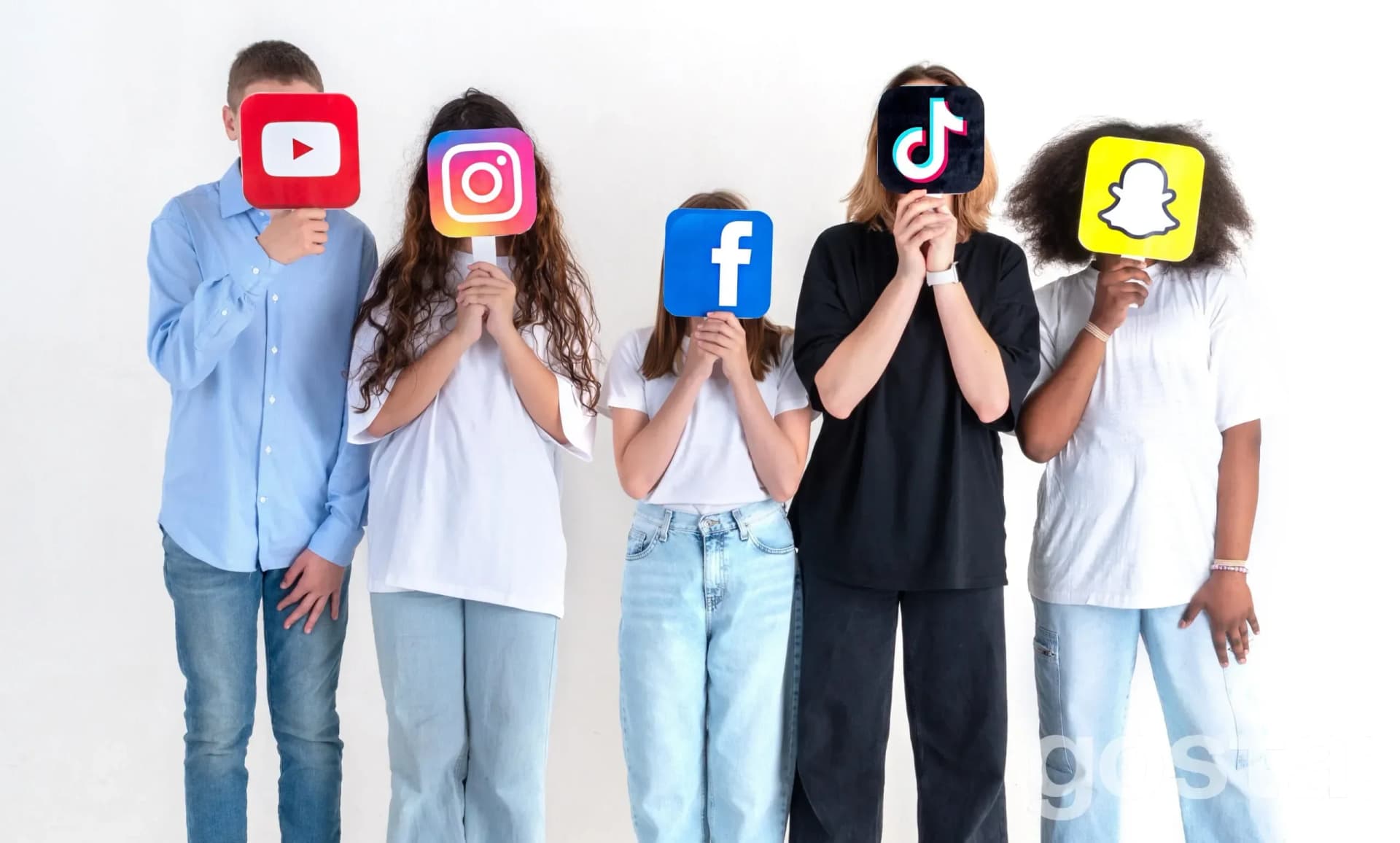
Instagram and TikTok are hugely popular, even among kids. Many elementary schoolers already film videos, run blogs, and follow influencers. In many families, social media causes constant arguments. Some parents think total freedom keeps kids "in touch with their generation." Others believe these apps only harm children. Experts warn that both extremes are risky. The key issue isn't whether kids use Instagram or TikTok, but how they do it.
What Doctors Say – Age Matters
Parents care deeply about their children's health, so medical opinions count. Pediatricians stress that the brain develops gradually, and kids don't fully understand digital reality right away. That's why children under 13 shouldn't use Instagram or TikTok. The American Academy of Pediatrics warns that emotional regulation isn't stable before this age, so kids are easily influenced by online content.
Doctors highlight four major risks:
- Sleep problems. Screen time before bed disrupts sleep quality.
- Cyberbullying. Children may face aggression or insults on Instagram and TikTok.
- Body image issues and low self-esteem. Perfect photos, filters, and edits create impossible beauty standards.
- Mental health concerns. Heavy social media use is linked to anxiety and depression.
If scrolling becomes more important than hanging out with friends, that's a red flag. Even after age 13, teens shouldn't be left alone with social media.
Doctors don't call for bans but suggest simple steps: remove phones from bedrooms at night, set time limits, and watch videos together. This shows kids that control isn't punishment – it's responsibility.
What Psychologists Say About Algorithms and Addiction
Psychologists explain that social media works like a reward system. Instagram and TikTok algorithms are designed to keep users hooked. Every new message or "like" gives a short burst of pleasure that encourages users to return. For children, this effect is stronger. Their dopamine system is more active, so constant stimulation creates "emotional hunger." After hours on TikTok, attention and focus drop.
But addiction isn't the only problem. Algorithms build "content bubbles." If a child watches videos about appearance, they'll start seeing endless posts about bodies, workouts, and diets. This distorts their sense of normal. Psychologists say the best protection is teaching kids how these algorithms work.
Instagram and TikTok Aren't the Enemy – If Used Right
Recent research shows a balanced view. UNICEF experts emphasize that Instagram and TikTok themselves aren't the problem – content is. If a child uses these apps for learning, creativity, or self-expression, that's positive. But if social media replaces real-life interaction or becomes an escape from reality, that's harmful.

UNICEF notes that social media can even help children find support, share experiences, and explore new knowledge – but only if an adult is involved and curious about what the child watches.
UNICEF highlights key points:
- Kids should learn digital literacy: how algorithms work, what "fake news" is, and how to check facts.
- Risks exist – harmful content, exploitation, privacy issues – and both kids and parents should be aware.
Instead of strict control, create shared "digital rules": discuss what's okay, explain risks, and teach kids to filter information. Bans have short-term effects; education lasts.
How to Limit Instagram and TikTok Without Fights
Sometimes a child's behavior signals it's time for a break from Instagram or TikTok. Psychologists point to warning signs:
- Constantly checking the feed, even during meals or classes.
- Mood swings after comments or deleted posts.
- Losing interest in hobbies, sports, or offline friends.
- Obsessively filming themselves and craving "likes."
These signs mean content is controlling emotions. Don't punish – create a "pause": take a walk, start a new hobby, or plan a day without gadgets.
A total ban rarely works. It only makes Instagram and TikTok more tempting. Kids quickly find ways around restrictions – new accounts, fake ages, or bypassing parental controls. Experts suggest cooperation, not confrontation. Transparency is key.
Simple principles:
- Set clear time limits.
- Turn off push notifications before bed.
- Don't grab the phone suddenly – agree on when it's put away.
- Use parental controls but explain why.
- Talk regularly about what they see online – what they like, what surprises them, and what upsets them.
This builds trust and helps kids see guidance as care, not punishment.
Should Kids Be Banned From Social Media? – Video
Some countries have already limited children's access to social media, while others are still debating. But should Instagram and TikTok be banned for kids altogether? Watch the video:
Balance, Not Bans – The Best Approach
Most experts agree: don't demonize social media. It's not poison – it's a tool. The problem isn't Instagram or TikTok, but how they're used. If a child learns, creates, and communicates – that's growth. If they only compare, compete, and scroll endlessly – that's a risk.
Boundaries are necessary, but the goal is to build critical thinking, not blind obedience. Teach kids to use social media wisely and safely – for their own development and mental health.
Часті запитання
How Can You Tell if Your Child Is Addicted to Instagram or TikTok?
If they constantly check the feed, even during class or meals, that's a warning sign. Sudden mood changes after scrolling are another. Losing interest in hobbies or friends means it's time to step in.
What's the Minimum Age for Kids to Use Instagram and TikTok?
Experts recommend waiting until at least 13. Before that, the brain and emotional control are still developing. Start with limited access and teach them how social media works.
Should You Ban Instagram and TikTok Completely?
Total bans rarely work because kids find ways around them. It's better to set clear rules and discuss what they see online together. Balance and open conversation are safer than strict bans.
Як вам матеріал? Оберіть реакцію