
Gaming Addiction in Kids and Adults: How It Starts and What to Do
Wondering if you—or someone close to you—might be addicted to video games? Learn the early symptoms and how to take action.

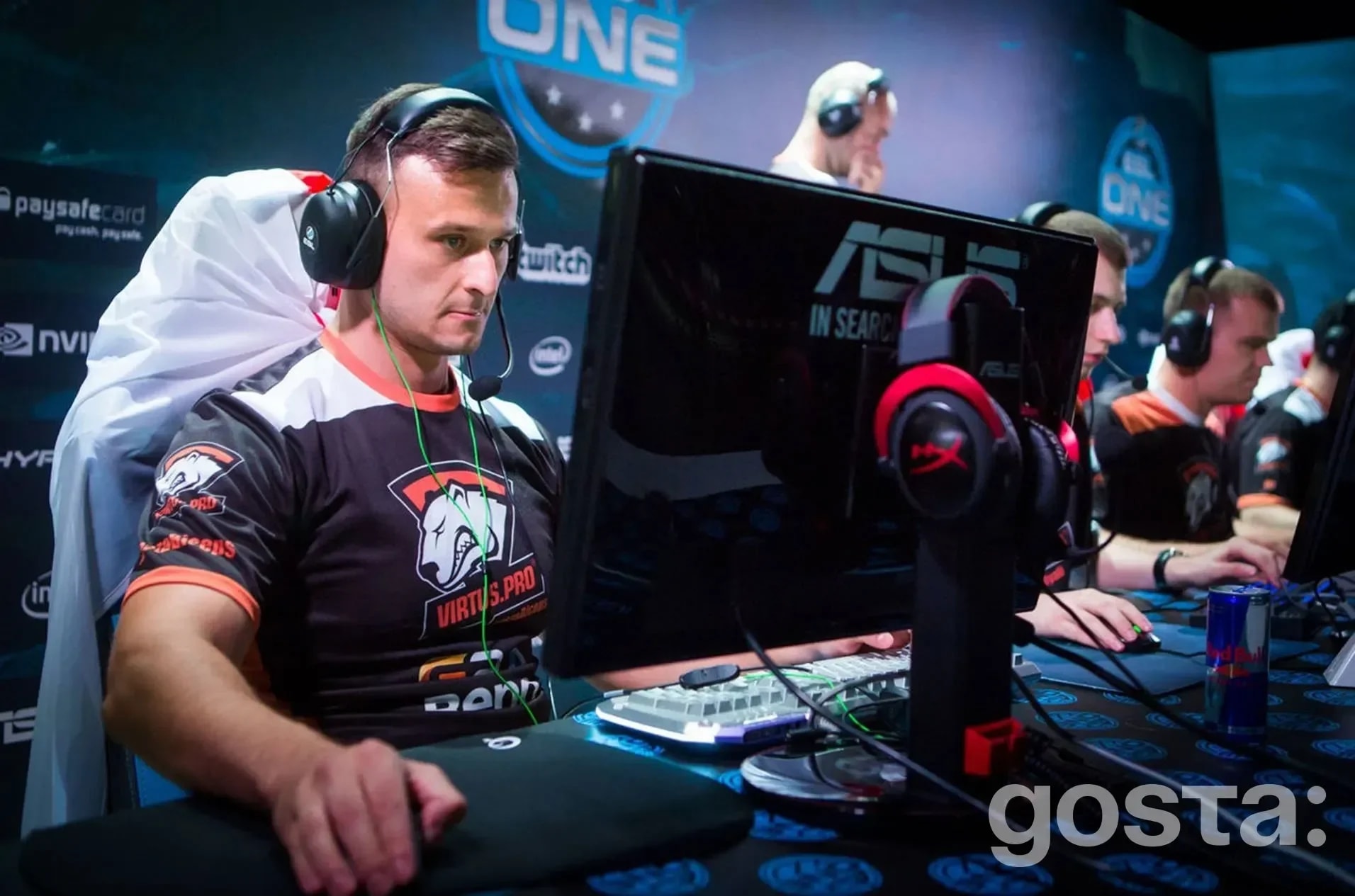
In today's world, video games aren't just a form of entertainment—they can also be a serious threat to mental health. Gaming addiction isn't just a hobby gone too far. It's a real condition that can affect relationships, daily life, and emotional well-being in both children and adults. In this article, we'll explain what gaming addiction is, how it develops, how to spot it, and most importantly—how to beat it.
What Is Gaming Addiction?
Gaming addiction—also known as gaming disorder—is a psychological condition where a person can't control their gaming habits, even when it starts to harm their life. In 2018, the World Health Organization officially recognized it as a mental health disorder and included it in the International Classification of Diseases (ICD-11).
Here's what counts as addiction:
- Spending excessive time gaming—hours each day
- Making games a top life priority
- Struggling at school, work, or in relationships
- Continuing to play despite knowing it's causing harm
How Does Gaming Addiction Develop?
Gaming addiction usually builds up gradually. For many, it starts as an emotional escape from stress, boredom, loneliness, or personal struggles. Games trigger dopamine release—the brain's "pleasure chemical"—which makes people crave that experience again. Kids and teens are especially vulnerable because their self-control is still developing, but adults can fall into the same trap too.
Common reasons include:
- Lack of emotional support or connection
- No hobbies or real-life achievements
- Anxiety, depression, or social isolation
- Easy wins and rewards in games that are hard to get in real life
What Are the Consequences of Gaming Addiction?
Gaming addiction can have serious effects. Mentally, it can cause anxiety, depression, and emotional burnout. People often lose interest in real life, neglect their relationships, and ignore responsibilities. Physical health can also suffer—sleep problems, eye strain, poor posture, and exhaustion are common. In some cases, it can even lead to financial issues and social withdrawal.
How to Spot Gaming Addiction Early
At first, gaming addiction can look like "just a hobby." But over time, it can start taking over every part of life—from relationships to health. That's why it's important to learn how to recognize the warning signs, whether in yourself or someone you care about.
Spotting Addiction in Yourself
If you notice that gaming has shifted from a fun way to relax to something that eats up most of your free time, that's a red flag.
You may lose track of time, skip meals, or stay up late to play—sacrificing sleep, school, or work.

Signs to watch for:
- You game for hours every day, even at night, despite being tired or having other things to do
- It's hard to stop—"just 10 more minutes" turns into hours
- You get irritable, tense, or anxious when you can't play
- You use games to avoid real-life problems or difficult emotions
- You skip social events or chores just to keep playing
If any of these sound familiar, it might mean gaming is starting to take control—and that's something to take seriously.
Spotting Addiction in Children
Gaming addiction often develops faster in kids. Their brains are still growing, and they may lack the self-control needed to regulate screen time. If your child is obsessed with games and losing interest in other activities, it's time to act.
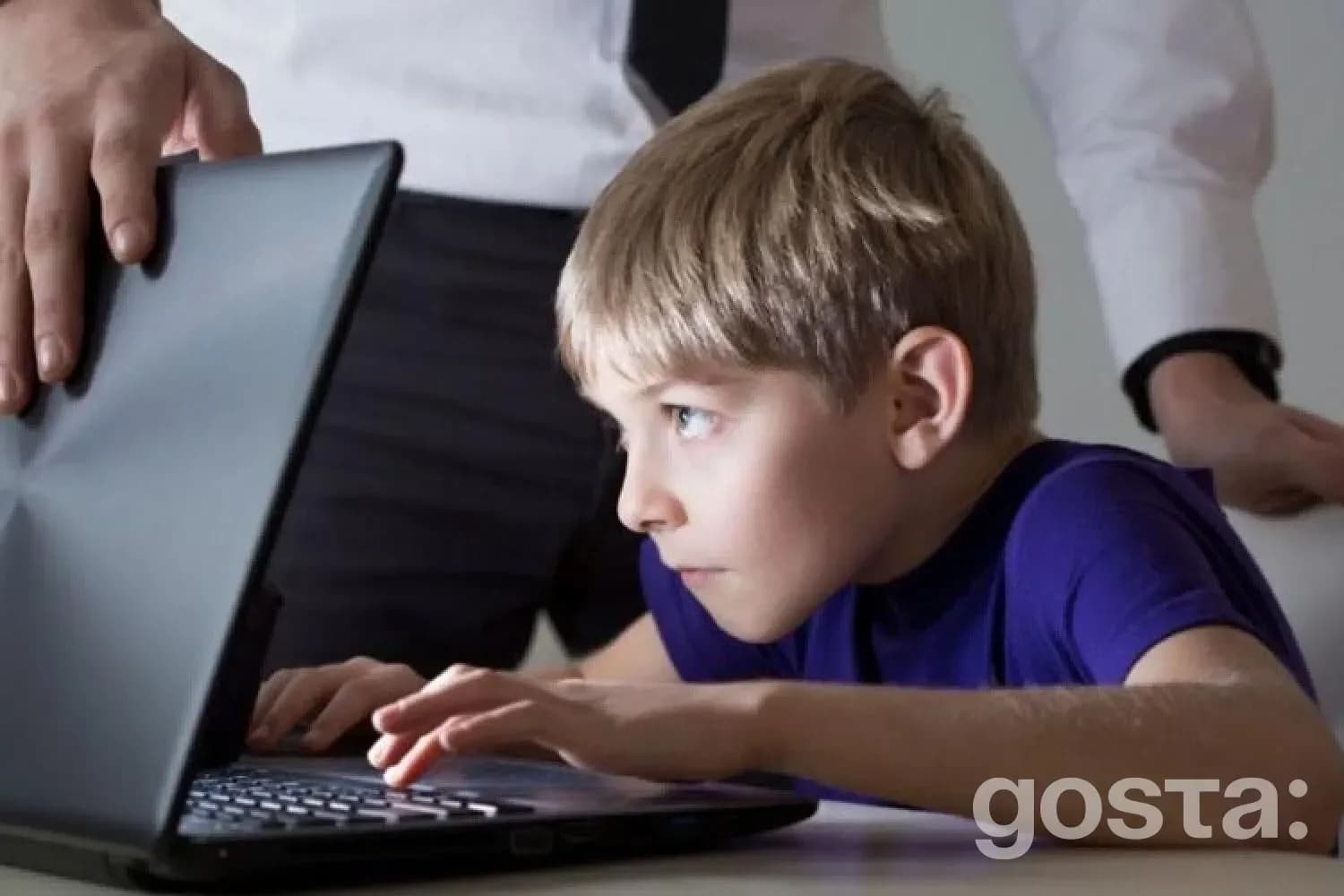
Possible signs of addiction:
- They play longer than allowed and try to hide it
- Games are the only source of fun—books, toys, and friends don't matter anymore
- Taking away the game causes aggression, frustration, or even tantrums
- School performance drops; they stop caring about their responsibilities
- They isolate themselves, talk only about games, and seem withdrawn
Parents should pay attention not just to screen time but also to how a child feels before and after gaming.
Spotting Addiction in Other Adults
Adults often deny gaming addiction, saying it's just "a way to unwind" or "a hobby." But if gaming starts replacing social life, work, or emotional connection—it's a warning sign.
What to look for:
- Constant talk about games, as if living in that world
- Loss of motivation for work, study, or relationships
- Withdrawal from others; becoming distant or secretive
- Emotional swings—from numbness to anger
- No interest in usual pleasures like movies, reading, or hanging out with friends
People often don't see the problem themselves, so it's important to bring it up gently and point out the changes you've noticed.
Key Symptoms of Gaming Addiction
Gaming addiction has clear psychological and behavioral patterns. If you see several of these signs in yourself or someone close, it may be time to take action.
- A constant urge to play, even when other things need your attention
- Losing control over how long you play—even when you planned to stop
- Ignoring work, school, or relationships
- Feeling anxious, angry, or down when you can't play
- Avoiding real-life contact in favor of the online world
- Physical issues like poor sleep, fatigue, eye strain, and sitting for too long
What to Do If You're Struggling with Gaming Addiction
Getting over gaming addiction isn't easy—especially if it's been going on for a while. But it is possible. The first step is recognizing the problem and deciding to change. There's no one-size-fits-all fix, but these proven strategies can help.
Can You Overcome It on Your Own?
Yes—if the addiction isn't too severe, many people can work through it themselves. But you'll need motivation and a clear plan.
Start here:
- Admit there's a problem. Many people stay in denial for years, thinking they have it under control. True control means you can stop anytime without stress or discomfort.
- Set limits. Start by capping gaming time—say, one hour a day. Use a timer or an app to track it. Over time, reduce it gradually.
- Find out why you play. Ask yourself: Why do I want to play so much? Understanding the root cause helps you find better ways to cope.
- Swap games for new activities. Try a hobby, get active, take a walk, read—anything that brings joy outside of games. It may feel hard at first, but your interest in real life will come back.
- Change your environment. Remove temptations—uninstall games or block access to platforms. Move your computer out of your bedroom so you don't play late at night. Spend more time outside the house.
- Keep a journal. Track when and how much you play, and how you feel before and after. This can help you understand your patterns and manage them better.
When to Seek Professional Help
If the addiction is severe or long-term, it's best to talk to a professional—like a psychologist, therapist, or psychiatrist, especially if there are signs of depression, anxiety, or aggression.
A specialist can help:
- Uncover the deeper reasons behind your addiction
- Build a personalized recovery plan
- Restore emotional balance
- Regain self-control and daily structure
In some cases, cognitive-behavioral therapy (CBT) is used—it's been proven effective for treating different types of addiction.
How to Help Someone Else With Gaming Addiction
If someone close to you is stuck in gaming addiction, don't just stand by—but also avoid coming on too strong. The key is empathy, not judgment.
- Don't blame or shame. Addiction is complex. Anger and accusations can backfire, making the person feel misunderstood and pull away. Instead, have calm conversations and mention specific consequences you've noticed—like poor sleep, neglected relationships, or dropped responsibilities.
- Offer support. Let them know you're there for them. Suggest spending time together doing something different—like watching a movie, going for a walk, playing board games, or exercising.
- Help them explore alternatives. Try finding new outlets together: volunteering, learning a skill, starting a creative project, or taking an online course. (Here are some good ones for kids.)
- Talk about therapy. If they're struggling to cope alone, suggest seeing a therapist. Explain that it's not a weakness—it's a brave step toward change. Offer to go with them for the first session if it helps.
- Set limits (for kids). For children, structure is key. Set clear rules about when and how long they can play, and what games are allowed. Use timers, parental controls—and model balanced screen time yourself.
Gaming addiction isn't a life sentence—but it's not something to ignore either. It can affect anyone: kids, teens, or adults. The most important thing is to notice the problem early, take it seriously, and take action. With the right support and mindset, recovery is possible—and life can feel meaningful again.
FAQ
What is gaming addiction?
It's a mental and emotional condition where someone loses control over their gaming habits. Games become the main focus, pushing aside real responsibilities, relationships, and interests.
How does gaming addiction start?
It usually builds over time. Games feel good and become an escape from stress or problems. Eventually, the brain craves more and more playtime to feel okay.
What are the main signs of gaming addiction?
The biggest ones are: nonstop urge to play, no control over time, feeling bad without games, ignoring real-life tasks, and pulling away from social life.
How can I help someone with gaming addiction?
Talk to them calmly, show support, avoid blame, help them find new interests, and encourage them to see a therapist if needed.
Tags

Якщо ви відчуваєте проблеми з контролем гри, ознайомтеся з інформацією про ігрову залежність та способи отримання допомоги.
Згідно із Законом України «Про державне регулювання діяльності щодо організації та проведення азартних ігор», участь в азартних іграх дозволена лише особам, яким виповнилося 21 рік.
Матеріал має виключно оглядово-інформаційний характер і не є рекламою чи закликом до участі в азартних іграх.
Best of the week — in your inbox
No spam. Only top Gosta stories. Unsubscribe in one click.
Comments