Vitamin B12 might not be the most famous nutrient, but it's vital for everyone. Ever felt tired even after a full night's sleep? Or noticed you're running out of energy? Often, the cause is a lack of this very vitamin. Vitamin B12 supports energy levels, brain function, mood, and even heart health. Without it, your body works like a phone with a half-dead battery. The good news is that it's easy to refill – you just need to know what to put on your plate.
Why Everyone Needs Vitamin B12
Vitamin B12 helps your brain work properly and reduces fatigue. Without it, your body literally slows down – you might feel weak, dizzy, or sleepy. It's also essential for making red blood cells, DNA, and for breaking down fats and carbs. Your body can't produce it on its own, so you must get it from food. Chronic deficiency can cause anemia and nerve problems.
B12 supports red blood cell production, keeps your nerves healthy, and affects your energy levels. Without it, your cells simply can't function properly.
Main functions of B12:
- Supports brain function and memory.
- Helps fight tiredness and sleepiness.
- Reduces the risk of anemia.
- Aids in DNA production.
The daily recommended amount for adults is about 2.4 micrograms. It's not much, but your body will notice if you don't get enough. You might feel apathetic, irritable, or even experience tingling in your fingers. People who eat little or no meat should pay special attention.
7 Natural Foods That Boost Your B12 Levels
Most of our B12 comes from animal products. Here are the top natural sources:
- Liver and other organs. Liver is the ultimate B12 powerhouse. To keep its benefits, cook it lightly – sauté or stew for just a few minutes.
- Meat. Beef, lamb, and veal help restore energy and reduce weakness.
- Fish. Salmon, tuna, sardines, and cod not only provide B12 but also omega-3 fatty acids that support heart health. Aim to eat fish at least twice a week.
- Seafood. Mussels and clams are B12 superstars. They're also rich in iodine and selenium, which help balance hormones.
- Poultry. Turkey and chicken are light yet nutritious. Pair them with veggies for better absorption.
- Eggs. Two eggs give you almost half of your daily B12 needs. They're easy to add to breakfast, salads, or baked dishes.
- Dairy. Milk, yogurt, and cheese have a bit less B12 but are easily absorbed. A glass of milk or a serving of yogurt daily can keep you energized.
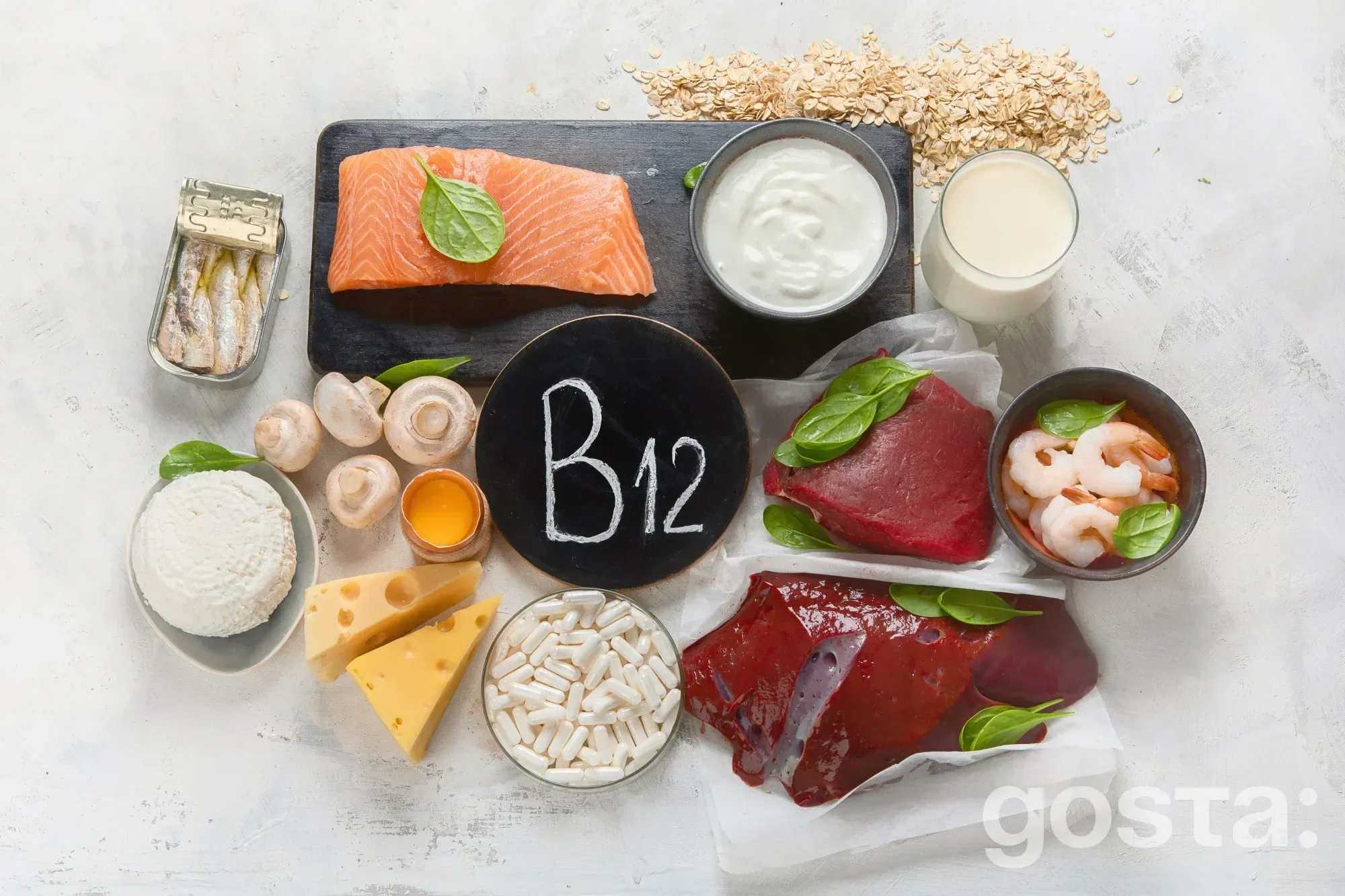
Vitamin B12 Content in Foods – Table
Here's a quick guide to how much B12 common foods contain:
How to Help Your Body Absorb B12 Better
Getting B12 is only half the job – your body also needs to absorb it well. Experts recommend:
- Keep your stomach healthy, as stomach acid helps break down B12.
- Avoid too much coffee and alcohol – they block absorption.
- Combine B12-rich foods with green vegetables that contain folate, which works together with B12.
- Get your blood tested if you often feel tired or dizzy.
If your digestion is normal, your body absorbs B12 from food better than from supplements. That's why a balanced diet is so important.
People who don't eat meat – vegetarians and vegans – are most at risk of deficiency. Older adults are also at risk, since stomach acid levels drop with age. The same goes for those taking medication for heartburn or diabetes.
Why B12 Deficiency Is Dangerous and How to Prevent It – Video
Vitamin B12 is essential for your whole body and every single cell. Learn more in this video:
Your Energy Reserve Is on Your Plate
Struggling to wake up, feeling tired all the time? That might be your body's way of saying it needs more vitamin B12. The solution is simple – food. Add meat, fish, eggs, or dairy to your diet. In just a few weeks, you'll likely feel more energetic and focused. Your body responds well when you give it what it needs. Vitamin B12 is one of those key elements that help you truly feel your best.
Frequently Asked Questions
What does vitamin B12 do?
It helps make red blood cells and keeps your nervous system healthy. It's also needed for DNA synthesis and energy production. Without it, you might feel tired, weak, and lose focus.
How can I tell if I'm low on vitamin B12?
You might feel constantly tired, dizzy, or notice pale skin. Some people feel tingling or numbness in their fingers or toes. A blood test will show your B12 levels for sure.
Which foods have the most B12?
Liver, seafood, and fatty fish top the list. You'll also find plenty of beef, eggs, and milk. Plant foods contain almost none.
Who shouldn't take vitamin B12 supplements?
People allergic to cobalamin or cobalt should avoid it. Those with tumors, high red blood cell counts, or blood clots should be cautious. Only a doctor can determine the right dose after testing.