Malaria has been with humanity for thousands of years, taking countless lives. Even in the 21st century, it remains a serious threat. Every year, over 240 million people get malaria. Most cases are in Africa, but there's also a risk in Asia and Latin America. Travel and globalization make it a problem far beyond the "tropics." Malaria is a challenge for medicine. It's about science, prevention, and access to treatment. But most of all, it's a real danger for millions of people.
What is malaria?
Malaria is an infectious disease caused by Plasmodium parasites. The deadliest one is Plasmodium falciparum, which causes most malaria-related deaths.
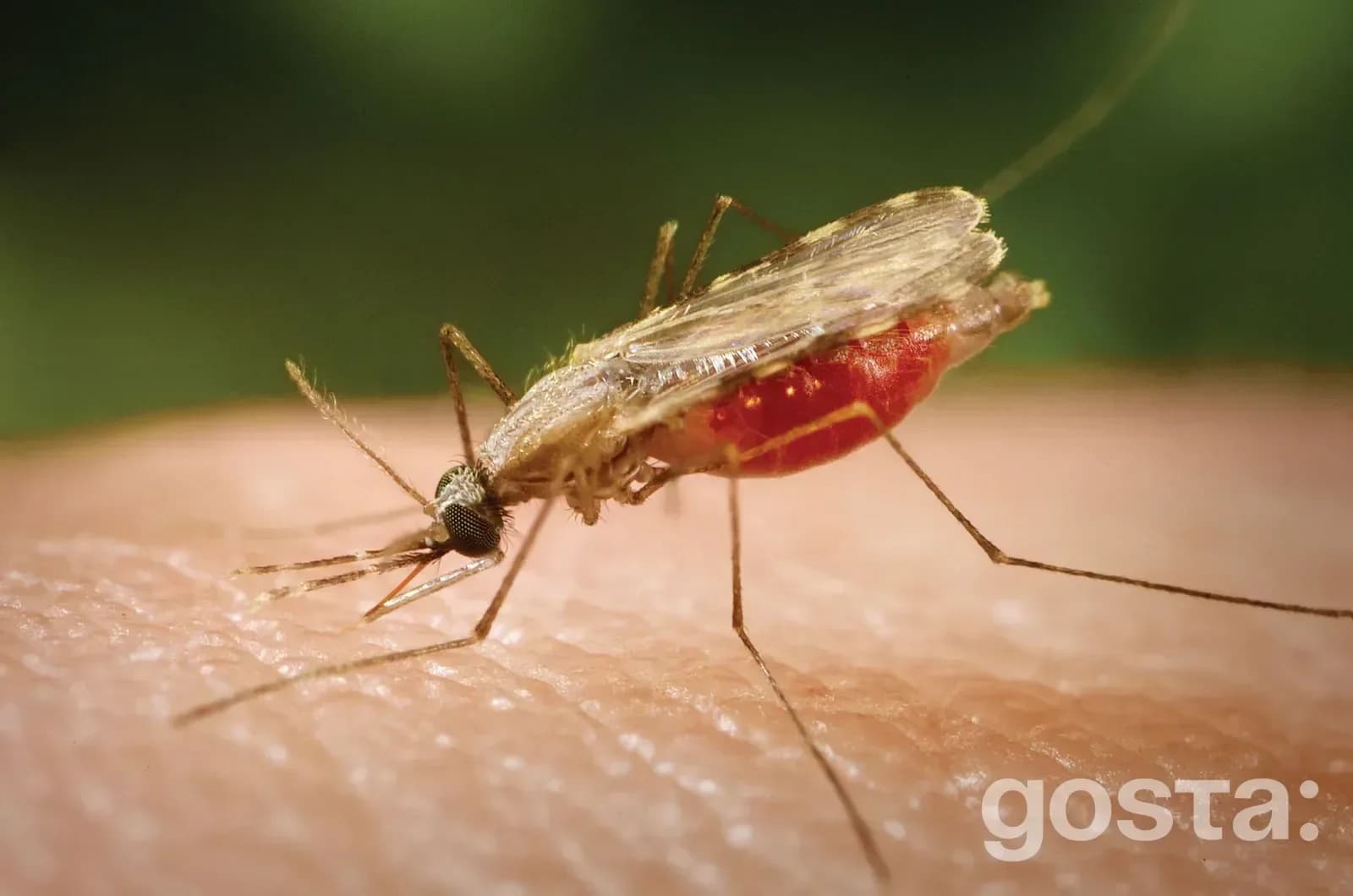
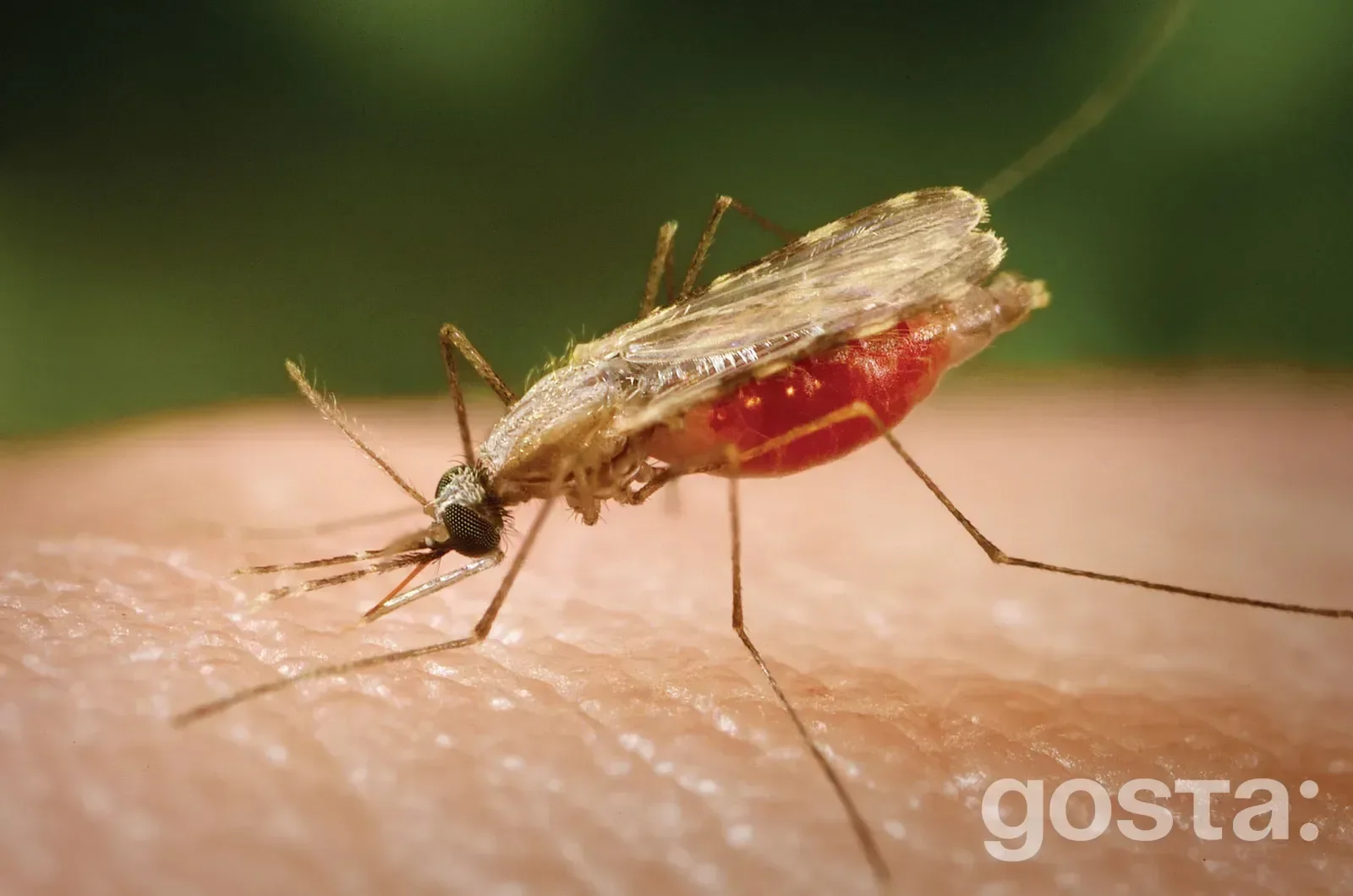
It spreads through bites from Anopheles mosquitoes. When a mosquito bites an infected person, it picks up the parasite. The next person it bites gets infected when the parasite enters with the mosquito's saliva.
The parasite first travels to the liver, then into the blood, where it destroys red blood cells. This is what causes fever attacks and other symptoms. Mosquitoes bite mostly at night, which is why something as simple as a bed net can save lives.
How malaria shows up – symptoms
Malaria doesn't hit right away. The incubation period is usually 7 to 15 days. At first, it can look like a cold or flu:
- fever;
- chills;
- headache;
- body aches;
- extreme fatigue.
Then comes the typical "malaria attack." First, a person shakes from cold, then their temperature spikes, and afterward they sweat heavily. These attacks may repeat every two or three days.
Severe malaria is life-threatening. It can damage the brain, kidneys, and liver, and death can happen very quickly. Children and pregnant women are at the highest risk – they account for most deaths.
Diagnosis and treatment of malaria
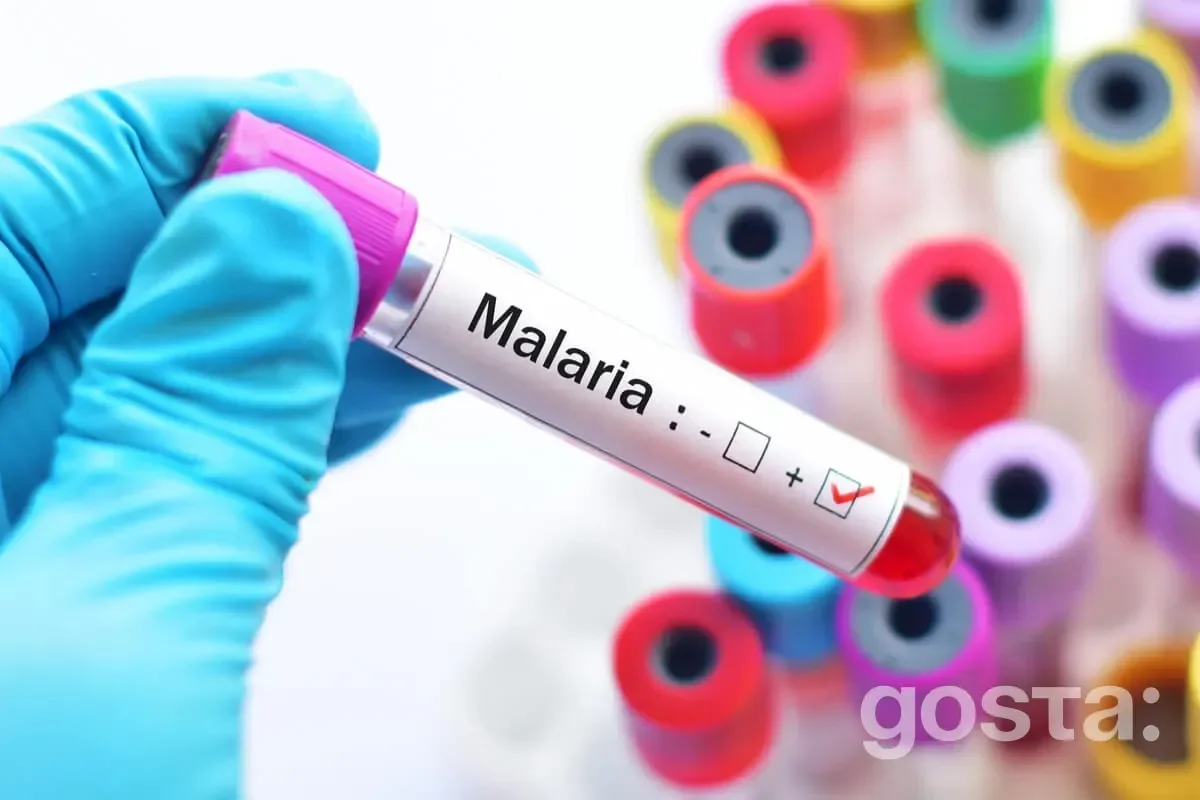
Malaria is easy to confuse with other illnesses, so confirming the diagnosis is key. The most accurate method is blood microscopy – a doctor checks a sample under a microscope and sees the parasite inside red blood cells. Where labs aren't available, rapid diagnostic tests are used. They work in minutes and show if there's an infection in the blood. This helps doctors start treatment right away.
In countries where malaria is common, any fever is first checked for malaria. This practice saves thousands of lives every year.
Timely diagnosis and treatment save lives. They lower the risk of death and stop the spread of infection. Treatment depends on the parasite species, drug resistance, the patient's age, weight, and whether the patient is pregnant.
Main groups of medicines:
- Artemisinin-based combination therapies (ACTs). These are the modern gold standard. They mix artemisinin with other drugs to prevent resistance. Common ones are artemether/lumefantrine, artesunate/amodiaquine, and artesunate/mefloquine.
- Chloroquine. Used against Plasmodium vivax malaria, but only where the parasite is still sensitive to it.
- Primaquine. Added to kill "sleeping" parasite forms in the liver that can cause relapses with P. vivax and P. ovale.
Most medicines are tablets. In severe cases, IV drugs are needed. Artesunate is now preferred – it works faster and is safer than the older quinine.
Resistance is still a big problem. In some regions, especially Southeast Asia and parts of Africa, strains resistant to artemisinin have appeared. Scientists are working on new drugs and improved treatment plans.
How to protect yourself from malaria
The simplest way to avoid malaria is to prevent mosquito bites. It may sound basic, but it saves millions of lives. The main protection methods are:
- bed nets over sleeping areas;
- insecticides for homes;
- body repellents;
- chemoprophylaxis – preventive tablets for travelers going to high-risk areas.
No single method offers full protection, but using several together greatly lowers the risk.
Is there an effective malaria vaccine?
The search for a malaria vaccine took decades. Scientists all over the world worked on it nonstop – it was one of medicine's biggest challenges.
In 2019, the first vaccine appeared: Mosquirix (RTS,S/AS01). It was rolled out for children in Ghana, Kenya, and Malawi. Results were promising. The vaccine doesn't give full protection but reduces severe cases and deaths among children.
In 2023, the world got a second vaccine – R21/Matrix-M. WHO confirmed its safety and effectiveness. In regions with seasonal malaria, it protects up to 75% of children – a very high success rate.
Now humanity has two working vaccines. Neither is perfect, but together they can save hundreds of thousands of lives every year. Combining vaccination with other prevention measures is a new step forward in the fight against malaria.
Malaria Vaccine Could Save Millions of Lives – Video
Malaria is still a deadly disease. That's why an effective vaccine could save millions of lives. You can learn more about it in this video:
Conclusion
Malaria is an ancient disease, and it still threatens humanity today. It's dangerous, but it can be controlled. With timely treatment, prevention, and new vaccines, there is hope. The world is more connected than ever. People travel and work across countries, so knowing about malaria matters to everyone. It's not just a "tropical" problem – it's a global challenge that can only be solved together.
Frequently Asked Questions
What are the symptoms of malaria?
Malaria starts with fever, chills, and extreme tiredness. Headaches and muscle pain are common, too. Severe cases may cause seizures or coma.
How long does malaria treatment take?
Mild cases are treated in a few days with drug combinations. Severe malaria requires hospital care and IV medicine. The length depends on the parasite type and the patient's condition.
How is malaria transmitted?
Malaria is spread by bites from female Anopheles mosquitoes. They inject the Plasmodium parasite into the blood. It doesn't spread directly from person to person.