When your hemoglobin drops, you feel it in everything–from waking up in the morning to evening walks. One of the biggest reasons is iron deficiency, because iron helps your body transport oxygen. Iron-rich foods don't replace treatment if tests already show anemia, but they help prevent deficiency, support iron stores, and gently improve hemoglobin as part of long-term care.
In this guide, you'll find why iron matters, which iron-rich foods are worth adding, how to combine them, and when diet alone isn't enough and you need medical advice.
Why Iron Matters and What Happens When You Don't Get Enough
Iron is a trace mineral every cell needs. It's part of hemoglobin–the protein in red blood cells that carries oxygen from your lungs to your organs and brings carbon dioxide back. When there isn't enough iron, your blood delivers less oxygen, and your body switches into an "energy-saving mode."

Besides hemoglobin, iron is part of cytochrome enzymes that help detoxify harmful compounds your cells produce every second. It's involved in thyroid function, DNA synthesis, muscle work, cell division, and a healthy immune response. When your diet lacks iron-rich foods, all these systems slowly suffer.
There are two stages: iron deficiency (low iron stores, but normal hemoglobin) and iron-deficiency anemia (low iron stores and low hemoglobin). In the first case, you can respond early by adding iron-rich foods and improving your diet. In the second, you need treatment prescribed by a doctor.
The most common signs of iron deficiency and low hemoglobin include:
- thin, brittle nails;
- hair loss;
- dry skin;
- easy bruising;
- feeling cold, especially hands;
- constant tiredness;
- rapid heartbeat;
- shortness of breath even with light activity;
- dark circles under the eyes;
- irritability and trouble focusing.
If you recognize yourself in several of these, don't just add iron-rich foods–get bloodwork done and talk to a doctor.
How Much Iron You Need Daily: Guidelines for Kids and Adults
Your body treats iron carefully: it doesn't just leave the body, it's recycled between cells. Daily iron losses are small–about 1–1.5 mg a day. That's the minimum you need from food, but the real intake should be higher because only a part of dietary iron is absorbed.
Approximate daily iron needs:
- children 4–8 years: about 10 mg/day;
- children 9–13 years: about 8 mg/day;
- boys 13–18 years: about 11 mg/day;
- girls 13–18 years: about 15 mg/day;
- men 19–50 years: about 8 mg/day;
- women 19–50 years: about 18 mg/day;
- adults over 51 years: about 8 mg/day.
For women of reproductive age and pregnant women, the question of which iron-rich foods are on the plate every day matters a lot. Monthly blood loss and higher needs during pregnancy make anemia more common. Kids and teens need iron for growth and brain development, so deficiency can affect both mood and learning.
These numbers are general guidelines. They don't replace medical advice, but they show why iron-rich foods should appear regularly–not just sometimes.
Heme and Non-Heme Iron: Why Form Matters
Iron in food comes in two forms: heme and non-heme. Heme iron is found in animal foods–meat, liver, organ meats, fish, and seafood. It absorbs better: around 17–22% of what you eat. That's why iron-rich foods for preventing anemia often start with meat and organ meats.
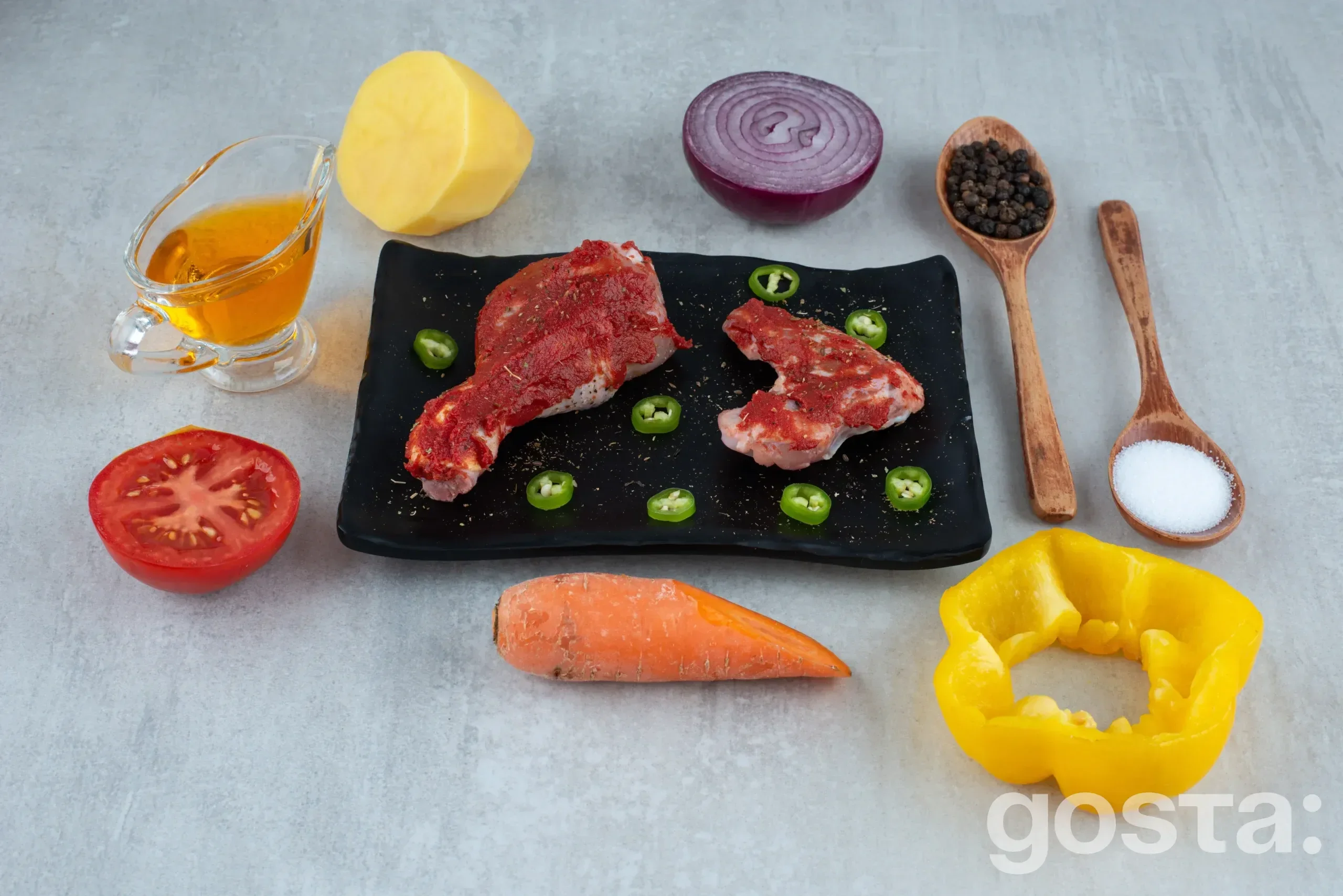
Non-heme iron comes from plants–legumes, whole grains, seeds, nuts, vegetables, and leafy greens. It absorbs less–about 5–7%, sometimes lower. Still, plant-based iron-rich foods help cover your needs, especially when paired with vitamin C and enough protein.
Some things help absorption:
- vitamin C (ascorbic acid), malic, citric, and succinic acids;
- certain amino acids and fructose;
- combining iron-rich foods with vegetables, berries, or citrus.
Some things block absorption:
- too many dairy products in the same meal;
- tea, coffee, cocoa right after eating;
- phytic acid from grains and some greens if the diet is too repetitive.
With this in mind, you can choose iron-rich foods and build meals so your body actually uses the iron.
Animal-Based Iron-Rich Foods
Animal foods are the main source of heme iron. They're especially helpful for people with higher needs: kids, teens, women of reproductive age, athletes, blood donors, pregnant and breastfeeding women. If you rarely eat these iron-rich foods, your risk of deficiency rises.
Iron-Rich Foods (heme)
You don't need to eat liver every day to get enough heme iron. You can rotate different iron-rich foods: one day beef stew, another day roasted turkey, another day fish with vegetables and salad.
Balance matters. Too many organ meats aren't helpful either–once a week in small portions is enough, especially if you have gallbladder or digestive issues. The rest of the week, choose other iron-rich foods: meat, fish, eggs, legumes, whole grains.
Plant-Based Iron-Rich Foods
Plant-based iron-rich foods are key for vegetarians and vegans, and an important part of any diverse diet. Yes, their iron absorbs worse, but they're usually packed with other good nutrients: fiber, antioxidants, B vitamins, magnesium.
Iron-Rich Foods (non-heme)
Plant-based iron-rich foods work best with vitamin C: bell peppers, broccoli, kiwi, citrus fruits, berries, fermented cabbage. Buckwheat or oatmeal with berries, chickpea salad with tomatoes, hummus with lemon juice and herbs–these combos help your body absorb iron better.
If you're vegetarian or vegan, it's important to look at which iron-rich foods you eat daily, not occasionally. In some cases, a doctor may recommend tests and supplements, but a thoughtful diet is always the foundation.
How to Combine Iron-Rich Foods for Better Absorption
Choosing iron-rich foods is only part of the story. How you combine them influences how much iron your body can use.
Helpful rules:
- include a protein source in every main meal (meat, fish, eggs, legumes, tofu);
- add vegetables or greens with vitamin C;
- don't drink strong tea or coffee with meals;
- don't combine iron-rich foods with large amounts of milk in one meal.
Great combinations:
- meat or liver + cabbage, bell pepper, greens with lemon dressing;
- seafood + leafy greens and tomatoes;
- legumes + vegetables + a splash of vinegar or lemon juice;
- nuts and seeds + berries or fruit;
- whole grains + greens + legumes.
You don't need complicated recipes. Just small changes turn iron-rich foods into real support for your body, not just something "healthy" on paper.
How to Eat Iron-Rich Foods and What to Avoid Together
Even if you regularly eat iron-rich foods, the effect can be weak if you constantly include things that block iron absorption. You don't need to quit them forever, just space them out.
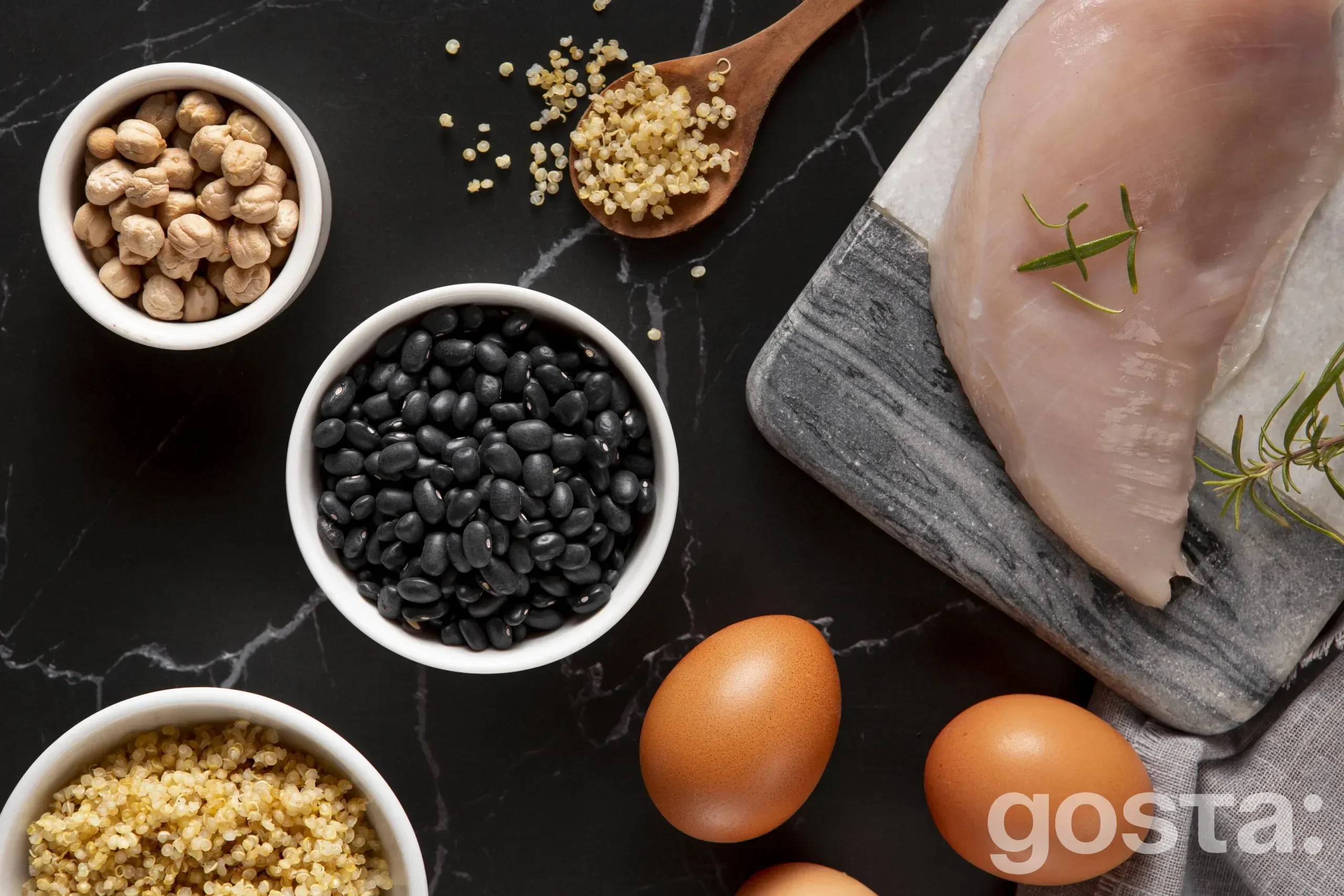
What gets in the way:
- lots of milk and dairy in the same meal as iron-rich foods;
- the habit of drinking strong coffee or tea with meals;
- too much fresh white bread, heavy smoked foods, very salty or spicy dishes;
- coffee or tea right after taking iron supplements (if prescribed).
If your hemoglobin is low and you're adding iron-rich foods, try:
- limiting heavy pork and smoked foods and choosing lighter proteins;
- not mixing dairy with liver, meat, legumes in the same meal (eat dairy 1.5–2 hours later);
- replacing some coffee and tea with fruit or berry drinks.
This way you don't give up your favorite foods, but you let iron-rich foods do their job.
A Simple Daily Menu with Iron-Rich Foods
Once you know which iron-rich foods to use, the next step is to build a normal day of meals. It's not a strict diet–it's a habit: every meal should include at least one source of iron.
Example menu:
- Breakfast. Oatmeal or buckwheat cooked in water with berries and a handful of almonds or pumpkin seeds; a piece of dark chocolate or fruit on the side. You combine whole grains, plant-based iron-rich foods, and vitamin C.
- Lunch. Beef or turkey stewed with vegetables, plus a salad of cabbage, bell pepper, and greens with lemon dressing. That's heme iron and vegetables that help absorption.
- Snack. Chickpea hummus with lemon juice and olive oil, with whole-grain crackers or carrot and celery sticks. Legumes, sesame (if there's tahini), and acidity work together.
- Dinner. Baked fish (salmon or another fatty fish) with baked sweet potato or potatoes and a spinach salad. Iron, good fats, and fiber in one plate.
You can add more iron-rich foods to this routine: liver pâté on whole-grain bread, bean salads, dried apricots or raisins in oatmeal or homemade snacks. Don't rely on one food–spread sources through the day.
When Iron-Rich Foods Aren't Enough and You Need a Doctor
There's an important point: even if you add iron-rich foods every day, that alone may not fix significantly low hemoglobin. Food works well for prevention, mild deficiency, and maintaining healthy levels.
If tests already show anemia, treatment is needed. A doctor prescribes iron supplements and vitamins (B12, folic acid) based on age, health, and the cause of deficiency. Don't buy multivitamins "just in case"–they usually contain preventive doses, not therapeutic ones.
People who need extra attention:
- kids and teens who get tired easily and struggle with focus;
- women with heavy periods;
- pregnant and breastfeeding women;
- people with chronic digestive issues;
- regular blood donors;
- athletes with heavy training loads.
For these groups, iron-rich foods are the base. A specialist decides about testing and treatment. That way you don't waste time or hide a real problem behind "eating more liver."
Iron-Rich Foods: Small Daily Steps Toward Stable Hemoglobin
Keeping hemoglobin at a healthy level isn't a one-time fix–it's a daily habit. Whether your diet has iron-rich foods affects your energy, focus, stamina, learning in kids and teens, pregnancy outcomes, and long-term health risks.
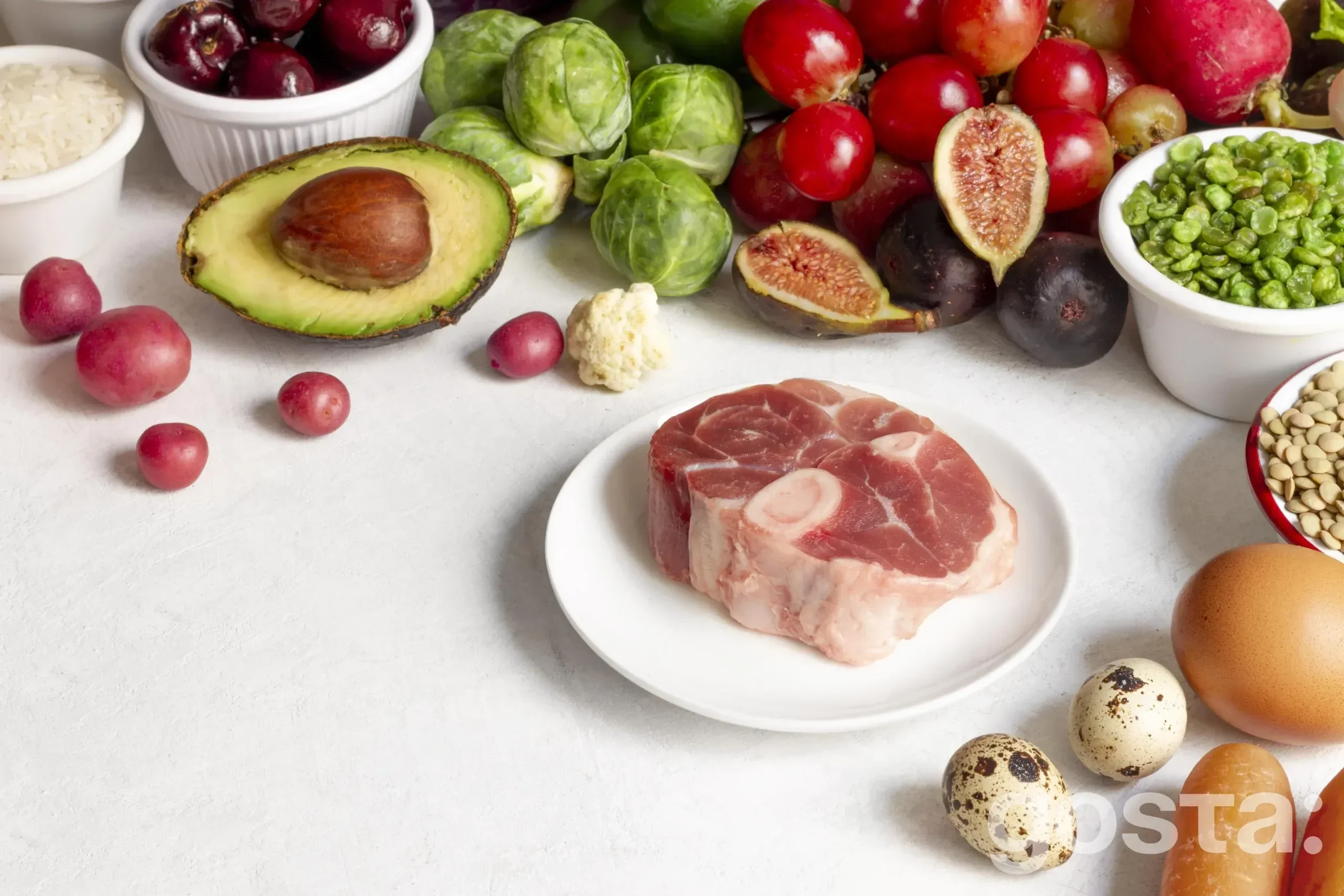
It's easier than it seems to make your diet hemoglobin-friendly. Regularly include meat, fish, organ meats, legumes, whole grains, seeds, nuts, leafy greens, and vegetables. Don't just choose iron-rich foods–pair them with vitamin C sources, space out dairy and caffeine, and avoid too many heavy, greasy dishes.
If you notice symptoms of iron deficiency or haven't checked your bloodwork in a while, do it and talk to your doctor. Then keep the result with a daily plate where iron-rich foods have a steady place.
Frequently Asked Questions About Iron-Rich Foods
What Are the Main Symptoms That Suggest My Diet May Lack Iron?
The most common are constant tiredness, pale skin, feeling cold, shortness of breath even with light activity, and a fast heartbeat. You might also see brittle nails, hair loss, cracked corners of the mouth, and unexplained bruises. If you notice several of these signs, get blood tests and check whether your diet includes iron-rich foods.
Can I Raise Low Hemoglobin Through Diet Alone?
If it's a mild deficiency, sometimes a smarter diet with regular iron-rich foods and vitamin C is enough. With clear anemia, food alone usually isn't enough – the doctor will prescribe iron supplements.
Which Iron-Rich Foods Are Best for Children?
Small portions of beef, turkey, liver, fish, plus legumes, buckwheat, oatmeal, leafy greens, and dried fruit. It's important that iron-rich foods show up often in familiar dishes – soups, stews, porridges – not as something forced.
What If I Don't Eat Meat but Want a Healthy Hemoglobin Level?
Then your base is plant-based iron-rich foods: legumes, tofu, whole grains, seeds, nuts, leafy greens, spinach, tomatoes, and dried fruit. Combine them with citrus, berries, and vegetables rich in vitamin C, and keep your diet varied.
When Should I See a Doctor if I've Already Added Iron-Rich Foods?
If tiredness, shortness of breath, fast heartbeat, dizziness, or other symptoms stay even after diet changes, don't wait. Also see a doctor if you're in a higher-risk group – a child, teen, pregnant woman, donor, or someone with digestive conditions. A doctor will check the cause, read your tests, and decide whether iron-rich foods are enough or treatment is needed.