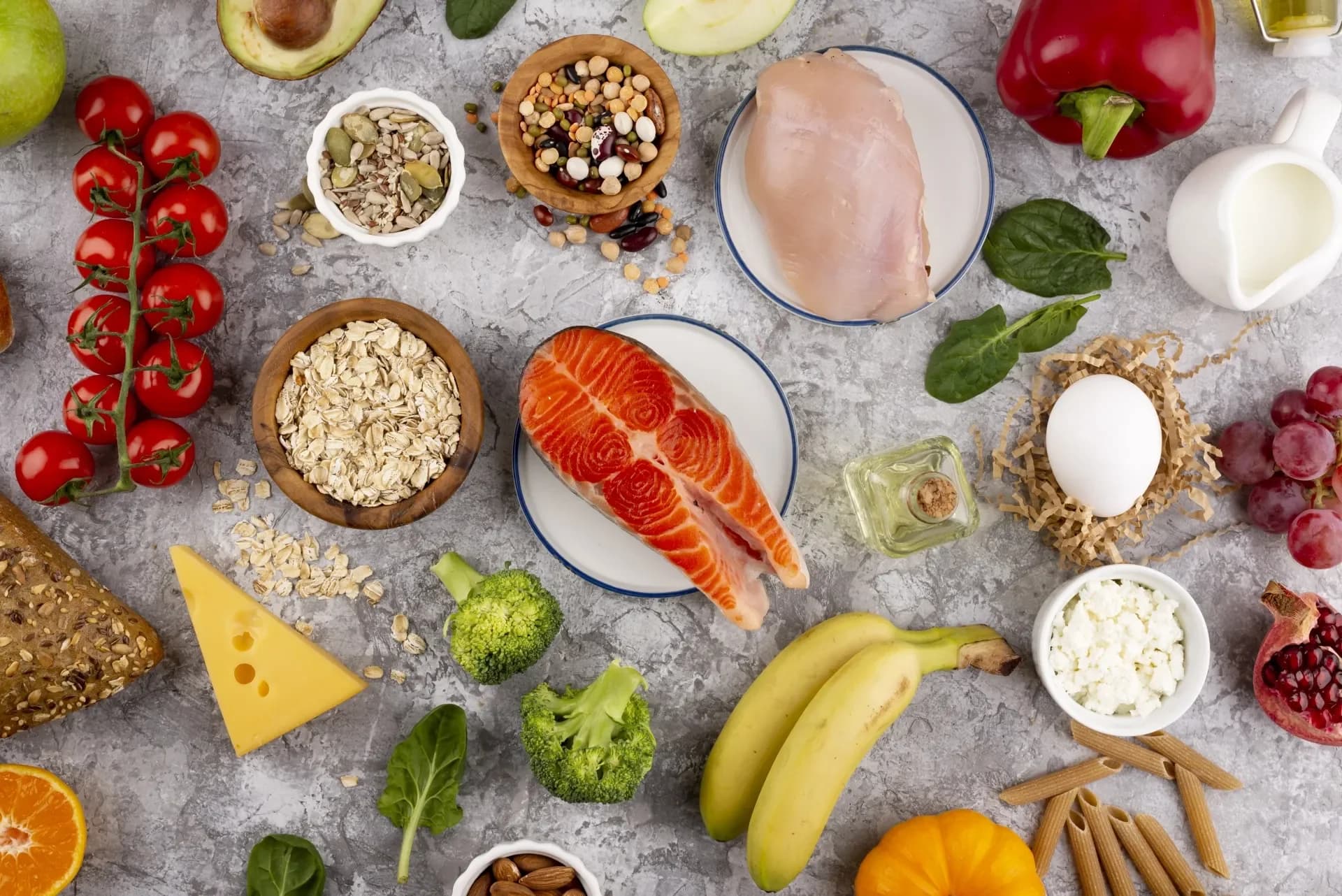
The word "superfood" is often used in advertising, but for nutritionists it's not magic. It's food with a high density of nutrients. A superfood gives a lot of benefits in every spoon or bite and truly affects brain function, memory, focus, and mood. For a schoolchild, a superfood is not just vitamins on a label, but a real ability to stay focused longer in class and recall material more easily during tests.
You can roughly recognize a brain superfood by a few signs. It's a product with a natural composition, without a long list of additives, that combines protein, healthy fats, vitamins, minerals, antioxidants, or probiotics. A superfood doesn't have to be exotic. Often it's familiar foods like fish, eggs, nuts, berries, or simple greens. What matters is that a superfood works long term and doesn't give a quick "sugar high" followed by a crash an hour later.
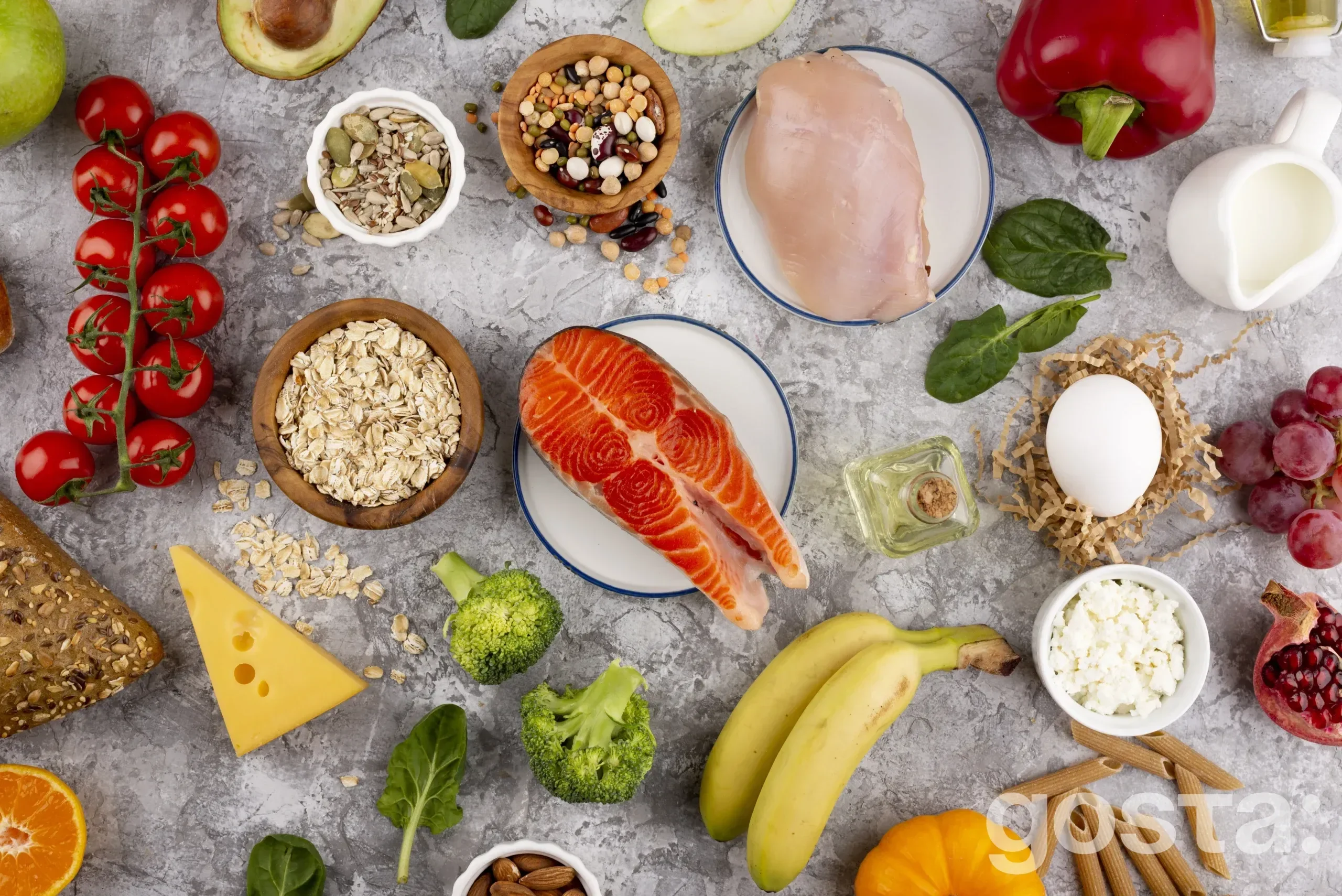
For a child's brain, superfoods are especially valuable during periods of intense learning: first grade, the transition to middle school, or exam preparation. During these months, more is demanded from the child, while sleep and rest often suffer. When there's at least one superfood on the plate regularly, the nervous system has a better chance to keep up without constant complaints about headaches, fatigue, and "I can't remember anything."
How Superfoods Fit into a Schoolchild's Diet
Superfoods don't work in isolation. It matters how they fit into the overall diet. If the day starts with sugary cereal, continues with cookies and buns, and ends with fast food, even the most expensive superfood won't offset the constant strain on blood vessels and the nervous system. But when a superfood appears in every meal, the child gets steady fuel instead of energy swings.
Nutritionists suggest looking at the plate like a construction set. There should be a source of protein, complex carbs, healthy fats, fiber, and ideally a fermented component. A superfood can fill each of these roles: fatty fish or eggs, oats or buckwheat, walnuts or seeds, spinach or broccoli, natural yogurt. If at least one superfood shows up on the plate in the morning, afternoon, and evening, that's already a strong step forward.
At the same time, a superfood doesn't need to be "special kids' food." It's much more effective when the whole family eats fish, vegetables, grains, and fermented foods, not just the schoolchild "for memory." That's how superfoods become part of a normal lifestyle, not a temporary "before exams" fix. In this mode, superfoods give long-term results: better learning, calmer reactions to stress, and fewer sugar cravings.
10 Superfoods for Memory and Focus: A Quick Guide
Before breaking the menu down step by step, it helps to see which foods doctors most often call "brain superfoods." This is not a complete list of all healthy foods, but these 10 options appear most often in research on cognitive function and attention. Each superfood has its own "specialty": one supports neurons, another improves blood flow, a third helps gut health.
Ten Core Brain Superfoods for Schoolchildren
Each of these items is not a trend but a superfood with benefits backed by research. What matters is that you can adapt superfoods to a child's taste and routine. Some kids prefer salmon as a spread, others as a piece with a side dish. Some like blueberries in smoothies, others frozen berries with porridge. When parents look for a convenient format instead of a perfect picture, superfoods become habits faster.
How Each Superfood Works: From Fish to Chocolate
Fatty fish is a classic brain superfood. It contains DHA, an omega-3 fatty acid that becomes part of neuron membranes. When this superfood appears in the menu at least twice a week, it's easier for a child to stay focused longer instead of "burning out" mid-lesson. Fish also provides vitamin D and iodine, which affect mood, energy, and thyroid function.
Eggs are another basic superfood. The choline in egg yolks is needed to produce acetylcholine, a neurotransmitter responsible for memory. When egg-based superfoods are part of breakfast, the child's brain gets both protein and the raw material for nerve cell work. Walnuts and other seeds complement this pair by supplying healthy fats, vitamin E, magnesium, zinc, and plant-based omega-3s that protect cells from stress.
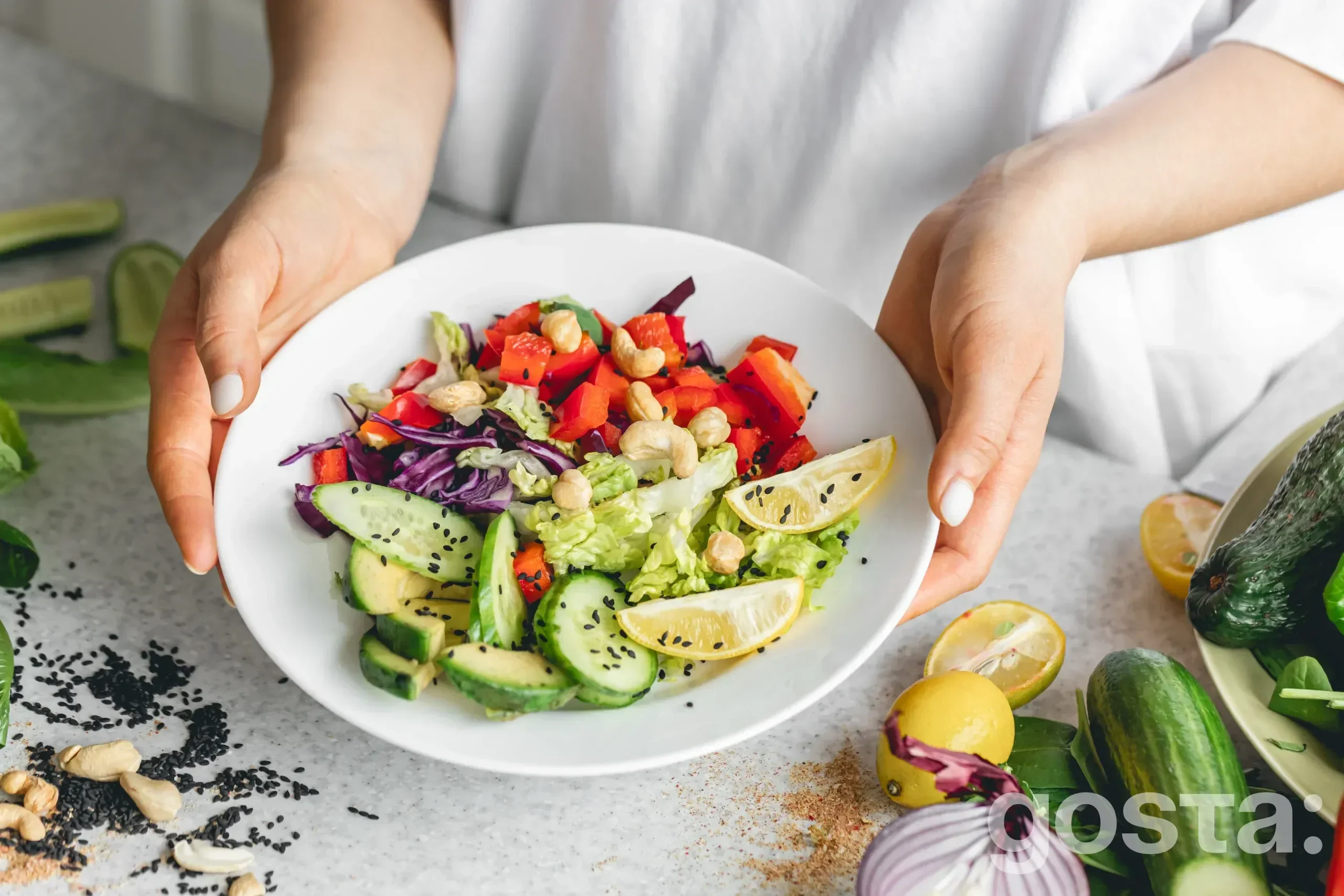
Berries and greens are superfoods in another dimension. Blueberries, bilberries, and currants contain anthocyanins that improve blood flow in the brain and support new neural connections. Spinach, broccoli, and different types of cabbage provide folate, vitamins K, C, and E, plus antioxidants. When berry and green superfoods appear regularly, the child gets strong protection against oxidative stress that comes with studying and a busy schedule.
Whole grains, fermented foods, dark chocolate, and avocado complete the picture. Oats, buckwheat, and brown rice as superfoods give "slow" energy the brain needs to get through a school day. Yogurt and kefir support gut health and, in turn, mood and motivation. Dark chocolate and avocado in small portions add flavonoids and magnesium that help soften stress. In the end, superfoods work as a system, not alone. The brain gets fuel, protection, and nervous system support.
A Day Menu: How to Add Superfoods to Every Meal
One of the most common complaints from parents is, "It looks good on paper, but not in real life." To show it's possible without culinary training, it helps to break the day into simple combinations. The idea is simple: every meal should include at least one superfood, ideally two or three if portions are small and the child is comfortable with it.
Example of a Simple "School Day" with Superfoods
This day doesn't have to be "perfect" every day. But if the diet comes close to this pattern a few times a week, superfoods start working as routine support, not a one-time fix.
You can swap dishes, try different grains, fish, and berries, but the logic stays the same: every plate has a superfood, sometimes two or three. That's an approach that really affects memory and focus, not just looks good in recommendations.
Which Foods Reduce the Effect of Superfoods
Superfoods work better when daily doses of salty, sugary, and overly fatty foods don't get in the way. Too much salt slows blood flow and adds extra strain on brain vessels. A lot of added sugar causes sharp glucose spikes: after a short boost, the child becomes sluggish, irritable, and looks for more sweets, even if superfoods are present. Trans fats from fast food and cheap baked goods damage blood vessels and increase inflammation.
It helps to honestly look at what the child eats between meals with superfoods. Chips, crackers, salty snacks, sugary sodas, energy drinks, constant croissants, and pastries all compete with superfoods for the body's attention.
In practice, every bag of snacks or large soda takes away a chance for superfoods to show their full potential.
- Limit ready-made sauces high in salt and sugar.
- Buy fewer sugary industrial drinks and replace them with water or homemade compote.
- Cut back on fast food and replace it with homemade versions.
- Watch out for industrial baked goods with long shelf lives.
When these foods gradually move to the background, even familiar superfoods start working more noticeably. The child has fewer energy crashes, asks for sweets less often, and superfoods from fish, eggs, grains, vegetables, and berries get a real chance to help in a more balanced diet.
How to Help a Child Like Superfoods
In theory, almost everyone agrees superfoods are healthy. In practice, parents hear protests: "I don't like fish," "I don't want broccoli," "Yogurt is boring." It's important to remember that a child reacts not only to the taste of a superfood, but also to the atmosphere around food. If every plate with fish or vegetables comes with pressure, superfoods quickly become associated with conflict.

A different approach works better: calm, small portions, and choice. Let the child choose which superfood they want for breakfast, oats or buckwheat, blueberries or strawberries, yogurt or kefir. When a schoolchild feels some control over the menu, superfoods stop feeling like punishment. Shopping and cooking together also help. The child puts nuts or berries in the basket and then adds that superfood to their own plate.
Another key point is adult example. If parents push away a plate of fish but demand the child "eat superfoods for memory," success is unlikely. When superfoods are on the parents' plates too, resistance gradually drops. Add normal presentation, nice plates, interesting cuts, colorful combinations, and superfoods become part of everyday life, not a medical prescription.
Superfoods Are an Investment in Learning, Not a Trend
In short, superfoods are not a trendy buzzword but a practical tool to support a child's brain. Fatty fish, eggs, nuts, berries, greens, whole grains, fermented foods, seeds, dark chocolate, and avocado all support memory and focus in different ways. When at least one superfood appears in every meal, the child gets not only energy, but also building material for neurons, stress protection, and gut support.
Superfoods don't replace sleep, outdoor time, live communication, or reasonable academic demands. But without them, it's much harder for the brain to handle the load that's now considered normal for schoolchildren. If you gradually shift the diet toward more superfoods and less fast food, sugary drinks, and snacks, grades, mood, and stamina often improve without extra "motivational" efforts.
Frequently Asked Questions About Superfoods for Memory and Focus
Can Superfoods Be Replaced With Vitamin Supplements From the Pharmacy?
No. Vitamin supplements may be needed in some cases when prescribed by a doctor, but they don't fully replace what superfoods provide: the combination of protein, fiber, healthy fats, antioxidants, and natural micronutrients. It's best to improve the diet first and add supplements only if needed.
How Many Times a Week Should a Child Eat Fish?
Most recommendations suggest 2–3 servings of fatty fish per week. If a child doesn't like fish, start with neutral dishes like patties, blended soups, or pasta, and gradually increase fish in the menu while also using other superfoods.
Aren't Nuts Too High in Calories, Even if They're Superfoods?
Nuts are calorie-dense, but a small handful per day is a normal and healthy portion for a child. This superfood provides unsaturated fats, vitamin E, magnesium, and zinc. Excess weight is much more often linked to sugary drinks, fast food, and baked goods, not nuts.
What if a Child Refuses Vegetables, Even if They're Superfoods?
Small steps work best. Add vegetables to blended soups, casseroles, or smoothies, pair them with favorite foods, and don't turn meals into battles. Regular small portions work better than rare attempts to "force a salad."
If Superfoods Are Already in the Diet, Can Fast Food and Desserts Be Allowed Sometimes?
Yes, as long as superfoods remain the base of the diet and fast food and desserts are occasional exceptions. If it's the other way around, the benefits will be minimal. The best strategy is to make superfoods the norm, not a special attraction.