Botulism is one of the most dangerous food poisonings. It's hard to treat and poses a real threat to life. The tricky part is that infection happens unnoticed – through homemade food or poorly stored products. Let's look at what botulism is, how infection happens, and what prevention steps can help avoid it.
Read also: How to recognize food poisoning?
What Is Botulism and Why Is It Dangerous?
Botulism is caused by a toxin made by the bacterium Clostridium botulinum. This bacterium lives without oxygen and forms spores. Spores survive high heat, drying, and disinfectants. They can stay in soil, water, dust, and plants for years.
When conditions are right – +25…+37 °C, moisture, no air – spores grow. In sealed jars, smoked fish, or sausages, bacteria multiply and produce botulinum toxin.
Botulinum toxin is one of the strongest poisons in the world. It blocks nerve and muscle function. A person loses the ability to swallow, see, and breathe. Even a tiny dose can kill.
First signs appear quickly: nausea, vomiting, stomach pain, dizziness. It feels like food poisoning. Then more serious symptoms show up:
- vision problems (double vision, blurred sight);
- dry mouth, trouble swallowing;
- muscle weakness spreading from face to body;
- breathing difficulties in severe cases.
Without treatment, the disease progresses fast. Death can occur from respiratory failure.
How Botulism Spreads
Botulism is poisoning by the toxin. It does not spread from person to person. The main danger comes from food stored warm and without air. These are perfect conditions for bacteria. Most infections are linked to:
- homemade canned mushrooms, fish, meat;
- sausages or meat stored the wrong way;
- dried or smoked fish.
There is also wound botulism, when spores enter a wound and grow under a tight bandage without air.
Rare cases in babies under one year are linked to honey. Honey sometimes contains spores, which adults can neutralize, but infants cannot.
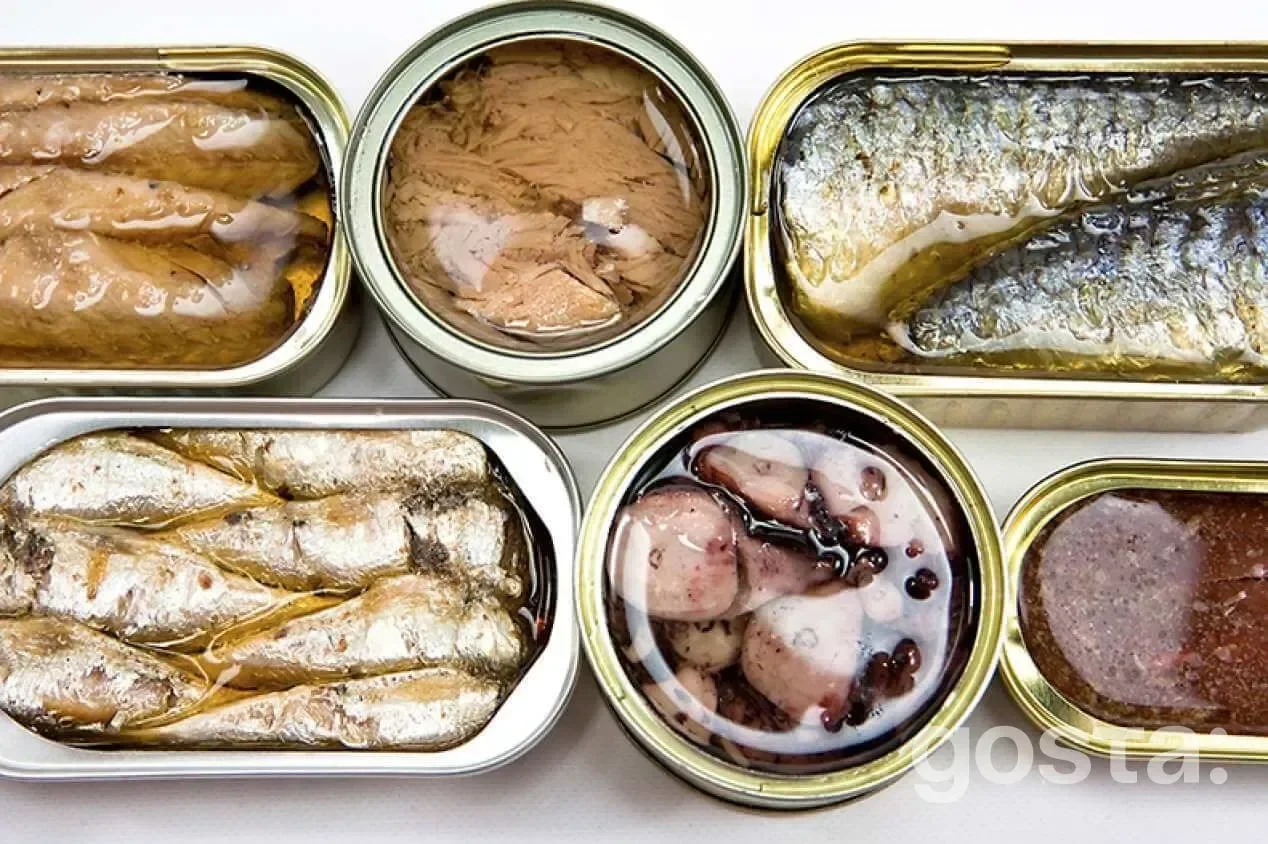
Botulism: How to Avoid Poisoning
It's much easier to prevent botulism than to treat it. Treatment is complicated and not always successful, but prevention works. Follow simple safety rules:
- Don't eat food with a strange look or smell. Throw away any swollen jars.
- Follow safe canning practices. Sterilize and cook long enough.
- Don't buy homemade preserves or smoked/dried fish at street markets.
- Store food correctly. The fridge slows bacteria but does not destroy the toxin.
- Never give honey to babies under one year.
These steps greatly lower the risk of illness.
How to Recognize Botulism: Main Symptoms
Early symptoms look like food poisoning or stomach flu. But botulism has specific signs because it affects the nervous system, not just the stomach.
Usually symptoms appear 12–24 hours after eating contaminated food, sometimes up to 3 days. The earlier they start, the more severe the illness.
Main symptoms:
- Vision problems: double vision, blurred sight, trouble focusing.
- Trouble speaking and swallowing: nasal voice, slurred words, hard to swallow even water.
- Dry mouth: no saliva, very uncomfortable.
- Muscle weakness: starts in neck and shoulders, then spreads down. Hard to hold up the head or lift arms.
- Breathing problems: the most dangerous sign, showing the breathing muscles are affected.
Unlike stomach infections, fever is rare. Vomiting or diarrhea may be brief. Neurological symptoms keep getting worse.
The key combination is vision, speech, and swallowing problems without fever – this points to botulism.
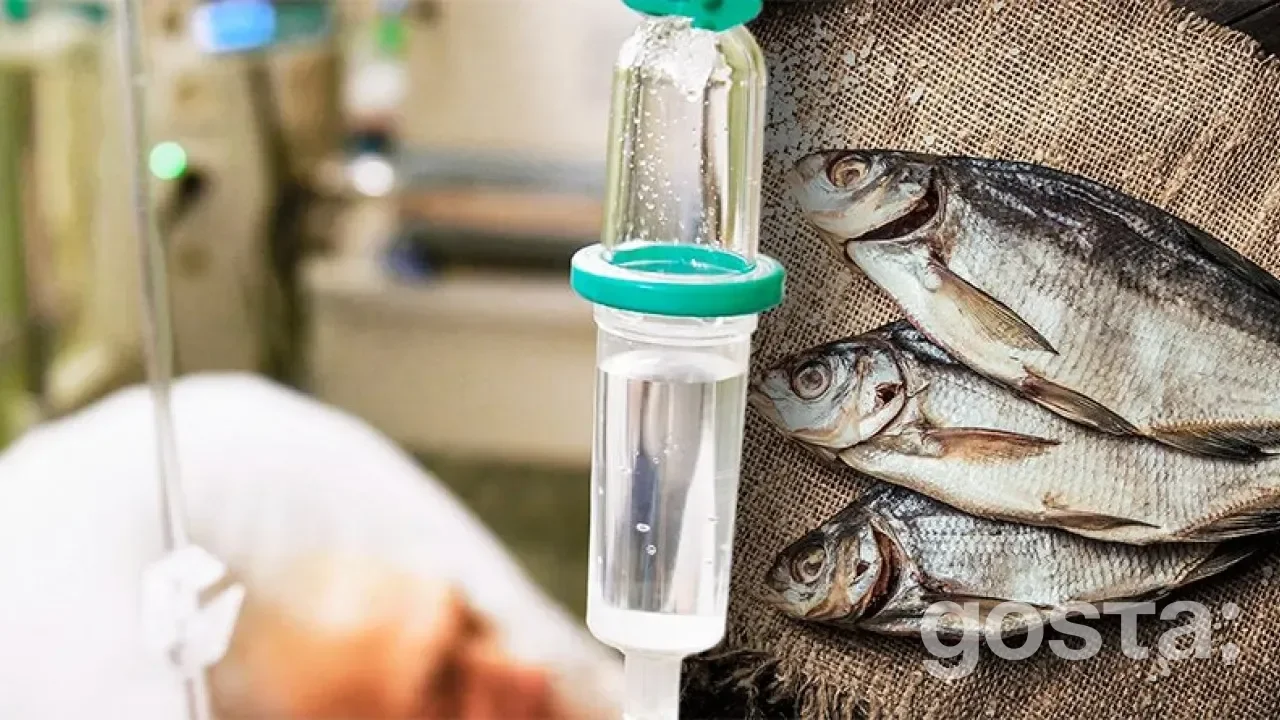
What to Do If You Suspect Botulism
Noticed vision problems, weakness, or trouble breathing or swallowing? Go to a doctor immediately. While waiting, think about what food could be the source and warn your family.
Do not try to treat yourself at home. Only a hospital can provide the special antitoxin.
You can take a sorbent before hospital care, but it is not treatment and does not replace the antitoxin. Botulism is deadly. The sooner treatment begins, the higher the chance of survival.
Why Botulism Is Dangerous and Which Foods Are Risky – Video
Botulism is very dangerous, yet many people don't know what it is or how you can get it. Watch this video to learn more:
Conclusion
Botulism is poisoning caused by the toxin of Clostridium botulinum. It doesn't change the look, smell, or taste of food. Key symptoms are vision, speech, swallowing, and breathing problems. Treatment is only possible in hospital with an antitoxin. The best protection is safe canning and avoiding suspicious food.
Frequently Asked Questions
Can You Tell if Food Has Botulism by Smell or Taste?
No. The toxin has no smell, taste, or color. Food may look and smell normal. You can't detect the danger by eye.
Does Boiling Destroy the Toxin?
Yes, the toxin is destroyed after boiling for 10–15 minutes. But the spores survive. They need over 120 °C in a pressure cooker to be killed.
How Is Botulism Different From Regular Food Poisoning?
Food poisoning causes nausea and diarrhea that pass quickly. Botulism causes vision, speech, swallowing, and breathing problems. That's the key difference.
Which Organ Does Botulism Affect?
The toxin attacks the nervous system. It blocks signals from nerves to muscles. Breathing muscles are affected first.