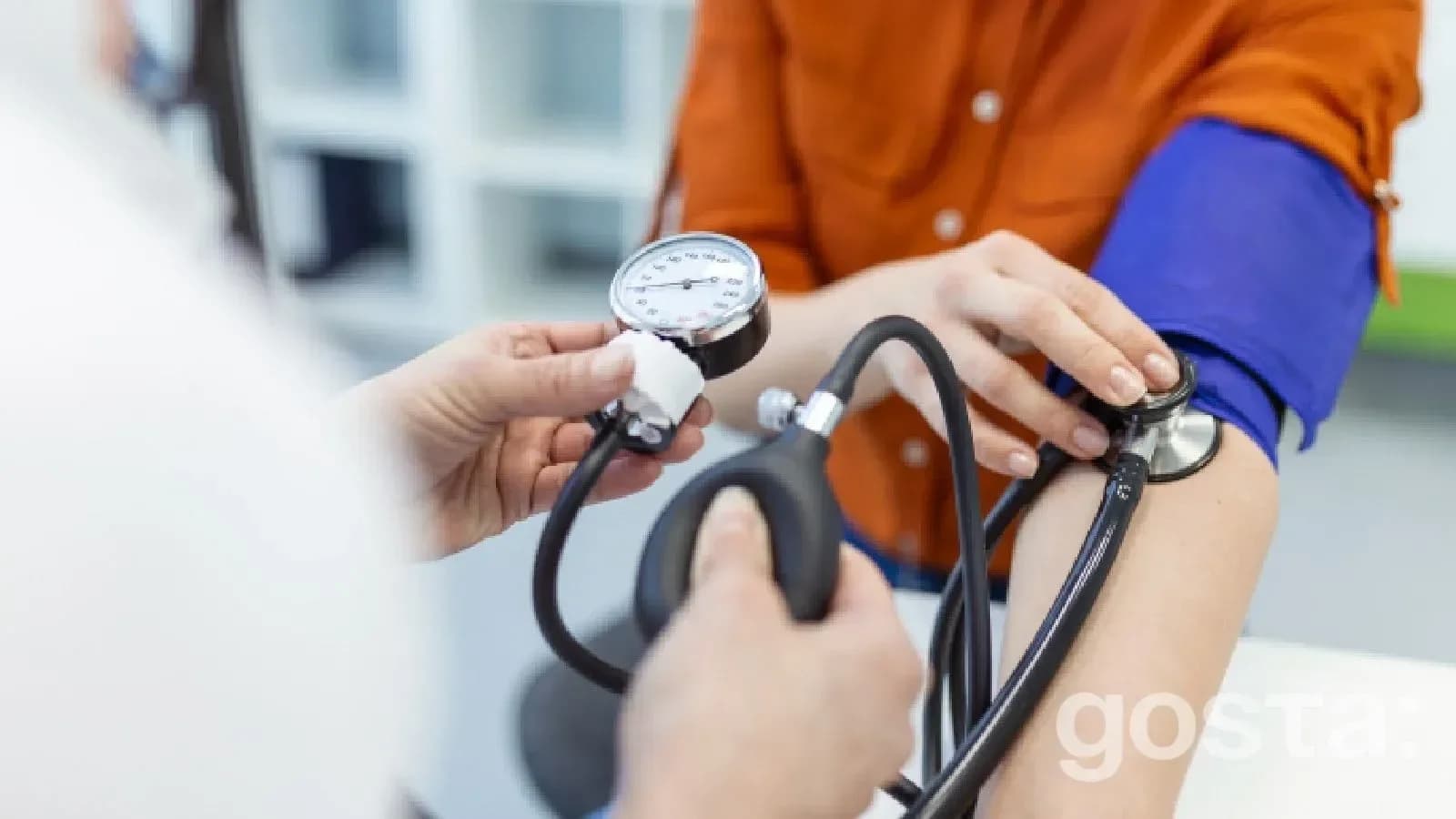
Hypertension is high blood pressure. Today, it is one of the most common diseases worldwide. It often develops without noticeable symptoms but damages the body for years. According to the WHO, nearly one in three adults has elevated blood pressure, and many don't even realize it. That's why hypertension is called the "silent killer." It doesn't always cause symptoms, but it significantly increases the risk of heart attack and stroke.
What Is Hypertension
Let's start from the very beginning. What exactly is hypertension? How is it connected to blood pressure and the heart?
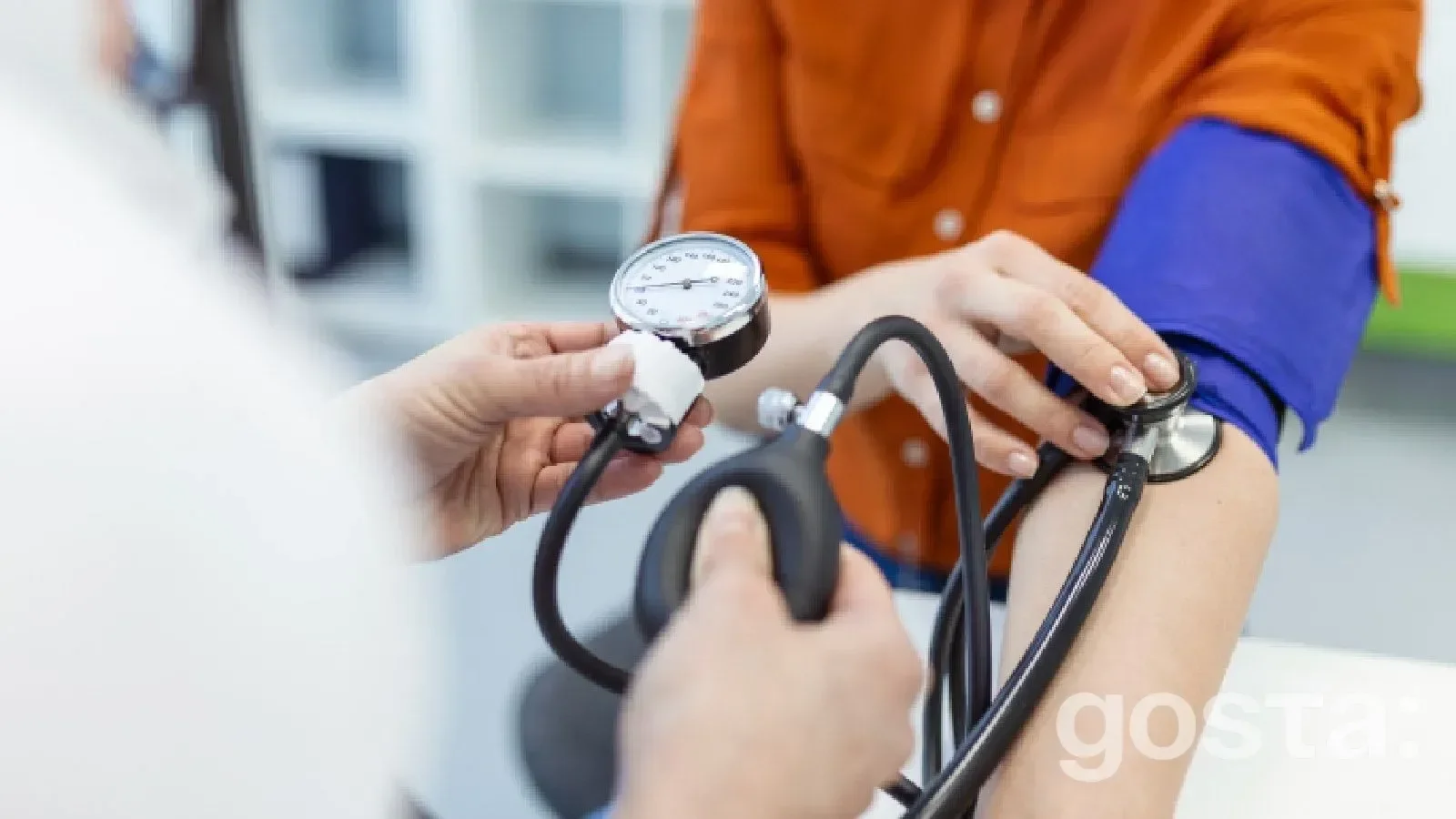
Blood pressure is the force of blood pushing against the walls of the blood vessels. It is generated by the work of the heart and blood vessels. It is measured in millimeters of mercury (mmHg) and recorded with two numbers, for example, 120/80 mmHg:
- The first number is the systolic pressure — the force when the heart contracts.
- The second number is the diastolic pressure — when the heart is relaxed.
Normal blood pressure is about 120/80. Hypertension is usually diagnosed when pressure consistently stays above 140/90. There are two main types:
- Primary (essential) hypertension – develops without a single clear cause but under the influence of many factors.
- Secondary hypertension – caused by other health problems, such as kidney disease, hormonal disorders, or congenital blood vessel defects.
Main Causes of Hypertension
Primary hypertension develops gradually. Over the years, various factors affect the blood vessels and heart. The most common causes include:
- Heredity. If your parents or close relatives had high blood pressure, your risk increases.
- Kidney problems. The kidneys help regulate the body's salt and water balance. If they don't work properly, blood pressure can rise.
- Changes in blood vessels. With age, artery walls lose elasticity and become stiff.
- Hormonal disorders. Some endocrine diseases cause persistently high blood pressure.
- Excess salt in the body. Salt retains water, increasing blood volume and pressure on vessel walls.
- Chronic stress. Stress hormones narrow the vessels and make the heart beat faster.
Secondary hypertension has a specific cause. For example, it can be due to:
- Adrenal gland tumors.
- Narrowing of the kidney arteries.
- Side effects of certain medications.
Hypertension and Major Risk Factors
Causes and risk factors are not the same. Causes directly trigger hypertension. Risk factors are conditions or habits that increase the chance of developing it. They fall into two groups:
Non-modifiable factors — those we cannot change:
- Age. The older a person is, the higher the risk.
- Genetics. Family history of high blood pressure increases the risk.
- Sex. Men are more likely to develop hypertension at a younger age, but after menopause, women catch up.
Modifiable factors — those we can influence:
- Excess weight. The heart has to pump more blood to supply oxygen to tissues.
- Poor diet. Too much salt, fatty, and processed food harms blood vessels.
- Sedentary lifestyle. Weakens muscles and the heart, reduces vessel elasticity.
- Smoking and alcohol. Both damage blood vessels and affect blood pressure.
- Chronic stress and lack of sleep. Keep the body in constant "fight or flight" mode, raising pressure.
How Hypertension Develops – In Simple Terms
Imagine your blood vessels as water pipes. If pressure in the system increases, water flows faster but wears out the pipes sooner. The same happens with blood vessels. When they lose elasticity, the heart has to pump harder. If excess fluid is retained in the body, blood volume rises — and so does the pressure. Over time, the heart becomes overworked, and vessel walls thicken and stiffen. This creates a vicious cycle that worsens without treatment.
Why Hypertension Is Dangerous
High blood pressure almost never causes unpleasant sensations. It may seem like just numbers on a monitor, but in reality, it's a serious threat to life.
Here's what can happen if you ignore it:
- Stroke – a blood vessel in the brain bursts or gets blocked.
- Heart attack – the heart muscle doesn't get enough blood.
- Heart failure – the heart becomes weak and can't pump blood effectively.
- Kidney problems – kidneys fail to function properly.
- Vision loss – caused by small hemorrhages in the retina.
The most dangerous thing about hypertension is that it can cause no noticeable symptoms for years. Blood pressure rises while a person feels fine — until a crisis happens.
How to Reduce the Risk of Hypertension
The risk of developing hypertension may seem inevitable. But the good news is that many factors are under our control.
- Be more active. You don't have to run a marathon — 30 minutes of brisk walking daily is enough.
- Reduce salt intake. Replace it with spices and herbs when possible.
- Eat more fruits and vegetables. They're rich in potassium, which helps balance blood pressure.
- Maintain a healthy weight. Every extra pound puts more strain on the heart.
- Quit smoking and limit alcohol. It's not easy, but the benefits are huge.
- Manage stress. Meditation, hobbies, and walks all help.
- Monitor your blood pressure regularly — even if you feel fine.
Hypertension: Causes, Symptoms, and Treatments – Video
Hypertension is a stealthy and potentially dangerous condition. If it's not detected in time, complications can occur. To learn more, watch the video:
Conclusions
Hypertension does not come suddenly. It creeps up quietly, step by step. It is much easier to stop it at the start. It is much more difficult to deal with the consequences. You just need to check your blood pressure in time, listen to your body, and make a few lifestyle changes. The risks will immediately decrease significantly. A regular home blood pressure monitor and attentiveness to yourself can keep you healthy.
Answers to Frequently Asked Questions
What Is the Difference Between Hypertension and High Pressure?
Hypertension is the medical term for high blood pressure. Hypertonia is a broader term. It means increased tone, including in muscles or blood vessels. In everyday life, these words are often used synonymously when talking about blood pressure.
What Does 140 Over 90 Mean?
This is the boundary between normal and high blood pressure. If this figure is constant, it is a sign of hypertension. Your doctor may recommend lifestyle changes or treatment.
What Should I Take for Hypertension?
Medications are prescribed only by a doctor. These can be diuretics, beta-blockers, ACE inhibitors, or other drugs. Self-medication is dangerous because each case is individual.