Cholesterol — it's a word we often hear in the doctor's office, and it can look scary on blood test results. But it's not all bad. Cholesterol is actually a substance our body needs — it helps make cells, hormones, and vitamin D. The real problem starts when there's too much "bad" cholesterol. That's when it starts building up in your blood vessels, raising the risk of heart disease. Let's break down how you can lower cholesterol just by changing your diet.

Why Lowering Cholesterol Matters
To live a long and healthy life, you need to know how to manage your cholesterol. The biggest risk of high cholesterol is atherosclerosis — when too much LDL (the "bad" cholesterol) sticks to your artery walls, making it harder for blood to flow. This can lead to:
- Heart attack;
- Stroke;
- High blood pressure;
- Memory and focus issues;
- Erectile dysfunction (in men).
On the flip side, HDL (the "good" cholesterol) actually helps clean out your arteries. So the goal isn't just to lower cholesterol overall — it's to keep the right balance.
Related: What is urethritis, and how do you treat it?
Why Cholesterol Levels Go Up
Here are the main causes of high cholesterol:
- Eating too much fatty food, fast food, or trans fats.
- Sitting too much or not moving enough.
- Being overweight.
- Stress.
- Smoking and drinking alcohol.
- Genetics — for some people, it runs in the family.
But even if high cholesterol runs in your family, lifestyle and diet still make a big difference. Let's talk about how you can lower your cholesterol naturally — without meds.
30+ Foods That Help Lower Cholesterol
Knowing what to eat at home to lower your cholesterol can really improve your health. Try to include these foods in your daily meals to feel better and protect your heart.
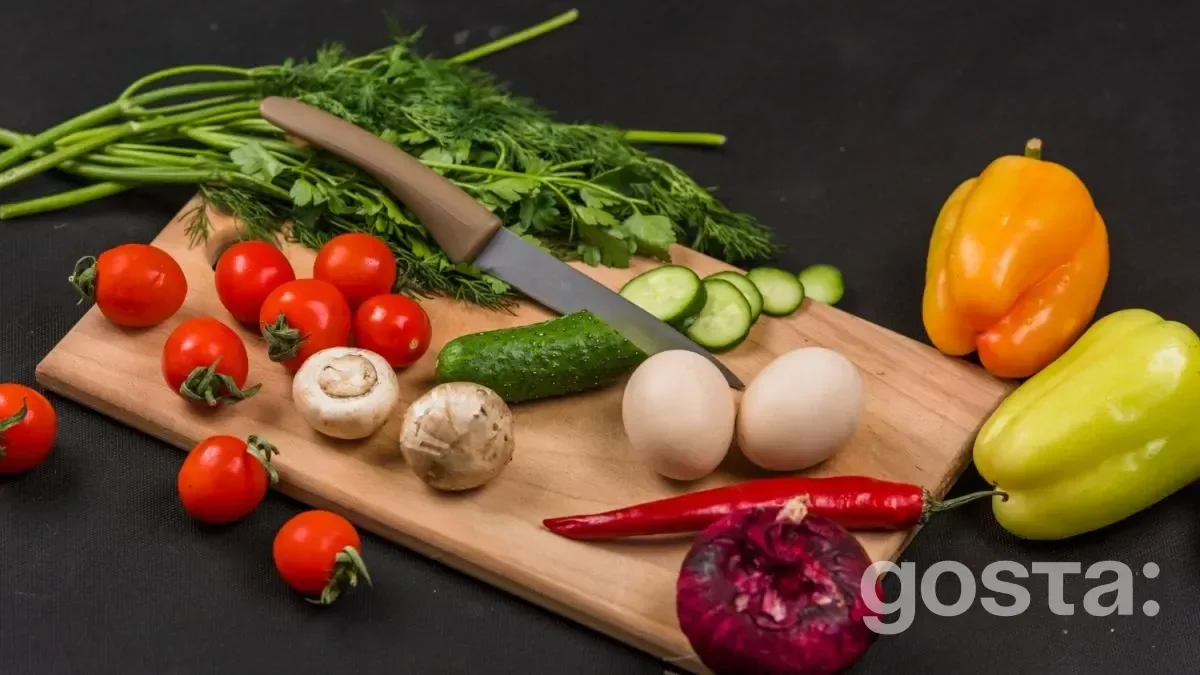
Veggies & Greens
- Broccoli – Full of fiber. Helps flush out extra cholesterol. Also rich in antioxidants that protect your blood vessels.
- Spinach – Packed with lutein. It keeps cholesterol from sticking to your arteries.
- Cauliflower – Contains sulforaphane. This helps clean your arteries and fights inflammation.
- Eggplant – High in soluble fiber. That helps lower your "bad" cholesterol.
- Brussels sprouts – Loaded with glucosinolates. These help your body handle fats better.
- Avocado – Full of healthy fats. It raises your "good" cholesterol and lowers the "bad."
- Tomatoes – Rich in lycopene. It helps reduce LDL cholesterol.
- Carrots – A great source of pectin. That fiber helps remove extra cholesterol from your body.
- Roasted beets – Contain betaine. This supports liver health and fat metabolism.
- Celery – A natural diuretic. It lowers blood pressure and improves blood flow.
Fruits & Berries
- Apples – Loaded with pectin. Helps lower LDL and supports digestion.
- Oranges – Packed with vitamin C and soluble fiber. These reduce fat absorption.
- Grapefruit – Contains special compounds. They improve your blood fat levels.
- Blueberries – Rich in antioxidants. They stop cholesterol from oxidizing. That means less plaque.
- Blackcurrants – High in polyphenols. They fight inflammation and strengthen blood vessels.
- Pomegranate – Full of tannins. These help prevent cholesterol buildup.
- Grapes – Especially the skin. It has resveratrol, which supports heart health.
- Kiwi – Lowers triglycerides. Helps balance fats in your blood.
- Pears – Just like apples. High in fiber and pectin that clean out your system.
Grains & Legumes
- Oats – Top source of beta-glucans. They lower LDL by up to 10%.
- Black rice – Contains anthocyanins. These protect arteries and reduce inflammation.
- Barley – Has soluble fiber. That slows fat absorption.
- Beans – Low in calories. High in protein and fiber. Keep you full and help lower cholesterol.
- Chickpeas – Rich in soluble fiber. Great for your heart.
- Lentils – Lower LDL and help control blood sugar.
- Green peas – Packed with antioxidants and plant-based protein.
Nuts & Seeds
- Almonds – Full of vitamin E and good fats. Help keep cholesterol balanced.
- Walnuts – High in omega-3s. They lower LDL and calm inflammation.
- Flaxseeds – Contain lignans and omega-3s. Great for your heart.
- Chia seeds – High in fiber and ALA. Support heart health.
- Pumpkin seeds – Rich in zinc and plant sterols. Help control cholesterol.
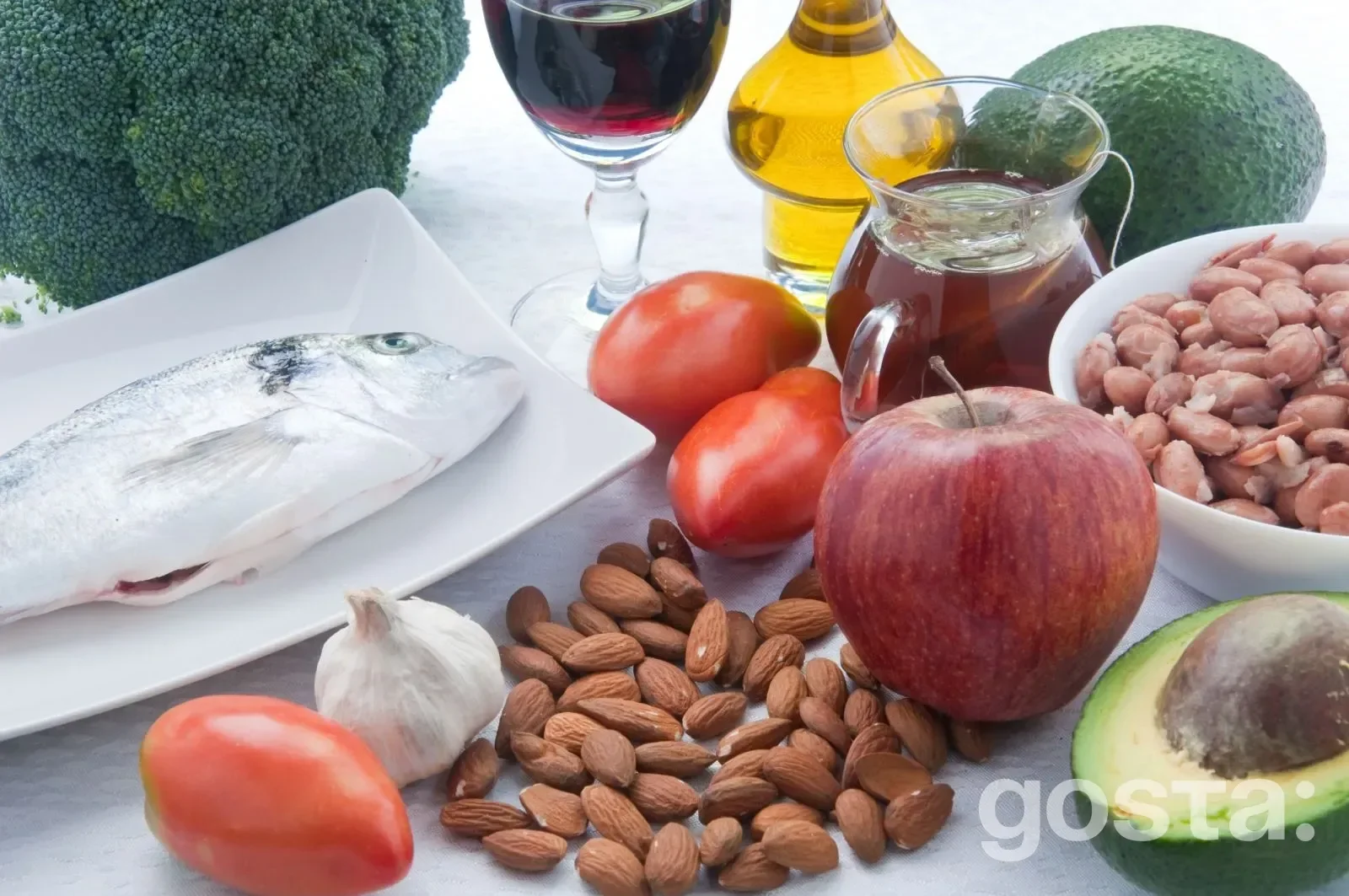
Healthy Fats (Fatty Fish and Oils)
- Salmon – Full of omega-3s that lower triglycerides and prevent plaque.
- Sardines – Small but powerful when it comes to fighting bad cholesterol.
- Herring – Has fatty acids that reduce inflammation in your arteries.
- Extra virgin olive oil – Its monounsaturated fats raise HDL and lower LDL.
Eat these foods regularly — but in moderation. Even healthy stuff can be too much if you overdo it.
General Tips to Lower Cholesterol
Here are 7 smart habits that can help keep your cholesterol in check:
- Cut out trans fats: margarine, processed cookies, and fast food are major culprits.
- Avoid frying: bake, steam, boil, or stew your food instead.
- Limit red meat: go for skinless chicken, turkey, or fish.
- Move more: even a 30-minute walk a day can help.
- Manage stress: meditation, yoga, and hobbies all work.
- Quit smoking and cut back on alcohol — it really helps your HDL levels.
- Get tested regularly — at least once a year.
High cholesterol is your body's way of saying, "Time for a change." And that change doesn't have to be painful. Swap diets for tasty meals with veggies, fish, berries, and nuts. Ditch the restrictions — build habits that actually make you feel better. Start now, and within weeks, your body will thank you. You'll see the difference — not just in test results, but in the mirror too!
FAQs
Can I lower cholesterol completely just with food, without medication?
Yes, in many cases, a healthy diet, physical activity, and lifestyle changes can improve cholesterol levels without the need for medication. This is especially true in the early stages or with moderate LDL increases. But always monitor your health with regular checkups and talk to your doctor.
Which foods raise "bad" cholesterol and should be avoided?
Avoid foods with trans fats (like margarine, fast food), fried meat, sausages, butter, fatty cheeses, and pastries with palm oil. These increase LDL and cause plaque buildup in your arteries.
How long does it take to see results after changing my diet?
You can usually see improvements in your cholesterol levels within 4–6 weeks of eating better. But for lasting results, make those changes a regular part of your life — not just a temporary fix.