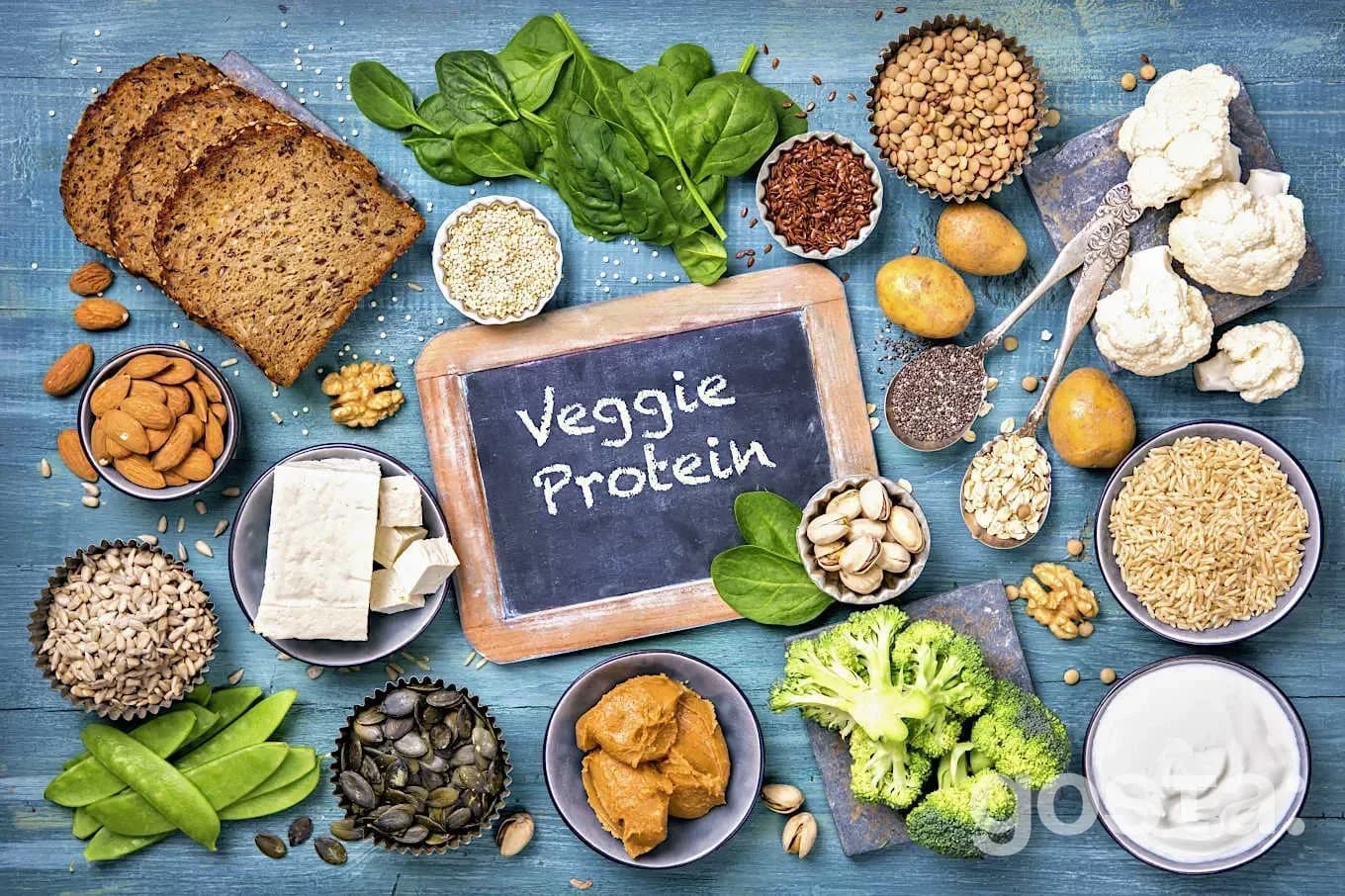
Protein is the building material for the body. It is needed for muscles, organs, and immunity. Many people think it's only found in meat or eggs. But that's not true. Plenty is found in plant-based foods. Plant proteins are useful not only for vegetarians. Everyone should include them in their diet. They are easy to digest, don't strain the kidneys, and keep you full for longer.
Is There Enough Protein in Plant-Based Food?
An adult needs about 0.8–1.2 g of protein per kilogram of body weight daily. For example, at 70 kg, that's about 60–85 g per day. Part of this can easily come from plants. Yes, plant proteins differ somewhat from animal proteins. Not all foods contain the full set of amino acids. But if you combine sources correctly, the effect is the same.
That's why it's important not to focus on just one product. It's better to combine plant foods with animal ones. That way, the benefits will be greater.
Top 10 Plant-Based Protein Foods
Plant proteins are a great alternative to animal proteins, suitable not only for vegetarians. They are rich in valuable nutrients. Many everyday foods contain more than you'd expect. Here's a selection of the 10 best sources. These foods are worth adding to your diet.
1. Lentils
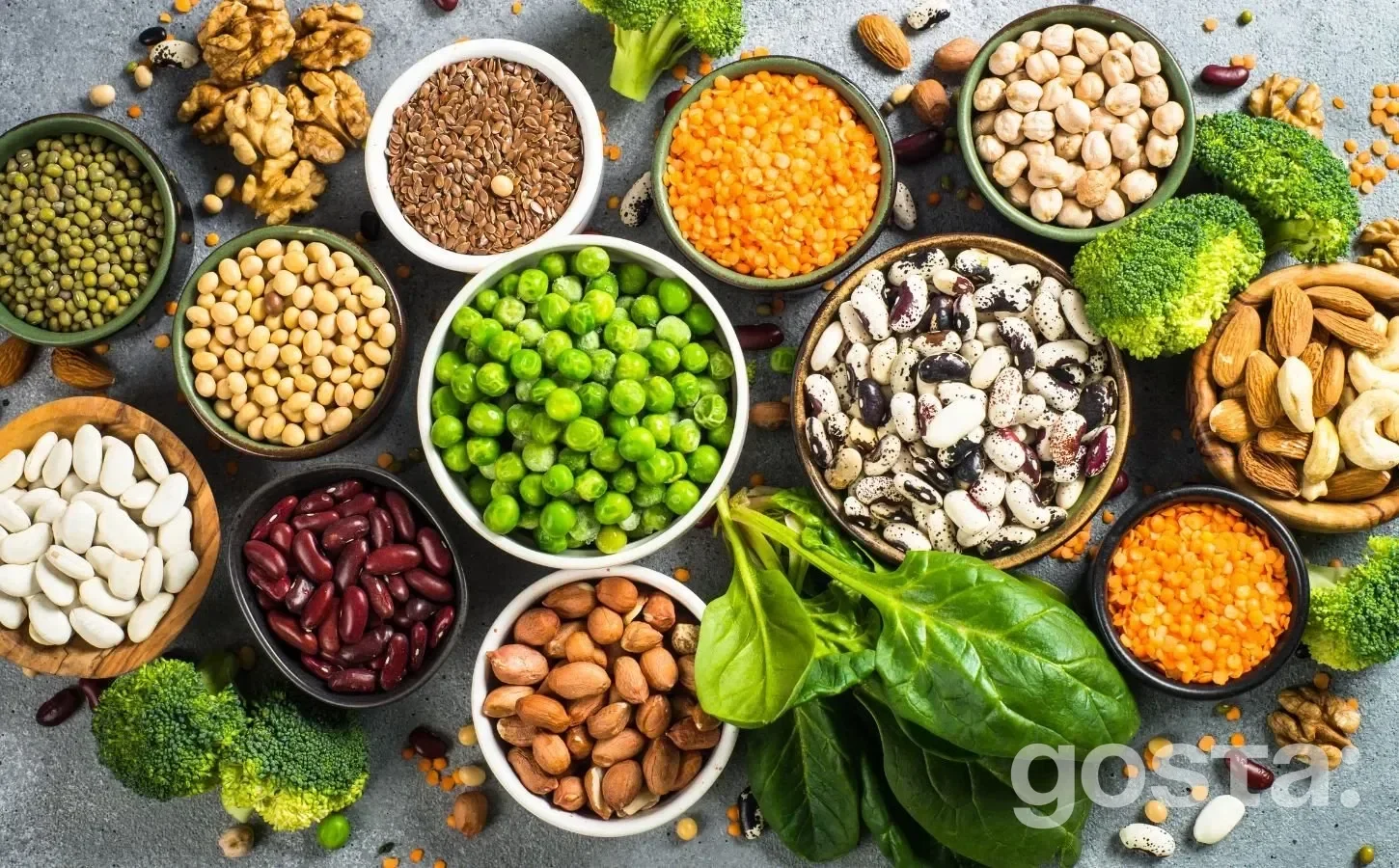
100 g of cooked lentils contain about 9 g of protein. They are rich in iron, folic acid, and fiber. Great for soups, stews, or as a side dish. Lentils cook quickly and don't require long soaking. They are affordable and inexpensive. Try red, green, or black lentils — each has its own taste.
2. Chickpeas (Garbanzo Beans)
100 g of chickpeas contain about 8–9 g of protein. They are the base of hummus and many Middle Eastern dishes. Chickpeas have a nutty flavor and pair well with vegetables and herbs. They should be soaked overnight, then cooked until soft. You can roast them, add them to salads, or make patties. Tasty and filling.
3. Beans
White, red, or black — all types contain 7–9 g of protein per 100 g. They also provide magnesium, iron, and complex carbs. Beans are filling and give long-lasting energy. Soak them before cooking. Great in soups, salads, and veggie dishes. They can also be turned into spreads.
4. Tofu and Tempeh
Tofu is soy cheese, with about 8 g of protein per 100 g. Tempeh, a fermented soy product, has even more — up to 19 g. Both absorb marinades and spices well. You can fry, bake, or add them to salads. Popular in Asian cuisine.
5. Chia Seeds
Chia seeds have up to 17 g of protein per 100 g. But they are eaten in small portions — 1–2 tablespoons. They are also rich in omega-3s, calcium, and fiber. Chia swells in liquid and forms a gel, which helps digestion. Add them to smoothies, yogurt, oatmeal, or puddings.
6. Quinoa
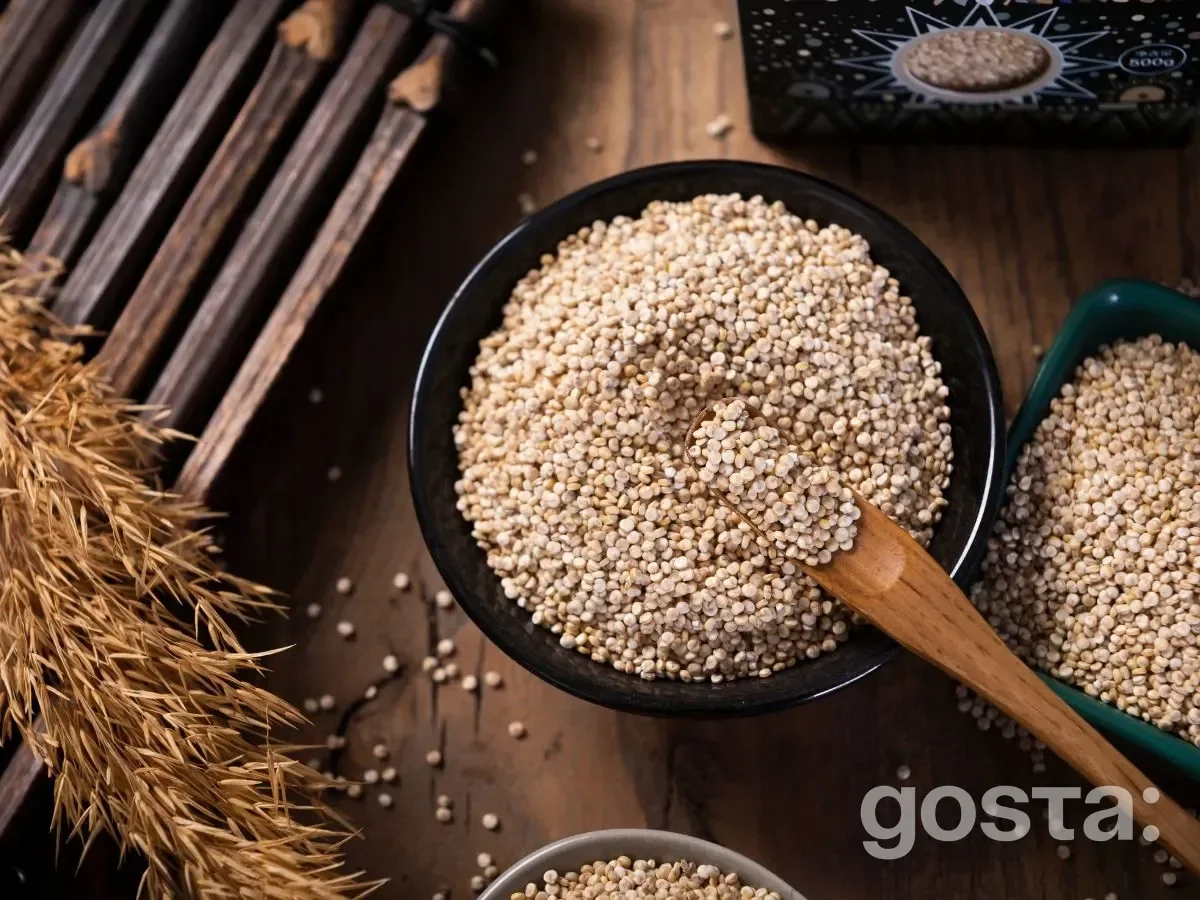
Quinoa is one of the few plants with a complete amino acid profile. 100 g of cooked quinoa has about 4–5 g of protein. It's also a source of magnesium, iron, fiber, and B vitamins. Cooks in 15 minutes. Has a light nutty flavor. Pairs well with vegetables, beans, and sauces. Can even be used in desserts.
7. Pumpkin Seeds
100 g of pumpkin seeds contain a record 30 g of protein. But 100 g is a lot to eat — they are calorie-dense. A handful daily is a great addition to the diet. Add them to salads, porridge, smoothies, or eat as a snack. They also contain zinc, magnesium, and antioxidants.
8. Buckwheat
This common grain has up to 13 g of protein per 100 g dry. Gluten-free, high in iron and fiber, and easily digestible. Buckwheat can be eaten not just as porridge. Add it to salads, casseroles, or make buckwheat patties. Pairs well with vegetables and greens.
9. Oats
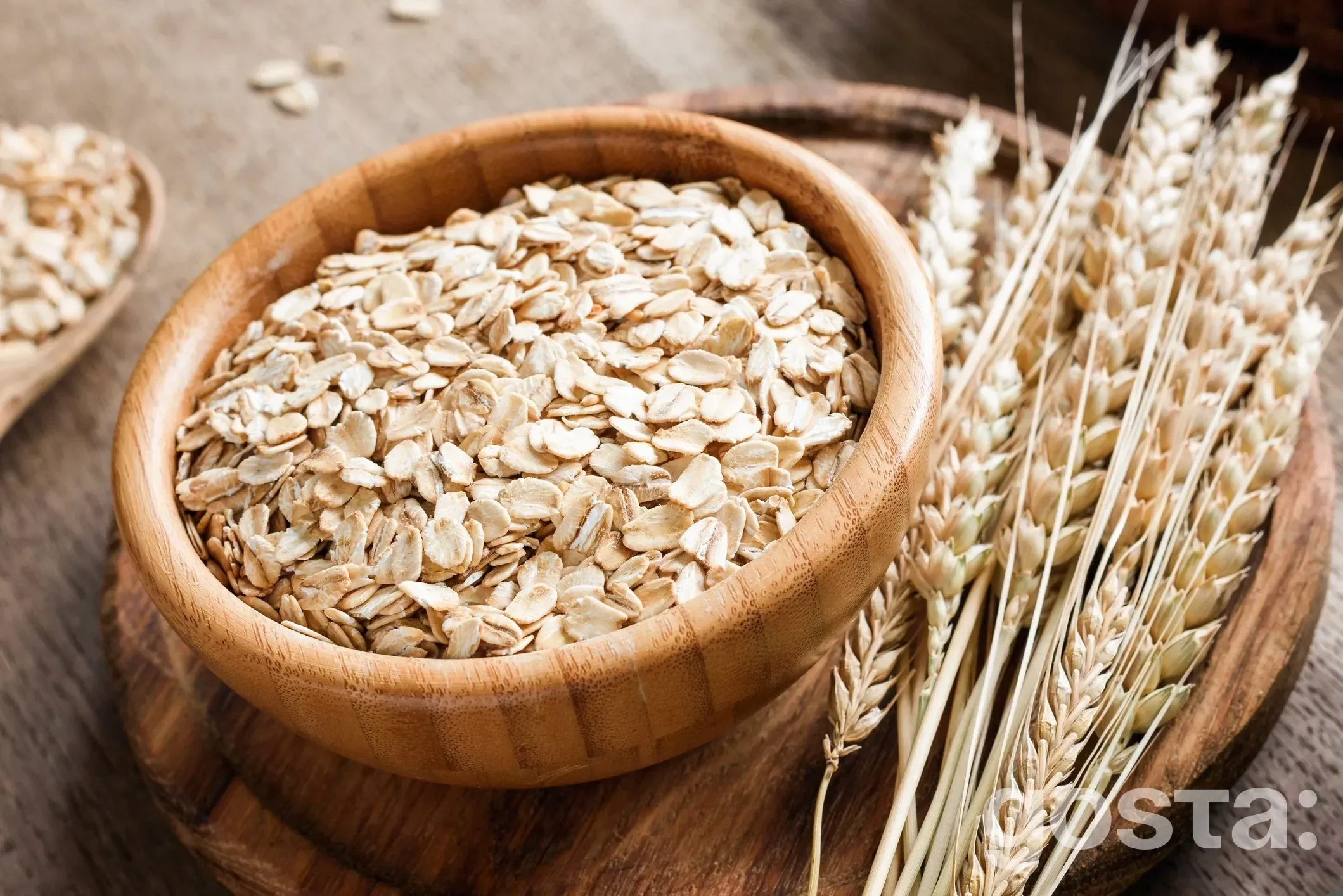
100 g of oats contain about 10–12 g of protein. They also provide beta-glucans, special fibers that lower cholesterol. You can cook them, bake them, or make granola and cookies. Affordable and versatile. Combined with nuts, seeds, or plant milk, oats make a complete breakfast.
10. Green Peas
100 g contain up to 5 g of protein. They are also rich in vitamin C and fiber. Add them to soups, salads, pasta, or make cream soup. Available fresh, canned, or frozen. Fits any preference.
How to Combine Foods for Maximum Benefit
No single plant product (except quinoa and soy) has all amino acids. But this is not a problem. Eating different foods throughout the day gives the body everything it needs.
Examples:
rice + beans;
quinoa + vegetables;
bread + hummus.
Variety is key. You don't need all 10 foods daily. Rotating them in your diet is the smart choice.
Myths About Plant Proteins – Video
Plant proteins are surrounded by myths. Some think they are not healthy or hard to digest. To find out what's true, watch the video:
Conclusions
Plant proteins are affordable, tasty, and healthy. You can find them in common foods and even in small things — seeds, oats, peas. The best strategy is to diversify your menu. Combine foods, try new recipes, and don't be afraid to experiment. This is the way to health, lightness, and well-being. You don't have to give up everything — just balance your diet.
24 вересня 2025 р., 18:30
·248
Malaria – what it is, symptoms, and whether there’s an effective vaccine