Blockchain technology evolves at lightning speed. New projects and standards appear every day. One of these new standards is KRC-20 in the Kaspa blockchain.Today, KRC-20 is attracting developers and investors alike. It allows the creation of custom tokens within the Kaspa ecosystem. This standard is already being compared to ERC-20 on Ethereum and BRC-20 on Bitcoin. Why does this matter for South Korea? The country is actively growing its Web3 sector, supports asset tokenization, and aims to become a leader in the blockchain industry. Understanding KRC-20 opens the door to new opportunities for startups, businesses, and investors.
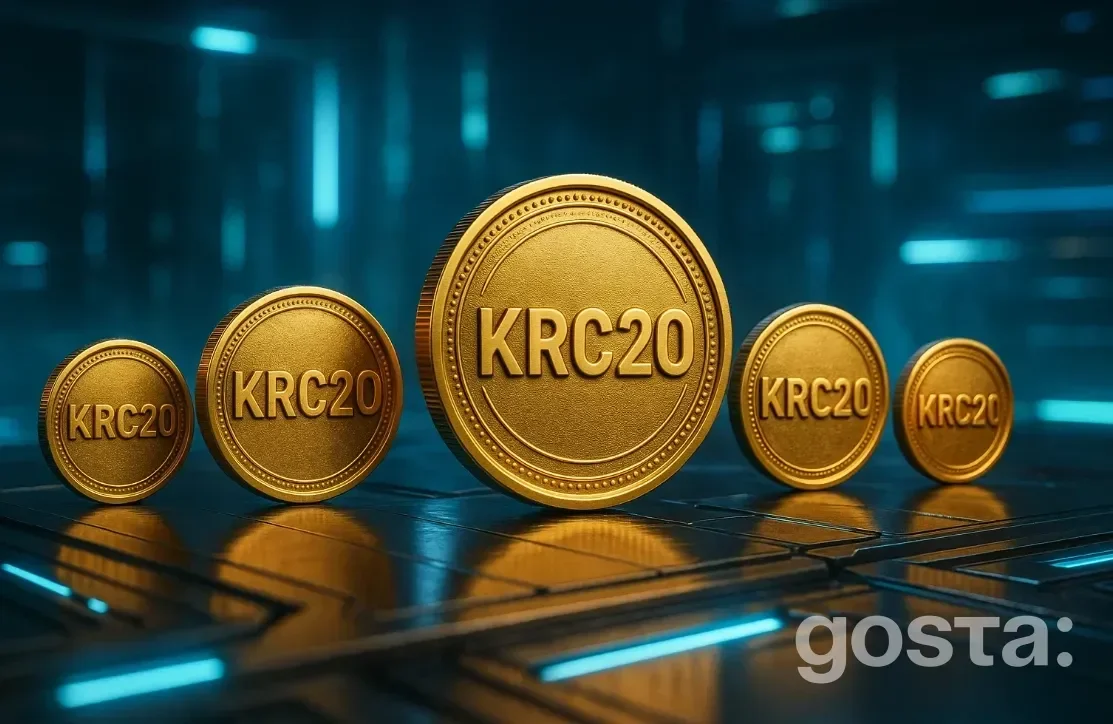
What Is KRC-20?
KRC-20 is a token standard on the Kaspa network. It works similarly to ERC-20 on Ethereum. It lets developers issue their own digital tokens, which can be transferred, exchanged, or used in decentralized apps.
A few simple facts:
- KRC-20 tokens are created on the Kaspa blockchain.
- They are compatible with all services that support this standard.
- All tokens follow the same rules and code.
What makes it special?
- Speed: Kaspa uses GhostDAG technology to process transactions in parallel.
- Scalability: The network can handle high traffic without slowing down.
- Transparency: All KRC-20 tokens can be tracked on the blockchain.
KRC-20 is not a Korean invention. Even though the name starts with "K," the standard was created within the Kaspa global project. South Korea is interested in such technology because it allows fast token creation without building complex infrastructure.
How KRC-20 Works and What Exists in Its Ecosystem
To create a KRC-20 token, a developer needs a smart contract that follows the standard. The contract specifies:
- The token's name.
- Its symbol (for example, KSP).
- Total supply.
- Functions for sending and receiving tokens.
After that, the token can be distributed to users, listed on decentralized exchanges, or integrated into apps.
The Kaspa ecosystem already hosts the first KRC-20 projects, such as:
- Tokens for value exchange within communities.
- Governance tokens for DAOs (decentralized organizations).
- Tokens for gaming or collectibles.
KRC-20 can become the foundation for DeFi services, asset tokenization, and even NFT platforms running on a fast and scalable blockchain.
South Korea's Blockchain Ecosystem
South Korea has been a hub for blockchain innovation for several years. The country hosts Korea Blockchain Week and is home to dozens of Web3 and tokenization startups. The government is exploring digital assets and even considering "deposit tokens" as a bridge between traditional finance and blockchain.
Interest in tokens is huge in Korea. Investors are active in crypto, and businesses are looking for ways to integrate Web3 into their products. Here, KRC-20 can serve as a tool for fast tokenization and launching new services without building a custom blockchain.
How KRC-20 Could Impact South Korea's Ecosystem
The arrival of KRC-20 opens several exciting opportunities for South Korea:
- Asset Tokenization Korean businesses have long been interested in turning real-world assets into digital ones. Shares of startups, music rights, or even virtual gaming items could be quickly tokenized using KRC-20.
- DeFi and Next-Gen Financial Services KRC-20 tokens integrate easily with smart contracts. This makes it possible to create decentralized exchanges, lending services, or reward systems without complex infrastructure.
- Community and DAO Governance KRC-20 tokens are perfect as voting tokens. They help projects make transparent decisions where trust and broad participation matter.
In short, KRC-20 bridges technology and business. It accelerates the creation of new products and brings blockchain closer to daily life.
Challenges and Limitations of KRC-20
Every new technology has its hurdles, and KRC-20 is no exception:
- Regulatory Uncertainty. Global and Korean regulations on digital assets are evolving. Before issuing a token, companies must ensure they comply with financial rules.
- Interoperability. Not all platforms support KRC-20 yet. Bridges to other blockchains and exchanges will take time to develop.
- User Trust. Adoption depends on clear benefits and security. Without education and simple examples, growth could be slow.
KRC-20: Outlook and Future
The future of KRC-20 in South Korea and worldwide depends on several factors:
- Government Support: Clear tokenization rules will encourage businesses to experiment.
- Startup Adoption: More projects using KRC-20 will grow the ecosystem of apps, wallets, and exchanges.
- Global Integration: Easy swaps to other blockchains will connect Korea to global Web3 investment flows.
In a few years, KRC-20 could become a go-to standard for digital projects aiming to scale internationally.
Video: KRC-20 Tokens Explained for Beginners
KRC-20 is still a new format, and it raises many questions. Watch the explainer video here:
Conclusion
KRC-20 is a young but promising token standard. It is easy to use, fast, and scalable. For South Korea and the global market, it opens the door to new financial and technological opportunities. Its strength lies in connecting developers, businesses, and users on one platform. The key to success is regulation, education, and technical integration. The future of blockchain depends on the adoption of flexible standards like KRC-20.
FAQ
How to trade KRC-20 tokens?
Trade KRC-20 tokens via the KSPR Telegram bot or Kaspa marketplaces. You can buy, sell, and swap directly in chat. A wallet that supports KRC-20 and a small amount of KAS for fees are required.
How is KRC-20 different from ERC-20?
KRC-20 runs on Kaspa, while ERC-20 runs on Ethereum. Kaspa is faster and cheaper thanks to GhostDAG. ERC-20 is more widespread but slower and more expensive.
Why is KRC-20 useful?
It lets anyone create custom tokens on Kaspa. They can power games, DeFi projects, or DAO governance. It's an easy way to launch new digital assets without building a blockchain from scratch.