
Escalation and De-escalation — What Do These Words Actually Mean in War?
What do the Cuban Missile Crisis, the Vietnam War, and today’s conflicts have in common? They’re all stories of escalation or de-escalation. Here’s why understanding these terms matters — now more than ever.

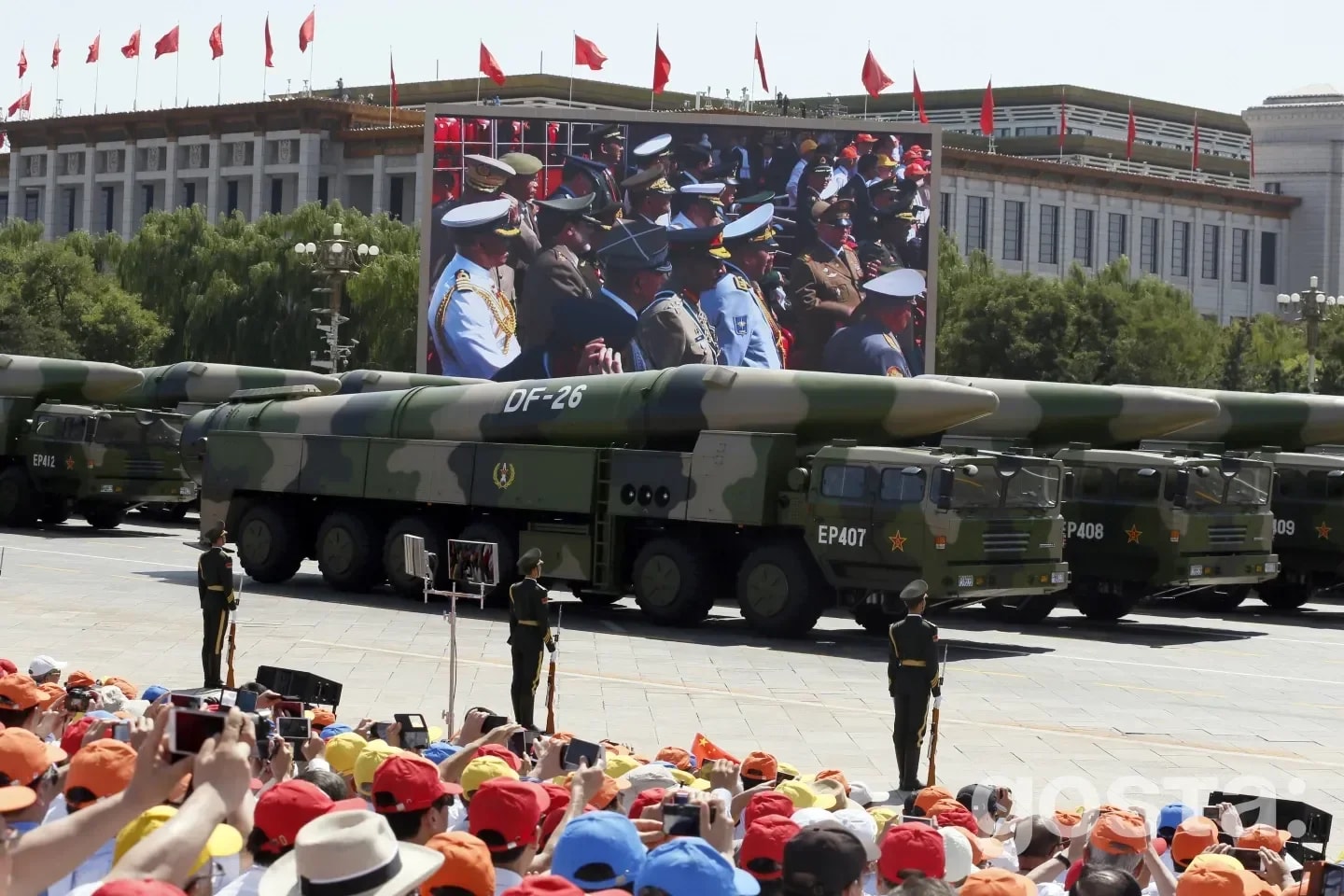
In recent years, the world has become more unpredictable. Conflicts that once felt far away are suddenly much closer. War isn't just something happening "over there" anymore. For some, it's just outside the window. For others — on the news, in conversations, or in quiet fear. That's why it's important to understand what's going on. Among the many terms we hear, two stand out: escalation and de-escalation. They may sound technical, but in reality, they're quite simple — and incredibly important. These processes shape whether a war intensifies or whether there's a real chance for peace.
What Is Escalation?
Escalation is when a conflict heats up. It becomes more intense, more aggressive, more dangerous. This might happen gradually or all of a sudden — but it always moves in the direction of worsening tensions.
In wartime, escalation can look like:
- launching new attacks
- sending in more troops
- introducing new weapons
- targeting civilian areas
- tougher political rhetoric
Escalation is like "throwing more fuel on the fire." It often happens when one side wants to show strength, or force the other to back down. Sometimes, it's emotional — driven by revenge, fear, or anger.
History gives us plenty of examples. During the Cuban Missile Crisis in 1962, the world stood on the edge of nuclear war. Both the U.S. and the Soviet Union kept raising the stakes. One move by one side triggered an even stronger reaction from the other. That's a textbook case of escalation.
We see it in modern wars too. It often starts with a few skirmishes. Then come airstrikes. Then mobilization. And as the conflict grows, it becomes harder and harder to stop.
What Is De-escalation?
De-escalation moves in the opposite direction. It's when both sides try to dial things down — lower the tension, reduce violence, open space for dialogue.
De-escalation can involve:
- declaring a ceasefire
- starting peace talks
- exchanging prisoners
- creating humanitarian corridors
- using calmer, more constructive language
It doesn't always mean the war is over. But it is a chance to pause, to rethink, and to try peaceful solutions.
In the 1970s, the U.S. began pulling troops out of Vietnam — that was a form of de-escalation. The war didn't end overnight, but military activity slowed, and negotiations began. There was no clear "winner," but it stopped the bloodshed.
De-escalation isn't always easy. Sometimes, not fighting is harder than fighting. It takes a certain level of trust — and trusting an enemy is nearly impossible. Still, every moment of de-escalation is an opportunity. And the sooner it's taken, the fewer the losses.
What Drives Escalation and De-escalation?
Why do some conflicts spiral while others calm down? Escalation is dangerous, but even de-escalation isn't always smooth. Here are some of the key factors that shape both paths:
- Political Will. If leaders are serious about peace, that's already a step toward de-escalation. But if their goal is total victory or destruction of the enemy — the conflict is likely to grow. Everything depends on intent. If the aim is to find compromise, there's room for dialogue.
- International Pressure. The global community plays a big role. Sometimes powerful nations push both sides to negotiate — through sanctions, diplomacy, or mediation. But sometimes they do the opposite, encouraging escalation through support or pressure.
- The Role of Media. Information is a weapon, too. If TV and social media constantly talk about "hatred," "traitors," and "enemies" — that fans the flames. But if peace-seeking voices are heard in public spaces, it can shift the mood. People start to think differently. And public opinion often shapes political decisions.
- Public Sentiment. Ordinary people have influence. If most of the population is tired of war, it puts pressure on leaders to seek peace. Protests start. People demand a truce. On the flip side, if society wants to fight until the end, politicians tend to take a harder stance.
It's like a system of levers. Sometimes one factor can change everything. More often, it's a mix that makes the difference.
What Are the Consequences of Escalation and De-escalation?
These aren't just abstract terms — they have real-life consequences for millions of people:
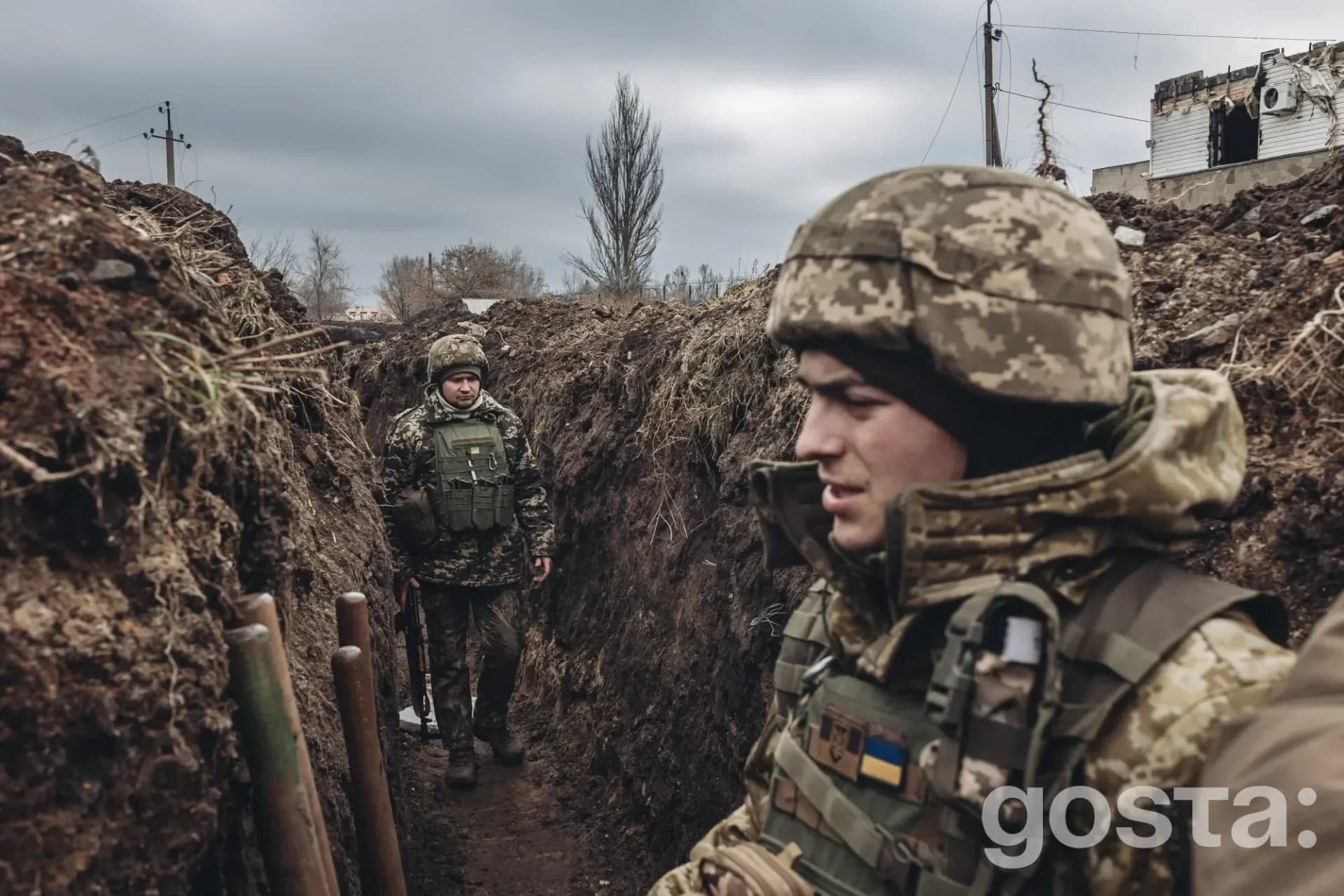
- For Soldiers. Escalation means more battles, more stress, more casualties. It stretches resources — weapons, logistics, medical care. The military is pushed to its limits. De-escalation allows a breather — time to regroup, help the wounded, negotiate.
- For Civilians. Civilians suffer the most. Escalation means more death, destruction, and displacement. Infrastructure collapses. Water, power, medicine disappear. People are forced to flee. De-escalation offers a chance to go home. Reopen schools. Rebuild hospitals. Give kids a sense of safety.
- For the International Community. A war in one region can shake the whole world. Escalation creates refugees, raises prices, spreads instability. It scares off investors and disrupts markets. De-escalation brings stability. It opens doors to recovery. It lets people — and countries — plan for the future again.
- For Long-Term Peace. Escalation deepens hatred, making future peace harder to reach. De-escalation is a first step. It may not fix everything overnight, but it begins the process.
The Bottom Line
Escalation and de-escalation aren't just military terms. They shape the lives of people, countries, and entire regions. Escalation means intensifying violence and conflict. The longer it goes on, the harder it is to stop. De-escalation opens the door to peace. It doesn't guarantee a solution, but it creates space to talk, reflect, and find a way forward. Stopping a war takes more courage than starting one.
FAQ
What does escalation mean, in simple words?
Escalation is when a conflict grows more intense. Sides become more aggressive. The war becomes tougher and more dangerous.
What is de-escalation, simply put?
De-escalation is when a conflict starts to cool down. Sides stop attacking and begin searching for peaceful solutions.
How does escalation happen?
Escalation is a process. It might start with small clashes or hostile words. One side responds more strongly — then the other escalates in return. Step by step, it turns into full-scale war.
Best of the week — in your inbox
No spam. Only top Gosta stories. Unsubscribe in one click.
Comments