
Remembering Fiona the Hippo: The Cincinnati Zoo Story That Reached Millions
Remember Fiona the hippo, whose premature birth and survival made her famous, following Cincinnati Zoo’s November 19, 2026 announcement.

Contents11
- Who was Fiona the hippo?
- Why did Fiona become so famous?
- What has Cincinnati Zoo announced about Fiona?
- How can readers remember Fiona respectfully?
- What made Fiona's story matter beyond one zoo?
- How old was Fiona when she died?
- What happened during Fiona's final medical emergency?
- Who are Bibi and Fritz in Fiona's story?
- Why did small updates about Fiona matter so much?
- How can visitors help protect zoo animals?
- Where should people look for memorial and visitor information?
Fiona the hippo became famous after surviving a premature birth at Cincinnati Zoo in 2017, with people around the world following her care and progress. On November 19, 2026, the zoo announced that she had died.
Her story began with an uncertain fight for survival and became a long connection between an animal, her caregivers and people who had never visited her habitat. Remembering Fiona means returning to that story, rather than reducing her life to the circumstances of her final days.
Who was Fiona the hippo?
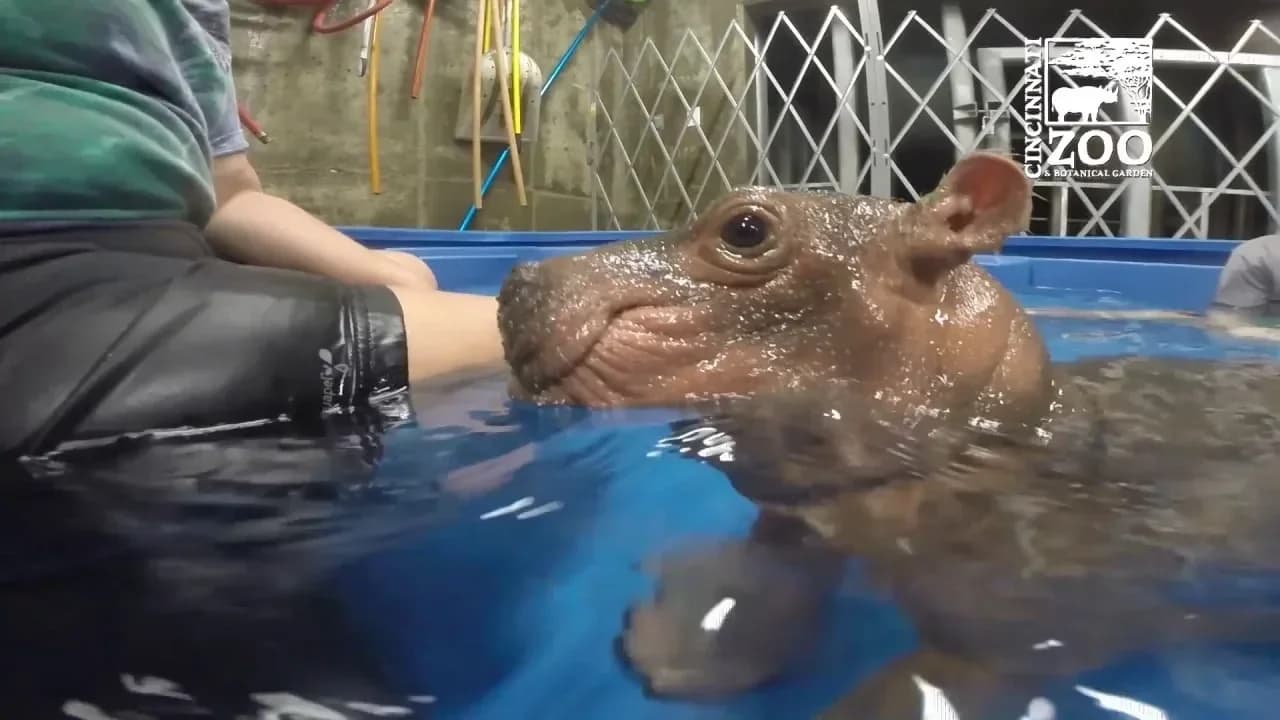
Fiona was the Cincinnati Zoo hippopotamus whose early survival made her an international favorite. She was born on January 24, 2017, six weeks prematurely and weighing 29 pounds, according to the zoo's account of her early life.
She needed intensive attention from her caregivers. The zoo describes round-the-clock care and assistance from Cincinnati Children's during difficult moments. The figures matter because they explain the original stakes: her celebrity grew out of people watching a vulnerable newborn make progress.
The zoo's four-month update captures the early period of Fiona's life that first brought her a worldwide following.
Why did Fiona become so famous?
Fiona became famous because the zoo shared her difficult start and gradual progress with an audience that kept returning for updates. Its official biography describes how she was initially too small to stand and nurse from her mother, Bibi.
The zoo's account emphasizes the team effort behind feeding her, keeping her warm and managing her care. Frequent updates helped people understand those small steps instead of seeing only a finished success story.
That offers one way to understand the attachment: followers did not simply learn that Fiona existed. They watched a sequence of uncertain moments become a recognizable life, with familiar caregivers and a growing public following.
What has Cincinnati Zoo announced about Fiona?
Cincinnati Zoo announced Fiona's death on November 19, 2026. The announcement followed a medical emergency and attempts by her care team to save her.
For later medical explanations, memorial arrangements or visitor information, check the date of the zoo's latest update. An older biography can preserve valuable history while still describing a period when she was alive.
How can readers remember Fiona respectfully?
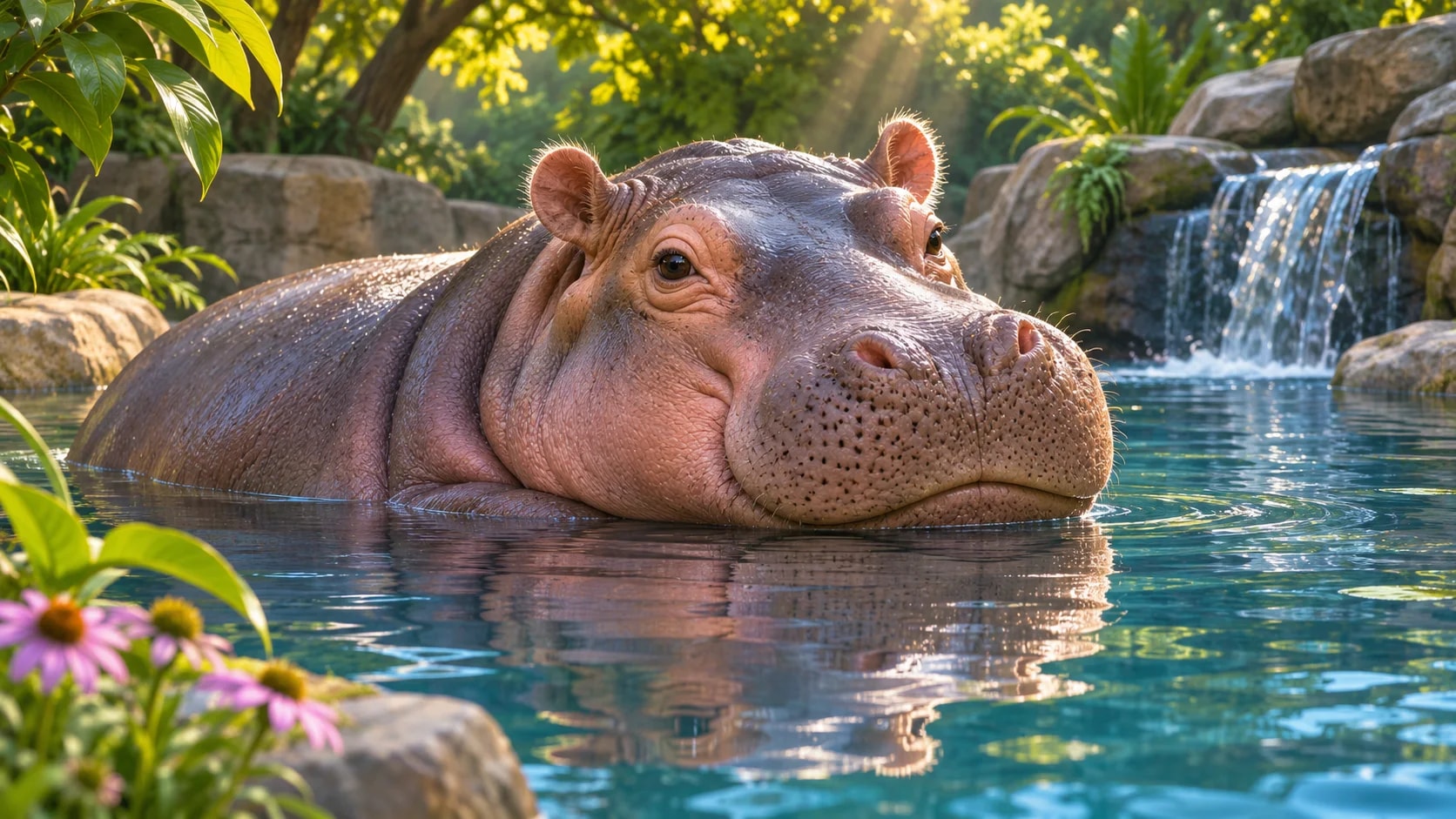
Readers can remember Fiona by revisiting the zoo's original accounts of her life and recognizing the people who cared for her. Sharing a dated source preserves more meaning than circulating an uncaptioned image or an unexplained claim.
When posting a tribute, keep these distinctions clear:
A real photograph should have an identifiable source and date where available.
An illustration should be labeled as an illustration.
Historical videos should not be described as current footage.
New claims about her final care should be attributed to a current statement.
What made Fiona's story matter beyond one zoo?
Fiona's story mattered beyond Cincinnati because it made the work of caring for one vulnerable animal visible to a much wider public. The zoo's records show a story built around care, persistence and repeated small milestones.
Her life can be remembered through that connection: an animal who drew attention, and the sustained work that gave people a reason to keep paying attention.
How old was Fiona when she died?
Fiona was nine years old when the zoo announced her death on November 19, 2026. She was born on January 24, 2017, and would have turned ten in January 2027.
That timeline helps explain the range of memories people associate with her. Some followers remember the tiny calf whose health was uncertain; others encountered her years later as an established resident of Hippo Cove. They were following different stages of the same life.
The principal dates and family connections can be kept together without confusing historical updates with current news:
Detail | Fiona's story |
|---|---|
Birth | January 24, 2017 |
Place | Cincinnati Zoo & Botanical Garden, Ohio |
Early challenge | Born six weeks prematurely |
Birth weight | 29 pounds |
Mother | Bibi |
Younger brother | Fritz, born August 3, 2022 |
Death announced | November 19, 2026 |
These details are a reminder that a familiar animal's public story can span many years. A cheerful clip or birthday post may still circulate long after the moment it records.
What happened during Fiona's final medical emergency?
The zoo said Fiona died after attempts to help her following the accidental arrival of a hat in her habitat, which she swallowed. Its announcement describes repeated efforts to move the hat through her system and supportive care that could not save her.
The zoo's statement does not support blaming an unnamed person or inventing a medical explanation beyond what it released. A complicated emergency should not be reduced to speculation about what caregivers could have done differently.
The announcement also asks people to give the care team space. For those who followed Fiona for years, that is a practical way to express respect: remember her without demanding personal responses from the people most directly affected.
Who are Bibi and Fritz in Fiona's story?
Bibi is Fiona's mother, and Fritz is her younger brother. Cincinnati Zoo records Fritz's birth on August 3, 2022, adding another chapter to the family story that followers had come to know.
The family context gives the public record more depth than a collection of viral moments. It places Fiona within a habitat and a care routine, alongside other animals with their own needs. Her popularity did not make that daily work disappear.
When looking through older family videos, check the date and caption. A recording of an introduction or birthday should be enjoyed as part of the archive, rather than presented as a new update about the animals today.
Why did small updates about Fiona matter so much?
Small updates mattered because they gave followers a way to understand progress over time. Feeding, standing, entering water and interacting with family could each become a meaningful milestone when survival had once been uncertain.
One interpretation of her appeal is that the story made patience visible. Many public stories jump from crisis to success; Fiona's early updates let people follow the work between those points. The care itself became part of what they remembered.
That does not require assigning human thoughts to every expression or movement. An animal can be compelling without turning each image into proof of a human emotion. Accurate captions can preserve affection while respecting that distinction.
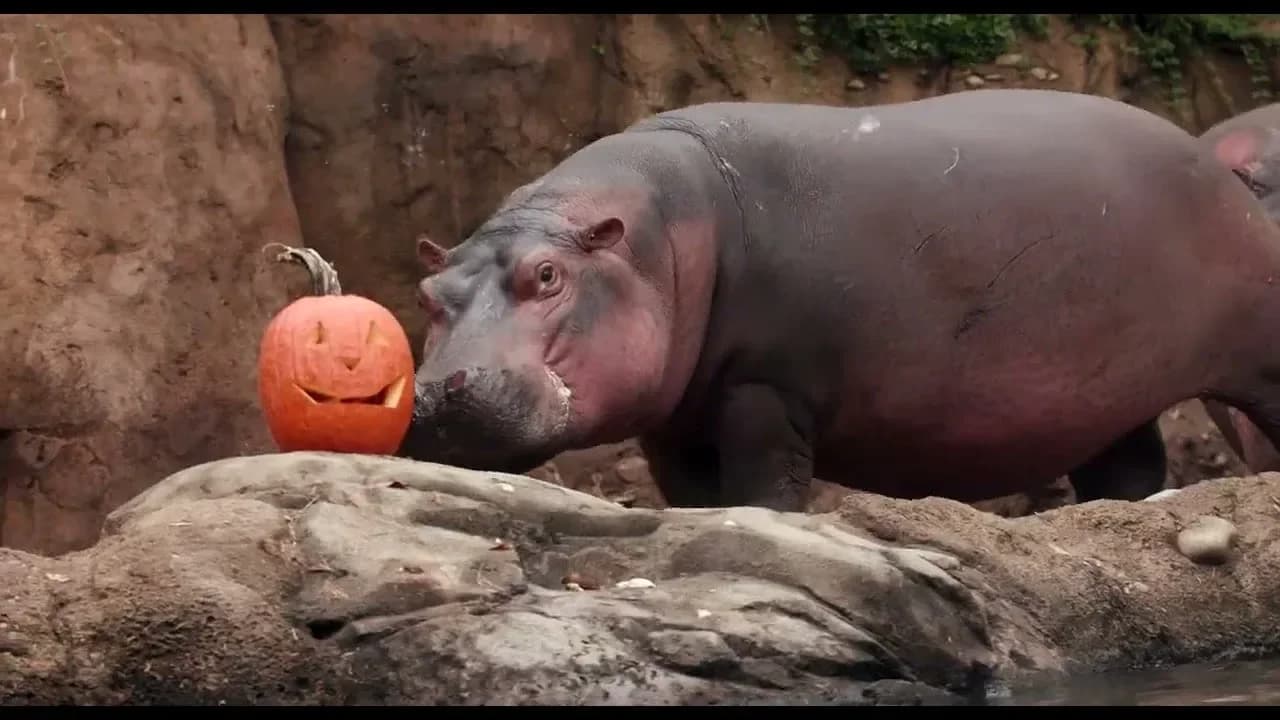
The zoo later brought those years of updates together in an eight-year retrospective, connecting the small calf with the animal fans continued to follow.
How can visitors help protect zoo animals?
Visitors can help protect zoo animals by following habitat rules, securing belongings and notifying staff promptly if something falls into an enclosure. Do not try to retrieve an object yourself or reach beyond barriers.
These ordinary precautions are worth remembering during any visit:
Keep hats, phones, toys and loose items under control near habitats.
Follow signs and instructions rather than copying what another visitor does.
Do not throw food or objects toward animals.
Tell staff where and when a dropped item entered a habitat.
Keep paths and viewing areas clear when staff need access.
The point is care, not a search for someone to blame. A respectful visitor recognizes that an object harmless in a person's hand may become a serious problem in an animal's environment.
Where should people look for memorial and visitor information?
People should look to Cincinnati Zoo's current announcements for any memorial arrangements, visitor changes or ways to support its work. Historical posts and unofficial fundraisers should not be mistaken for current zoo instructions.
If you choose to make a donation, verify the destination through the institution's own channels before paying. If you share a memory, keep the date and context where possible. Fiona's story has enough real meaning without an invented final message, an unverified tribute campaign or a falsely labeled image.
Best of the week — in your inbox
No spam. Only top Gosta stories. Unsubscribe in one click.
Comments