
Carbs Without the Weight Gain: Which Ones to Choose, How Much You Need, and Why Slow Carbs Matter
Want to enjoy carbs without gaining weight? This article will show you which ones are good for you, how they work, how much you need, and how to include them in your diet — deliciously and without hurting your figure!

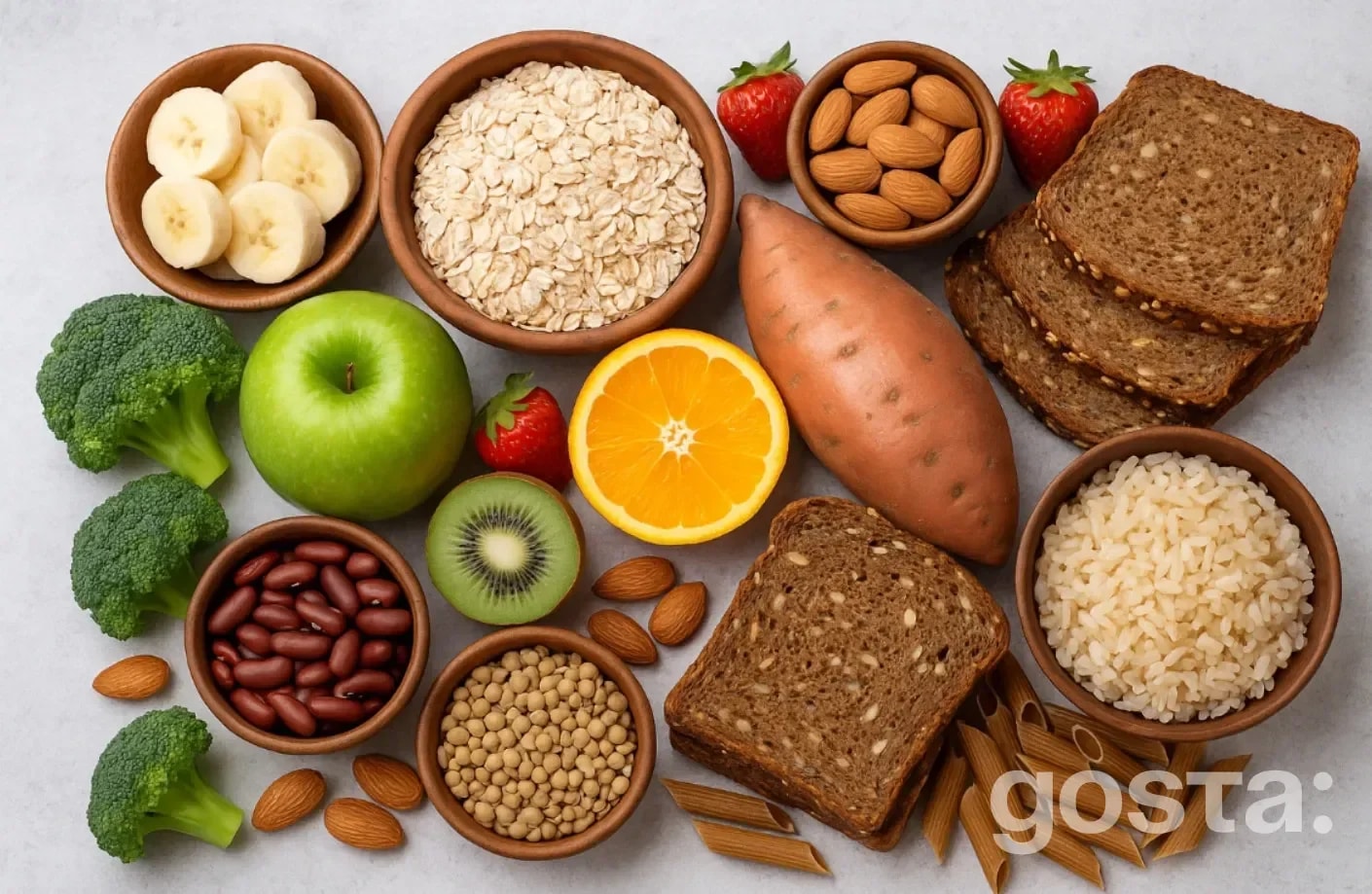
Carbs often get blamed for weight gain. Many diets tell you to cut them down or even avoid them completely. But the truth is, they're your body's main energy source. Without them, your brain slows down, your body gets tired faster, and your mood can dip. In this article, you'll learn how to get the benefits of carbs without worrying about your waistline. We'll break down how slow carbs work, how much you really need, and which foods to add to your daily meals.
Which Carbs Give You Energy Without the Weight Gain
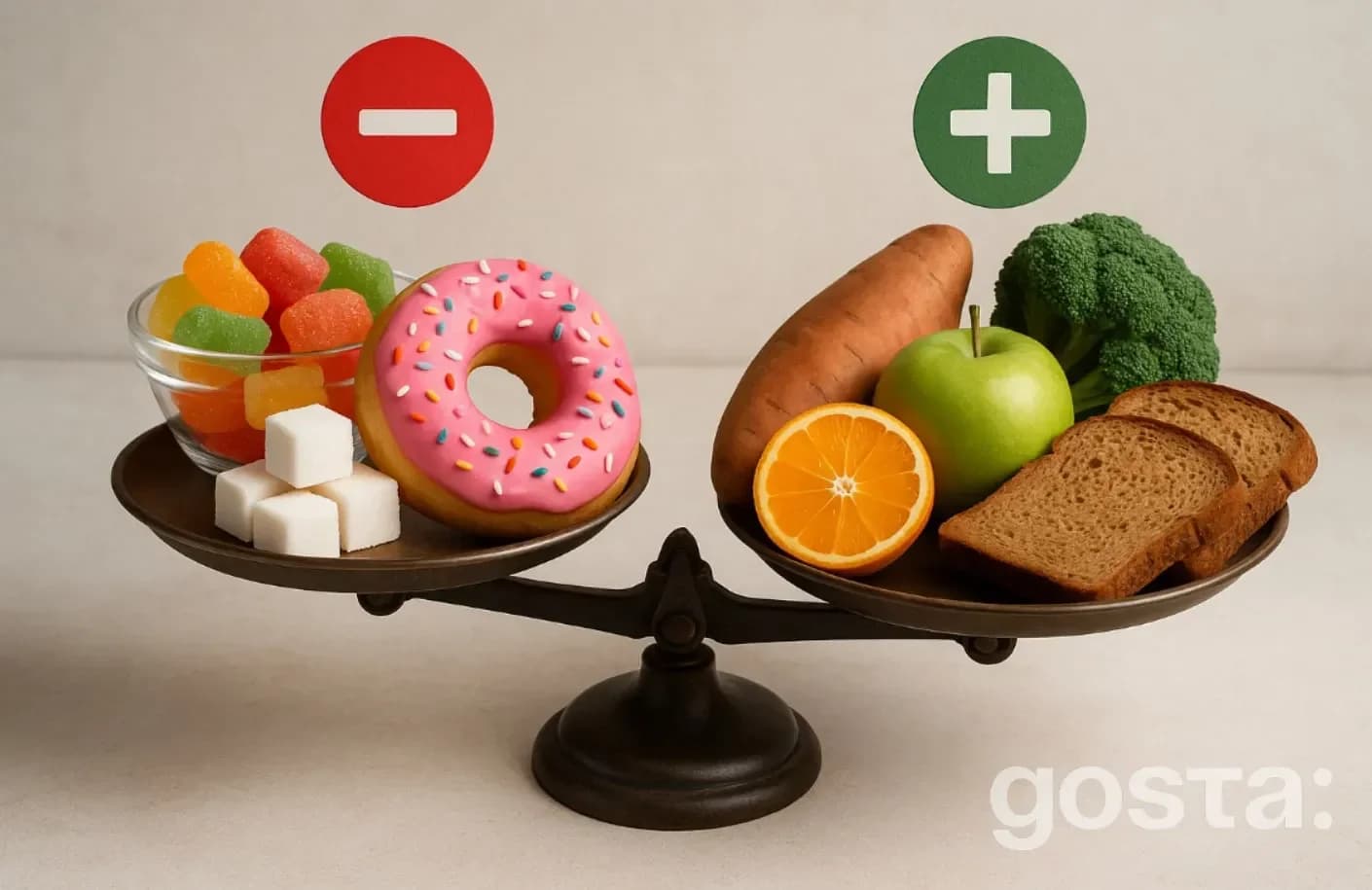
Not all carbs are created equal. Simple carbs include sugar, white bread, pastries, and sugary drinks. They give you a quick burst of energy but also cause a fast spike in blood sugar. After that, your energy crashes, leaving you tired, hungry, and craving more sugar — and that can easily lead to overeating and weight gain.
Slow (or complex) carbs are a totally different story. They digest more slowly, don't cause sugar spikes, and keep you full longer. These include:
- Whole grain bread
- Buckwheat, oats, quinoa, bulgur
- Legumes (like chickpeas, lentils, beans)
- Fiber-rich vegetables
- Low-glycemic fruits (apples, pears, berries)
- Sweet potatoes
If you want lasting energy without the extra pounds, these are your go-to foods.
It's best to eat carb-heavy meals in the morning or early afternoon, when your body is more active. After 7 p.m., cut back on carbs — especially if you're not planning to move much in the evening.
How Slow Carbs Work — In Plain English
Slow carbs take longer to digest — and that's a good thing. Why? Because your blood sugar rises gradually. That gives your body time to use the sugar as energy instead of storing it as fat.
The key term here is glycemic index (GI) — a measure of how quickly a food raises your blood sugar. The lower the GI, the better for your weight. For example:
- White bread: GI around 70 — high
- Oatmeal: GI around 40–50, depending on processing
- Apple: GI around 35
Slow carbs:
- Keep you full for longer
- Help curb snack cravings
- Avoid energy crashes and mood swings
Most of them also contain fiber, which helps digestion, prevents constipation, and keeps your gut healthy.
How Many Carbs You Actually Need: Women, Men, and Kids
The amount of carbs you need depends on your age, weight, activity level, and lifestyle — but there are general guidelines to help you out.
For adult women:
- Moderate activity: 180–230 g per day
- Active lifestyle or workouts: up to 250–300 g
- Weight loss: 120–150 g, but not less than 100 g to avoid fatigue and brain fog
For adult men:
- Sedentary lifestyle: 220–270 g per day
- Active lifestyle: up to 350–400 g
- Weight loss: around 150–200 g, depending on your needs
For kids:
- Ages 1–3: about 130–150 g per day
- Ages 4–8: 150–200
- Ages 9–13: 200–250 g
Kids need more energy for growth — and teens may need even more during growth spurts.
It's not just about how many carbs you eat, but what kind. If most of your carbs come from sugar, you're not doing your body (or your figure) any favors. But the right amount of slow carbs? That's a win for energy, brain function, and weight control.
Tips to Eat Carbs Without Hurting Your Figure
Can you eat carbs and stay healthy and fit? Absolutely. Just follow these simple rules:
- Choose whole foods. The less processed, the better. Brown rice beats white, and whole grain bread is better than a white loaf.
- Watch your portions. Even healthy foods can cause weight gain if you eat too much. It all comes down to quantity.
- Pair carbs with protein and fat. Try veggies with olive oil and chicken, or oatmeal with an egg. This slows down digestion and keeps you full.
- Eat your carbs earlier in the day. Your body digests them better in the morning, and the energy gets used throughout the day.
- Don't fear fruit. Yes, it has natural sugar — but it's also packed with fiber, water, and vitamins.
What You Need to Know About Carbs – Video
Want to learn more about fast vs. slow carbs and how they affect your health? Check out this video:
Final Thoughts
Carbs aren't the enemy. In fact, they can be your ally — as long as you choose the right sources and eat them in smart amounts. Slow carbs give you steady energy, keep you full longer, and help prevent mood swings. They support brain and gut health — and can even help with weight loss when used wisely. Go for natural foods, don't overeat, and stay mindful of your meals — and your food will work for you, not against you.
FAQs
Where can I find healthy carbs?
In fruits, veggies, and whole grains. You'll also find them in legumes and nuts. These foods give you energy and are rich in fiber.
What counts as a slow carb?
Buckwheat, oats, brown rice — plus legumes, vegetables, and whole grain bread. They digest slowly and keep you fueled.
What's the difference between fast and slow carbs?
Fast carbs spike your blood sugar quickly. Slow carbs digest gradually and give you long-lasting energy.
Which foods have the most carbs?
Sugar, bread, pasta, and rice have the most. Potatoes and sweets are also high in carbs, and often make up a big part of many diets.
Why are fast carbs bad for you?
They cause quick spikes in blood sugar, which leads to crashes and hunger. They also contribute to weight gain and raise the risk of diabetes.
Best of the week — in your inbox
No spam. Only top Gosta stories. Unsubscribe in one click.
Comments