Scarlet fever is an acute infectious disease caused by the Group A Streptococcus bacteria. It most commonly affects children aged 2 to 10 years. The disease spreads through airborne droplets. A child can get infected from a sick person or a carrier of the infection. Transmission is also possible through objects, toys, dishes, or clothing. This disease is dangerous due to its complications. If left untreated, it can cause problems with the heart, kidneys, and joints. That is why it is important to recognize its symptoms and seek medical attention in time.
Important! Avoid Self-Medication! This article is for informational purposes only and does not replace professional medical advice. Scarlet fever is a serious bacterial infection that requires prompt diagnosis and treatment under a doctor's supervision. Self-medicating can lead to severe complications, including heart, kidney, and joint issues. If you or your child experience symptoms, seek medical help immediately.
Scarlet Fever – Causes And Mechanism Of The Disease
Scarlet fever is caused by the bacterium Streptococcus pyogenes, which enters the body through the respiratory tract or broken skin. The streptococcus produces a toxin that causes the characteristic rash and strawberry tongue. This bacterium can also cause tonsillitis, ear infections, and rheumatic fever.
After contact with an infected person, symptoms appear within 2–7 days. The incubation period may be shorter if the child's immune system is weakened. The disease progresses rapidly. Initially, there is a high fever, weakness, and sore throat. The child becomes sluggish and irritable. Then, a characteristic rash appears.

Main Symptoms Of Scarlet Fever
Scarlet fever has three primary signs.
Other symptoms include headache, weakness, nausea, and rapid heartbeat. Lymph nodes in the neck become swollen and painful.
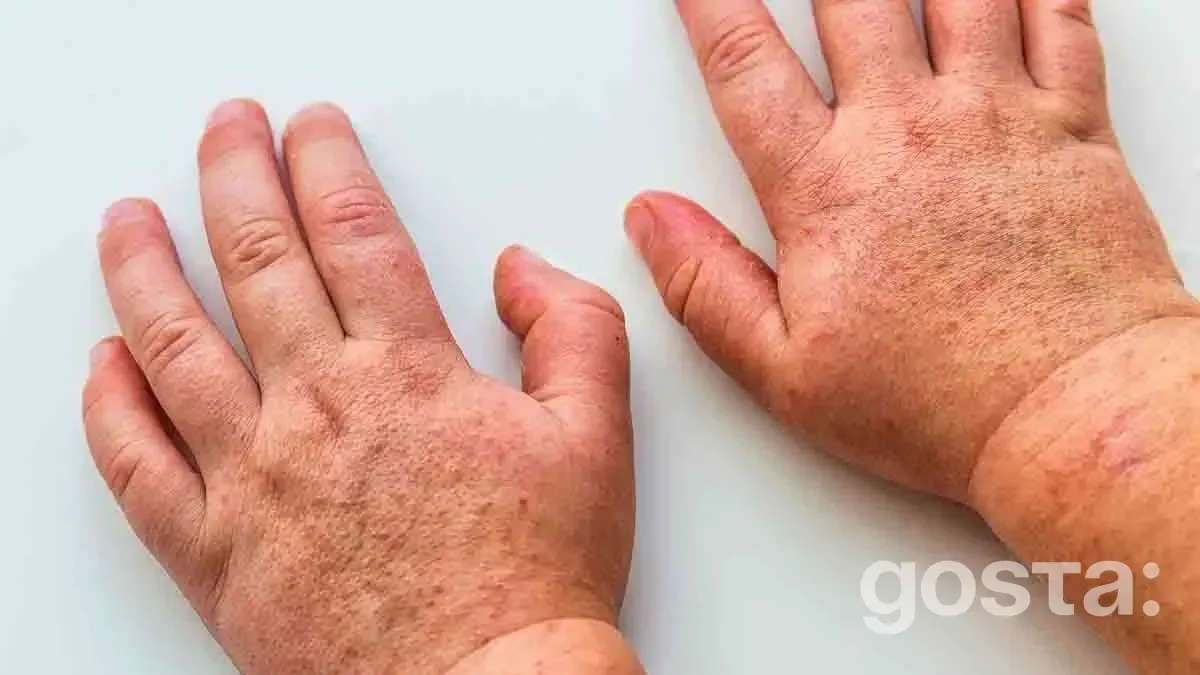
Scarlet fever rash is one of the main signs of the disease. It appears 12-48 hours after the first symptoms. The rash is caused by toxins produced by streptococcus.
Key Features Of The Rash:
- Small red dots resembling "goosebumps."
- Densely packed spots creating a flushed skin effect.
- Most concentrated in body folds: groin, elbows, neck, behind the knees.
- The rash turns pale under pressure but quickly returns.
- The face remains clear, but the cheeks become very red.
One of the characteristic symptoms is the "pale triangle" – a rash-free area around the mouth and nose.
After 3–7 days, the rash begins to fade. The skin in affected areas peels, especially on the hands and feet.
Diagnosis Of Scarlet Fever
Scarlet fever is relatively easy to diagnose. A doctor can identify it based on external signs.
Main Diagnostic Criteria:
- High fever and sore throat.
- Strawberry tongue.
- Characteristic rash.
- Enlarged lymph nodes.
To confirm the diagnosis, doctors may order additional tests:
- Complete Blood Count (CBC) – shows an increased white blood cell count and elevated ESR.
- Throat Swab – detects streptococcus.
- Anti-Streptolysin O (ASO) Test – measures antibody levels against streptococcus.
If the diagnosis is confirmed, treatment is prescribed.
Treatment Of Scarlet Fever
Scarlet fever is treated with antibiotics. Without treatment, complications may arise.
Antibiotics:
- Usually, penicillin or its alternatives are prescribed.
- The treatment course lasts 7–10 days.
- It is essential to complete the antibiotic course, even if symptoms improve.
Symptomatic Treatment:
- Fever reducers (paracetamol, ibuprofen).
- Throat gargles with antiseptics (furacilin, chamomile).
- Antihistamines (loratadine, suprastin).
Care For A Sick Child:
- Bed rest during the first days.
- Plenty of warm fluids (tea, compote, herbal infusions).
- Soft foods that do not irritate the throat.
A week after starting treatment, the child begins to recover.
Trust Science, Not Myths! Infectious diseases like scarlet fever require professional medical treatment. Folk remedies may provide some relief, but they should never replace doctor-prescribed medication. If antibiotics are necessary, follow your doctor's instructions and complete the full course of treatment. Proper medical care ensures faster recovery and prevents dangerous complications. Trust science and consult healthcare professionals for accurate advice.
Scarlet fever is a tricky disease. Without proper and timely treatment, it can cause serious complications:
- Rheumatic Fever – inflammation of joints and the heart.
- Glomerulonephritis – kidney damage.
- Otitis Media – middle ear infection.
- Sepsis – infection spreads throughout the body.
The most dangerous complication is heart damage. After recovery, a heart and kidney check-up is necessary.

How To Differentiate Scarlet Fever Rash From Other Illnesses?
The rash in scarlet fever can be mistaken for other childhood illnesses. Knowing the differences is crucial:
- Measles. The rash appears 3–4 days after fever onset. Measles rash is larger and merges into bigger spots.
- Rubella. Rubella rash is sparse and appears all over the body at once.
- Allergic Rash. An allergic rash is often itchy.
If a child has a rash, fever, and sore throat, a doctor should be consulted.
Prevention Of Scarlet Fever
There is no specific vaccine against scarlet fever. However, the risk of infection can be reduced by:
- Avoiding contact with sick individuals.
- Following hygiene rules.
- Regular hand washing.
- Strengthening the immune system (healthy diet, outdoor activities, vitamins).
If there are infected children in school or daycare, limiting contact and monitoring the child's health is advised.
Everything You Need To Know About Scarlet Fever – Video
Scarlet fever has been known for centuries, yet children still contract it today. Watch this video for more information:
Conclusion
Scarlet fever is a serious but treatable disease. The key is to recognize the symptoms early: high fever, sore throat, rash, and strawberry tongue. Treatment should be comprehensive. It is essential to take antibiotics, rest, and stay hydrated.
Scarlet Fever Is More Than Just a Sore Throat – Don't Ignore the Symptoms! Scarlet fever is a bacterial infection that can cause serious health complications if left untreated. If you or your child develop a high fever, sore throat, rash, or a strawberry-red tongue, don't delay seeking medical attention. Only a doctor can make a proper diagnosis and prescribe the right treatment. Early medical intervention is key to preventing long-term health risks.
Frequently Asked Questions
How long is scarlet fever contagious?
Scarlet fever is contagious from the first days of illness. Without treatment, a child can spread it for up to 3 weeks. With antibiotics, the contagious period is reduced to 1–2 days.
How can I tell if my child has scarlet fever?
Scarlet fever presents with high fever, sore throat, and a strawberry tongue. A fine red rash appears within 1–2 days.
What happens if scarlet fever is not treated?
Untreated scarlet fever can lead to complications affecting the heart, kidneys, and joints. The most severe consequences include rheumatic fever and glomerulonephritis.