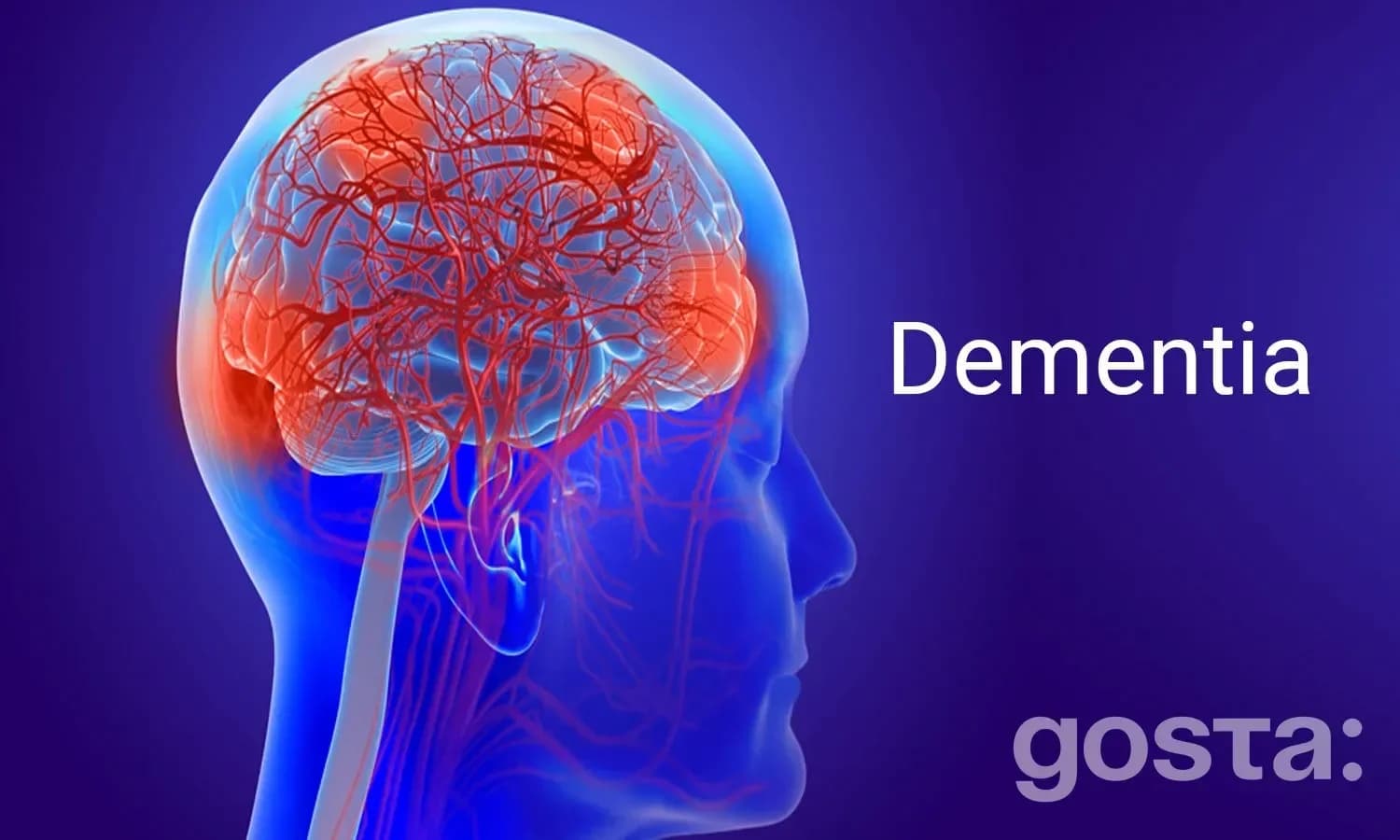
What if you started forgetting familiar faces? Mixing up the days of the week? Getting lost in your own neighborhood? Or not recognizing your children? That's more than just forgetfulness — it could be a disease that steals your memory, your personality, even your sense of self. In this article, we break down the complex topic of dementia in a simple way: what it is, how to recognize it early, and how to protect yourself and your loved ones.
What Is Dementia?
Dementia is a condition that affects how the brain works. A person may forget important things, get confused about time, and struggle with thinking clearly. It's not a single disease, but a group of symptoms that all point to one thing — a decline in cognitive function.
Dementia is progressive, meaning symptoms get worse over time. At first, it may just be small memory lapses. But later, a person might no longer recognize loved ones or manage everyday life. While it mostly affects older people, it's not a normal part of aging. The brain can age without dementia — this is something more serious.
What Causes Dementia?
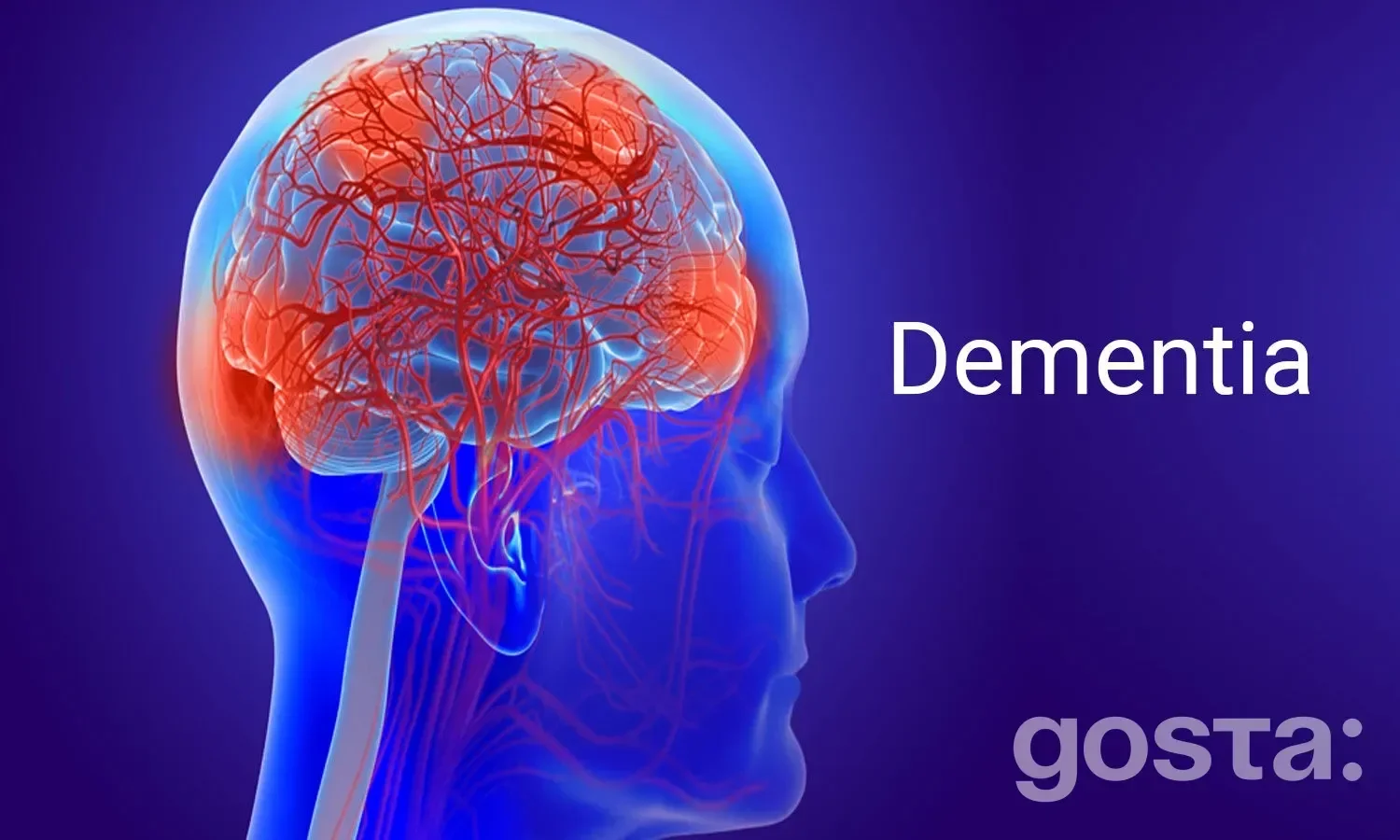
Science still doesn't fully understand what causes dementia. The term covers many conditions and symptoms, and there isn't one clear reason. Here are the most common causes:
- Alzheimer's disease is the most frequent cause. Toxic proteins build up in the brain, damaging nerve cells. The brain starts "shutting down" in sections.
- Vascular dementia is due to poor blood flow to the brain, often after a stroke.
- Lewy body dementia happens when abnormal protein structures (Lewy bodies) form in brain cells. It can cause hallucinations, sleep problems, and tremors. Genetics, aging, and protein-processing issues may play a role.
- Frontotemporal dementia damages neurons in the frontal and temporal brain regions. It usually starts with behavior changes and often affects people under 60. The cause isn't always clear.
Sometimes, causes overlap — for example, signs of both Alzheimer's and poor circulation may be present at once.
Who's at Risk?
Ask the average person what dementia is, and they'll likely say it's just old people being forgetful. While it's true that age — especially over 65 — is the biggest risk factor, there are others:
- Family history of dementia
- High blood pressure or heart issues
- Diabetes
- Smoking and heavy alcohol use
- Lack of physical activity
- Obesity
- Lower levels of education
Depression, social isolation, and limited mental stimulation also raise the risk. The brain thrives on activity — if it's not being used, it becomes more vulnerable.
Early Signs of Dementia: What to Watch For
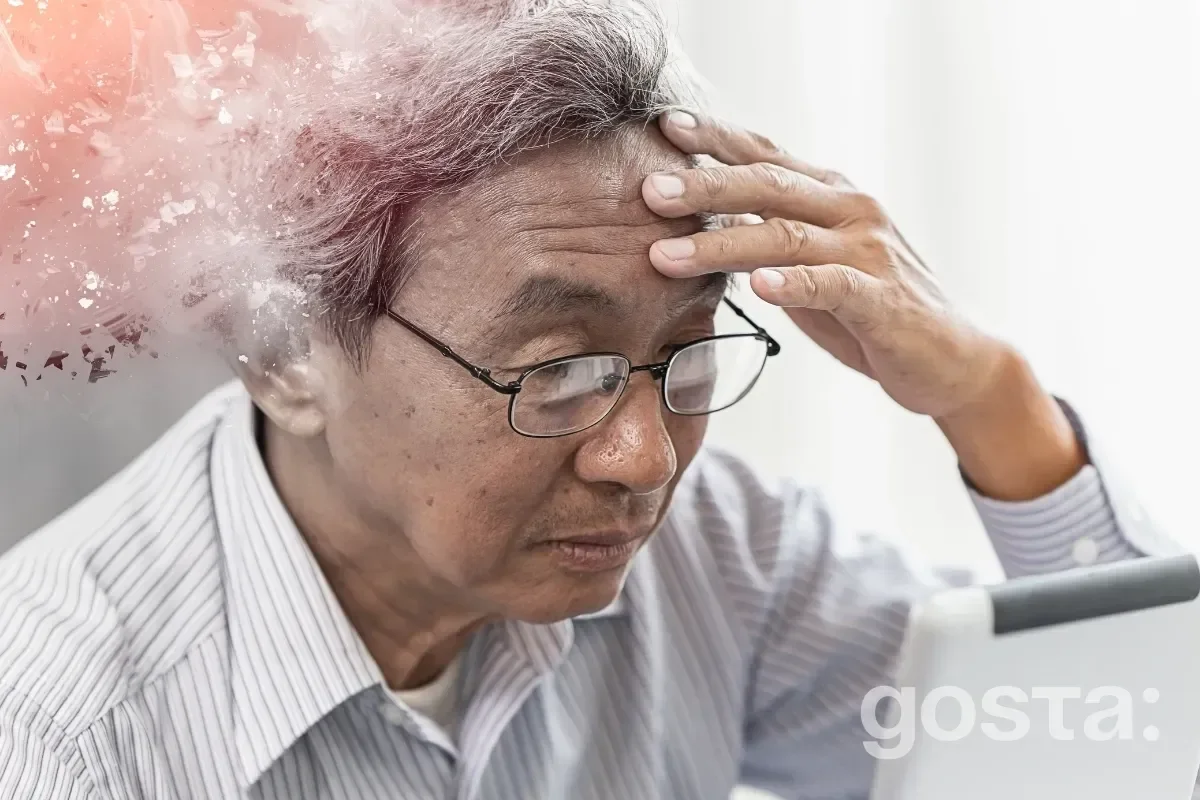
So what exactly is dementia — just forgetfulness or something more? Here are the early "red flags" to look out for in someone close to you:
- Forgetting recent events but clearly remembering things from decades ago
- Struggling to find the right words or losing their train of thought
- Getting lost in familiar places
- Repeating the same question over and over
- Becoming irritable, withdrawn, or apathetic
- Confused about how to manage money or pay bills
- Neglecting meals, hygiene, or other daily tasks
These changes might seem minor at first, but they tend to grow worse. That's what makes dementia so sneaky — it creeps in gradually.
How to Tell Dementia From Normal Aging
Some memory slips are a normal part of getting older. Many seniors enjoy reminiscing about the past or occasionally forget a name. But dementia is different. If someone forgets a name but remembers it 10 minutes later — that's normal. But if they can't recognize someone they know or mistake their son for their brother — that's a sign something's wrong.
If you're concerned, talk to a doctor. Diagnosing dementia takes more than one visit. It usually includes:
- Initial conversation — The doctor will ask about memory, behavior changes, and hear input from family members, who often notice things the patient doesn't.
- Cognitive tests — Tasks that test memory, attention, language, and reasoning (like remembering a few words and repeating them later).
- Blood tests — To rule out other issues like vitamin B12 deficiency, hormone imbalances, or infections.
- MRI or CT scan — To check for brain changes like shrinkage, stroke damage, or tumors.
In some cases, a psychiatrist or neuropsychologist may also be involved. Full diagnosis takes time, but it's crucial — not all memory problems are dementia. Some are caused by depression or medications and can be treated.
How to Prevent or Delay Dementia
There's no cure for dementia yet. But you can reduce the risk or delay its onset. Lifestyle choices matter — here's what experts recommend:
- Stay active. Daily exercise improves blood flow to the brain.
- Eat healthy. Focus on vegetables, fruit, fish, and whole grains. Cut back on sugar, salt, and trans fats.
- Keep your brain busy. Do puzzles, read, memorize poems, play logic games, learn languages or even dance.
- Stay social. People with strong social lives are less likely to develop dementia.
- Get enough sleep. 7–8 hours helps clear out harmful brain proteins linked to Alzheimer's.
Quit smoking. It damages blood vessels and the brain.
- Limit alcohol. Heavy drinking raises the risk.
- Manage chronic illnesses. Control blood pressure, diabetes, and heart issues.
Video: How to Protect Yourself From Dementia
Want to know more about what dementia is and how to prevent it? Watch this video from a medical expert:
Final Thoughts
Dementia is a major challenge — for individuals, families, and society. But you can spot it early. Even better, you can take steps to lower your risk. Taking care of your brain, staying physically active, eating well, building social ties, and staying mentally flexible are all keys to aging well. If you see early warning signs, don't wait. Talk to a doctor.
FAQ
What is dementia in simple terms?
Dementia is when the brain stops working properly. A person gradually loses memory, attention, and thinking skills. It makes everyday life hard to manage alone.
What does someone with dementia feel like?
They often feel confused about where they are or what time it is. They may forget loved ones or important words. It can be scary and frustrating.
How long can someone live with dementia?
On average, 5 to 10 years after diagnosis. It depends on the type of dementia and overall health. Early detection makes a big difference.
Who is most at risk for dementia?
People over 65, especially those with a family history, high blood pressure, or diabetes. Smoking, alcohol use, and lack of activity also increase the risk.