
Glycemic Index of Foods: How It Affects Energy and Weight
What do watermelon, rice, and a bun have in common? They can either fuel your body or leave you hungry again in no time. Learn how to mix foods based on their glycemic index — no dieting, just smart and tasty choices.

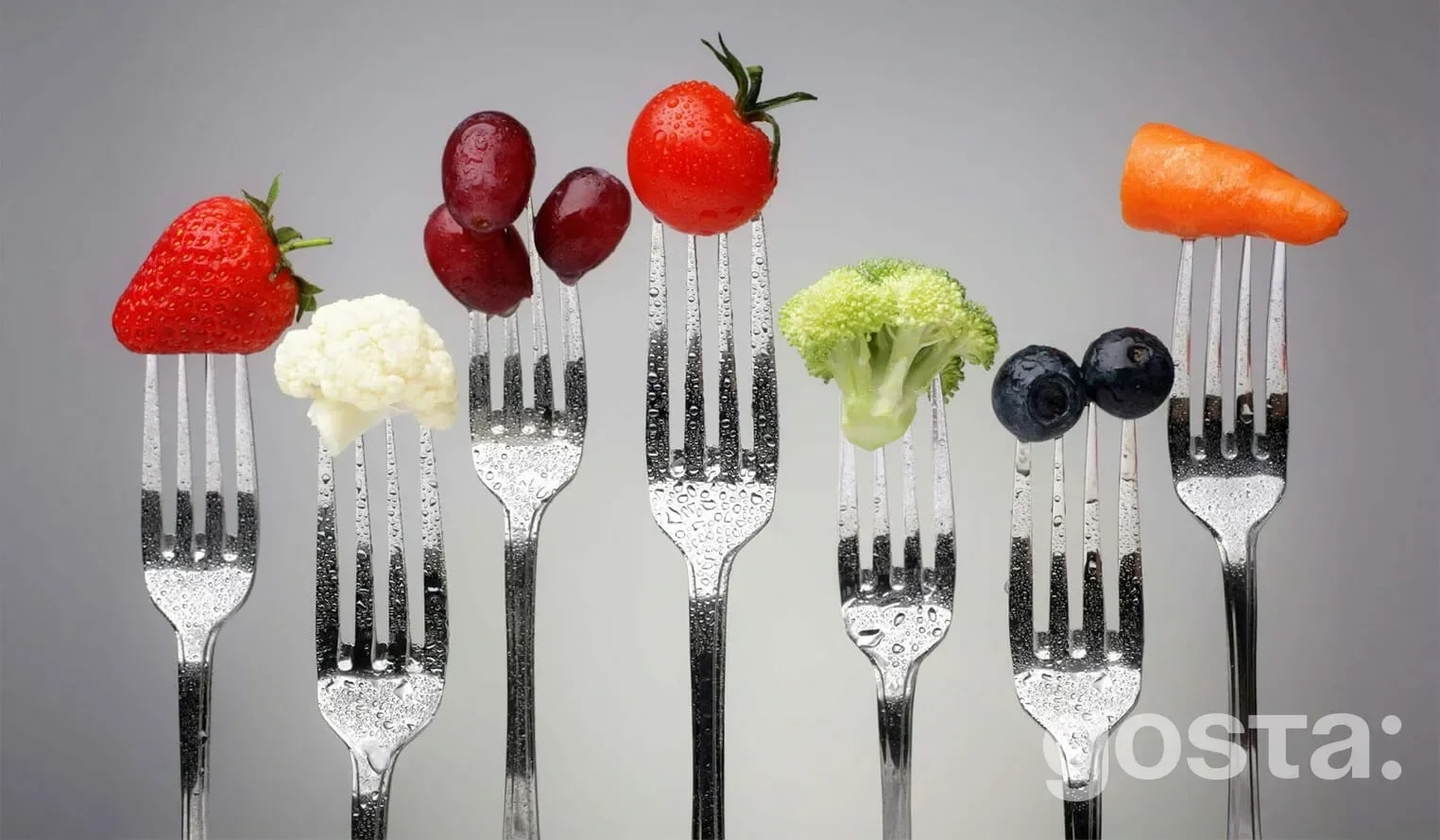
If you're into healthy eating, you've probably heard the phrase "glycemic index." But what does it really mean? The glycemic index (GI) measures how quickly a food raises your blood sugar after you eat it. The higher the GI, the faster your blood sugar spikes. The lower it is, the more gradually your body responds. In simple terms, it's like a "sugar wave" tracker for your meals. And it matters — a lot — if you want steady energy, avoid overeating, and keep your weight in check.
How the Glycemic Index Affects Your Body
To see why GI is so important, let's look at what it actually affects. When you eat — especially carbs — your body breaks that food down into glucose, a type of sugar it uses for energy. But not all carbs work the same way. A candy bar and a bowl of whole grains are processed at totally different speeds. Candy gives you a quick burst of energy — then a crash. Whole grains release energy slowly, keeping you full longer.
When your blood sugar keeps spiking (like after eating high-GI foods), your body starts pumping out more insulin — a hormone that helps lower blood sugar. Over time, too much insulin can lead to insulin resistance, a condition that often comes before type 2 diabetes.
High-GI foods give you a quick energy hit, but it doesn't last. Soon after, your energy drops, and you're left feeling tired, hungry, or irritable. On the flip side, low-GI foods offer steady energy — you stay full longer, feel more balanced, and don't get those mood swings.
Why the Glycemic Index Matters for Health
The glycemic index isn't just for people with diabetes. Even if you're totally healthy, eating lots of high-GI foods over time can have serious effects:
- Increased appetite
- Weight gain
- Metabolic issues
- Constant fatigue
- Hormonal imbalances
If your body's constantly riding the "sugar rollercoaster," it gets overwhelmed — and that affects everything from your sleep to your skin. Watching your GI isn't a diet — it's just a smarter way to eat. It helps keep your sugar levels stable, your energy up, and your mood more even. It can even lower your risk of major health issues.
Glycemic Index: What to Choose for Your Diet
To build a healthy diet, it helps to know the GI of common foods.
High-GI foods (70 and up): These spike blood sugar quickly. For example:
- White bread
- Mashed potatoes
- Sugary cereals
- Jasmine rice
- Watermelon
- Sweets and pastries
Medium-GI foods (56–69):
- Brown rice
- Pasta made from durum wheat
- Bananas
- Raisins
Low-GI foods (55 and under): These are best for everyday meals:
- Whole oats
- Buckwheat
- Apples, pears, cherries
- Legumes (chickpeas, lentils, beans)
- Plain yogurt (unsweetened)
- Most vegetables, especially green ones
But it's not just about what you eat — how you combine foods matters too.
How to Combine Foods to Lower the Glycemic Index
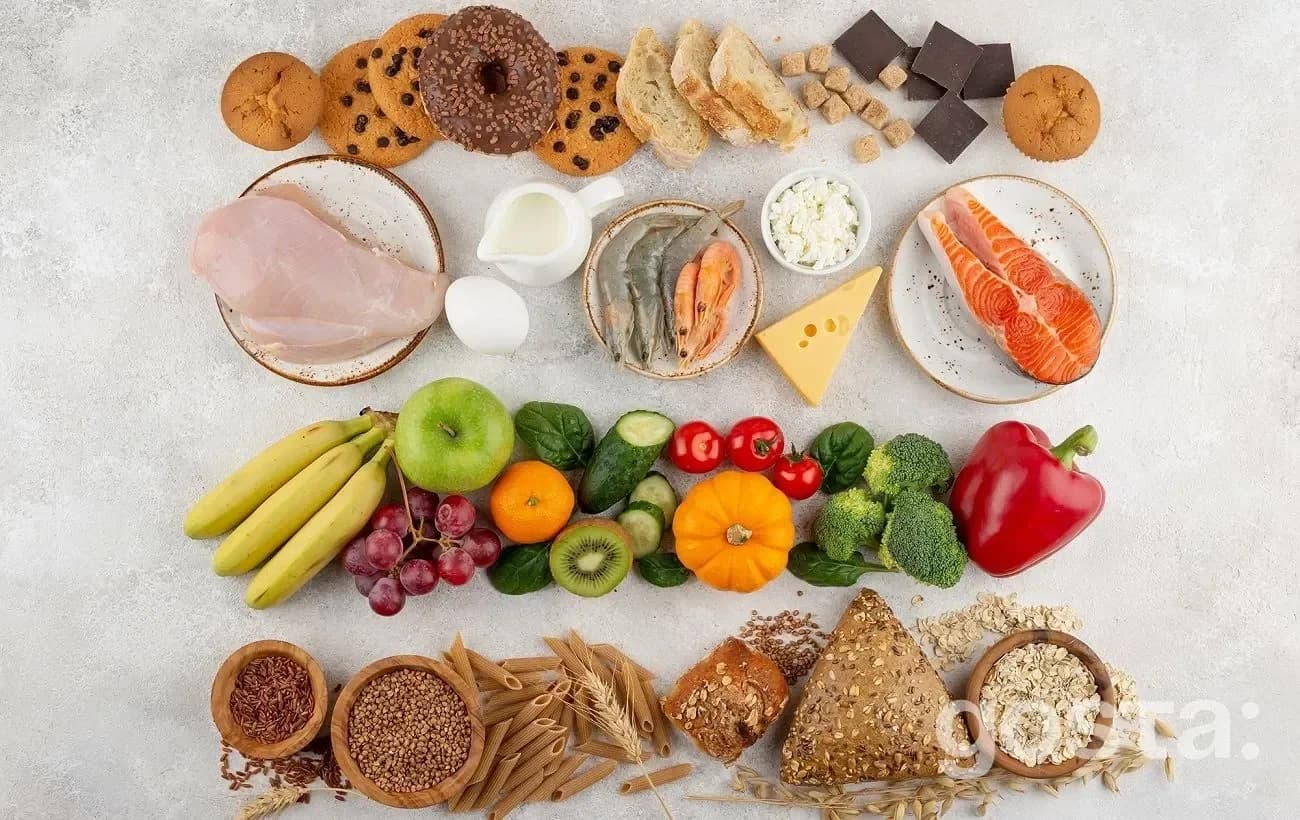
GI isn't set in stone — the same food can affect your body differently depending on what you eat it with. Here are a few easy tips:
- Add protein and healthy fats. Pairing a high-GI food with protein (like eggs, chicken, cheese) or healthy fats (like avocado, nuts, olive oil) slows sugar absorption. Instead of just toast with honey, add a bit of nut butter or a slice of cheese.
- Don't skip fiber. Fiber from veggies, fruit, and whole grains lowers the overall GI of a meal. It slows digestion, so sugar enters your system more gradually. For example, if you're having rice, add some greens or vegetables on the side.
- Cooking and processing matter. The more processed the food, the higher its GI. Soft, mashed, or overcooked foods get absorbed faster. Whole grains have a lower GI than quick-cook versions. A whole apple is better than apple juice.
It might seem complicated at first, but eating with GI in mind doesn't mean giving up your favorite foods. It just means being a little more thoughtful.
You don't have to track the GI of every single ingredient. Just aim for less processed, more balanced meals — and you're already on the right path.
Even with a simple approach, people often slip up. Here are the most common GI-related mistakes:
- Only eating low-GI foods. What matters most is the overall composition of your meal, not just one ingredient.
- Thinking high-GI fruits are "bad." Fruits like watermelon, banana, or pineapple still have nutritional value. Just don't eat them on an empty stomach or late at night.
- Ignoring glycemic load (GL). GL considers both how fast sugar is absorbed and how much sugar the food contains. For example, watermelon has a high GI but very little sugar overall — so its glycemic load is low.
Video: What You Should Know About the Glycemic Index
The glycemic index of foods is an important indicator that helps us eat right, keep our bodies healthy and our moods good. You can learn even more about it by watching the video:
Takeaway
The glycemic index is a simple but powerful guide. You don't have to track it every day — but understanding it can help you:
- Manage your weight more easily
- Keep your energy levels steady
- Lower your risk of diabetes and insulin resistance
- Avoid overeating and stick to a routine
- Eat smarter without sacrificing taste
Most importantly — this isn't about restrictions. It's about making choices that work for you, not against you.
FAQ
Which food has the highest glycemic index?
Pure glucose and white bread made from refined flour have the highest GI — around 100. That means they raise blood sugar very quickly.
Which type of flour has a low glycemic index?
Whole grain flours, especially rye flour, have a lower GI. They digest more slowly and have more fiber, making them better for blood sugar control.
What's a "normal" glycemic index?
There's no strict "normal" — but GI is grouped into three categories:
- Low: 55 and under
- Medium: 56–69
- High: 70 and up
For better health, stick to foods with low and medium GI whenever possible.
Best of the week — in your inbox
No spam. Only top Gosta stories. Unsubscribe in one click.
Comments