Summer is a time for relaxation, sunshine, and outdoor activities. However, high temperatures and prolonged exposure to direct sunlight can pose a serious health risk. One of the most common summer dangers is sunstroke. Its symptoms are often mistaken for fatigue or dehydration, but the consequences can be far more severe. That's why it's important to know how to recognize sunstroke in time, provide first aid, and stay safe while enjoying your summer.

Why Is Sunstroke Dangerous?
Sunstroke is a form of heatstroke caused by prolonged exposure to direct sunlight, especially during hot weather. It leads to overheating of the head, disrupts the body's ability to regulate temperature, and raises core temperature to critical levels. Recognizing the symptoms of sunstroke is crucial to providing timely help.
Main symptoms include:
- Headache
- Nausea or vomiting
- Dizziness
- General weakness
- Rapid heartbeat
- Elevated body temperature (up to 40°C / 104°F or higher)
- In some cases — loss of consciousness
In many situations, resting and sleeping may be enough. However, if the affected person has a high fever or seizures — seek medical help immediately.
Sunstroke in Children: Signs, Treatment, Prevention
A child's body is more sensitive to heat than an adult's. Children's thermoregulation is not fully developed, so sunstroke can occur quickly — sometimes in just 15–30 minutes of sun exposure.
Signs of sunstroke in a child:
- Redness of the face
- Lethargy or excessive restlessness
- Refusal to eat
- Dry mucous membranes
- High fever
- Seizures (in severe cases)
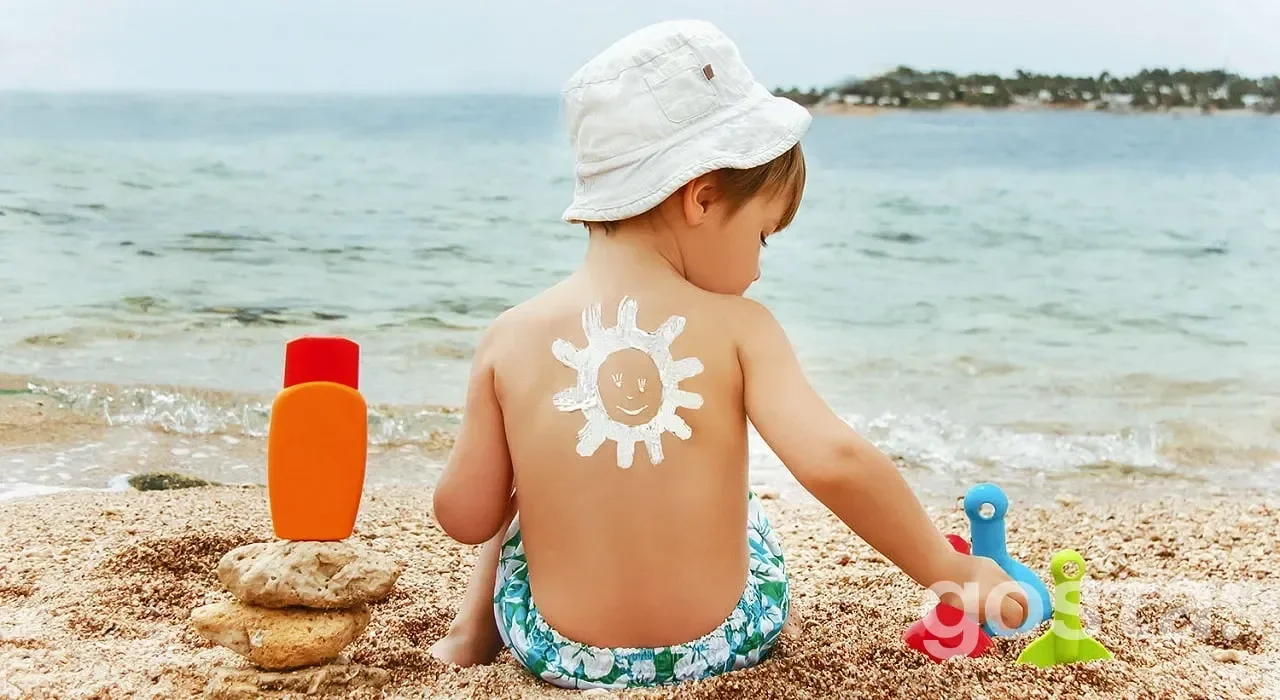
What to do if a child shows signs of sunstroke:
- Immediately move the child into the shade or a cool room.
- Remove excess clothing, wipe the body with a damp cloth.
- Offer cool water in small sips.
- If the temperature doesn't go down — call emergency services.
To prevent sunstroke in children, make sure they always wear a hat and don't stay in the sun for long. Offer water every 15–20 minutes, even if they don't ask for it.
First Aid for Sunstroke — What to Do
Properly given first aid for sunstroke can prevent serious complications and even save a life. The key is to act quickly and calmly.
Step-by-step first aid for sunstroke:
- Move the person to the shade or a cool, well-ventilated place.
- Remove excess clothing, unbutton collars or belts to allow airflow.
- Apply cool, damp cloths or towels to the head and body.
- If the person is conscious, offer small sips of cool water.
- Monitor breathing, pulse, and overall condition continuously.
Call emergency services immediately if:
- The person loses consciousness.
- Seizures begin.
- Body temperature doesn't decrease or the condition worsens suddenly.
Do not:
- Rub the body with alcohol or vinegar — this may worsen the condition.
- Give fever-reducing medications without a doctor's advice.
- Leave the person unattended.
Combining these actions can help stabilize the person's condition until medical help arrives and reduce health risks.
How to Avoid Sunstroke at the Beach or in the City
Sunstroke can happen not only while sunbathing but also during everyday activities — on a walk, in public transport, or while working outdoors.
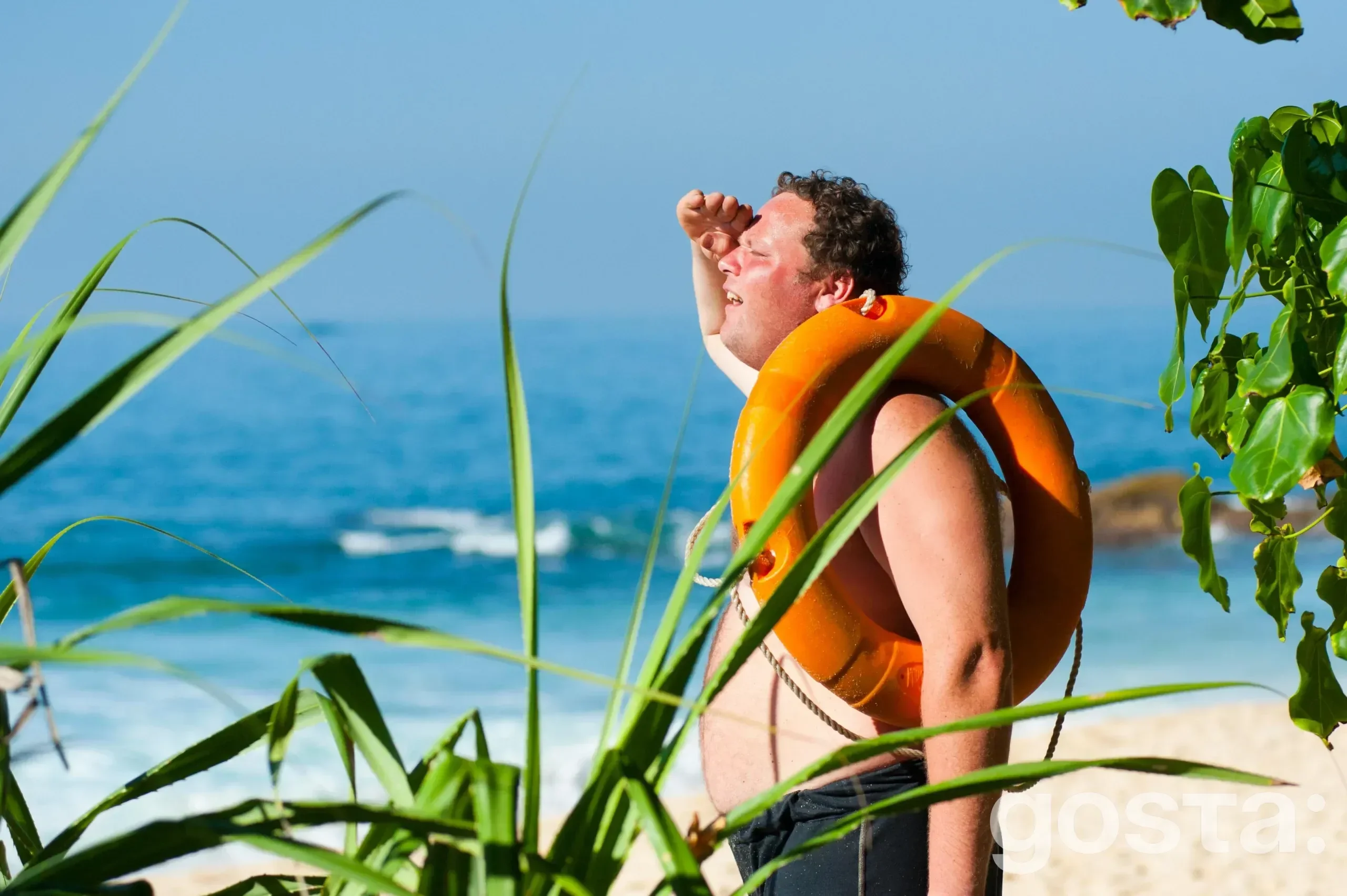
At the beach:
- Always use an umbrella or canopy.
- Choose beaches with available shade.
- Swim in the morning or evening, avoid midday sun.
- Drink water regularly, even if you're not thirsty.
In the city:
- Plan important tasks before 11:00 AM or after 5:00 PM.
- Avoid long walks during peak heat.
- Step into stores, cafés, or public buildings with air conditioning.
- Wear a hat and sunglasses.
Read more: How to reduce allergy symptoms in summer.
Sunstroke can have dangerous consequences. Recognizing the symptoms early, providing the right first aid, and following simple preventive measures can help avoid danger. Take care of yourself and your loved ones — let your summer be full of only pleasant memories!
Frequently Asked Questions
How is sunstroke different from heatstroke?
Sunstroke is a type of heatstroke caused specifically by direct sunlight on the head and neck. Heatstroke, on the other hand, can happen even in the shade or indoors due to general body overheating — for example, in a stuffy vehicle or hot workplace.
How long does it take to get sunstroke?
Sunstroke can develop in just 15–30 minutes of direct sun exposure without a hat, especially during peak hours (11:00 AM to 4:00 PM). Children and the elderly are at even greater risk.
What body temperature is considered critical in sunstroke?
A body temperature above 39°C (102°F) is already dangerous. At 40°C (104°F) or higher, the risk of central nervous system damage, dehydration, seizures, and even coma increases.
Can I use alcohol to cool someone down?
No. Rubbing the body with alcohol or vinegar is not recommended when overheated. It can cause further stress to the body, poisoning through the skin, or sudden blood vessel constriction.