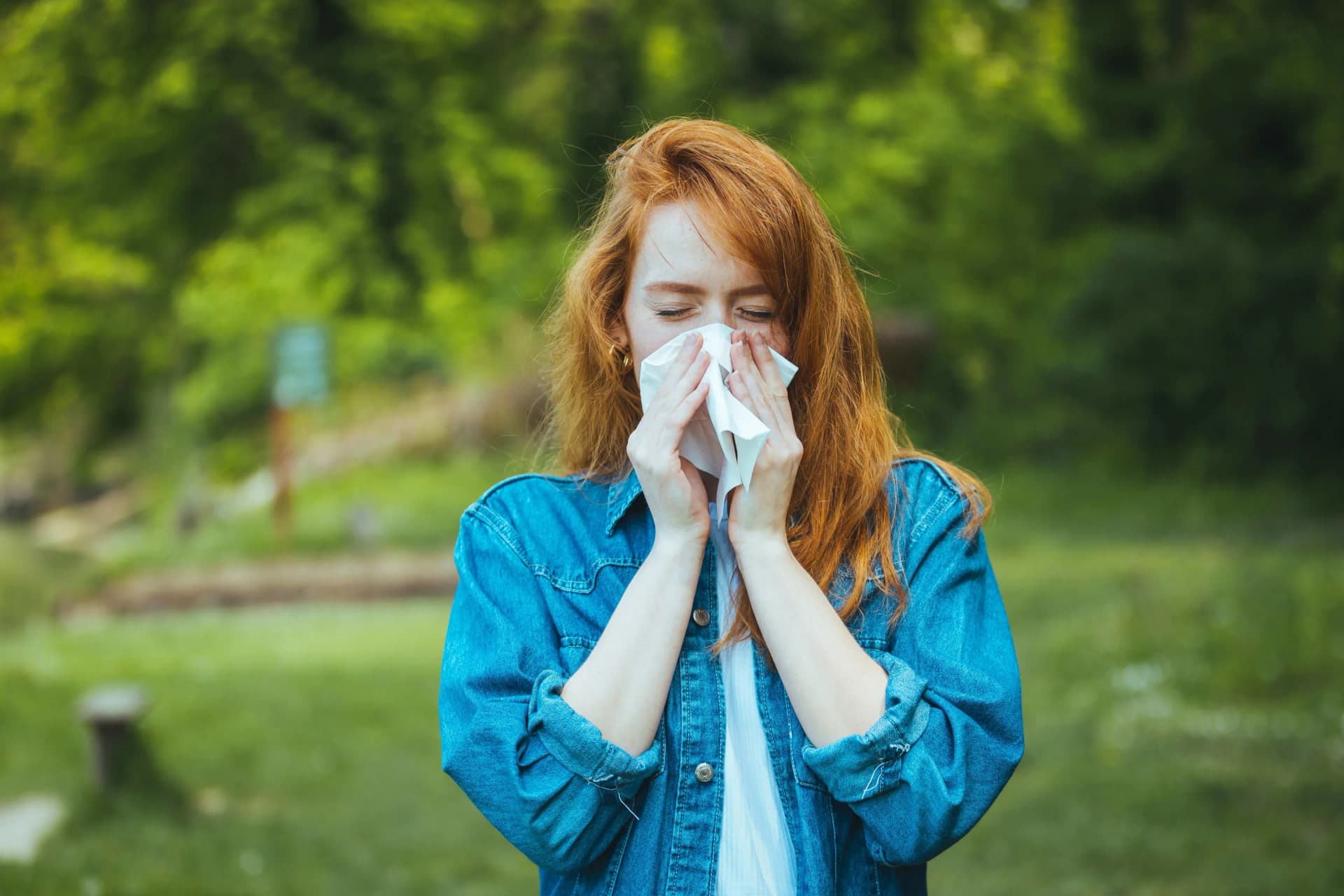
As spring arrives, many people welcome the sunshine, warmer days, and blooming flowers. But for millions, this season also means one thing—seasonal allergies. Also known as hay fever, seasonal allergies are the body's immune response to plant pollen. The symptoms can ruin your day and seriously affect your quality of life. That's why it's important to know how to manage them and feel better during allergy season.
What Causes Seasonal Allergies?
The main trigger is plant pollen. Trees, grasses, and weeds release it into the air during blooming season. In spring, birch, alder, and maple trees are the culprits. In summer, it's mostly grasses, ragweed, and mugwort. Pollen is so tiny that we inhale it without noticing. The immune system sees it as a threat and kicks in, even though it's actually harmless.
Another factor is climate change. Warmer winters lead to earlier and longer blooming seasons, and pollen counts are on the rise.
Often, people don't immediately realize they have allergies because the symptoms can mimic a cold. But if your "runny nose" comes back every year around the same time and lingers for weeks, you might be dealing with hay fever.
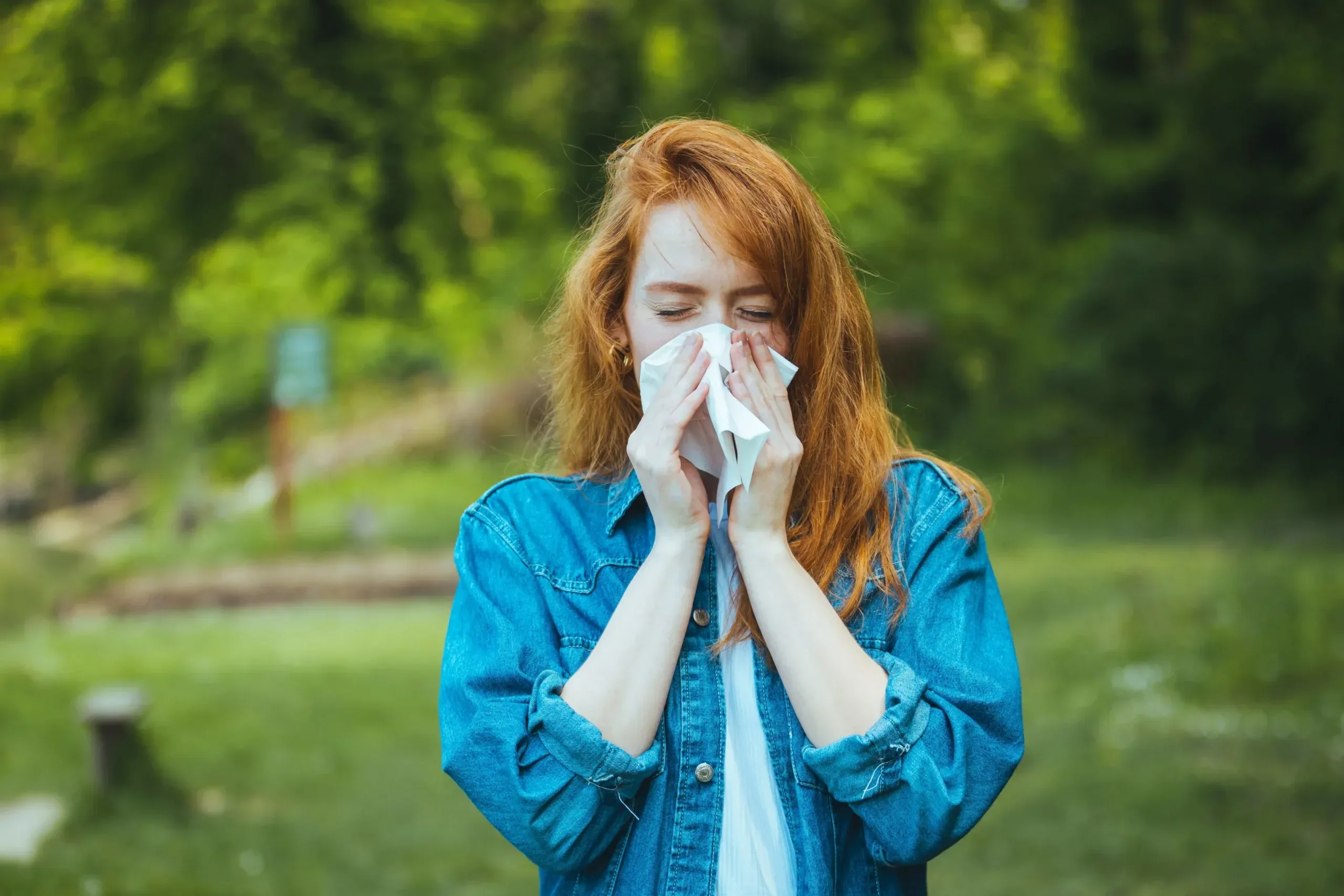
Common Symptoms of Seasonal Allergies
Seasonal allergies can show up in different ways. The most common symptoms include:
- nasal congestion
- constant sneezing
- itchy nose and eyes
- watery eyes
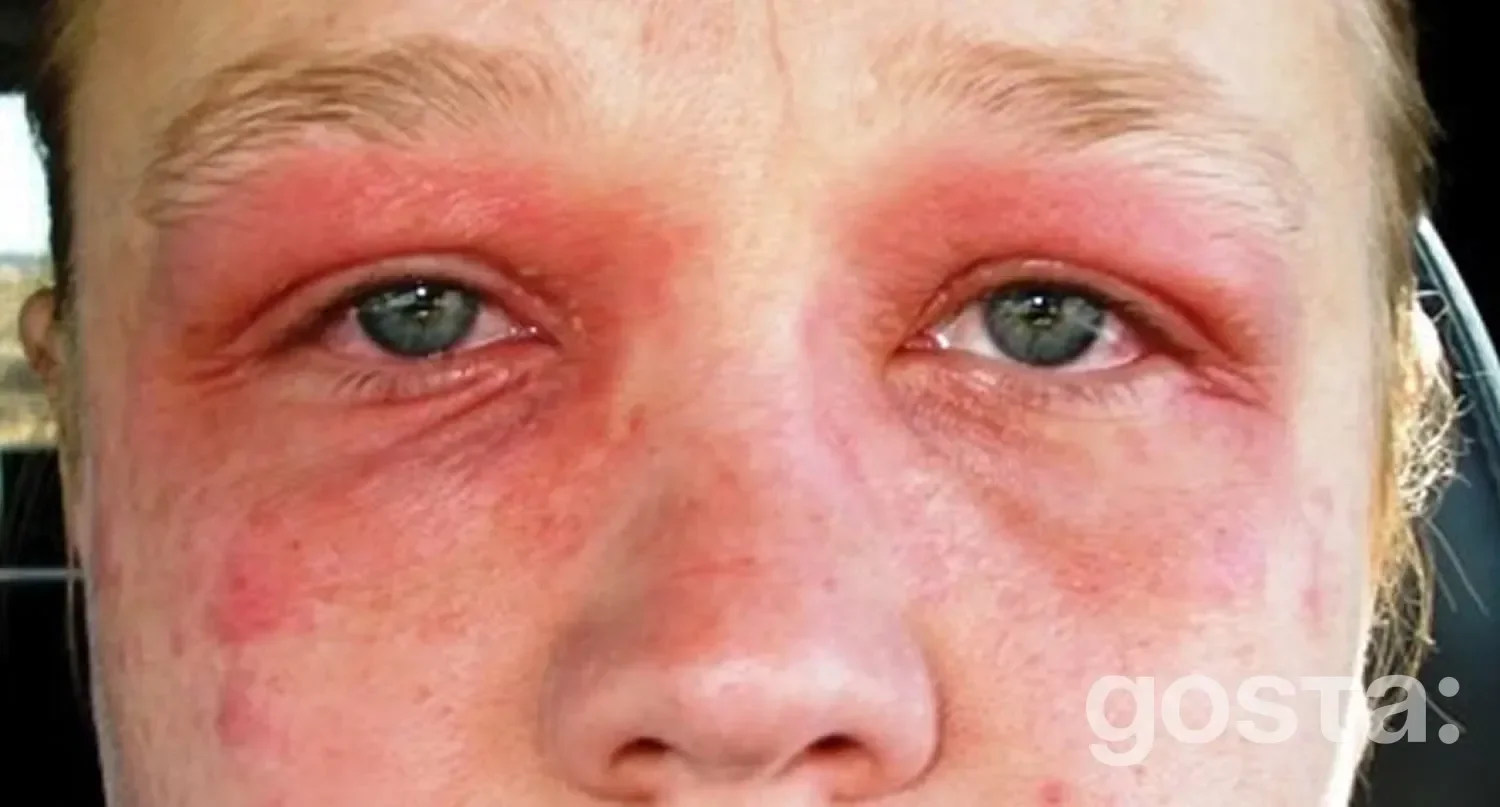
- red or irritated eyes
- cough or scratchy throat
- fatigue and irritability
Some people also get skin rashes or breathing issues. The symptoms can look like a cold: runny nose, headache, low energy. But allergies don't usually cause a fever.
Recognizing the signs early is key—it helps you start treatment sooner and avoid complications. If you start sneezing, your eyes water, and you feel drained every spring—it's likely seasonal allergies.
How to Tell the Difference Between a Cold and Allergies
It's sunny and warm, but you're sneezing nonstop. Your nose is blocked, your eyes are watering, and all you want to do is crawl under a blanket. "Must be a cold," you think. But wait:
- A cold usually goes away within a week. Allergies can last for weeks—or even months.
- Seasonal allergies tend to kick in at the same time every year—like when birch or linden trees bloom.
- Fevers are common with colds but rare with allergies.
- With hay fever, your eyes often itch, and you can sneeze dozens of times in a row.
A cold comes and goes. Allergies are like that annoying guest who shows up every year. If your symptoms drag on and always return in April or May—it's time to see an allergist.
How to Feel Better During Allergy Season
Seasonal allergies aren't the end of the world. There are simple ways to feel a whole lot better. Here are some tips:
- Avoid pollen. Seriously, this helps. If you know your allergies start in April, skip park walks during peak bloom. Choose rainy days or evenings for outings—pollen levels drop then.
- Wash your face and hair after being outside. Pollen sticks to your skin, hair, and clothes. You bring it indoors without realizing it. Change clothes and wash up when you get home.
- Ventilate wisely. Don't keep windows open all day, especially in the morning—pollen levels are highest then. If possible, use window screens or special filters.
- Clean with a damp cloth daily. Yes, it takes effort, but it works. Dust and pollen settle on surfaces and make things worse. Wipe furniture and mop floors regularly.
- Don't air-dry clothes outdoors. Pollen sticks to fabric. Wear that "fresh" shirt—and you're back to sneezing.
Treating Seasonal Allergies
Modern medicine offers many ways to get through spring and summer without misery. With the right treatment, allergies can become a minor inconvenience. Here's what doctors often recommend:
- Antihistamines — the go-to for allergy relief. They block the chemicals that cause itching, sneezing, and watery eyes. Some work for just a few hours, others last all day. But don't self-prescribe—check with your doctor or at least a pharmacist.
- Nasal sprays with corticosteroids — very effective. They reduce inflammation in your nose and make breathing easier. But you need to use them regularly—not just when it gets really bad.
- Immunotherapy — in some cases, a doctor may suggest tiny doses of allergens to "train" your body to stop overreacting. It's a slow process, but can bring long-term relief.
Many people try to manage allergies without meds. Some drink herbal teas, others eat honey, or rinse their nose with saltwater. Be careful, though.
- Herbal teas can calm you down and ease mild irritation—but they're no substitute for real treatment. And yes, some herbs are allergens themselves.
- Honey is often praised as a "natural vaccine." But it's made from pollen—so it can actually make allergies worse.
- Saline nasal rinses are helpful. They flush out pollen and keep your nasal lining moist. A great addition to other treatments.
Remember: natural doesn't always mean safe. Even something like chamomile can cause a strong allergic reaction in sensitive people.
If your symptoms don't go away—even after following all the tips—see an allergist. They can identify the exact allergen and recommend the right treatment.
Don't wait if:
- you sneeze daily for several weeks
- nasal congestion keeps you from sleeping
- you develop a dry cough or wheezing
- regular meds no longer work
It's better to stop the problem early than deal with complications later.
Seasonal Allergies: Symptoms and Prevention – Video
Seasonal allergies can be sneaky and stubborn. Want to learn more? Watch this video:
Conclusions
Seasonal allergies shouldn't stop you from enjoying the outdoors, relaxing in nature, or feeling good. Sure, they're annoying—but you can live with them comfortably. The key is knowing your triggers and staying one step ahead.
With the right medication, small lifestyle tweaks, and your doctor's advice, spring can feel like spring again.
Frequently Asked Questions
What foods should I avoid with seasonal allergies?
Stay away from foods that might make your reaction worse—like honey, nuts, apples, carrots, or celery. These can have proteins similar to pollen and cause cross-reactions.
How do I know if I'm allergic to pollen?
If you get sneezing, itchy eyes or nose, congestion, or watery eyes every spring or summer—and those symptoms go away the rest of the year—it's likely pollen allergies.
How can I calm an allergic reaction?
The fastest relief comes from antihistamines—they reduce itching, swelling, and sneezing. You can also rinse your nose with a saline solution to wash out pollen.
What really works for allergies?
New-generation antihistamines (the kind that don't make you drowsy) work well. Nasal steroid sprays and regular nose rinsing also help. In some cases, allergen-specific immunotherapy can be very effective.